Glossary of desert geology
Photographing in the Desert Southwest is filled with otherworldly geology and unusual formations. Often, these formations are described using unfamiliar geologic terms. Here is a glossary of some terms you’ll encounter in these desert landscapes.
Alluvium: Gravel, sand, silt, and clay deposited by streams.
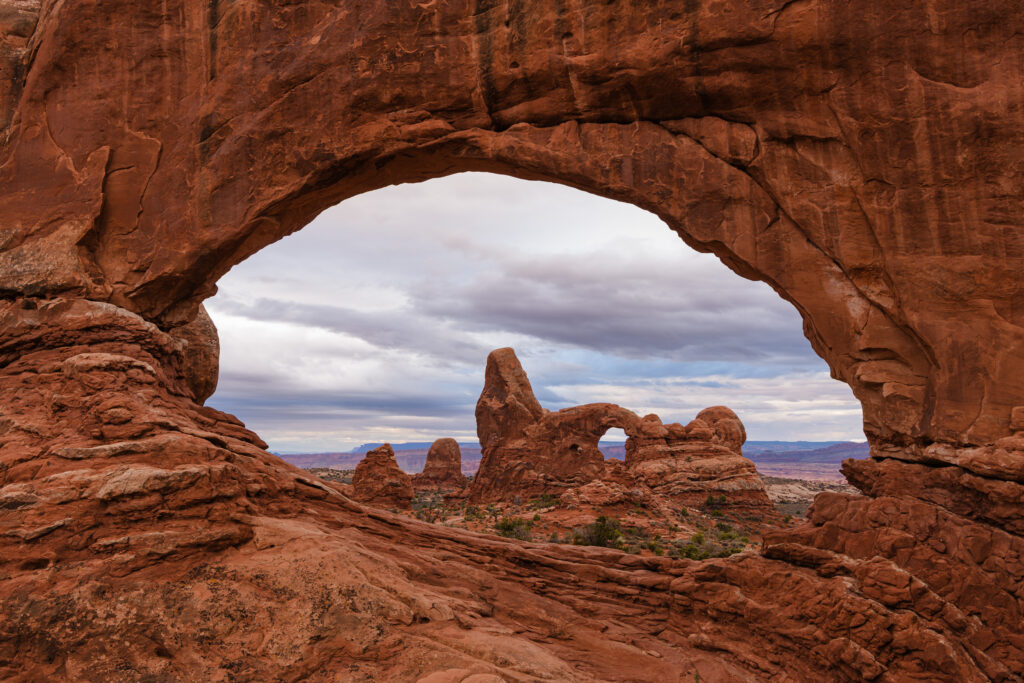
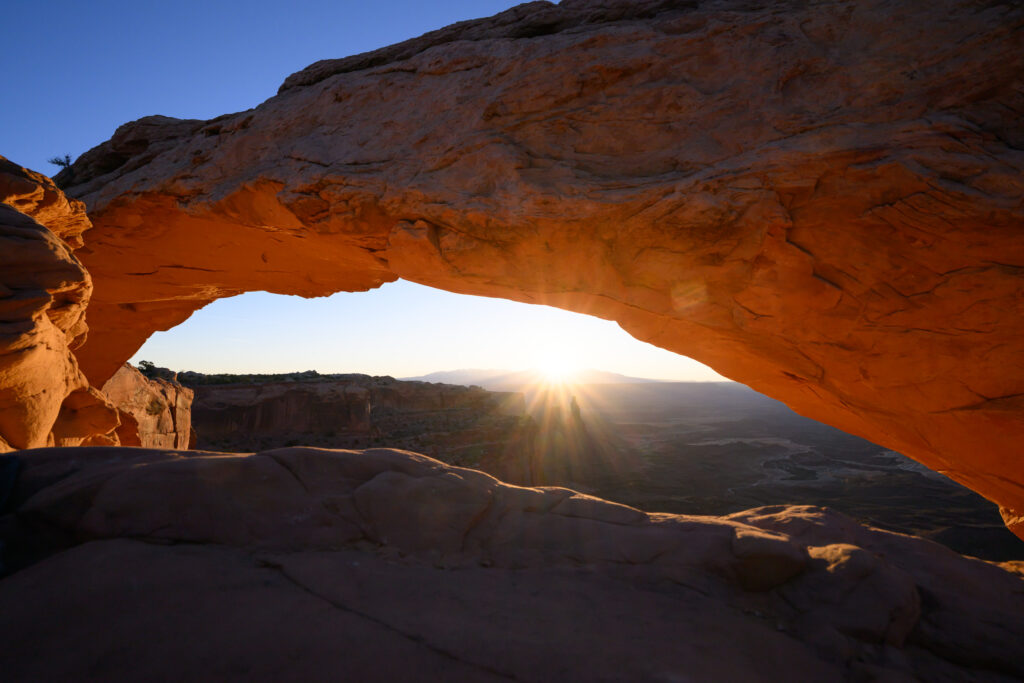
Arch: An arch is a large hole in a rock formed by anything but flowing water. This differs from bridges, which are formed by flowing water.
Arroyo: Arroyo is a Spanish word for a creek or small river. Although often dry in the desert, they will fill with water with sufficient rain.
Anticline: A fold in rock layers, typically in an inverted U shape.
Badlands: Eroded topography characterized by steep slopes and surfaces with little or no vegetative cover; composed of unconsolidated or poorly cemented clays or silts.

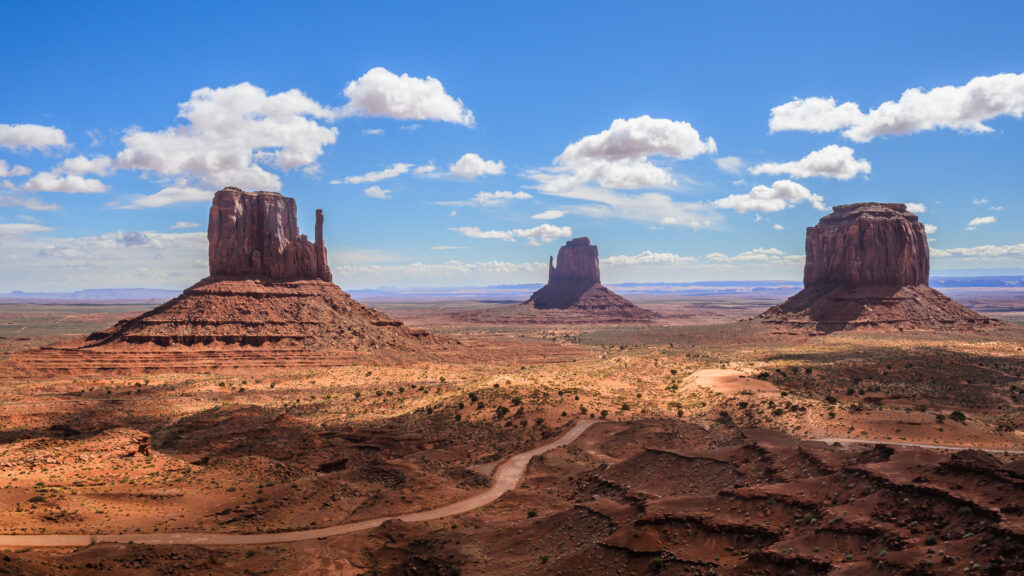
Butte: Buttes are very similar to mesas, and are created when a mesa continues to erode. In general, buttes are taller than they are wide.
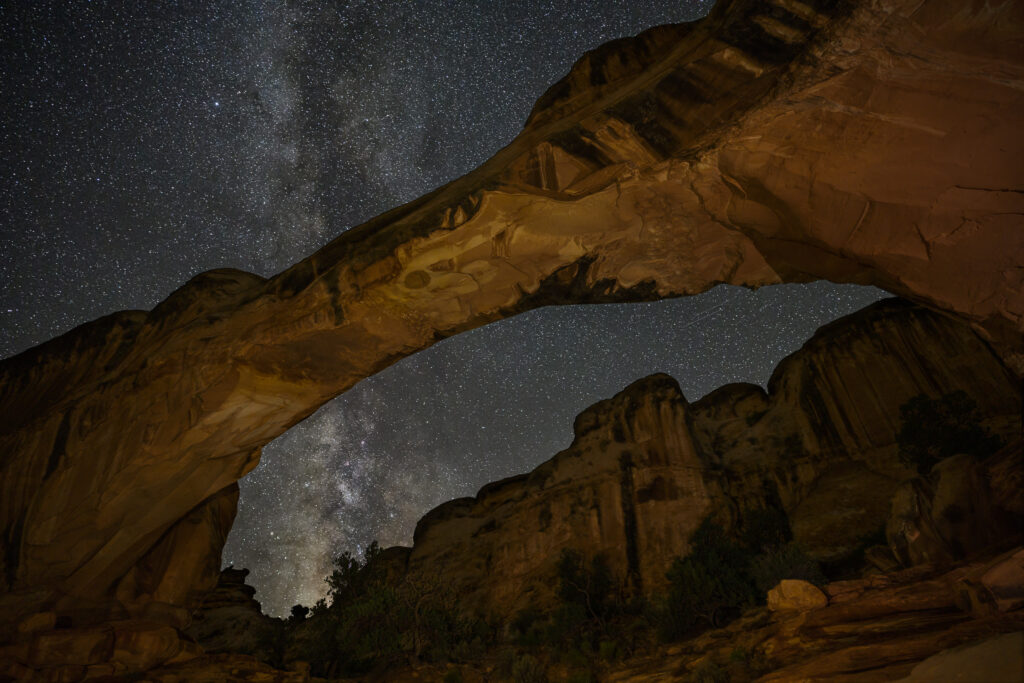
Bridge: A natural bridge is a large hole in a rock formed by flowing water. This differs from arches formed by anything other than flowing water.
Desert varnish: Thin, shiny coating of color on boulders, also known as patina.

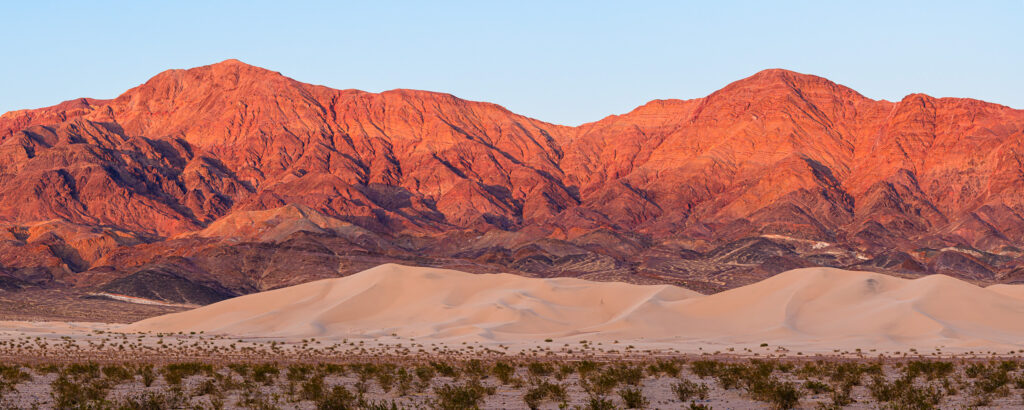
Dunes: Piles of loose sand shaped by wind.
Hoodoo: Hoodoos are thin spires of rock formed by erosion. They typically erode unevenly, with more eroded, soft rock below and harder, less-eroded stone atop, resulting in unusual formations.

Mesa: A mesa is a plateau section that has eroded with cliffs on all sides and a flat top. In general, mesas are wider than they are tall.
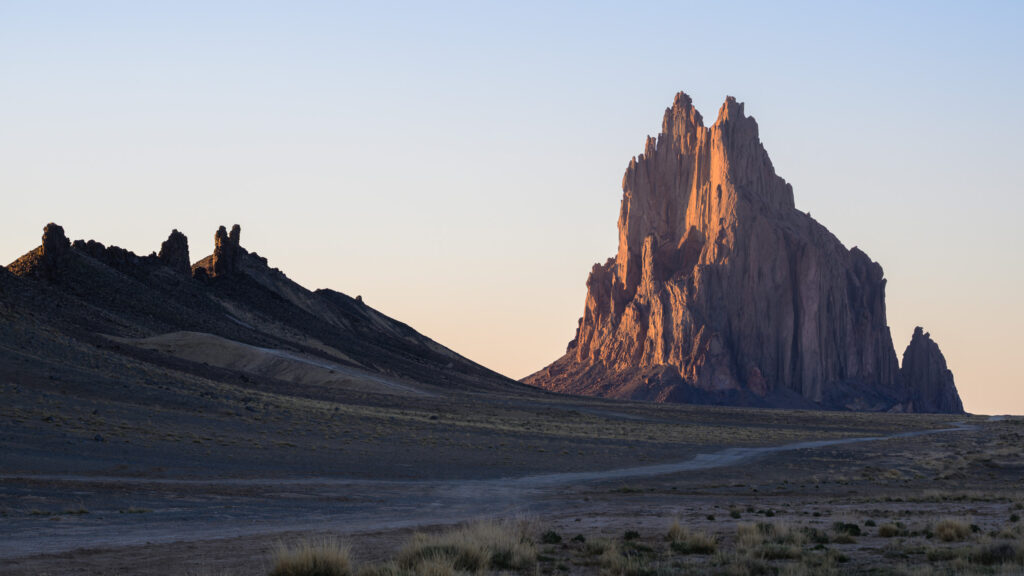
Monadnock (or Inselberg): An isolated hill, ridge, or small mountain that abruptly protrudes from a surrounding flat plain.
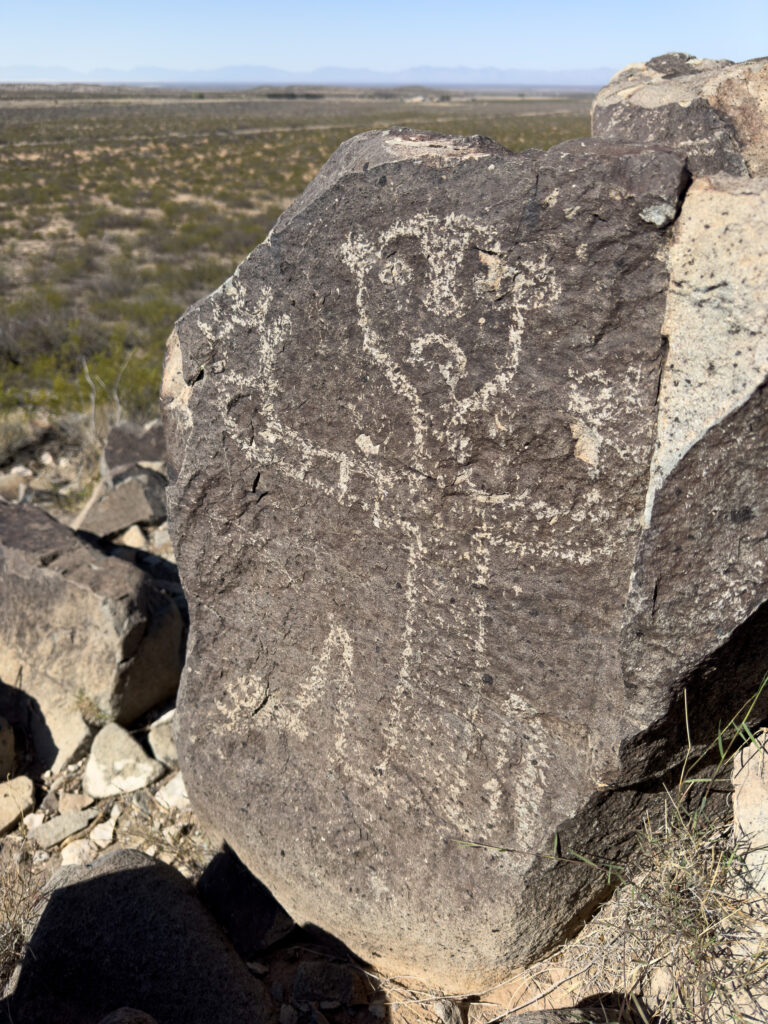
Petroglyph: Petroglyphs are images and designs carved or scratched in stone, contrasting with pictographs painted on stone.
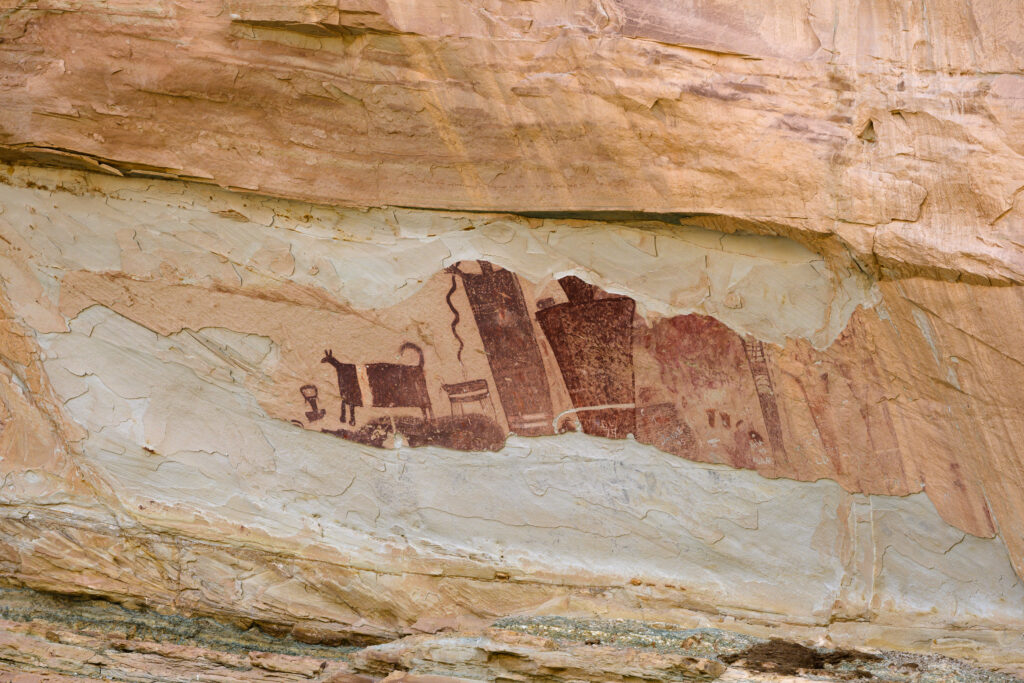
Pictograph: Pictographs are images and designs painted on rocks using natural pigments, contrasting with petroglyphs carved into stone.
Pinnacle (or Spire): Similar to a hoodoo, but with a uniform thickness that tapers upward from the ground.
Plateau: Plateaus are elevated areas with a relatively flat top and cliffs on one or multiple sides that do not go all the way around. This distinguishes a plateau from a mesa.
Playa: A flat-bottom area found in desert basins, periodically covered by water that evaporates and deposits salt, sand, and mud.
Reef: A geologic formation of rocky cliffs that are a barrier to travel, like an ocean reef. For example, Capitol Reef National Park takes its name from the white domes that resemble the Capitol dome buildings and the rocky cliffs of the Waterpocket Fold.
Swell: A dome-shaped anticline where rock folds are pushed above the surface.
Slot canyon: A long, narrow channel with sheer rock walls created by erosion.
Wash: Similar to arroyos, a wash is a dry stream bed that follows the contours of the land and allows water to flow, or wash, from higher to lower elevations.
Window: Geologists call large holes in a rock windows. Both arches and bridges are considered windows.