
When to use a lens hood
If you have ever purchased a camera lens, chances are it came with a lens hood, also known as a lens shade. This simple accessory attaches to the front of the lens, preventing lens flare and protecting the front of the lens. We recommend using your lens hood for almost all shooting situations. Here’s why.
Prevent lens flare and glare
When you photograph towards a bright light source, especially the sun or other bright lights, your photos can show unwanted lens flare. Lens flare is caused by reflections or light refractions on your lens’s interior glass surfaces. Flare is often caused by light sources that aren’t visible in your frame. Using a lens hood prevents this side light from entering your camera.

One situation that a lens hood will not help with is when photographing directly at a bright light source. While modern lenses have anti-glare coatings, many are still susceptible to lens flare when looking directly at a bright light source.

Lens hoods aren’t only for outdoor photography. They can be just as important indoors when bright, directional light sources affect the scene.
Protect the front of your lens
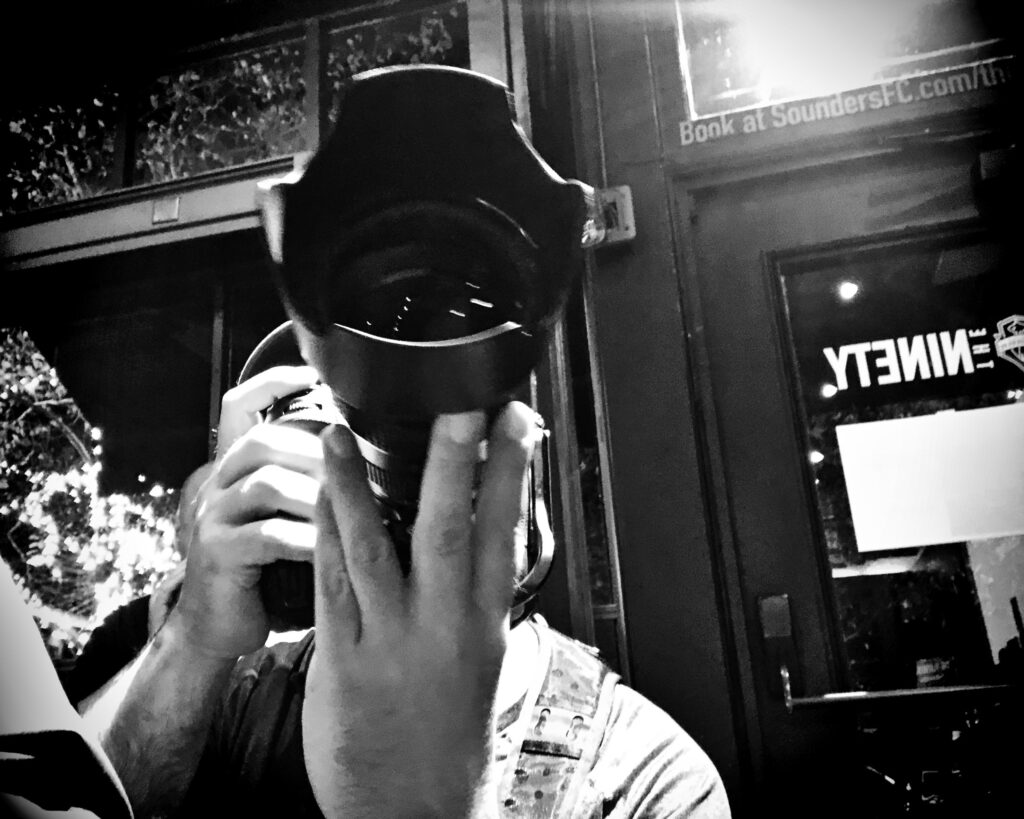
Attaching a lens hood is an inexpensive way to protect the front of your lens from damage. A lens hood can be a cheap shock absorber when you drop your lens rather than a costly repair of a cracked front element. It also prevents lens scratches when you bump the lens and keeps fingerprints away from the glass.
A lens hood also creates an extra barrier to prevent water from hitting the front of the lens during rain or snow.
When not to use a lens hood
While we almost always have our lens hoods installed, sometimes you cannot use them.
- You want lens flare: Some photographers seek lens flare as a creative effect.
- Filters: Often, lens filters get in the way of installing a lens hood.
- Flash: On longer lenses, the added length of a lens hood creates a shadow from your flash that becomes visible in your scene.
- Wind: In very windy conditions, the added surface area of large lens hoods can create a wind sail effect, causing unwanted camera motion and blur.
Storage and transportation
Attaching your lens hood backward is an effective way to store and transport your lenses. However, don’t try to photograph with the lens hood attached in reverse since it often blocks either zoom or focus rings, making the lens more challenging to operate.