
Wildlife photography composition guide
Once you have a photo with proper focus and exposure, composition is the difference between a good and an excellent wildlife photograph. Composition is the arrangement of the subject and its surrounding elements in a photo, along with their relation to the edges of the frame. In wildlife photography, the photographer can partially control composition in the field but often must make additional decisions in post-processing by choosing a specific crop.
Here are our tips for improving composition in your wildlife photography.
Determine your subject
What is the subject of your wildlife photo? Is the subject a herd of animals or a single animal within the herd?
A compelling wildlife photo has a subject that is immediately apparent to viewers. Whatever the subject, it is the focal point of your image, and you need to make composition decisions to feature it.
Consider cropping the image to isolate the subject. Or you could use a wide aperture and shallow depth of field to blur the background and highlight the animal you want your viewers to focus on.


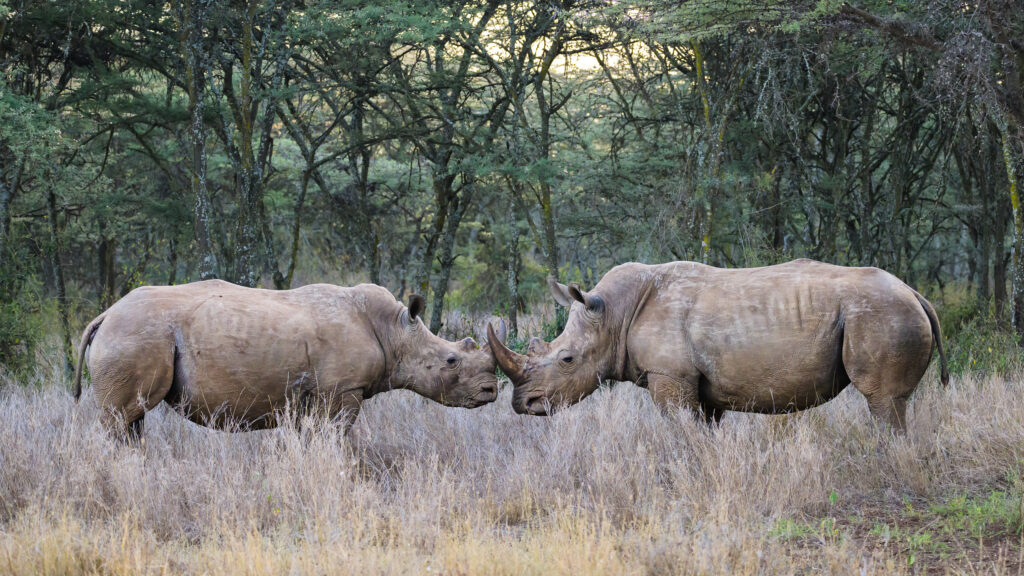

Focus on the eyes
Humans respond instinctively to eye contact with other humans and with animals. By establishing eye contact between the animal and the viewer, you can create a connection, making your photo more engaging.
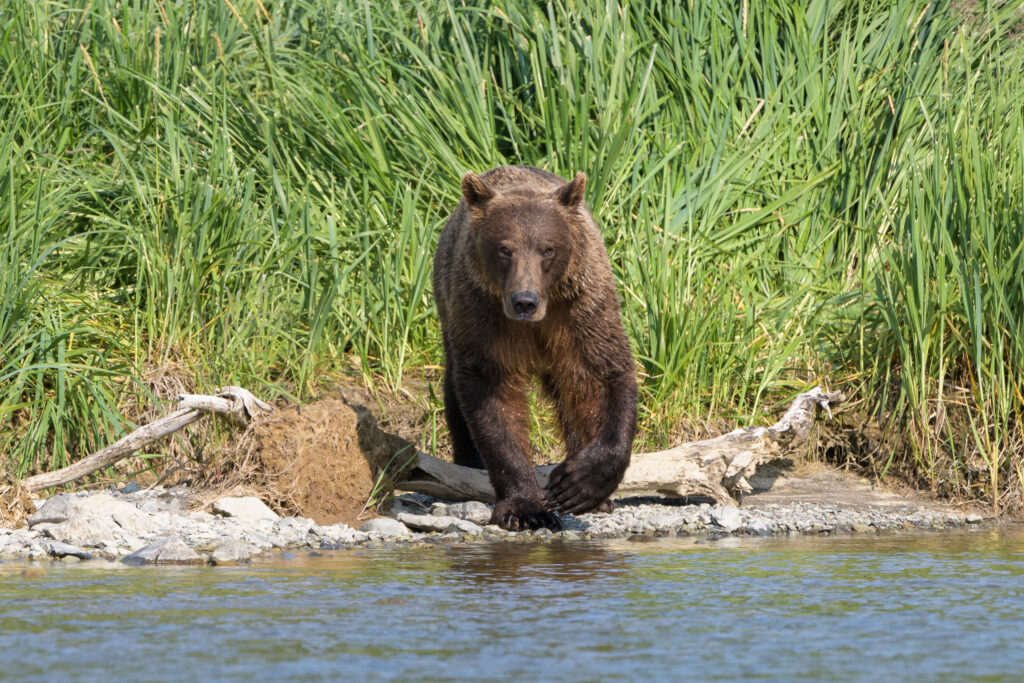
When photographing animals, you may have a sequence of many photos, each with a different appearance of the eyes. A photo with both eyes easily visible is generally more interesting than a photo with one eye visible.


You don’t always need the animal looking at you. Often, a predator is eyeing its prey, or a mother is looking at her offspring. When these types of eye contact are present, try to capture the animal’s gaze and what it is looking at.
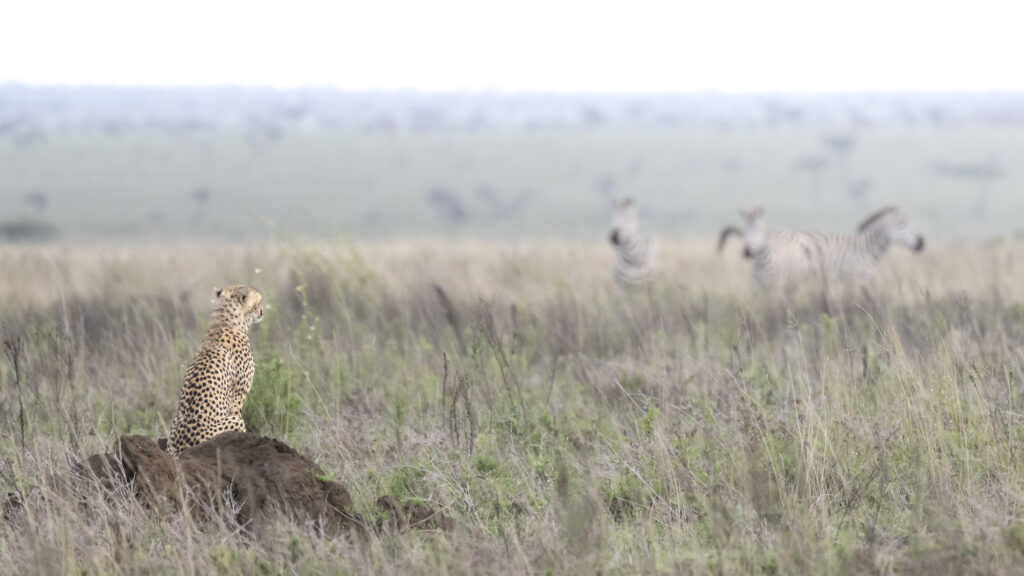
Photograph from eye level
A photographer’s natural tendency is to capture images from a human perspective, often looking down at animals. The most compelling wildlife images happen when you put yourself at the animal’s eye level. You can share the world from the animal’s perspective by getting down to their level. The added benefit is that animals appear larger and more imposing from a lower perspective.

Portrait or environmental image
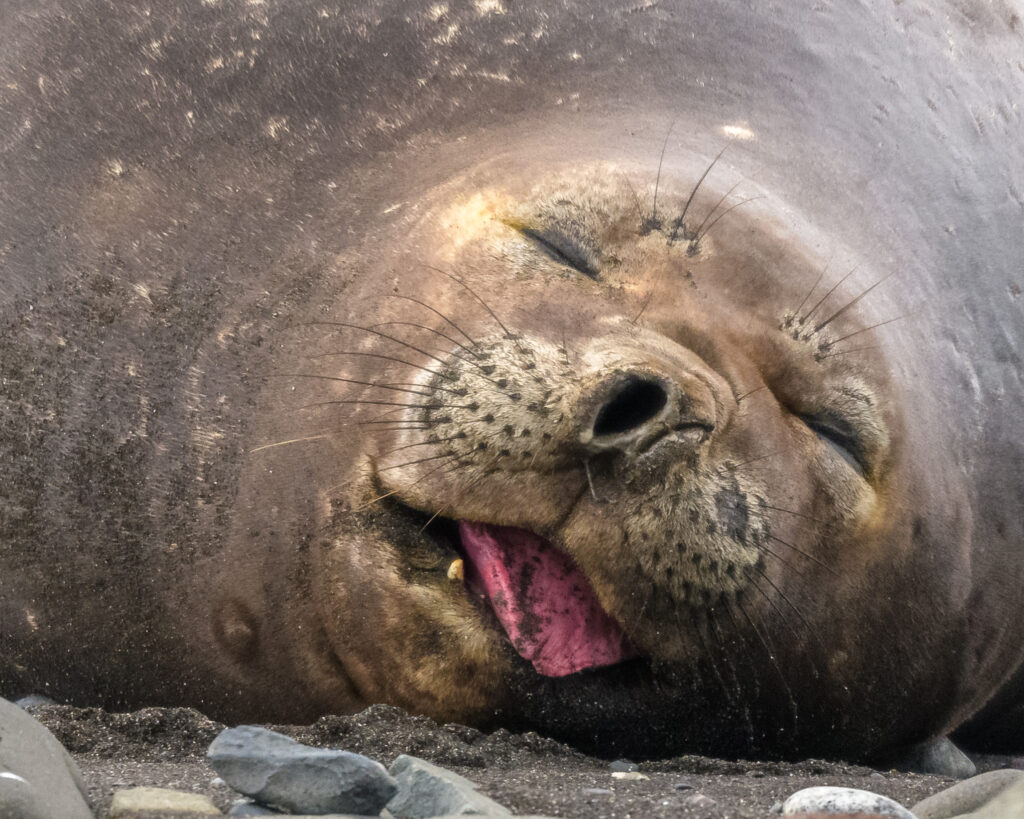
Close-up wildlife portraits can be striking, showing beautiful details in eyes, feathers, and fur that are difficult or impossible to appreciate in person. Close-ups also isolate an animal from a busy, cluttered background. Many wildlife photographers default to close-ups.
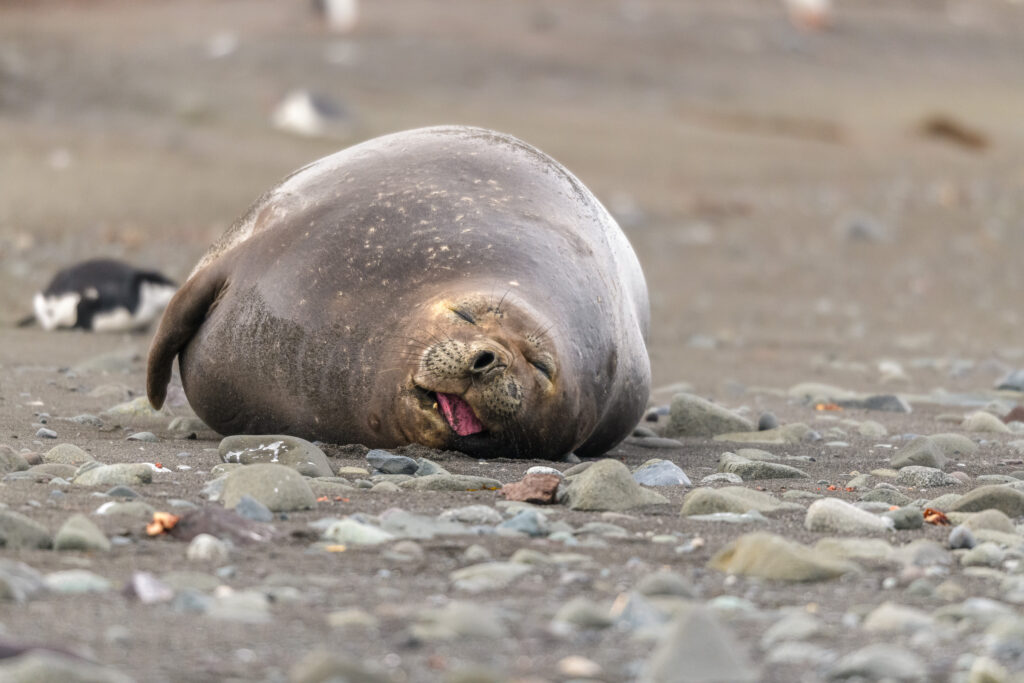
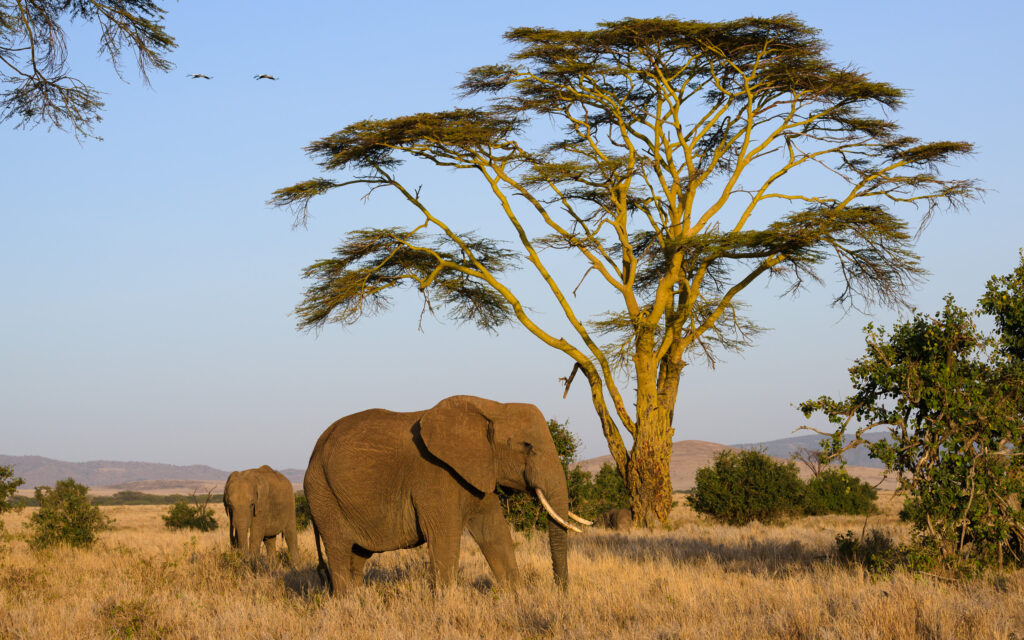
It is also essential to feature animals in their environment. Use the surrounding landscape to indicate where the animals live. These environments can be beautiful, barren, or harsh. By incorporating the surrounding landscape, photographers can tell a more complete story about the animals they photograph.

When incorporating the surrounding landscape into a wildlife photo, the landscape often dictates the composition more than the animal. The photographer’s task is to create a compelling landscape photo and wait for the animal to be in a desirable position in the scene.

Allow space to move
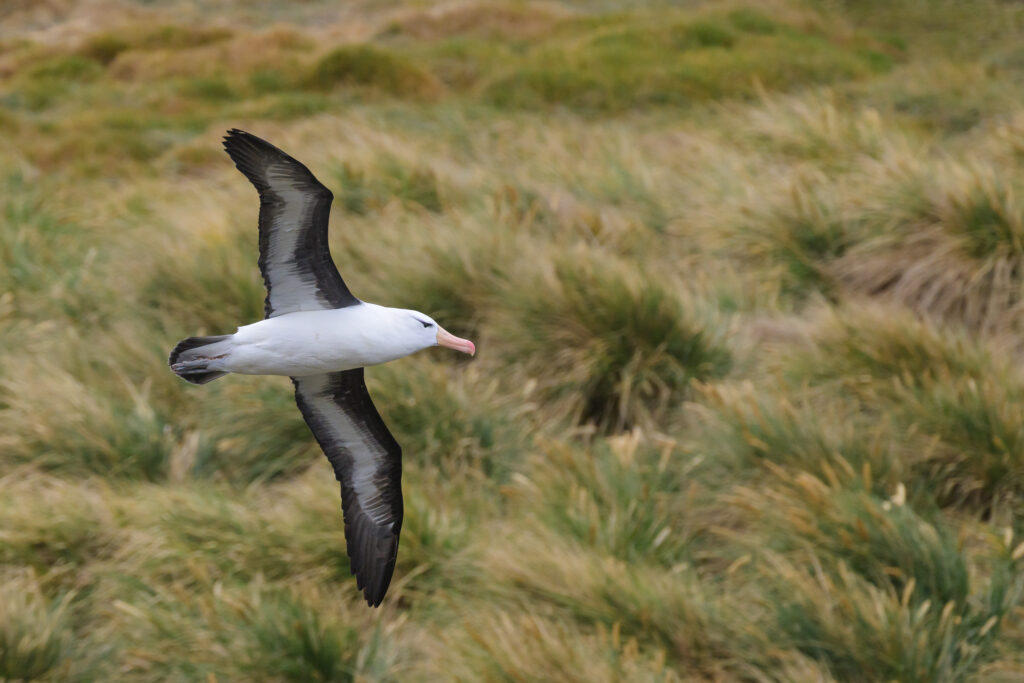
Unlike video, conveying motion in still photography can be challenging. When an animal moves through your frame, allow space for it to move. For example, if the animal moves from left to right, your composition will feel more natural and balanced if there is more space on the right of the image.
Leaving more space prevents an image from feeling cramped or crowded. This space is sometimes referred to as negative space.

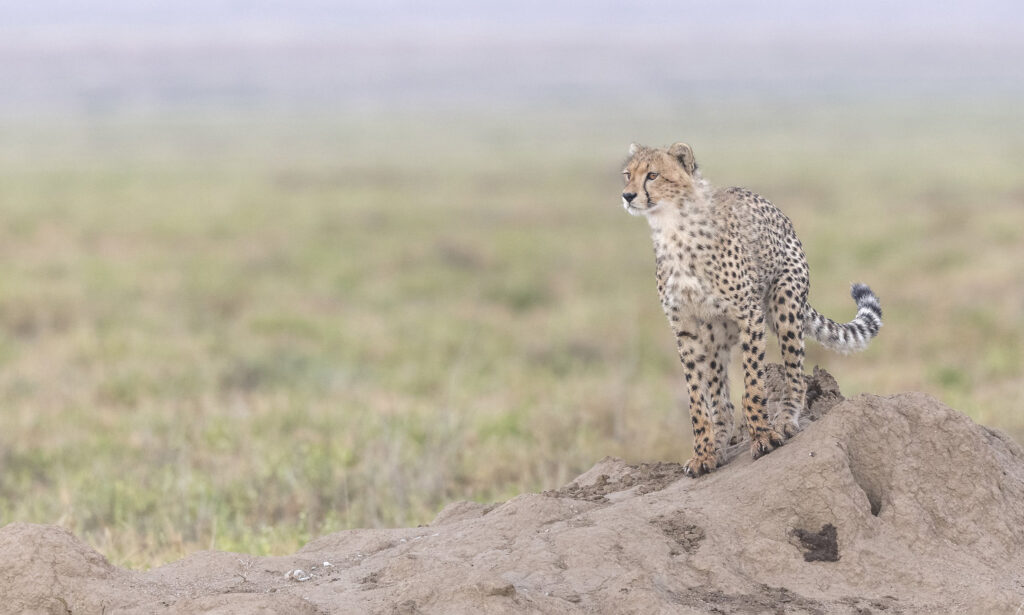
This same concept should be applied to sedentary or resting animals. Even when motionless, animals sometimes gaze in a particular direction or have a body posture that favors one side of the image more than the other.
Rule of thirds
The rule of thirds is a widely used compositional tool in photography and other art forms. It is a “rule of thumb” that discourages placing the subject at the center of the image, leading to more visually engaging images. An image is divided into nine equal parts, with two vertical and two horizontal lines. The subject is aligned with these lines or their intersections.
The rule of thirds is useful and can provide a good guide or starting point when thinking about your final composition. However, it is merely a suggestion, and you should experiment based on the contents of your image.

Try for separation
When photographing groups of animals, the best images are usually those with separation between the animals, not overlap. Since you don’t control the animals’ motion, achieving this requires luck or patience.

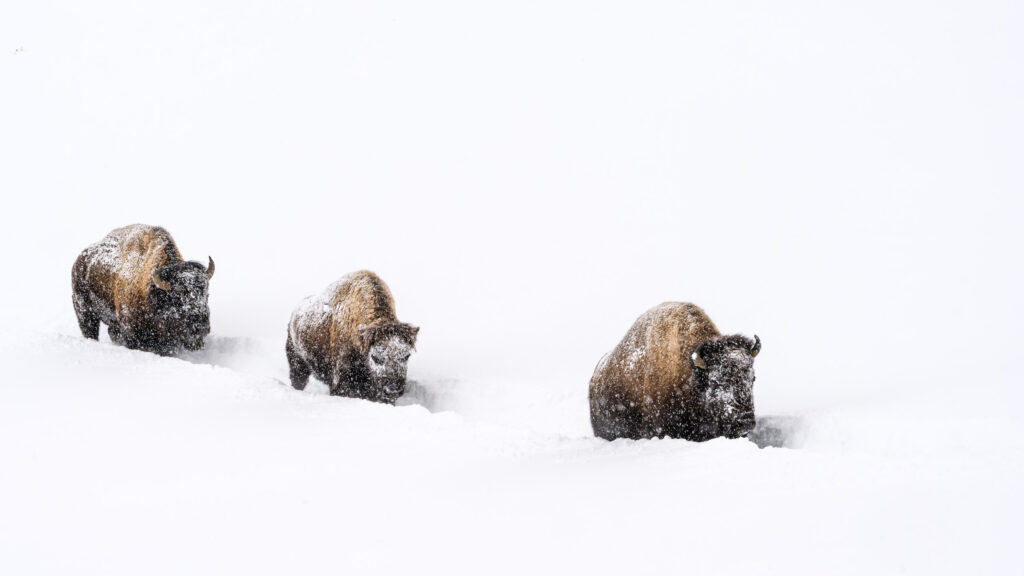
You should also look for separation between an animal’s limbs. When walking, running, or standing still, four-legged animals sometimes appear to have only two or three legs because they overlap during their stride. You can overcome this by capturing a sequence of photos and selecting the image with the clearest separation of their legs.
Pay attention to the background
The background of your image can be just as critical as the animal you are photographing. A background can add context and beauty to an image or help isolate and highlight your subject animal. An ill-chosen background can detract from your subject animal. Unfortunately, compelling wildlife activity can happen with busy or cluttered backgrounds.
When photographing wildlife, you often cannot control the background. You may be restricted to a specific location because you are in a blind or a boat or restricted by terrain or safety concerns.
There are situations where you can improve your background simply by walking to a new location. Sometimes, you can remove an impeding branch or get a better angle to the animal by repositioning yourself.
You can also use the animal’s motion to wait for them to pass in front of the best background.

Use leading lines
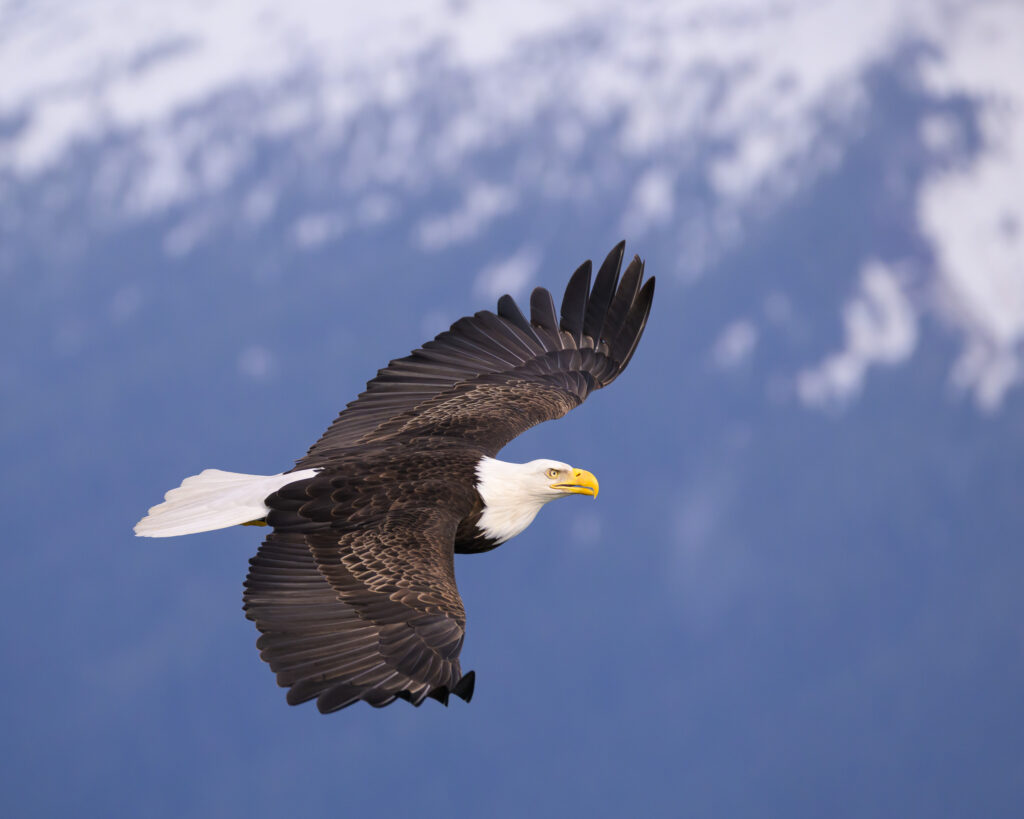
A photographer’s task is to present an image that guides the viewer’s eye, leading it through the frame and landing on the subject. A leading line is one compositional tool for this purpose. Leading lines are natural lines in the picture that could be horizontal, vertical, diagonal, straight, or curved. The viewer’s eye will naturally follow these lines in the image.
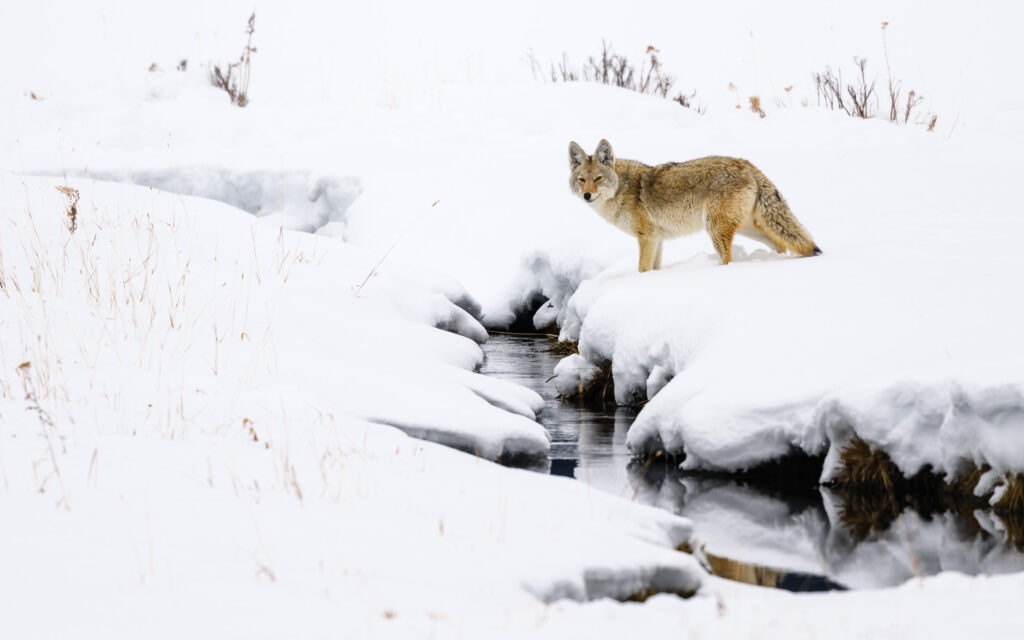
In landscape photography, you can deliberately select and feature leading lines. In wildlife photography, the animal’s position dictates the scene, which may or may not have obvious leading lines. If the scene has compelling leading lines, position the animal relative to them in your frame.

Find symmetry, shapes, and patterns
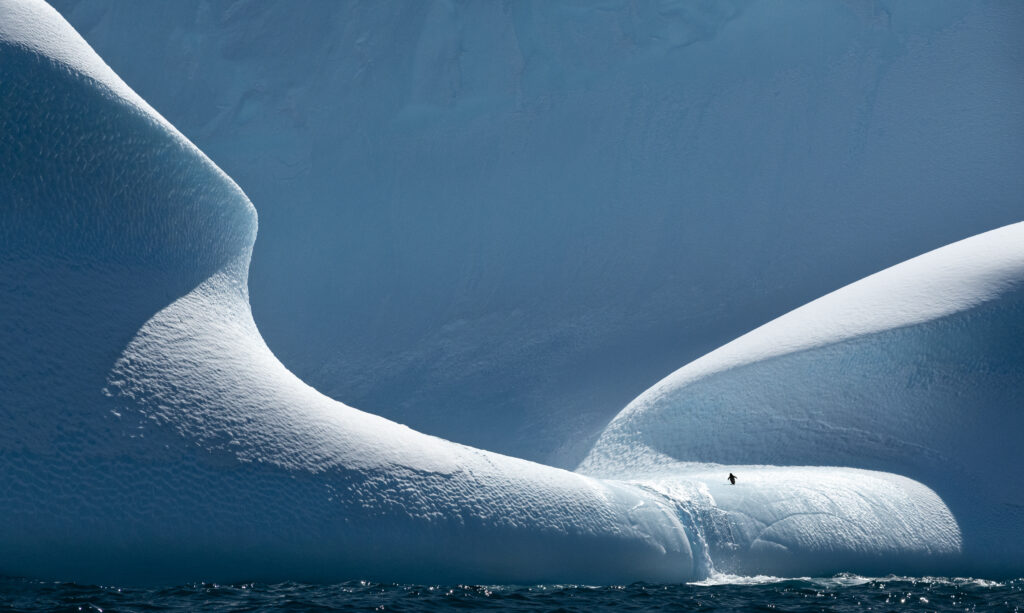
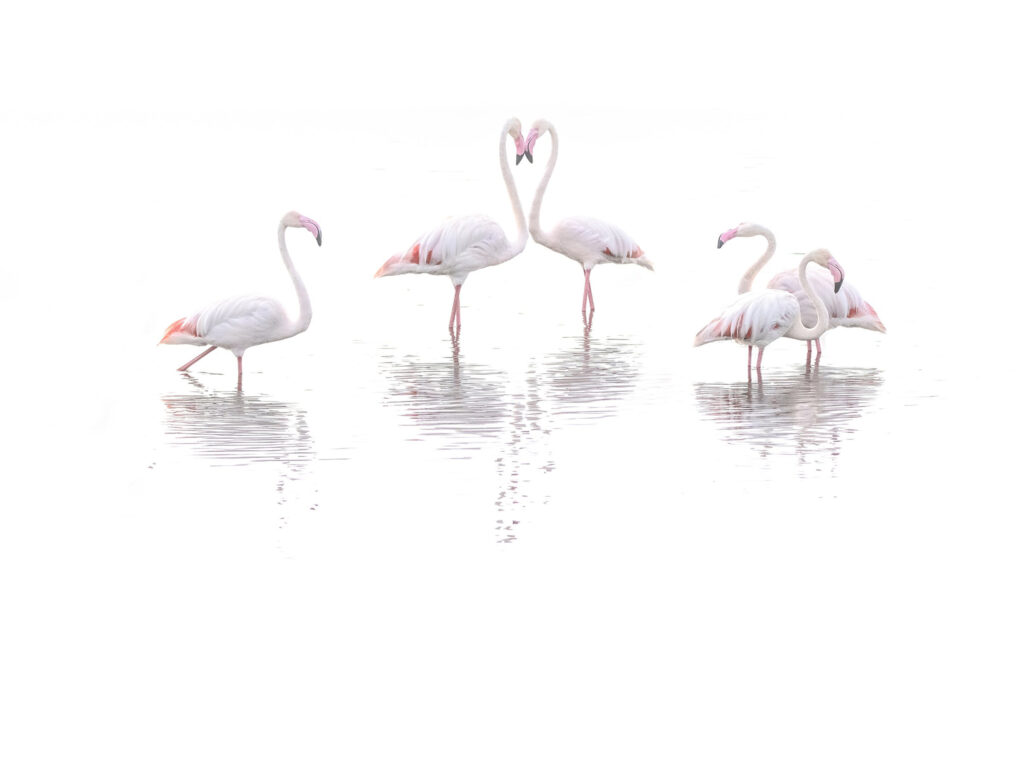
The human mind seeks symmetry and unconsciously groups symmetrical elements. Images with strong symmetry can be more visually pleasing and engaging.
The mind also seeks recognizable shapes and repeating patterns, such as triangles, diamonds, or more complex shapes like hearts.



Avoid unintentional crops
Scan the edges of your frame to ensure you photograph the entire animal. If the edge of a wing, antler, tail, or limb goes outside the frame, it looks like a mistake. During fast action, photograph at a wider angle than you need so you don’t miss any body parts, and crop the image in post-processing.
If the image features only part of an animal, be intentional about where you crop it. Usually, cropping at mid-limb or mid-torso gives the photo a natural feel.

Pay attention to shadows
Animals can cast a strong, distinct shadow under certain lighting conditions. When your subject casts a strong shadow, it becomes an essential part of your subject. Pay attention to shadows when photographing, and keep them in frame.

Use reflections
Like shadows, reflections of an animal in water can make an image far more dramatic. When still water is in the foreground, position yourself to capture reflections. Moving backward, forward, up, and down, even a small amount, can dramatically affect how reflections appear in your composition. Experiment with your position and ensure you don’t accidentally crop off essential parts of the reflection.


Take advantage of natural framing
You can frame animals by using natural elements in a scene. For example, trees, foliage, rocks, or even man-made objects can be subtle or obvious frames that draw the viewer’s attention to your subject.

Break the rules
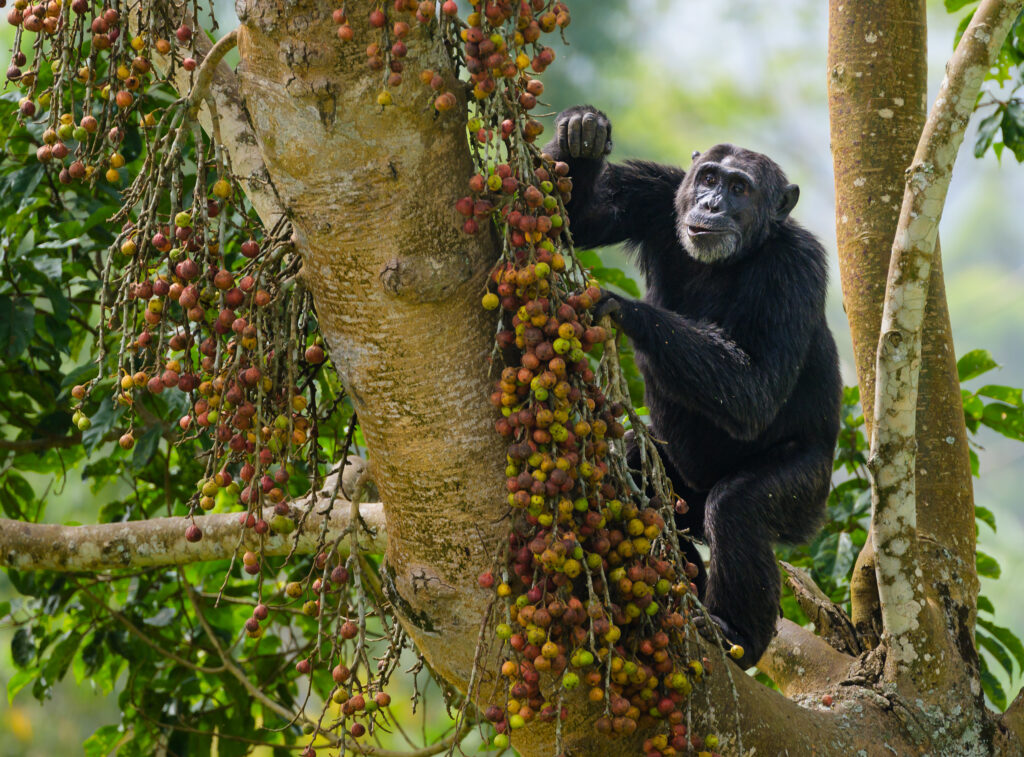
Sometimes, unique scenes don’t fall within these guidelines. Be creative and ignore the rules of composition. Sometimes, you’ll end up with an unusual and striking image.