Paris: The City I Keep Coming Back To
By Kevin Pepper |
I’ve circled the earth many times leading workshops. I’ve stood under stars in empty deserts and watched sunrise hit landscapes that don’t even look real. And still… Paris is the place I return to every year to lead a Paris photography workshop.
Not because it’s quiet. It isn’t. Not because it’s simple. It’s not. I come back because Paris keeps rewarding the photographer who shows up with patience, curiosity, and respect for the craft. Paris doesn’t hand you photos—you earn them, one careful frame at a time.
And here’s the part I love most: it doesn’t matter what kind of photographer you think you are.
If you’re a wildlife shooter who lives for action, Paris teaches you timing—those split-second human moments that feel like a decisive instant. If you’re a landscape photographer, Paris gives you layers, leading lines, and atmosphere in every direction. If portraits are your thing, the city becomes a ready-made set: window light, café glow, elegant backdrops, and faces that carry stories. If you love night skies and long exposures, Paris still delivers—blue hour reflections, glowing bridges, and that classic night light that makes the city feel like it was designed for photographers.
Paris has a way of making people better.
It slows you down. It sharpens your eye for light. It teaches you to wait for the moment instead of chasing it. You start noticing the difference between “pretty” and “powerful.” You begin composing with intention, not habit.
And the result is simple: you leave Paris with photographs you’ll actually want to hang on your wall—not because they prove you were there, but because they feel like you were there.
Two Parises exist—and we only chase one on our Paris Photography Workshop
There’s the Paris most visitors get: crowds, queues, and the same photos taken from the same spot, at the same time, with the same expression.
Then there’s the Paris we build our workshop around: quieter corners, better light, and the kind of scenes that feel like they happened to you, not just in front of you.
That’s what “hidden Paris” really means. Not secret for the sake of secret—just the real city, revealed when you stop rushing.
Why experience matters in a city like this
Paris isn’t a place you conquer in a week. It’s layered. It’s textured. It has moods.
Time here gives you something you can’t Google: instinct. You start to know where the morning light lands. Which streets glow after rain. Which café corner gives you clean backgrounds and honest moments. You stop wandering and start working—in a way that still feels joyful.
And experience has taught me something else that matters in Paris: respecting French privacy laws and the culture around them. It’s not just the right thing to do—it’s how you run a workshop professionally in a city like this.
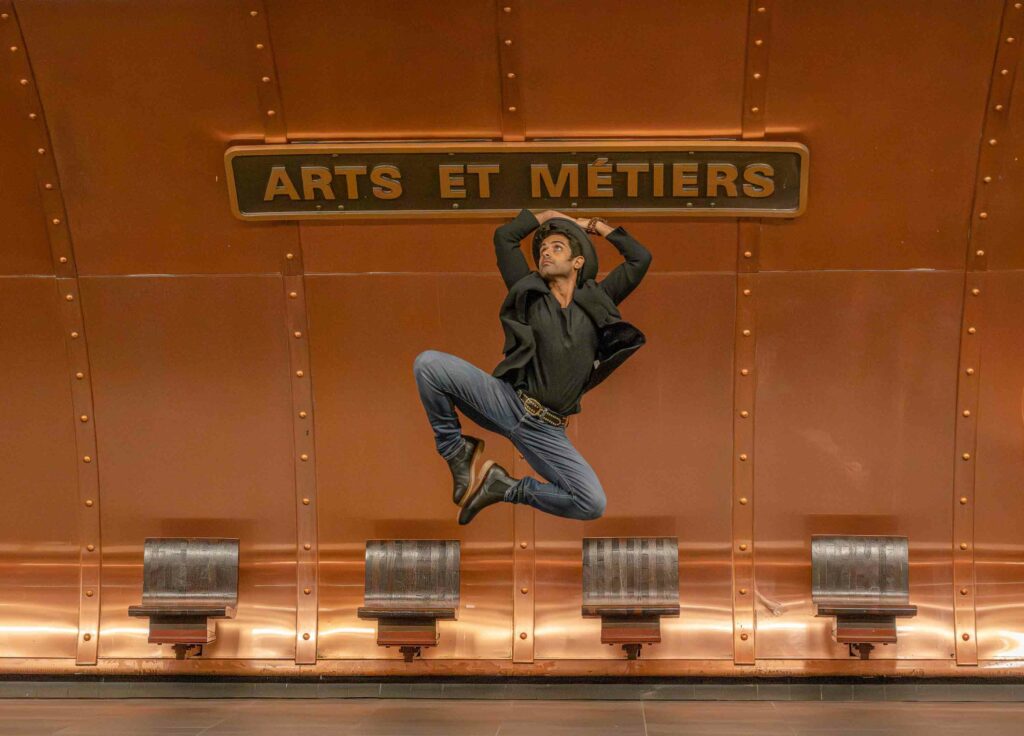
So instead of relying on luck (or putting anyone in an uncomfortable situation), we build opportunities the right way. We hire models and dancers who can perform when we want energy and motion—and who can also blend into the scene in street clothes when we want something quieter and more natural. That means we can place the right subject in the right light, in the right location, at the right time… without forcing anything or crossing lines.
That’s a big reason I keep coming back. Even after all these years, the city still teaches—and the more you learn, the more Paris gives back.
Light is the whole conversation
Paris doesn’t just have beautiful architecture. It has beautiful light on architecture—and that’s what makes the difference.
- Early morning in Montmartre: the city wakes up slowly, shadows stretch, and everything feels softer.
- After rain: reflections turn ordinary sidewalks into stages.
- Blue hour along the Seine: bridges glow, water turns silky, and suddenly your tripod feels like the smartest thing you packed.
- Night details: street lamps, café windows, and that classic Paris glow that makes even a simple frame feel finished.
Paris trains you to stop waiting for the “perfect” moment and start noticing the good ones happening every five steps.

Getting inspired by the masters is almost too easy here
One of the best parts about photographing Paris is that you can feel the history of photography under your feet.
This city has been walked, studied, and photographed by legends—so when you’re out shooting, it’s hard not to get inspired. You’re standing in the same kind of light, in the same kinds of streets, where so many iconic images were born.
Street photography here naturally turns into storytelling—little human scenes stitched together into a bigger narrative. And Paris is basically built for the kind of smart, funny, human moments that photographers like Elliott Erwitt made famous: gestures, timing, irony, romance, small comedy, big feeling.
A couple arguing gently while sharing one umbrella. A perfectly dressed Parisian walking past a bold street poster that says the opposite of what their face is expressing. A dog that somehow steals the scene from everyone else. (Paris has a strong supporting cast. Sometimes it’s the poodle.)
You don’t have to force it. You just have to be ready—watching, waiting, and letting the story come to you.
Hidden Paris is where your best frames live
The best photos here often come when you stop chasing the obvious.
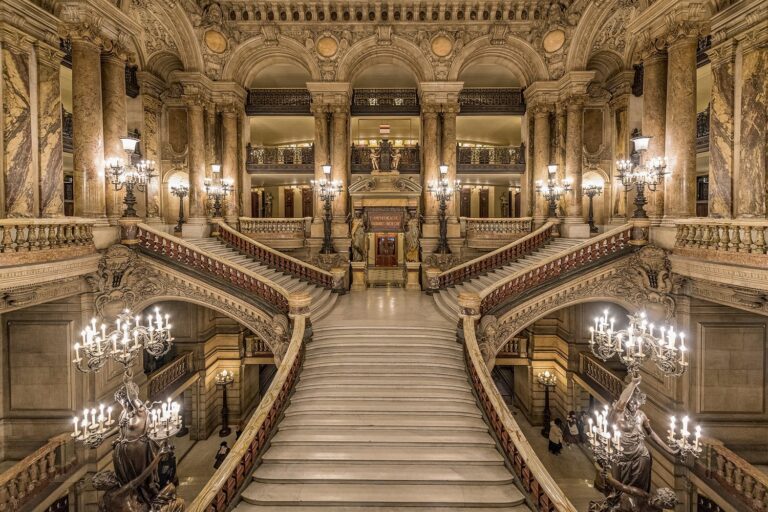
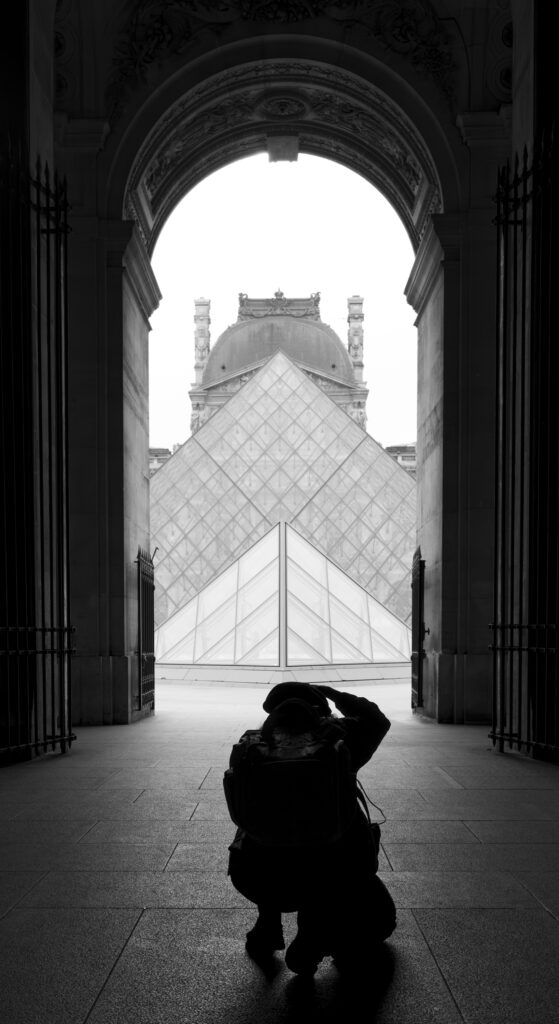
A quiet courtyard with soft light. A passageway that frames a silhouette perfectly. A stairwell with symmetry so clean it feels staged. These aren’t “lesser” scenes. They’re the ones that feel personal—because they’re yours.
That’s why we spend time walking, slowing down, and building photos instead of collecting proof we were here.

People make Paris move—and movement makes photos breathe
Paris isn’t a still-life city. It’s rhythm.
Cyclists, commuters, café life, lovers, tourists, locals who look like they’ve lived in a black-and-white film their whole life. The people are what give the architecture meaning. And once you start anticipating moments instead of reacting to them, your street work jumps a level.
You don’t just get a nice photo. You get a scene.
There is no bad photo stop in Paris
In Namibia, I say there’s no filler stop. Paris is the same—just with more butter.
Every block has something if you’re paying attention:
- leading lines in ironwork and balconies
- reflections in windows and puddles
- layers of foreground and background that build depth instantly
- a single shaft of light that turns a normal corner into a set
Sometimes the best image is the one you didn’t plan for—like your group laughing at a tiny café table while you realize, this is the memory I’ll keep.
Paris rewards curiosity. The city gives back what you bring to it.
Why do I return, even after seeing so much of the world?
Some places impress you once. Paris keeps unfolding.
It’s tradition and texture. Craft and culture. A city where the past is still present—right there in the stone, the streets, the rituals, the pace.
And every time I return, I’m reminded of something simple:
Paris doesn’t just give you photos. It gives you the urge to make better ones.
Join us on a Paris Photography Workshop