Species Spotlight: Anna’s Hummingbird
By Kevin Pepper |
Introduction of the Species
In a world of fleeting wings and morning light, the Anna’s Hummingbird is a flash of brilliance that seems too magical to be real. With a throat that lights up like a jewel and a bold personality to match, this west coast native isn’t shy. In fact, it just might be the hummingbird that poses for your lens.
Physical Description of the Anna’s Hummingbird
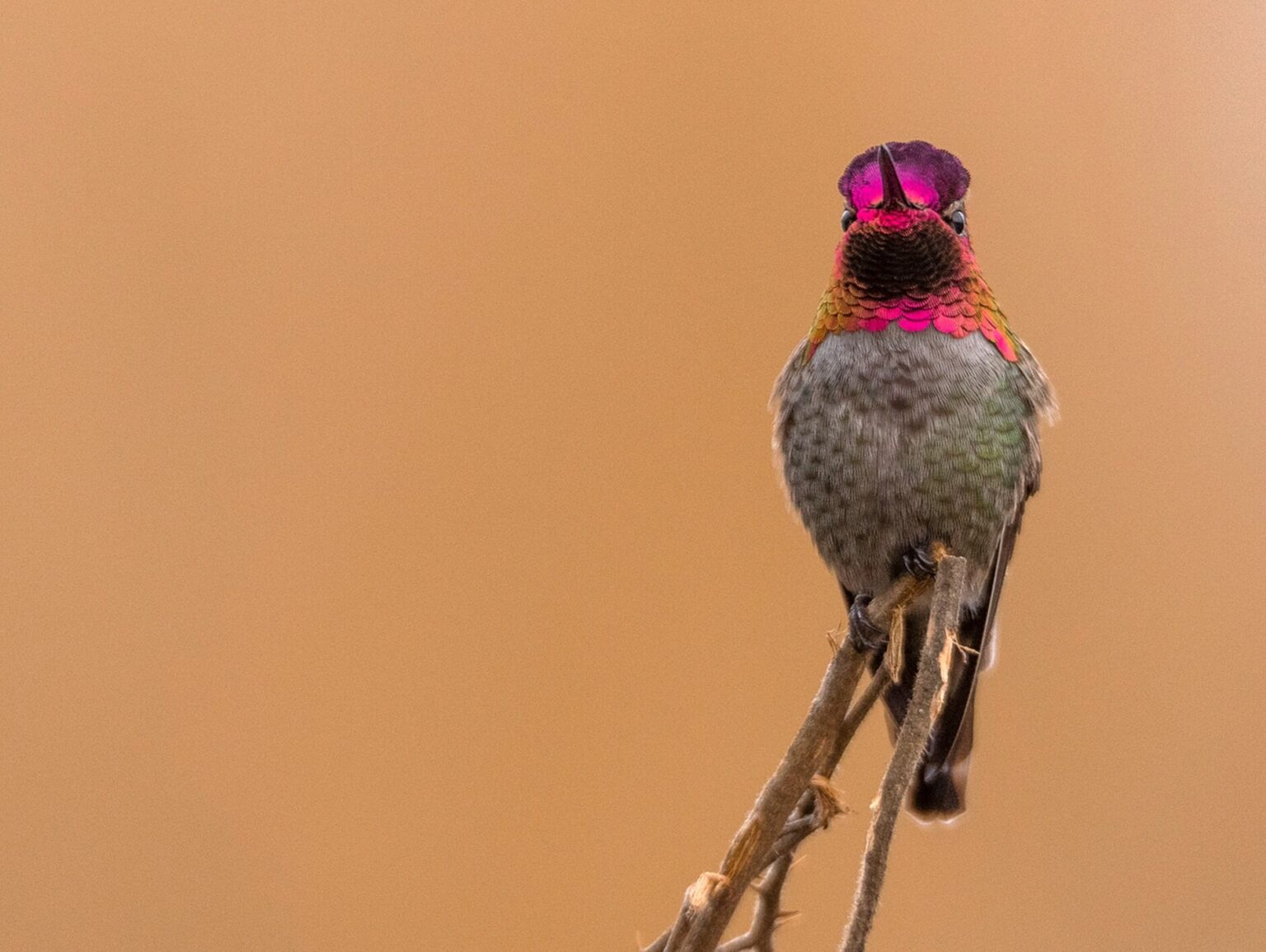
Anna’s Hummingbirds (Calypte anna) are medium-sized by hummingbird standards, about 4 inches long, with iridescent green bodies and grayish underparts. But it’s the gorget—the throat feathers—that steals the show. Males display a shimmering rose-pink or red head and throat that can appear black, purple, or electric magenta depending on the light.
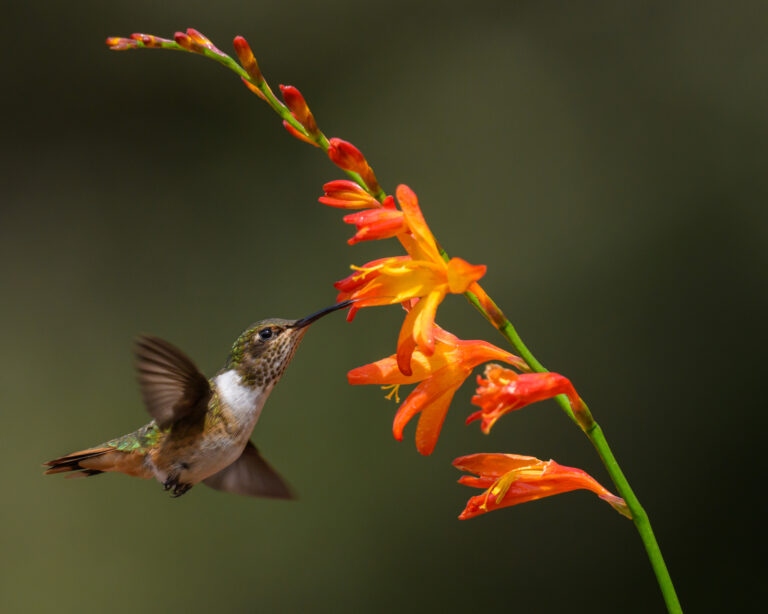
Females lack the full face mask but show a splash of red on the throat. Their wings beat at up to 50 times per second, and their flight agility allows them to hover, dive, and even fly backward.
Physical Variations Amongst the Species
While there’s not much regional variation, individual birds can appear dramatically different depending on light angle and condition. This makes them one of the most dynamic and rewarding hummingbirds to photograph. A slight change in angle and—click—you go from dull gray to firework display.
Native Habitat Around the World
Anna’s Hummingbirds are native to the western coast of North America, ranging from southern Alaska down to Baja California. They’re most commonly found in:
- Coastal California
- Oregon
- Washington
- British Columbia
- Arizona and the Southwest
They’ve adapted to urban settings remarkably well and are often seen in parks, gardens, and backyards—perching on bare twigs or patrolling feeders like tiny sentinels.
Who Preys on the Anna’s Hummingbird
Predators include praying mantises, orb-weaving spiders, small hawks, and even domestic cats. Nestlings and eggs may fall prey to jays, snakes, and squirrels. Despite their size, Anna’s are feisty—they’ve been seen chasing off much larger birds and holding territory like they own the block.
Food/Eating Habits of the Anna’s Hummingbird
Anna’s Hummingbirds feed primarily on nectar from flowering plants, supplemented by insects and spiders for protein. They visit both native flowers and garden feeders filled with sugar water (never dyed).
Their feeding behavior is fast, aggressive, and frequent—making them ideal subjects for high-speed photography and behavioral shots. Capture them mid-hover or catching sunlight just right, and you’ll see why they’re favorites of bird photographers.
Known Lifespan
In the wild, Anna’s Hummingbirds typically live 5–8 years, though some banded individuals have reached 10+ years. For such high-energy birds, they live surprisingly long lives—especially when food and habitat are consistent.
Join Us on a Wildlife Workshop
We photograph Anna’s Hummingbirds on our photo workshops along the Pacific coast, especially in California and British Columbia where their activity peaks during late winter and spring. These sessions are a mix of patience and preparation—we’ll help you dial in fast shutter speeds, track tiny flight paths, and work with morning or backlight to capture iridescence at its best.
Whether you’re shooting a perched portrait or a hovering blur with flared tail feathers, these hummingbirds deliver color, challenge, and satisfaction in equal measure.