The Skills That Shape a Wildlife Photographer: What You’ll Learn on Our Bird and Wildlife Workshops
By Kevin Pepper |
On every wildlife photo workshop we run, the goal is simple:
you learn more, you come home with better photos, and you never feel like you’re just there to pad the instructor’s portfolio.
Across our wildlife and bird photo workshops, the teaching is built around real, practical techniques you can use anywhere. Whether you’re working with bears, penguins, whales, or songbirds—the methods are the same.
This post pulls back the curtain on what we actually teach, and how we help you grow as a wildlife photographer in the field, not just stand next to us while we shoot.
Understanding Behavior: The Foundation of Wildlife Photography
We start with behavior, not buttons.
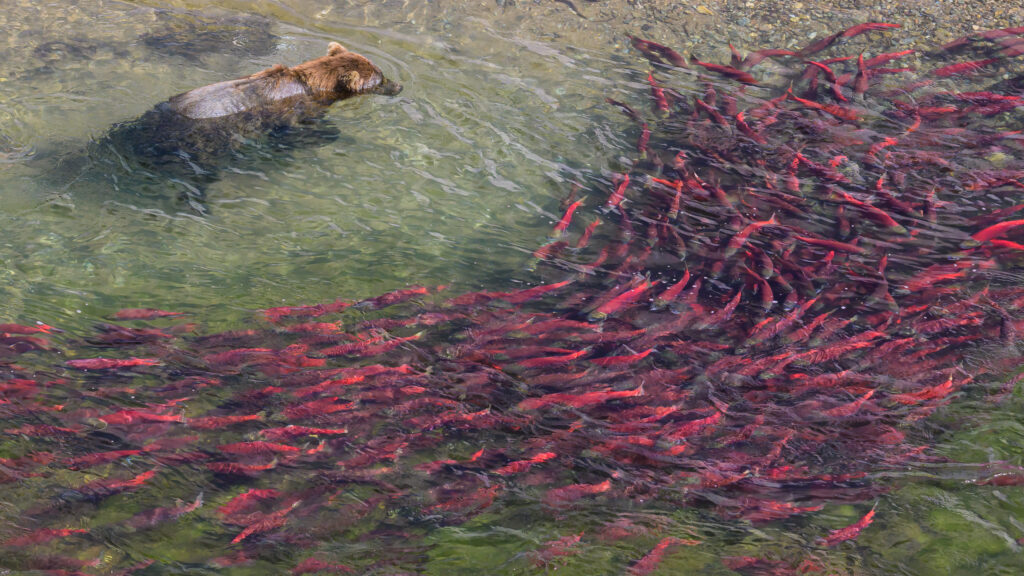
If you don’t understand what the animal is likely to do next, you end up reacting late and missing the moment. So on every workshop, we spend time teaching:
- Reading body language
How to spot pre-takeoff tension in birds, pre-charge stance in bears, or the telltale signs that a predator is about to move. - Anticipating patterns
Flight paths, repeated perches, hunting loops, drinking routines—all of this helps you pre-position and pre-focus before the action. - Building “shot lists” around behavior
Instead of just “get a photo of a bird,” we talk through specific behavior-based shots: takeoff, landing, hover, prey capture, interaction, portrait, habitat context. - Knowing when not to shoot
Recognizing stress, keeping distance, and respecting the animal always comes first. Good ethics are part of the technique.
Once you think like a wildlife photographer—not just a person with a long lens—your keeper rate jumps.
Mastering Focus and Autofocus for Moving Subjects
Most missed shots aren’t because of “bad luck.” They’re about missed focus.
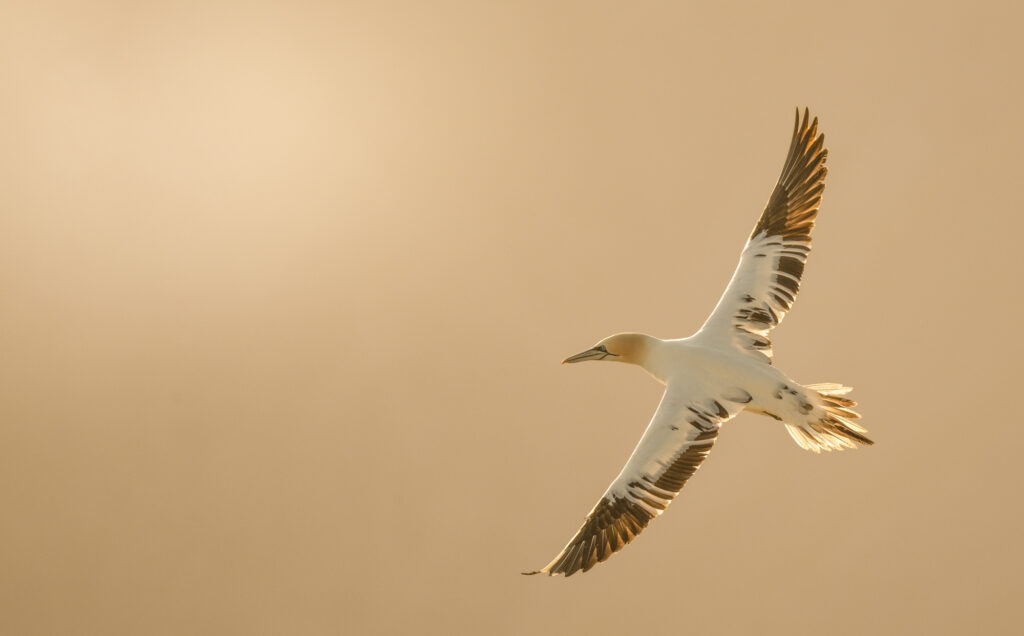
We go deep on autofocus technique—because that’s what lets you nail sharp photos of a running fox, a diving bird, or a bear shaking water off its coat.
We work on:
- AF mode selection
When to use single-point AF, zone, or full subject tracking depending on the situation. - Back-button focus
Why separating focus from the shutter can transform your consistency, especially with erratic subjects like birds in flight. - Custom AF settings
Adjusting tracking sensitivity, subject recognition, and switch speed—especially helpful in busy scenes. - Pre-focusing and trap focusing
Setting focus where you know the animal will cross and waiting for the right moment.
We do this in the field, reviewing your results and tweaking until it clicks.

Getting Exposure Right in Tough Conditions
Wildlife lives in harsh, contrasty, often unpredictable light. Perfect.
On our workshops we’re constantly dealing with:
- Bright snow or ice
- Pale sand and dark animals
- Deep forest shadows
- Backlit water or fog
That’s not a bug—it’s the classroom.
We teach:
- How to expose for white and black subjects
Preventing blown-out whites or blocked shadows. - Using exposure compensation with intent
Understanding why to dial in +1 for snow, -1 for backlit silhouettes, or other adjustments. - Reading the histogram, not just the LCD
Especially when the screen lies to you in bright or dark environments. - Using manual exposure for consistency
Once the light is stable, lock it in so the camera isn’t adjusting your results from frame to frame while the action is happening.
You don’t just “hope” the exposure is right—you take control of it.
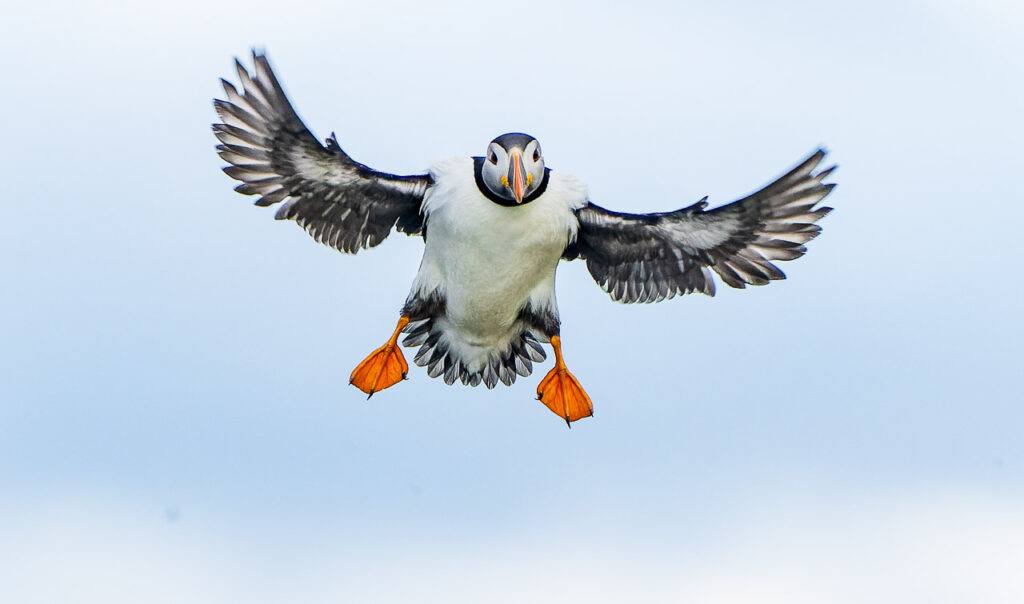
Birds in Flight: Technique, Timing, and Muscle Memory
Bird-work isn’t about luck or magical camera bodies. It’s about repetition and good technique.
We teach:
- Stable body position and panning
Foot stance, body rotation, elbow position—it all matters for smooth tracking. - Appropriate shutter speeds
Fast enough to freeze wings when you want sharp detail, slower when you want motion blur. - Selecting clean backgrounds
Moving a few degrees to separate the bird from a messy background onto clean sky, water, or distant hills. - Timing the peak moment
Wings up vs wings down, eye contact, banked turns, visible topside of wings—little things that elevate a frame.
We’re not standing beside you shooting the best angles for ourselves—we stand with you and help you get the shot.

Composing Strong Wildlife Images (Not Just “Record Shots”)
Anyone can point a long lens at an animal and click. The difference is in the composition.
We talk about:
- Background discipline
How to shift your position to remove distractions behind heads or bodies. - Environmental vs tight portraits
Deciding when to show the habitat and when to go in tight for detail. - Using lines, curves, and layers
Natural elements that guide the viewer’s eye toward the subject. - Working with groups and chaos
Herds, colonies, mixed species—the goal is to find order and story in the mess.
We review your images each day and suggest specific changes for the next session.
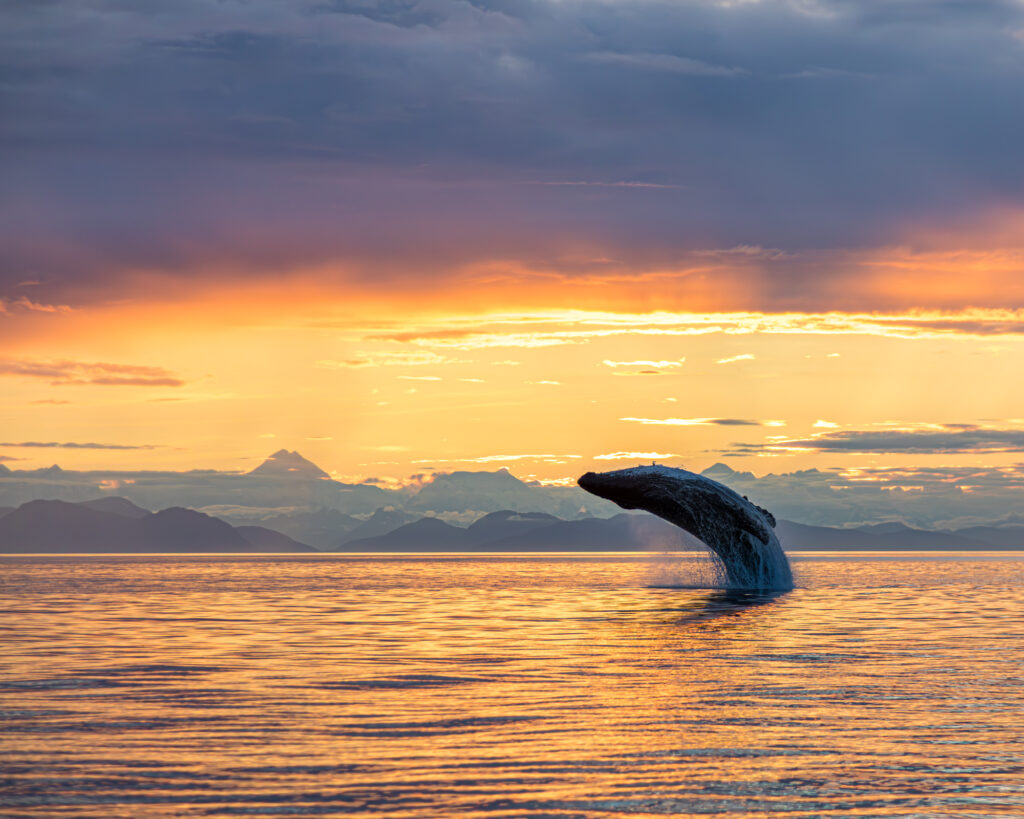
Storytelling and Sequences
Good wildlife photography isn’t just “single hero shots.” It’s sequences that tell a story.
We teach you how to:
- Build narrative across multiple frames
Establishing shot → action shot → detail shot. - Shoot behavior as a mini-story
From approach to action to aftermath. - Think in “before, during, after”
Not just the peak moment, but what leads into it and what follows. - Use light and weather as part of the story
Snow, rain, fog, sunrise, big clouds—they all matter.
The goal is that your gallery feels like a story, not a random collection of animals.
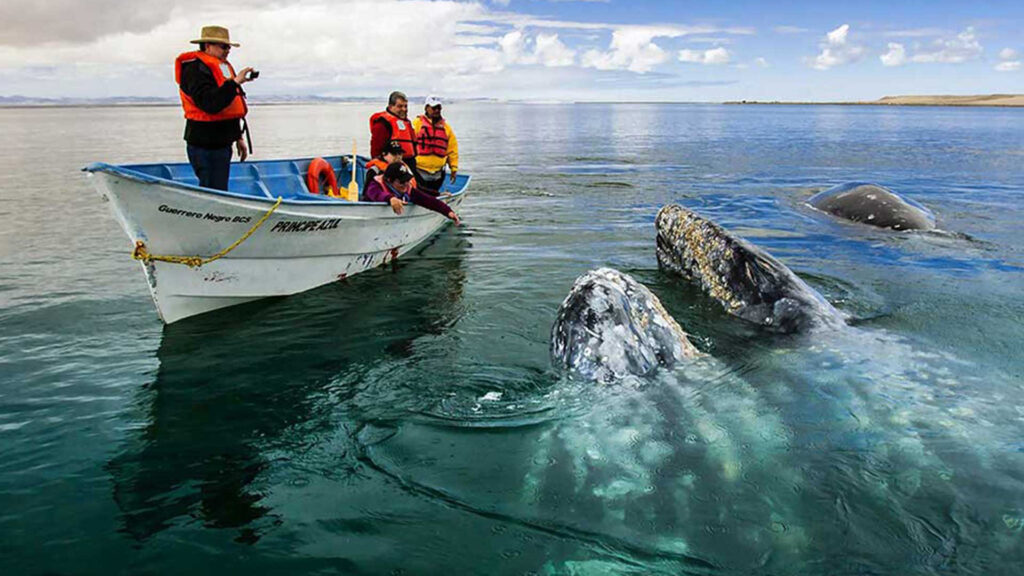
Using Different Platforms Safely and Effectively
Whether we’re on foot, in a hide, on a boat, or a vehicle, each platform has its own demands.
We teach:
- Shooting from vehicles
Bracing techniques, supporting long lenses, shooting through or over windows, working quickly when the guide moves. - Boat-based photography
Dealing with motion, choosing shutter speeds, anticipating surfacing whales or diving birds, handling gear in wet conditions. - Hide etiquette and strategy
Where to sit, how to move quietly, predicting animal movement, setting up tripods without disturbing the scene. - On-foot safety and awareness
Watching wildlife and terrain at once, understanding the environment, and shooting respectfully around sensitive species or nesting areas.
You don’t just learn how to shoot—you learn how to operate like a thinking, safe, and respectful wildlife photographer.
Fieldcraft: Being Ready Before the Moment Happens
Most outstanding wildlife photos are decided 10 minutes before the shutter clicks.
We teach:
- Pre-dialed settings
Starting each session with sensible baseline settings. - Lens choice strategy
When to use a 100–400mm zoom vs a 500/600mm prime, and why. - Working a scene properly
Staying with an opportunity, adjusting your angle, varying orientation, and not abandoning too quickly. - Patience and rhythm
Waiting, observing, and reacting when the moment comes.
This is classic photography: craft that never goes out of style.

Bird Photography: Detail, Behavior, and Beauty in Small Packages
For our bird-focused workshops, we go deeply into bird-specific technique:
- Clean perch and background selection
Moving a few feet left or right to isolate the bird and simplify the background. - Perch anticipation
Learning where birds like to land, pre-focusing and pre-composing so you’re ready. - Shooting in low light
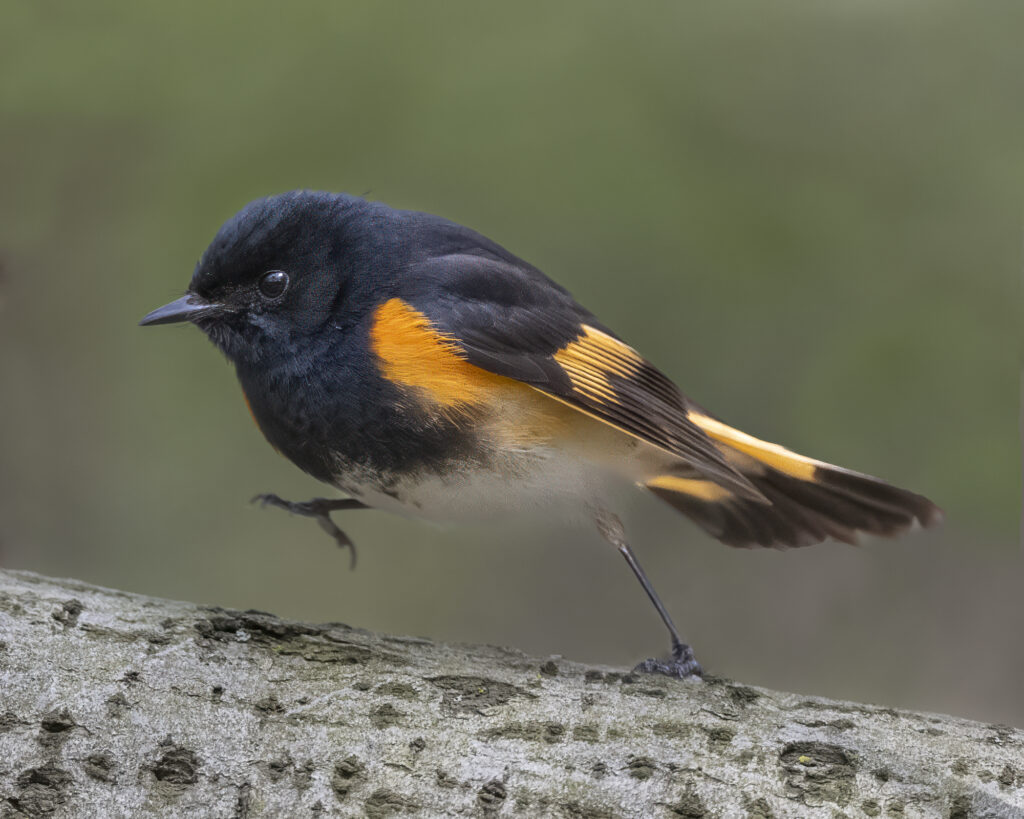
Early-morning forest, foggy coasts, or holiday songbird stops—balancing ISO, shutter speed, and noise. - Small subject, big impact
Using composition, color contrast, and negative space to elevate small birds to subject status.
We don’t just say “there’s a bird—shoot it.” We walk you through why that shot works—and how you can make it better.
In-Field Coaching, Image Reviews, and Post-Processing
Learning doesn’t stop out in the field.
We provide:
- Real-time coaching
Standing beside you, watching your approach, helping adjust before the moment is gone. - Regular image reviews
Your shots on screen, feedback given, actionable suggestions for improvement. - Post-processing basics
Workflow for wildlife and birds: culling, exposure adjustments, color balance, noise control, cropping, sharpening. - Personalized feedback based on your goal
You’re not there to impress our portfolio—you’re there to grow your own.
We want you to leave with more skills—not just a memory card of “almost” images.
It’s About Your Photos, Not Ours
Here’s the guiding principle of every bird or wildlife photography workshop we offer:
Your image comes first.
We’re not on a personal photo safari with a few passengers. We’re there to help you:
- Understand behavior
- Master focus and exposure
- Compose stronger images
- Tell better stories
- Become more confident in the field
If you come with curiosity and a desire to learn, you’ll leave with stronger vision, better pictures, and more confidence.
You won’t just see wildlife and birds—you’ll photograph them.
See our wildlife and bird photo workshops to find your next adventure.