What We Teach on Our Namibia Photo Workshops
By Kevin Pepper |
A photographer’s deep dive into technique, curiosity, and the kind of adventure that lingers long after the dust shakes out of your boots.
Namibia isn’t just a destination—it’s a playground for photographers who love big skies, wild places, and the feeling of standing somewhere that looks untouched by time. Every workshop we run here is designed to sharpen skills, push creativity, and give you the confidence to make images you once thought were out of reach.
Below is a detailed look at the core techniques we teach on our Namibia photo workshops, location by location, skill by skill. If you’ve ever dreamed of taking your photography further, Namibia is the classroom you’ve been waiting for.
Night Sky Mastery
Spitzkoppe & Quiver Tree Forest
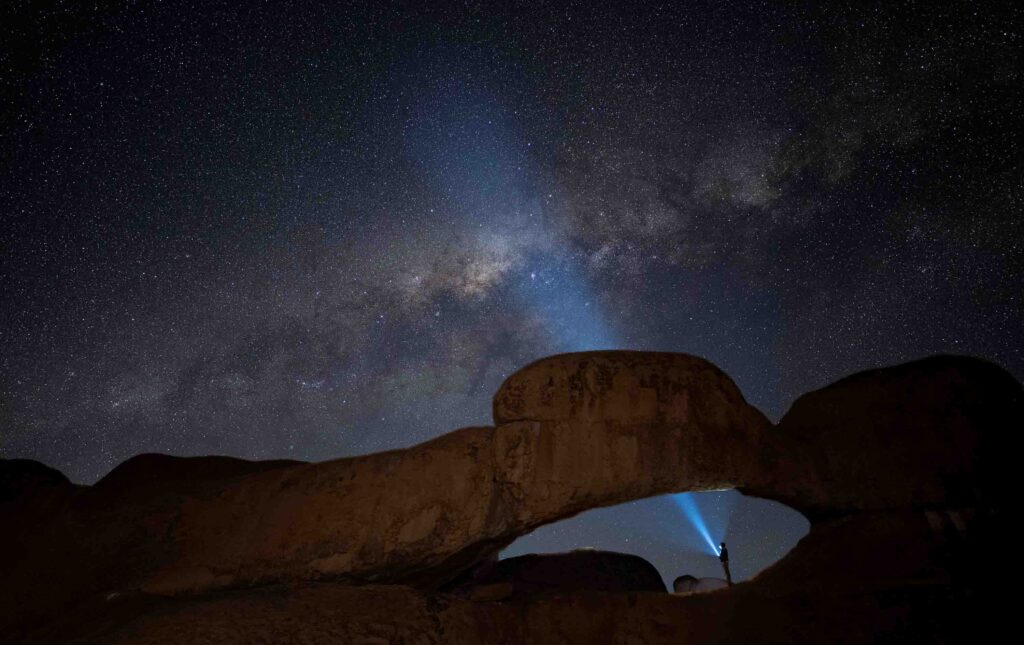
Namibia’s night skies are the kind of thing that make astrophotographers emotional—don’t worry, we won’t tell. Out in the desert, the Milky Way isn’t something you search for. It’s something that spills across the sky like a river of light.
Here’s what we teach:
● Milky Way Composition
How to read the sky, plan foregrounds, use natural arches at Spitzkoppe, and arrange quiver trees for balance, symmetry, or leading lines.
● Manual Focusing in the Dark
No autofocus here. You’ll learn precision focusing using magnified live view, star spikes, and hyperfocal distance charts.
● Exposure Building Blocks
Shutter speeds to avoid star trails, aperture choices for max light, ISO strategies that won’t turn the night into a grainy soup.
● Star Trails & Time Blending
From long exposures to stacked frames, we teach you how to turn the desert’s silence into circular, sweeping motion in the sky.
● Light Painting & Low-Level Lighting
Subtle illumination of the rock formations and trees so your foreground sings without overpowering the starlight.
Wildlife Photography
Etosha National Park, NamibRand Reserve & Ongava Private Reserve
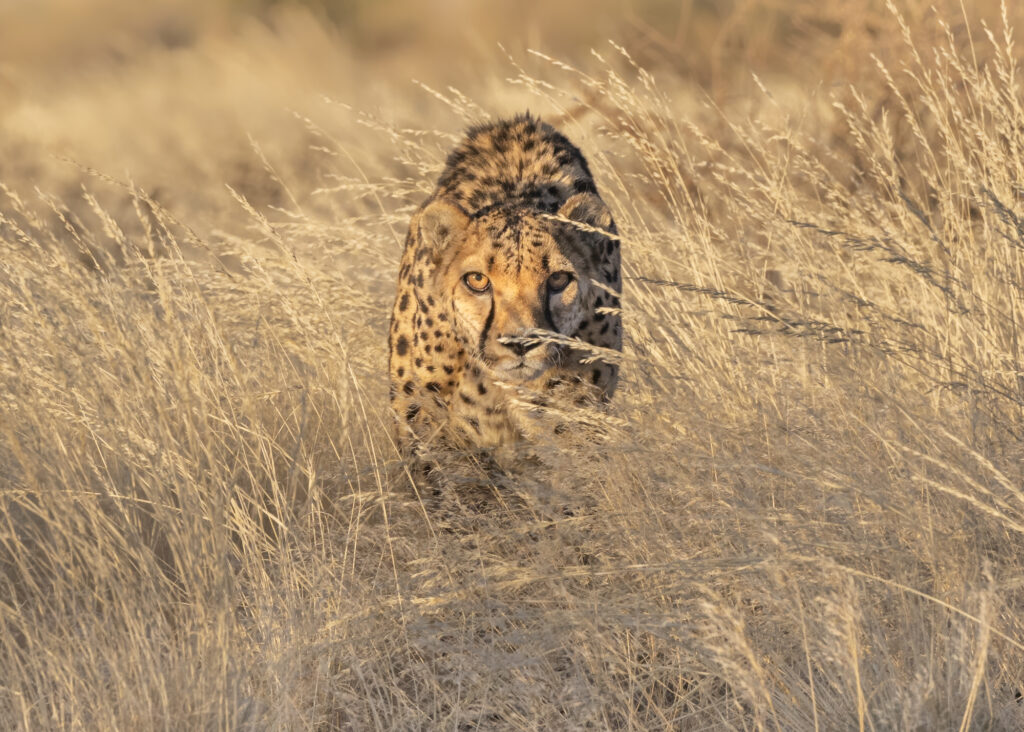
If you want to level up your wildlife photography, Namibia spoils you. Big cats, elephants, black rhinos, zebras, oryx, giraffes—wildlife here lives in open landscapes that reward patience and strong technique.
We teach:
● Behavior-Based Shooting
How to predict movement, anticipate interactions, and position yourself for moments that tell real stories—not just snapshots.
● Fast-Action Autofocus
AI Servo/AF-C tracking, back-button focus, limiter ranges, and custom AF setups for cheetah chases or black rhinos on the move.
● Working with Harsh Desert Light
How to use contrast to your advantage, expose correctly against bright sand or dark backgrounds, and avoid blown highlights on pale fur.
● Framing Wildlife in Open Space
Composing images that emphasize Namibia’s clean horizons, dust, atmosphere, and scale.
● Low Light Waterhole Shooting
Long-lens stabilization, silent patience (sometimes the hardest technique), and how to expose for twilight moments with rhinos and elephants.
● Ethical and Respectful Wildlife Practices
Because great photos never come at the expense of the animals.
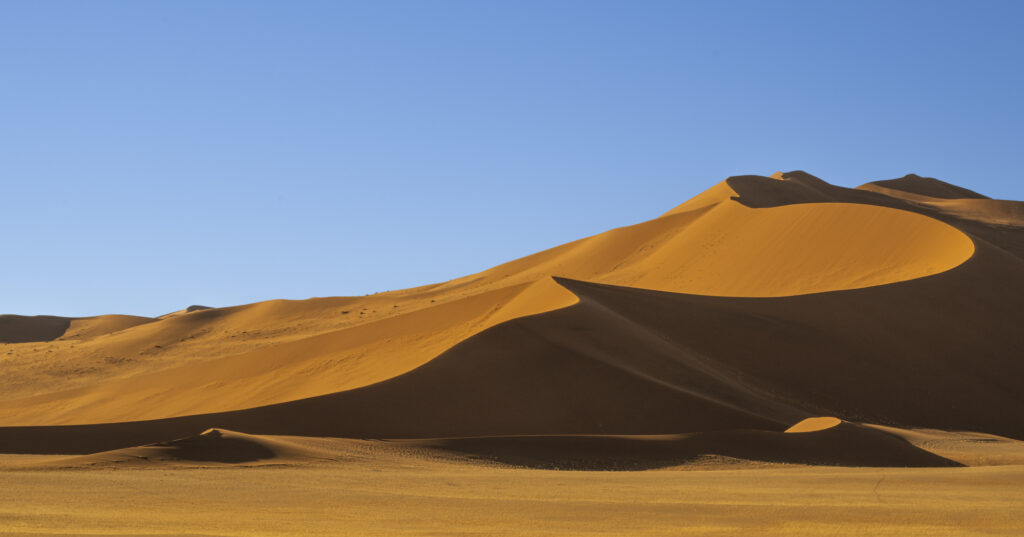
Landscape Photography
Sossusvlei, Deadvlei & Sandwich Harbour
Namibia’s landscapes are bold, graphic, simple, and dramatic—the kind of scenery that looks designed by a sculptor with a fondness for clean lines.
We teach:
● The Power of Simplicity
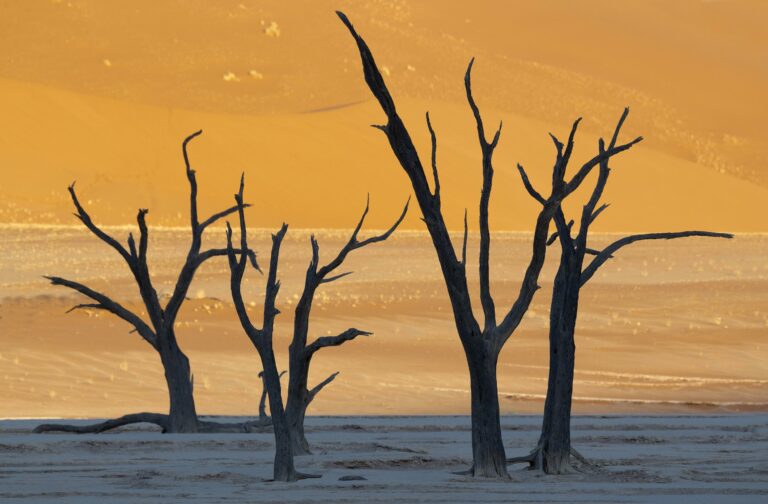
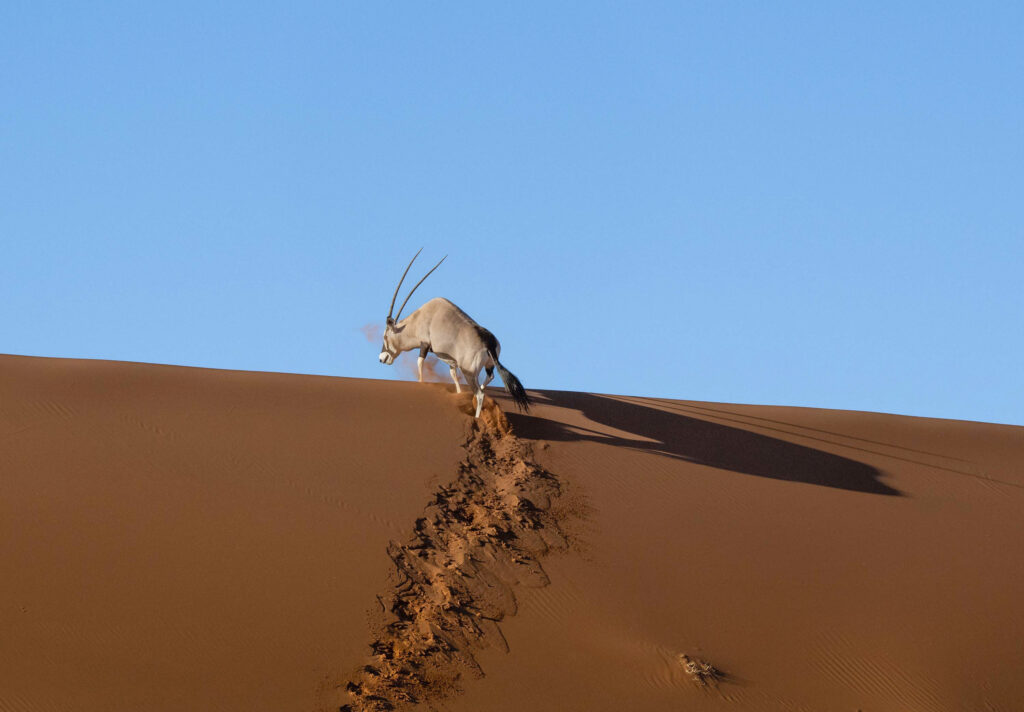
How Namibia rewards minimalism—isolating trees, dunes, salt flats, and long shadows to create strong, uncluttered compositions.
● Golden Hour Slopes & Shadows
Reading the dunes like a topographic map: how texture, contour, and shadow work together in early morning light.
● Using Telephoto Lenses for Landscapes
Compressing layers of dunes, pulling far shapes closer, and using haze and atmosphere to add depth.
● Understanding Desert Color Theory
Soft pinks at sunrise, deep oranges at sunset, cool blue shadows, and how to balance them in-camera.
● Leading Lines in the Sand
We teach how to use dune ridges, wind patterns, and cracked earth to guide the viewer’s eye.
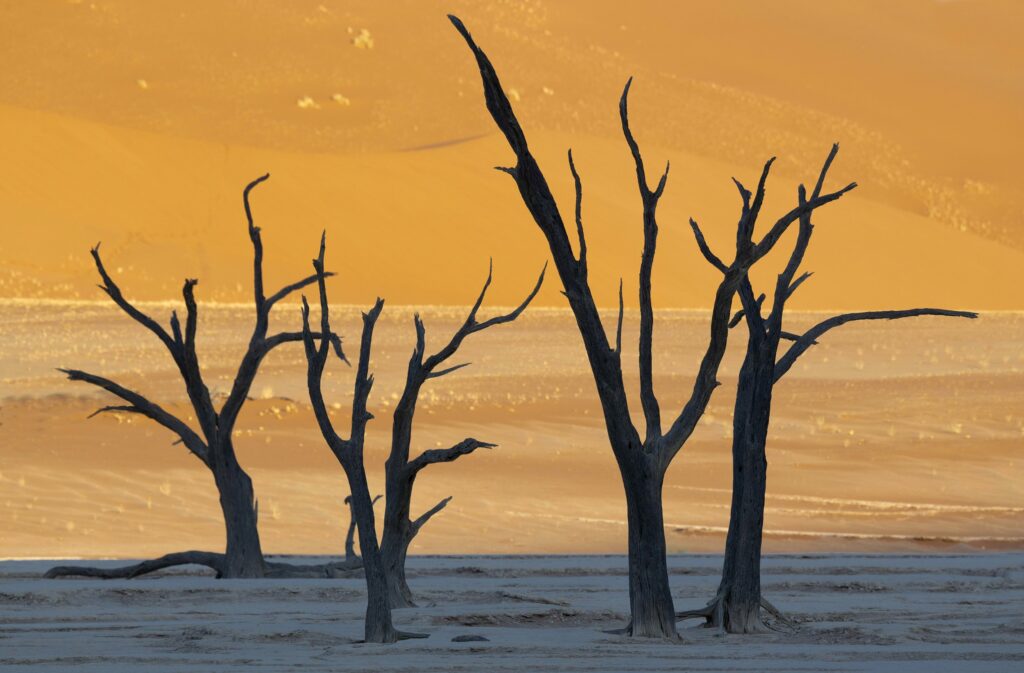
Sand Dune Photography
Sossusvlei & Sandwich Harbour
Photographing dunes is both simple and technical—minimalist scenes with maximum attention to detail.
You’ll learn:
● Finding the Perfect Edge Light
The dividing line between light and shadow is the dune’s heartbeat—we teach you how to position yourself for crisp contrast.
● Optimal Exposure for Bright Sand
Avoiding overexposure, using exposure compensation intelligently, and reading histograms in high-reflection environments.
● Using Negative Space
Turning emptiness into elegance.
● Abstract Dune Studies
Patterns, shapes, curves, and the small details most people walk right past.
At Sandwich Harbour, we add:
● Motion Techniques with Wind-Blown Sand
Capturing sand peeling off ridges in long exposures.
● 4×4-Based Shooting
How to shoot safely and creatively from the vehicle as dunes drop sharply into the Atlantic Ocean.
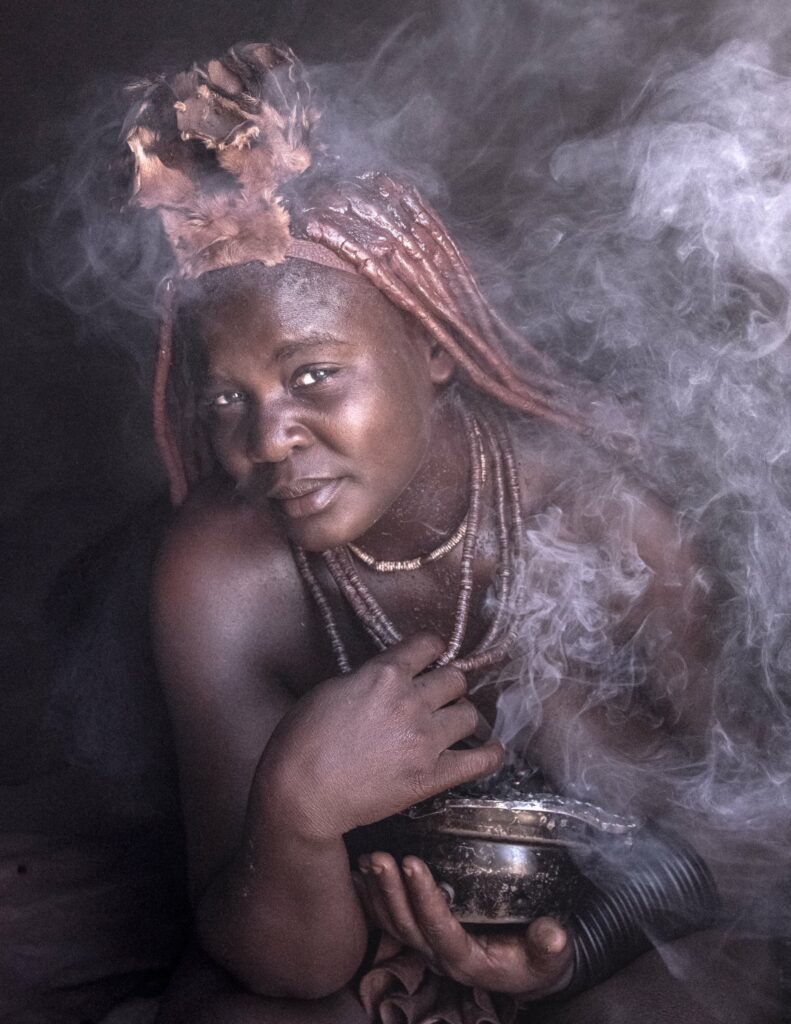
Photographing the Himba Tribe
Cultural Portraiture Done Respectfully & Creatively
Our long relationships with the Himba allow photographers to spend extended time learning and creating portrait work with trust and permission—a rare privilege.
We teach:
● Natural Light Portrait Techniques
Using hut entrances as softboxes, using the sun at angles that sculpt faces, and placing subjects against background tones that complement skin tones and beads.
● Cultural Storytelling in Portraits
How to incorporate environment, hands, tools, smoke, and traditional items into your frame.
● Respectful Posing & Direction
How to guide without intruding, and how to find moments of authenticity.
● Color Harmony in Portraits
Understanding the interplay of red ochre, skin tones, beads, and textures.
● Environmental Portraits
Wide-angle scenes that celebrate culture and landscape together.
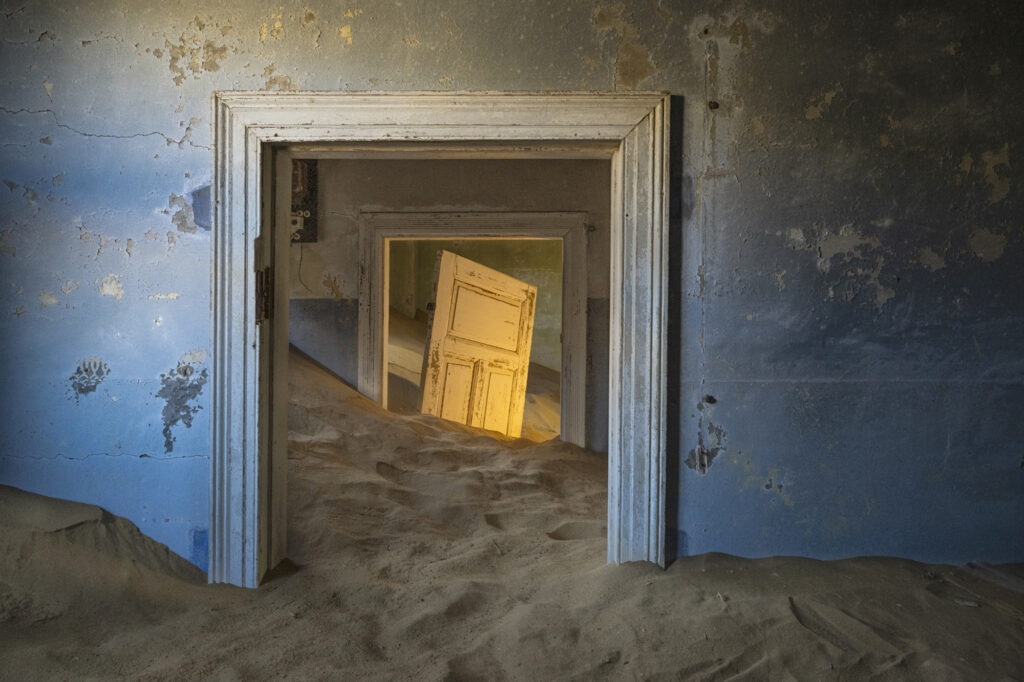
Abandoned Photography
Kolmanskop & Forgotten Rail Stations
If you love mystery, peeling paint, and shafts of warm light through dusty windows, these abandoned places are treasure chests.
We teach:
● Reading Light in Old Rooms
How to use directional window light, doorway shadows, and reflective sand to sculpt your compositions.
● Texture-Driven Photography
Turning decay into art—cracked paint, broken glass, rust, and sand drifts.
● Creative Depth with Doorways & Frames
Shooting through door frames to create depth and layers that guide the viewer into the scene.
● Long Exposures in Low Light
Tripod work, subtle HDR blending, and keeping the mood without over-processing.
● Narrative Composition
How to make the viewer feel like they’ve stepped into someone’s unfinished story.
Aerial Photography
Doors-Off Helicopter Flights Over Sossusvlei & the Namib Desert
There are moments in photography when the world feels impossibly big—and then the helicopter door comes off, the wind hits your face, and suddenly you’re part of it.
Our aerial sessions are designed to push your creativity into an entirely new dimension. Namibia’s desert is one of the best places on Earth for this kind of work: towering dunes, razor-sharp ridgelines, shifting shadows, and wildlife moving like tiny brushstrokes across the sand.
We teach:
● Composing from the Sky
How to simplify vast scenes from 1,000 feet up—using geometric shapes, long dune spines, and sweeping S-curves to create striking, minimalist images.
● Exposure for Extreme Contrast
Aerial work demands fast thinking. Bright sand, dark shadow, rapid movement… your settings must keep up. We walk you through shutter speeds to freeze motion, ISO strategies to protect detail, and exposure adjustments to avoid blown highlights.
● Shooting Wildlife from Above
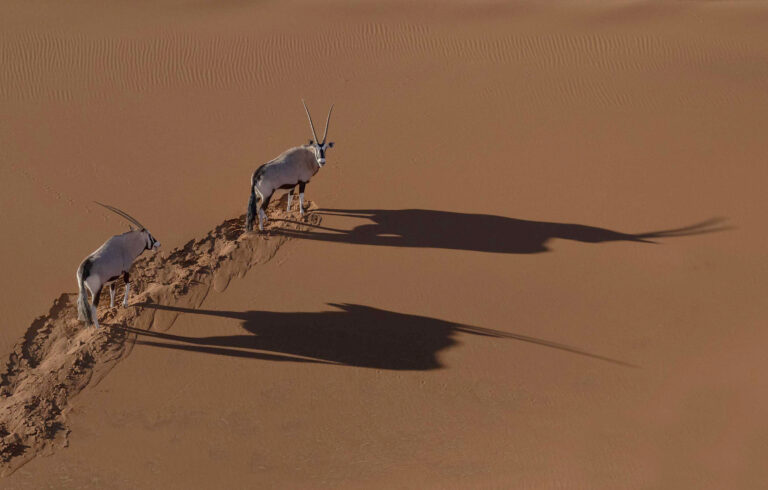
Oryx, ostrich, and springbok leave elegant tracks that carve stories into the desert floor. You’ll learn how to spot them quickly, frame them cleanly, and use their shadows to add drama.
● Using Lenses Safely and Effectively
From 24–70mm for wide landscape studies to 70–200mm for tighter abstracts, we show you how to handle your gear securely while leaning into open air—without dropping anything into the dunes (or onto an unsuspecting oryx).
● Working with the Pilot
We teach you how to communicate clearly with the pilot so they can position the aircraft for the exact angle, shadow, or shape you want. A small adjustment in altitude or rotation can make a good shot great.
● Mastering Movement and Timing
Doors-off photography is fast and fluid. You’ll learn how to anticipate the helicopter’s motion, brace for sharp turns, and shoot in short bursts when everything lines up perfectly.

Why Photographers Love This Workshop
Because Namibia sets a new standard for your future workshop expectations
It sharpens your eye.
It deepens your patience.
It pulls you into moments that feel bigger than yourself.
The sundowners are frequent.
The food is awesome.
The beds are comfortable, and the lodges spoil you.
And it hands you photographs that stay with you for years.
Our workshops are small, personal, supportive, and led by instructors who care about your images more than padding their own portfolio. We teach side by side with you—sunrise to stars, dunes to waterholes, tribal villages to abandoned towns.
You won’t just leave Namibia with better photographs.
You’ll leave with a better understanding of how you see.
See our Namibia photo workshops here