The three places I never get tired of returning to (and why)
By Kevin Pepper |
I’m lucky—I get to lead photography workshops in places most people only dream about. And I’m not shy about saying it: I love all of them.
But if you asked me which three destinations I’d return to again and again, even if I had to pack my bags tomorrow, these are the ones.
Not because the others aren’t incredible. They are. These three just hit something deeper for me. They’re the places that still give me that “okay… this is why I do this” feeling when the light breaks, or the silence settles in, or the moment unfolds exactly the way you couldn’t plan for.
So here they are—my top three. The ones that keep calling me back.
1) Namibia: Where the light teaches you
If you’re a photographer, Namibia feels like someone designed it specifically for you—then decided to add better light just to show off.
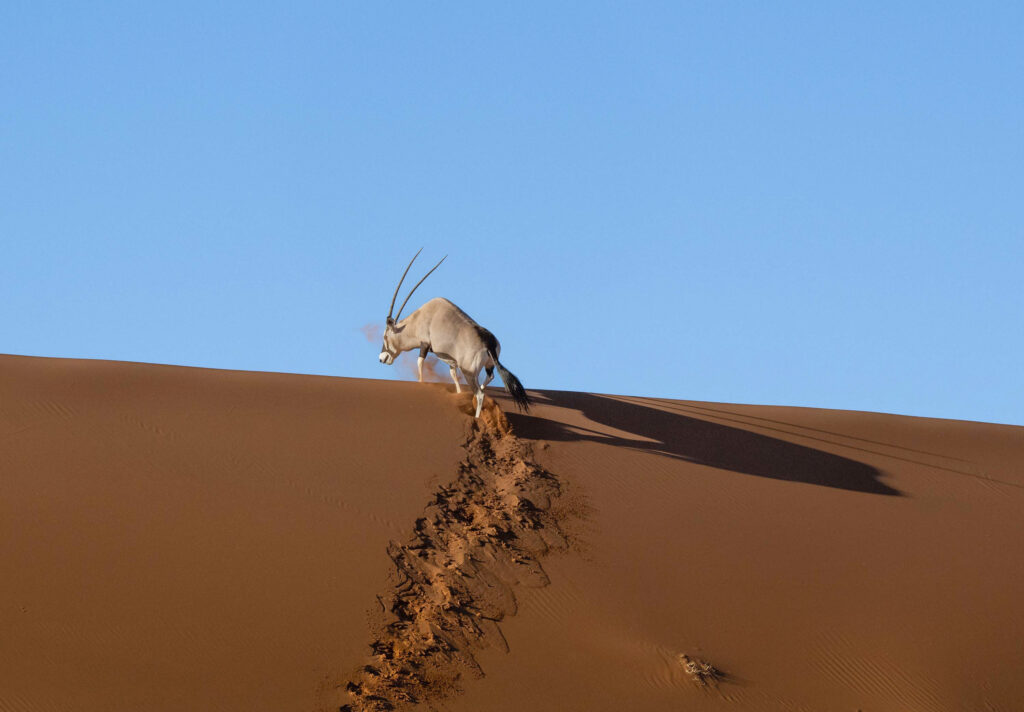
It’s not just the landscapes (though they’re ridiculous). It’s the space. The clean horizons. The graphic shapes. The way shadow and highlight play like they’re part of the terrain, not just something falling on it.
Namibia simplifies the world—so your compositions get stronger, faster. You stop fighting clutter. You stop negotiating with messy backgrounds. You start seeing with more purpose.
And then there’s the variety: sand dunes and dead trees, ghost towns and granite peaks, desert-adapted wildlife and night skies that feel almost too clear to be real. You can spend a morning making minimalist dune images, and that same night be under the Milky Way with a tripod planted in the sand like you’ve done this your whole life.
Why I keep returning:
- The light is dependable—but never boring.
- The scenes are clean, graphic, and composition-friendly.
- It’s a masterclass in shape, shadow, and simplicity.
- Night photography here is the real deal.
Namibia doesn’t just give you photos. It gives you better instincts… and a sore belly from all the laughter.
Mr. T, the brother I found in the desert
Some guides you work with. Mr. T is family. We’ve spent enough time together out there that “business partner” doesn’t even come close. After a long day of shooting—dust in our teeth, cards full of images—we’ll sit down in that quiet, end-of-day way Namibia does so well and start planning tomorrow like it’s a chess match: light, wind, locations, timing. But somewhere between the strategy and the laughs, the conversation always drifts to life—family, what’s changed since last year, what we’re proud of, what we’re still trying to figure out. And in the months between trips, we’re still talking… not because we have to, but because we want to. Every year, when we’re about to be back on the road together, there’s this shared excitement—like we’re returning to a place we both belong, and doing what we were meant to do.
See the photography workshops we lead in Namibia.

2) Mongolia: Eagle hunters, the Gobi, and a step back in time
Mongolia is the kind of place that resets you.
Not in a spa-day way. In a “phone feels pointless and time moves differently” kind of way.
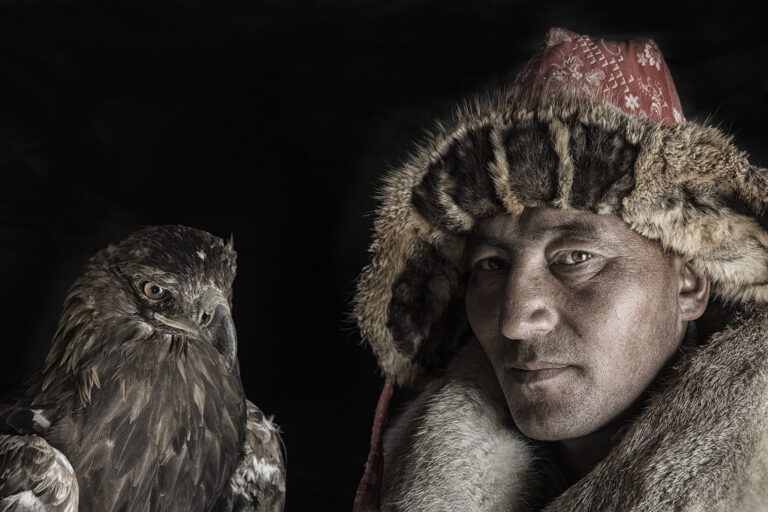
The Eagle Hunters aren’t a performance—they’re a living tradition. You’re photographing people with real skills, real pride, and real connection to the land. When you’re out there, you don’t feel like you’re visiting a culture. You feel like you’ve been invited into one.
And then there’s the landscape. The open steppe. The emptiness that somehow feels full. The Gobi’s textures and colours. The big skies. The weather that can change the entire mood of a scene in minutes.
From a photography standpoint, Mongolia gives you something rare: powerful subjects, meaningful portraits, and dramatic environments—without the feeling of being rushed or staged.
Why I keep returning:
- The cultural photography has depth, not fluff.
- The landscapes feel endless and untouched.
- The people and traditions are genuinely moving to witness.
- Every day feels like a new story, not just a new location.
This is one of the only places I’ve worked where the photos are great… and the experience still somehow outshines them.
See the photography workshops we lead in Mongolia
Watching families brow up through my lens
Mongolia stopped being “a destination” a long time ago. It became personal. I’ve photographed fathers and sons, then watched those sons become young men. I’ve photographed daughters when they were small, then met them again years later—taller, stronger, more confident, carrying themselves differently. You don’t get that on a quick visit. You get it when you return, year after year, and people stop asking who you are… because they already know. At some point, the photos turn into something else. The portraits start to feel like chapters. The handshakes last longer. The smiles come faster. And I catch myself realizing I’m not just documenting a culture—I’m witnessing lives unfold, and I’m grateful they’ve let me be there for it.
3) Antarctica: The end of the world in the best way
Antarctica is hard to describe without sounding like you’re exaggerating.
The scale is so big your brain needs a minute to catch up. The silence is so complete it feels like it has weight. And the light—especially when it stretches long across ice and water—doesn’t look like anywhere else on Earth.
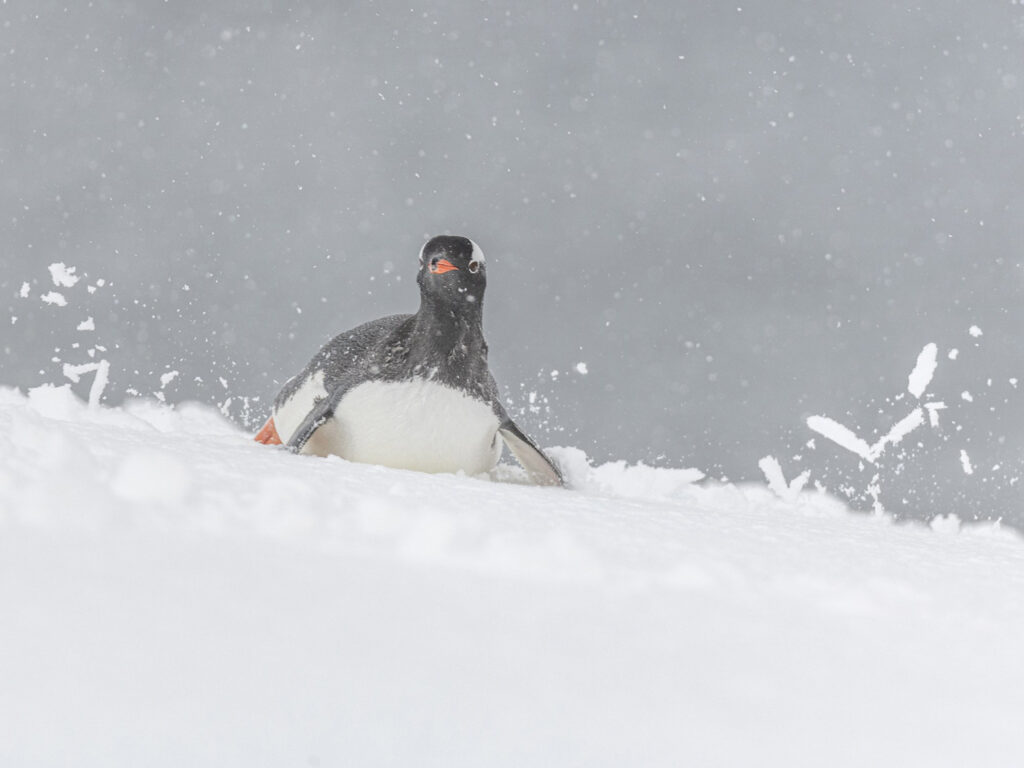
Then there’s the wildlife. Penguins that have absolutely no interest in your personal space. Seals that look like they’ve seen everything and are mildly disappointed in all of us. Birds carve clean lines across the sky. And moments where you stop shooting for a second because you realize you’re standing in a place that still feels genuinely wild.
For photographers, it’s a dream because the subjects are constant and the backgrounds are pristine. No visual clutter. No modern distractions. Just form, texture, weather, and life.
Why I keep returning:
- The environment is pure and graphic—perfect for strong frames.
- Wildlife encounters are frequent and close.
- The light can be soft, dramatic, and endless.
- It reminds you how big the world is (and how lucky we are to see it).
Antarctica doesn’t feel like a destination. It feels like a privilege.
The penguins I dreamed about as a kid
When I was a child, my mother bought me a penguin poster. I remember staring at it like it was a window—thinking, no chance I ever see this for real… but what if I did? Fast forward to now, and somehow I’m standing at the edge of the world watching penguins belly-slide down snow slopes like they’re late for a meeting they don’t plan to attend. They waddle shorelines like they own the place… because they kind of do. And every time I lift my camera, there’s this quiet moment where the adult in me is taking photos—but the kid in me is still standing there, a little stunned, thinking: We actually made it.
See the photography workshops we lead in Antarctica
A Quick Note: These Aren’t the “Best” Workshops… They’re My Favorites
I run workshops in a lot of places, and I’m proud of every one of them. These three just happen to be the ones that still make me feel like a kid when I zip up my camera bag in the morning.
They challenge you, reward you, and give you photographs you don’t just post—you keep.
And if you ever join me in one of these places, here’s what I can promise:
1 – We don’t plan around convenience.
2 – We plan around light.
3 – We keep the group small, the experience smooth, and the coaching constant—so you can focus on what you came for: making images you’re proud of.
Because the goal isn’t just to visit these places.
It’s to come home with photos that feel like you were really there.