
Trip report: 2025 Point Pelee Songbird Migration Photo Tour
By Kevin Pepper |
Our 2025 photo tour to Point Pelee National Park and the surrounding region was a rewarding week immersed in the energy of spring migration. Each morning began with the promise of movement—tiny wings riding overnight winds, delivering new photographic opportunities by sunrise.
Across the tour, we heard over 120 different species of birds—an impressive chorus echoing from the forest canopy, wetlands, and shoreline thickets. We saw 60 species in total, but the real triumph? We photographed 36 species of birds that produced quality images rather than a simple photo for proof. From boldly lit warblers to shy thrushes tucked deep in the brush, our group came away with an impressive portfolio of sharp, vibrant images.
Here is the list of species that flew in front of our cameras.
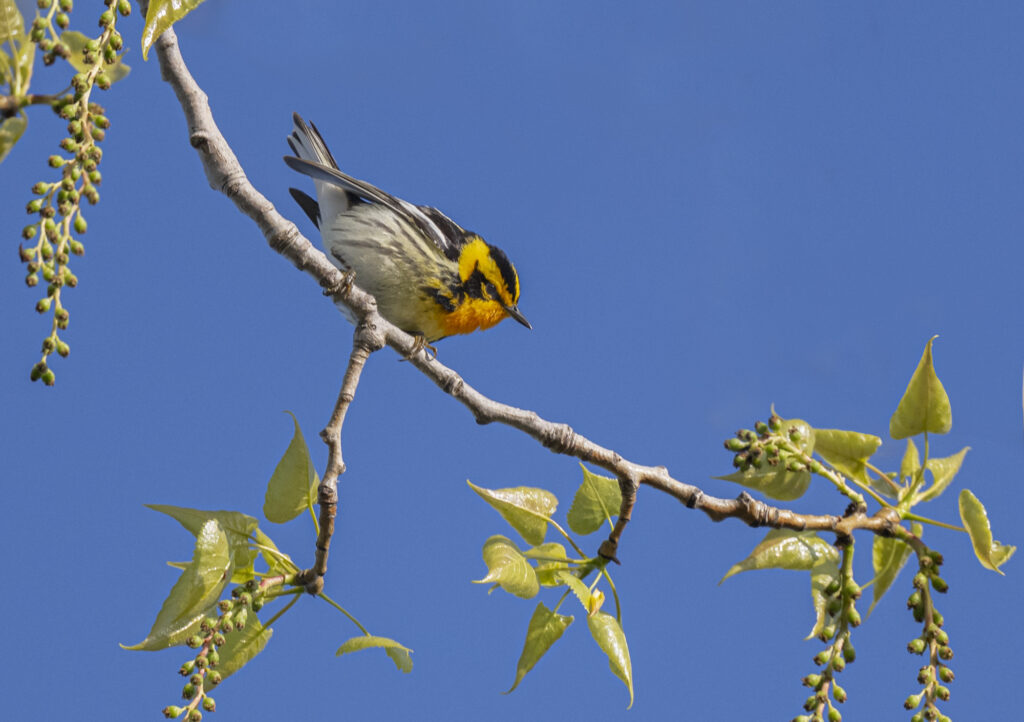
Blackburnian Warbler (Setophaga fusca), Black-throated Blue Warbler (Setophaga caerulescens), Black-and-white Warbler (Mniotilta varia), Yellow Warbler (Setophaga petechia), Cape May Warbler (Setophaga tigrina), Tennessee Warbler (Leiothlypis peregrina), Palm Warbler (Setophaga palmarum) Pine Warbler (Setophaga pinus), Yellow-rumped Warbler (Setophaga coronata), Nashville Warbler (Leiothlypis ruficapilla), American Redstart (Setophaga ruticilla), Ovenbird (Seiurus aurocapilla), Common Yellowthroat (Geothlypis trichas), Northern Waterthrush (Parkesia noveboracensis), Ring-billed Gull (Larus delawarensis), Prothonotary Warbler (Protonotaria citrea), Louisiana Waterthrush (Parkesia motacilla), Herring Gull (Larus argentatus), Bonaparte’s Gull (Chroicocephalus Philadelphia), Canada Goose (Branta canadensis), Mute Swan (Cygnus color), Least Bittern (Ixobrychus exilis), Great Blue Heron (Ardea herodias), Great Egret (Ardea alba), Turkey Vulture (Cathartes aura), Osprey (Pandion haliaetus), Bald Eagle (Haliaeetus leucocephalus).Black-bellied Plover (Pluvialis squatarola), Semipalmated Plover (Charadrius semipalmatus), Killdeer (Charadrius vociferous), Spotted Sandpiper (Actitis macularius), Lesser Yellowlegs (Tringa flavipes), Dunlin (Calidris alpina), Least Sandpiper (Calidris minutilla), Eastern Kingbird (Tyrannus tyrannus), Tree Swallow (Tachycineta bicolor), Barn Swallow (Hirundo rustica), Blue Jay (Cyanocitta cristata), American Crow (Corvus brachyrhynchos), Black-capped Chickadee (Poecile atricapillus), White-breasted Nuthatch (Sitta carolinensis), House Wren (Troglodytes aedon), Ruby-crowned Kinglet (Corthylio calendula), Eastern Bluebird (Sialia sialis), American Robin (Turdus migratorius), Gray Catbird (Dumetella carolinensis), Northern Mockingbird (Mimus polyglottos), European Starling (Sturnus vulgaris), Cedar Waxwing (Bombycilla cedrorum), Scarlet Tanager (Piranga olivacea), Northern Cardinal (Cardinalis cardinalis), Rose-breasted Grosbeak (Pheucticus ludovicianus), Indigo Bunting (Passerina cyanea), Red-winged Blackbird (Agelaius phoeniceus), Common Grackle (Quiscalus quiscula), Brown-headed Cowbird (Molothrus ater), Baltimore Oriole (Icterus galbula)
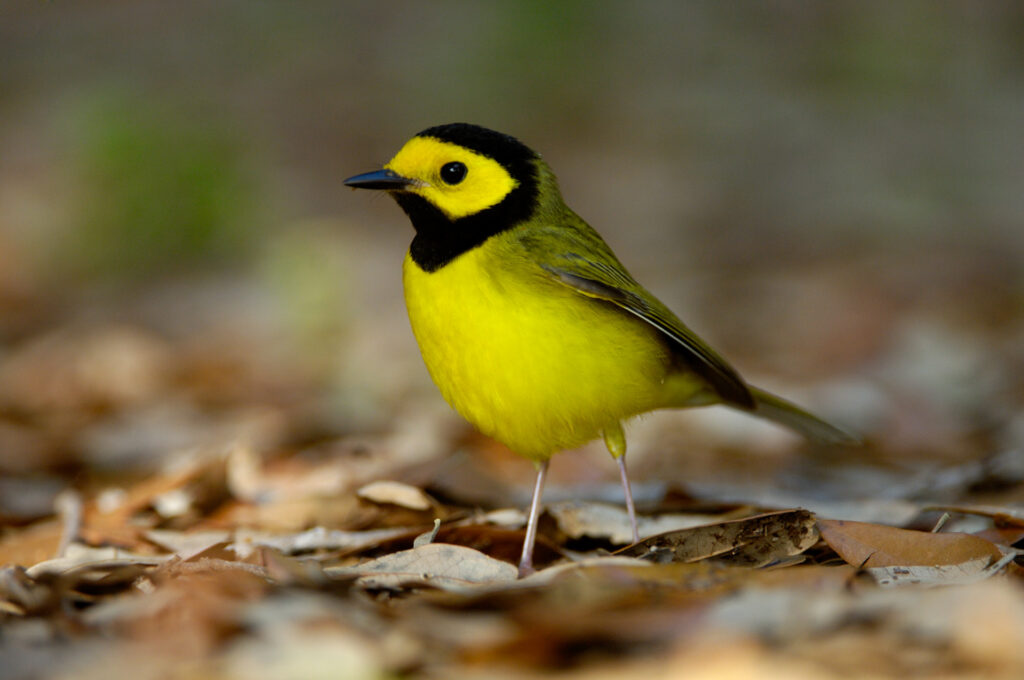
One of the key takeaways from our 2025 photo tour to Point Pelee—and something I always emphasize—is the value of preparation for photographing songbirds over chasing. Great bird photography isn’t about running from spot to spot hoping to get lucky. It’s about being smart, informed, and intentional. I’ve spent years learning where certain species are likely to be at certain times, how light moves through each location, and how birds behave as they feed, rest, and move through the region. That knowledge allowed us to be present in the right places and times, with the best chance of producing clean, well-composed images.
By staying put in the right habitat, our group could work with better light, cleaner backgrounds, and more consistent opportunities. It also gave us the gift of time—anticipating photos, adjusting composition, and making the kind of photographs that stand out. The result? A better variety of birds captured, and far more “keepers” per session.
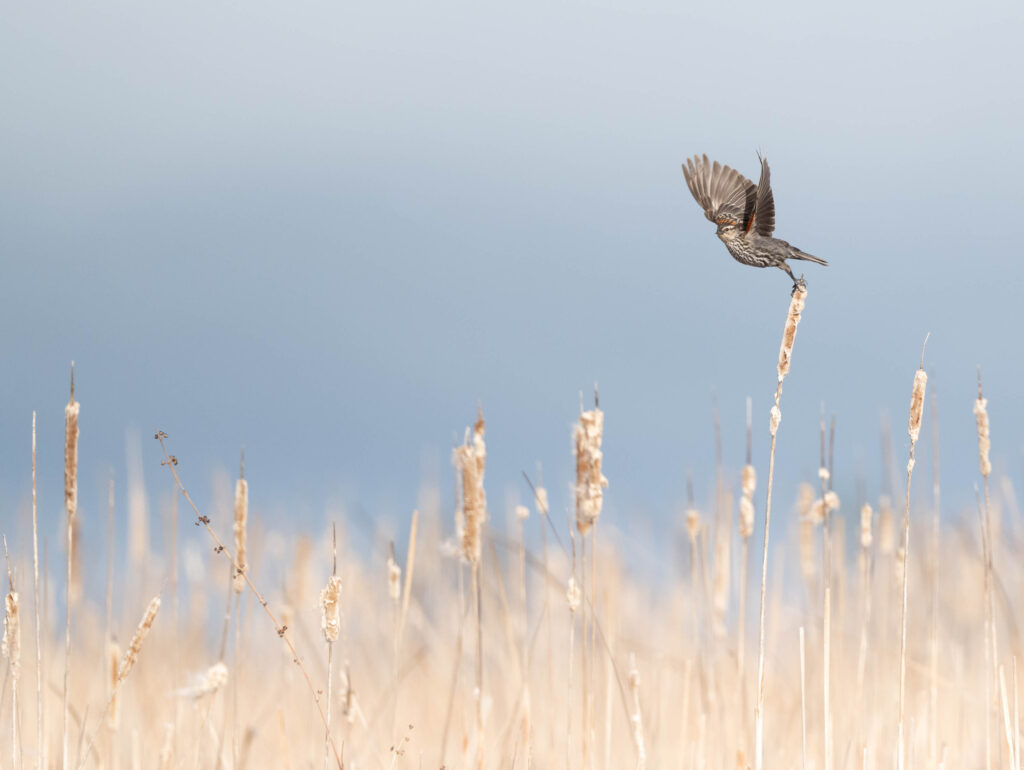
We structured our days around the best light. Most mornings, we were out shortly after sunrise, when the birds were active and the light was soft and golden. Midday, we took a well-earned break to review images, rest, or recharge. Each evening, we were back out for the sweet light before sunset, when the forest glows and the chances of magic multiply.
That’s not to say we didn’t get out and explore. We shifted into what I call “run and gun” mode a couple of times—chasing reports, moving fast, and trying to tally as many sightings as possible. It’s fun and can lead to exciting discoveries. But at these workshops, the real value comes from slowing down and photographing with purpose.
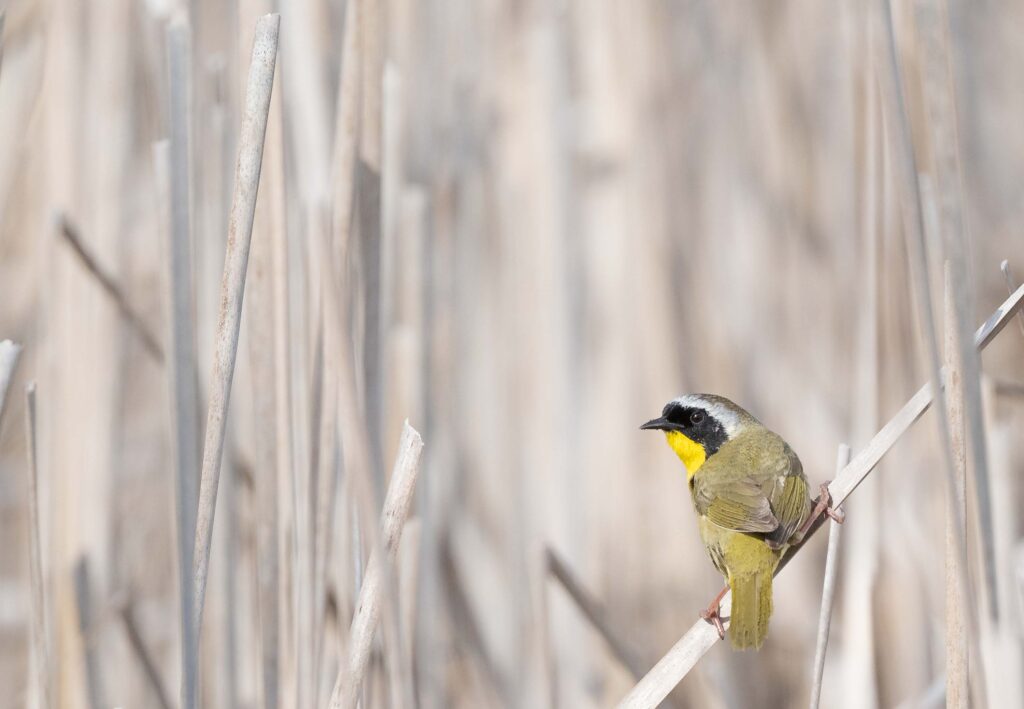
While Point Pelee National Park is the marquee name for the spring songbird migration, we didn’t rely solely on it. Sometimes it’s not the best place to be. The advantage of local knowledge meant we could pivot to lesser-known surrounding habitats when needed—places where the birds were more active, the crowds fewer, and the photo opportunities more rewarding.
And of course—it wasn’t all serious business. We had a lot of laughs in the field. Whether it was misidentifying warblers in the early morning haze, swapping birding stories, or good-natured teasing when someone snagged the perfect frame of a Blackburnian just before someone else blinked, the camaraderie on this tour was just as memorable as the birds. I also made sure to be available throughout the trip to review images, help with editing questions, and offer one-on-one guidance to those who wanted to improve their compositions and technique.
For those considering a workshop for the spring songbird migration in the future, it’s worth noting that we spend a good amount of time on our feet. In just over three and a half days, we logged nearly 20 miles of walking. But it wasn’t all go-go-go. This year, I came prepared—I bought lawn chairs for the group so we could rest comfortably while waiting for warblers to move through. A bit of strategy, pacing, and a few creature comforts go a long way.
Our 2025 photo tour to Point Pelee wasn’t just about capturing songbirds—it was about learning to read the weather, the migratory patterns, anticipate behavior, and shoot with intention. For those who joined us, I hope the images you captured remind you of that electric stillness just before a warbler hops into view. And if you missed it this year… you might want to mark your calendar for next spring’s photo tour to Point Pelee.


