
What I Believe Makes a Good Photography Workshop Leader
By Kevin Pepper |
After more than a decade of leading photography workshops, I have some strong opinions about what I believe makes a good photography workshop leader. Those opinions have developed through experience, through listening to guests, and through recognizing where I could have done things better myself.
Being a good photographer is part of the job. You need to understand light, composition, camera settings and the subjects you are helping people photograph. But when someone puts their time, money and trust in you, they are asking for much more than a chance to stand beside someone who takes good pictures.
They are trusting you to help them make their own.
That responsibility is where everything starts for me.
When I look at the leaders we bring into Akari, I want to know how they interact with people. Are they patient? Do they notice when someone is struggling? Can they explain something clearly without making the person feel that they should already know the answer? Will they put their camera down when a guest needs help, even when the light is doing something special?
A portfolio can show me someone’s ability as a photographer. I also need to understand who they will be when they are responsible for a group.

The company has a responsibility to choose the right leader.
Part of delivering a good workshop starts with the company choosing who will lead it. I don’t believe in creating a trip and then plugging in a photographer because it fits their schedule. We build our workshops around our guides’ experience in a location and their knowledge of what we are going there to photograph.
Being an accomplished landscape photographer doesn’t automatically qualify someone to lead a wildlife workshop. A strong portfolio doesn’t tell you whether they understand a destination, know its challenges or can help guests anticipate the opportunities there. Those are things a company should consider before putting a workshop on sale.
Far too often, I see workshops advertised with no leader named. That raises a question for me: has the company built an experience around the right person, or put a trip on sale with the intention of figuring out the leadership later? When you are investing in a photography workshop, I believe you deserve to know who will be teaching you and why they are qualified to lead it.
That responsibility also extends to how we pay our guides. We believe in paying good day rates that recognize their knowledge, preparation and work. Their compensation should be something we take responsibility for, rather than leaving guests feeling responsible for making up the difference.
I don’t want the end of a workshop overshadowed by an uncomfortable conversation about how much to tip your photography instructor. Your last memory should be of the experiences you shared, the photographs you made and what you learned—not the extra money you felt expected to spend before saying goodbye.
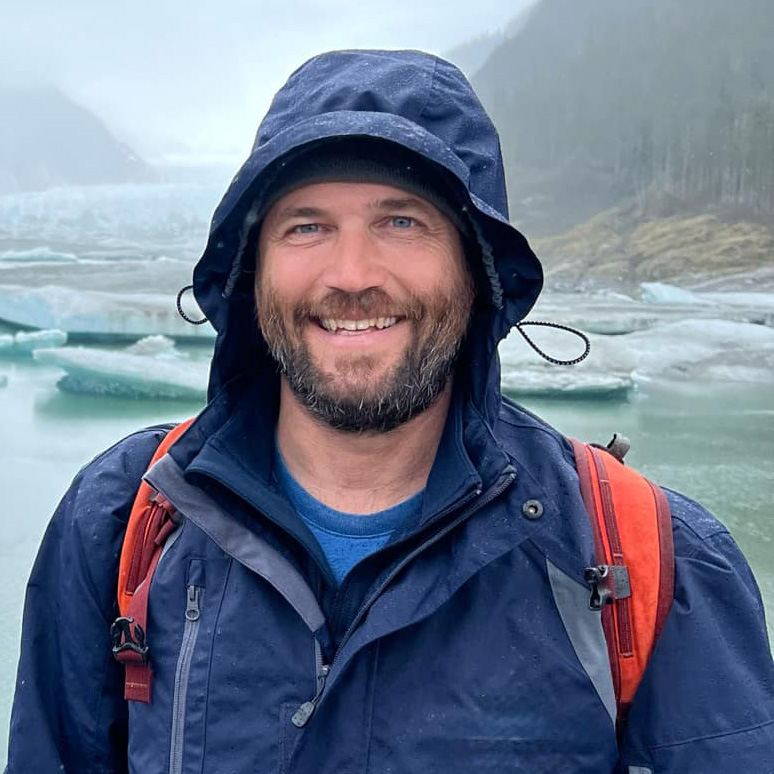
Your photographs come first.
I say this often because I believe it should guide every decision we make on a workshop.
Our guests should be in position, comfortable with their settings and ready for the opportunity in front of them. A leader should be checking on people, looking at their results and helping them make adjustments while there is still time to get the photograph.
Some guests will ask for help immediately. Others will quietly struggle because they don’t want to interrupt or hold anyone up. It is our job to notice both.
There is room for a leader to take photographs. Making an image can help demonstrate a composition or explain a technique. But we have to remain available and aware of what is happening around us. The moment our own photography takes attention away from the people who have paid to be there, our priorities need correcting.
On our 2026 Eagle Hunters and Gobi Desert workshop in Mongolia, we had eight photographers and three instructors. That gave us more time to work with people individually and focus on their experience. That is the kind of attention I want us to deliver.

Good teaching starts with listening.
People arrive at a workshop with different levels of experience and different reasons for being there.
One person might want to understand autofocus. Another may be technically confident but struggling to create photographs that say something about a place. Someone else may simply want enough help to feel comfortable using their camera and enjoy the trip.
A good leader takes the time to learn those differences.
Giving everyone the same settings is sometimes a useful starting point. The real teaching comes when we explain why those settings make sense, what to watch for and when to change them. The same applies to composition. I want people to understand why a different position, a cleaner background or more space around a subject might strengthen their photograph.
My hope is that guests leave with the confidence to make those decisions themselves on their next trip.
That takes patience. Sometimes it means explaining the same thing several times, in several ways. Nobody should feel embarrassed about asking again. We all had to learn somewhere.
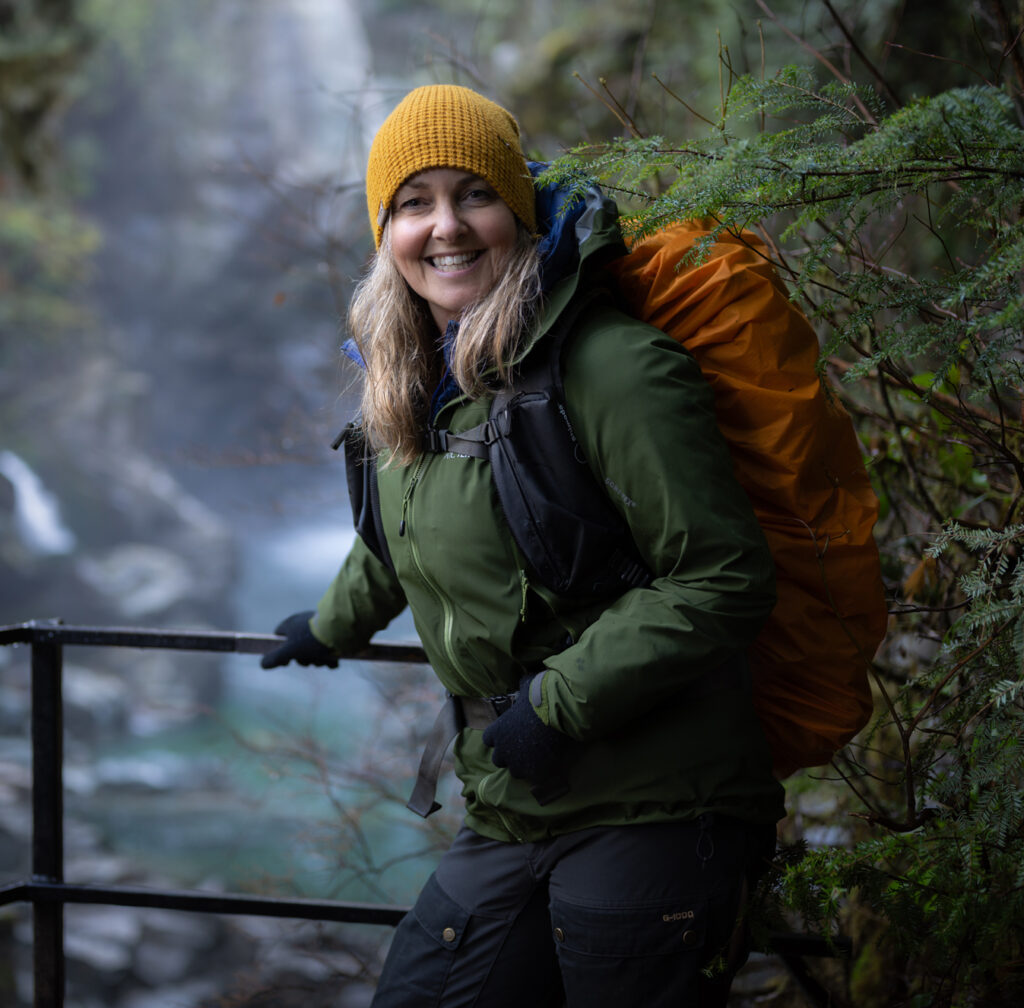
The work begins before we meet at the airport.
A good leader arrives prepared.
That means knowing the itinerary, understanding what guests have been promised, speaking with local partners and learning about the people travelling with us. A conversation before departure can tell us a great deal about someone’s goals, equipment, concerns and expectations.
Preparation also shows up in small, practical ways during the trip. People should know when we are leaving, what they need to bring and what the day is likely to involve. They should feel comfortable asking about anything that is unclear.
It is hard to concentrate on photography when you are wondering whether you brought the right gear, when you will next eat or whether you can manage the walk ahead.
Looking after those details gives people the freedom to enjoy where they are.

Experience matters when the plan changes.
Weather changes. Wildlife has its own schedule. Flights get delayed. A location that worked beautifully yesterday can offer very little today.
A leader earns people’s trust by responding calmly, communicating honestly and making thoughtful decisions with the information available.
You cannot promise perfect conditions. You can be prepared, recognize another opportunity and explain why you are adjusting the plan. You also need the judgment to know when people need a rest, when an activity needs to stop and when to listen to someone with greater local knowledge.
Guests notice how you handle a difficult day. They also notice whether you take responsibility and follow through when something needs fixing.

Respect is part of the job.
Many of the experiences I have been able to offer have grown from relationships built over years.
Local guides, drivers, hosts and the people we photograph all contribute to the experience. Their knowledge matters. Their time matters. The way we treat them matters.
A good leader listens, gives credit and works alongside them. That respect sets the tone for the group.
It extends to wildlife and the places we visit. Getting a photograph never gives us permission to ignore boundaries, pressure an animal or treat a person as though they are simply part of the scenery. We are guests, and our behaviour should reflect that.

The time between photographs matters, too.
Some of my favourite memories from workshops are the conversations over dinner, the laughter during a long drive and the friendships that develop almost without anyone noticing.
People arrive as strangers. Days later, they are helping each other with equipment, sharing photographs and exchanging contact information because they want to stay in touch.
A leader helps create the conditions for that to happen. Include the quieter person in the conversation. Be fair with your attention. Take an interest in people beyond the camera they carry. Have a sense of humour, especially when everyone has been up since a distinctly unreasonable hour.
We spend a lot of time together on these trips. People should feel welcome, comfortable and part of the group.
As I think about the future and bring other leaders into places that have meant a great deal to me, these are the qualities I care about. I want people who take pride in helping someone else succeed, who keep learning themselves and who understand the responsibility that comes with leading.
At the end of a workshop, I want guests to go home with photographs they are proud of, a better understanding of their photography and memories that make them smile long after the bags are unpacked.
Most of all, I want them to feel that we cared about their experience—and that they could see it in the way we looked after them every day.
These are the values I look for in the people who lead our workshops. Each brings their own experience, perspective and approach to teaching, with a shared commitment to helping you make the most of your time with us.
Meet the guides we trust at Akari to take you on your next photography workshop.


