Why wildlife photography workshops are worth it (even if you already know how to use your camera)
By Kevin Pepper |
Let’s be honest. Whether you’ve been photographing backyard squirrels like they were Serengeti leopards, or you’ve already ticked off a few African safaris on your passport, most photographers joining a wildlife photo workshop know how to use the basics of their camera. You’ve done the research, you’ve nailed some solid images. So why invest in another wildlife photography workshop? Here’s the truth: it’s not about knowing what buttons to press—it’s about being taken to the right place, at the right time, with the right light. Wildlife photography workshops stack the odds in your favor, putting you in front of the moments you dream about, and giving you every chance to turn them into portfolio-worthy shots.
Even experienced photographers join me on a wildlife photography workshop
Here’s the honest truth: on many of my workshops, there are photographers who—technically speaking, are probably better photographers than me. They know their cameras inside and out, they’ve photographed covers, campaigns, galleries… You name it. So why do they still travel with me?
Simple. Even the best photographers value a second set of eyes—especially someone they trust and speaks their language. I’ve spent decades in the field, and I know what it takes to turn a good photo into an image that sings. I’m not there to babysit them—I’m there to be a collaborator, a sounding board, and a resource that helps them stay sharp and avoid the blind spots we all fall into when we’re focused on the action.
I’m there to challenge their thinking when needed. To remind them of compositional options, they might be too dialed in to see in the heat of the moment. To double-check a histogram when the light is tricky. To ask, “What’s your end vision for this shot—and does your current setup get you there?” It’s a subtle but valuable layer of accountability that keeps even seasoned pros from falling into cruise control.
Professional photographers also travel with me for the same reason you should—for the access—the local fixers, the private reserves, the wildlife hides, the exclusive experiences I’ve built over decades. They know they can show up, focus on creating their best work, and not get bogged down in the logistics. I take care of that.
Access is everything on wildlife photography workshops
Sure, you could book that African safari on your own. But let me ask you—when that pride of lions is resting in the brush at sunrise, will your guide know where they were last seen? Will you have a private vehicle rigged for photographers, with beanbags on both sides and the flexibility to stay out longer because the light is just that good? Or will your driver, as I’ve seen all too often, race toward the radio call of a distant leopard just because it’s “rare,” leaving behind perfect light and a story unfolding right in front of you?
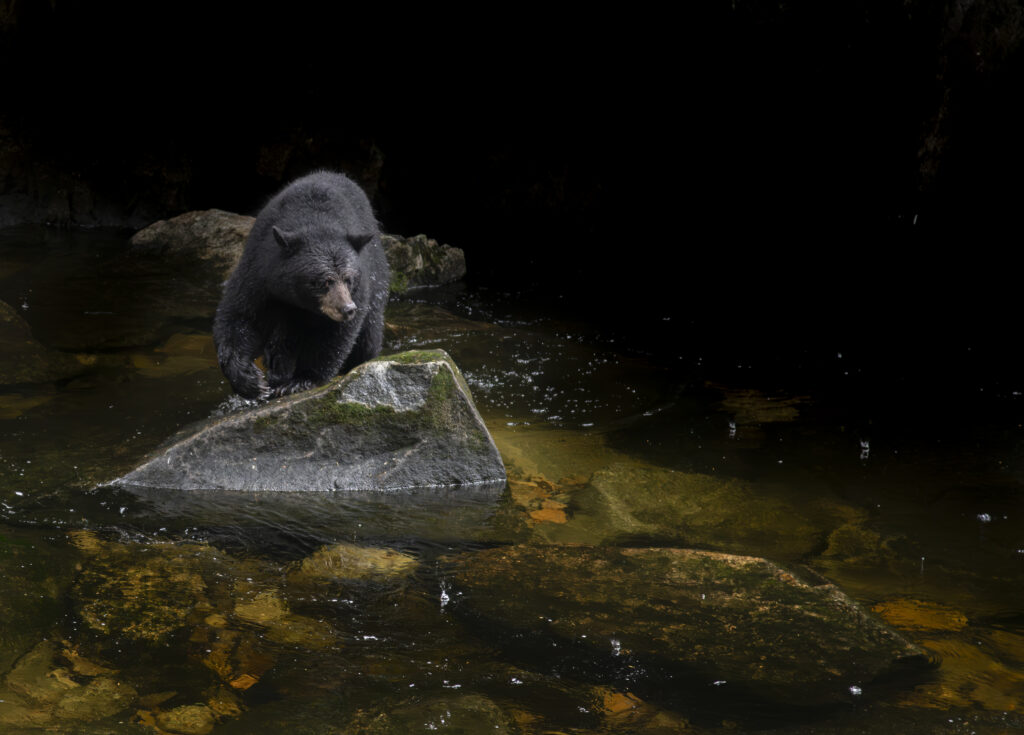
And let’s talk about wildlife photography closer to home. Maybe it’s grizzly bears in Alaska, puffins in Newfoundland, or owls in Ontario. These trips might seem more approachable, but they come with their own challenges. Do you have the proper permits? Do you know which access roads are open during key wildlife activity windows? Is your chosen spot where the action happens, or is it just the one everyone thinks is good because it’s on the park map?
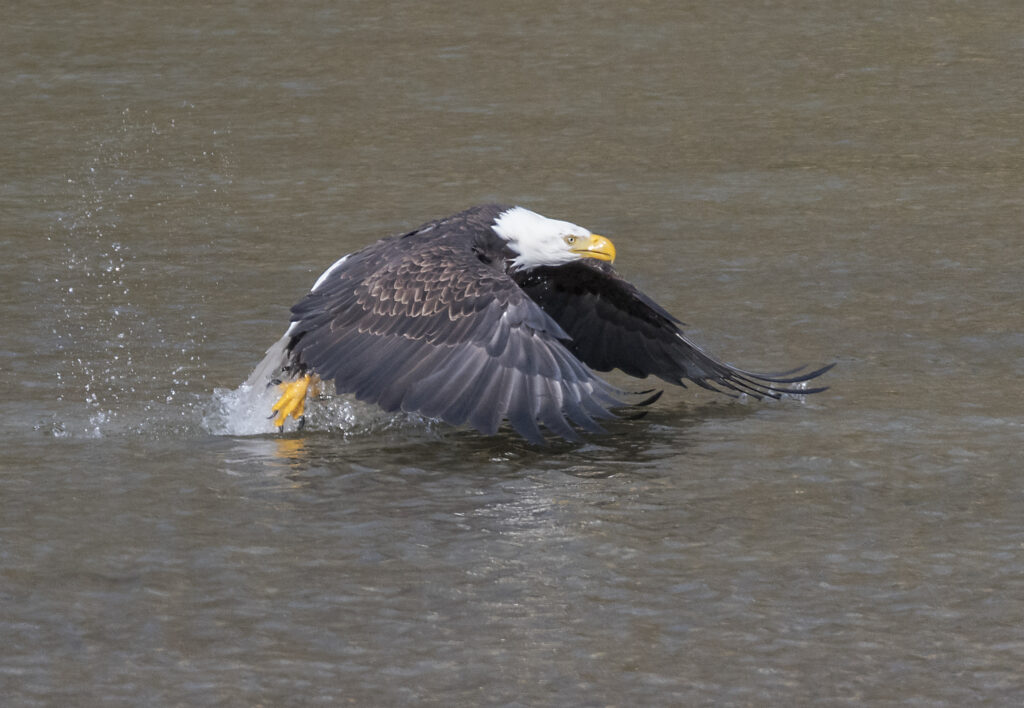
A few years back, I was guiding a workshop in British Columbia. Most tourists were clustered along the well-known pullouts—meanwhile, we were tucked into a lesser-known valley I scouted days before. The result? Bald Eagles doing the “death spiral’ and eagles snapping spawning salmon right in front of us, and those other people were fighting for parking spots along the busy highway.
And then there are the true bucket-list places. Antarctica, for example. Booking a cruise isn’t hard—anyone with a credit card can do it. But getting the zodiac positioned for the perfect angle as a penguin colony explodes into activity at golden hour? Knowing where the leopard seals hunt? Timing your trip to coincide with peak wildlife behavior and the best light of the season? That’s where workshops elevate the experience.
When you’re with us, you’re with guides on a wildlife photography workshop who get photographers. Guides who’ll circle the boat for the right composition, know the patience needed to wait for the moment, and balance serious photographers’ needs with the realities of the wild.
We’re not there to tick animals off a list.
We’re there to tell stories—with our cameras—and help you capture the shot you’ll be proud to hang on your wall.
Local knowledge and field experience
Years of field experience leading wildlife photography workshops mean we can help you read animal behavior. That tail flick? That stare? That subtle body angle? They mean something. Anticipating those moments is often the difference between a missed shot and a magazine cover.
I still remember one workshop in Tanzania—three vehicles full of tourists had left a sleepy cheetah because “nothing was happening.” We stayed. I had a hunch. Fifteen minutes later, she was up, stalking, and took down a Thompson’s gazelle in golden light. My clients? They got the action sequence of a lifetime. The others? Well, they got sunset drinks.
Teaching in the field (not after the fact)
Yes, I’ll help you review your images at the lodge over a coffee (or something stronger). Yes, I’ll help you fine-tune your edits to bring out the best in your shots. But the real value? That happens when we’re side by side in the field, when the light is fleeting and the action is happening in real-time.
Because let’s face it—by the time you’re back at the lodge, the moment is gone. The lion’s yawn, the eagle’s dive, the subtle shift in posture that tells you the leopard is about to move—you can’t redo those shots. That’s why I ensure I’m not in the back of the vehicle, fiddling with my gear. I’m next to you, watching your screen, checking your settings, and quietly coaching you as the scene unfolds.
I don’t just say, “Get lower.”
I show you where, explain why, and help you see it differently—before, during, and after the action.
What exactly will we teach you in the field on wildlife photography workshops?
Exposure mastery in natural light
Wildlife isn’t studio work. We teach you how to expose for tricky backlit scenes, high-contrast environments, and those golden-hour moments where you want to preserve every subtle tone. We’ll show you how to handle the harsh African midday sun or the soft, moody light of the Arctic.
Anticipating behavior for better images
Anyone can photograph an animal standing still. We teach you to read behavior, anticipate action, and prepare your settings before it happens—whether it’s a grizzly bear about to shake the water from its fur or a puffin returning with a beak full of fish.
Composition in a cluttered world
Wildlife rarely poses where the background is perfect. We help you adjust your angle, shift your framing, and clean up the scene before you press the shutter. And yes, sometimes that means getting out of the vehicle or repositioning the boat—something we actively manage for you.
Using creative techniques in the field
Want to learn intentional motion blur to capture a galloping wildebeest? Want to perfect your use of negative space with a lone penguin on ice? We’ll teach you the techniques and help you practice them in real scenarios.
And the benefits don’t stop there:
Instant feedback = Faster learning curve
Instead of waiting until after the moment (and possibly missing your chance to improve), we provide immediate, constructive feedback so you can adjust your approach on the fly—and see the difference in your next frame.
Customized coaching based on your level
I don’t believe in one-size-fits-all teaching. Whether you’re a seasoned wildlife photographer looking to refine your storytelling or a newer photographer still learning when to switch to spot metering, I adjust my approach to your needs.
We don’t forget the little things that matter
Ever forgotten to remove the lens hood glare? Missed that annoying branch creeping into your frame? We spot those things for you in the moment, because we know how easy it is to get caught up in the excitement and forget the details.

You focus on photography—We handle the rest
The logistics are handled when you travel with us on a wildlife photography workshop. You won’t be wondering if your bag will make it or if you’ll be eating dinner in the dark with a headlamp. You’ll have local drivers, custom itineraries, and real support—from wake-up calls to backup batteries.
I take pride in ensuring your experience runs as smoothly as your shutter click. And if something goes sideways, we fix it quietly, quickly, and without drama.
Final thought on joining our wildlife photography workshops
You don’t join a wildlife workshop because you don’t know how to use a camera. You join one because you want to use it better, in a place where the wild still rules, and the moments come fast and fleeting.
If you’re anything like my past clients, you’ll come for the photos and come back for the experience. Please check out our wildlife workshops, which we lead around the world. Maybe you will find one that interests you.