African Photo Safaris for Photographers: Guided Workshops for Beginners and Experienced Photographers
By Kevin Pepper |
Africa is one of the finest classrooms a wildlife photographer could ever ask for.
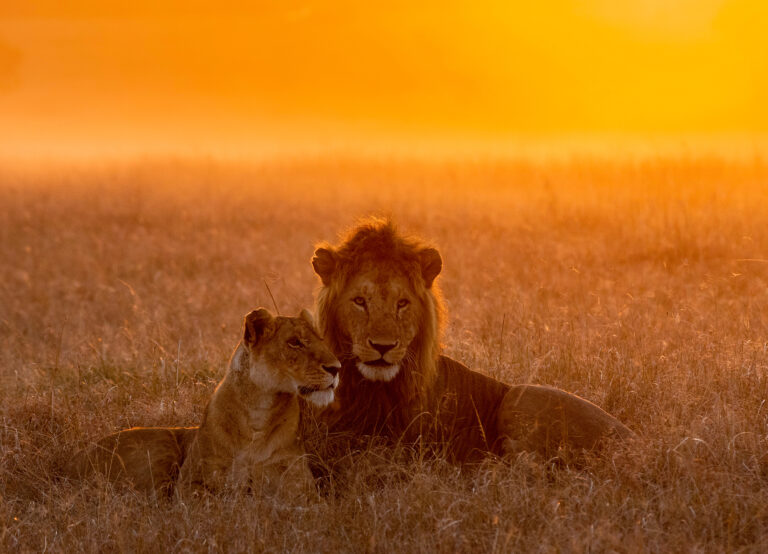
The light can be soft and golden one moment, raw and dramatic the next. The wildlife is unpredictable, powerful, and full of character. One day you may be photographing elephants crossing a dusty plain. Next, you may be watching a cheetah rise in the grass while every camera in the vehicle suddenly goes very quiet.
But great wildlife photography is not just about seeing animals. It is about learning to recognize what is about to happen before it happens.
That is a big part of what I teach on safari.
In the field, we work with photographers on how to:
- anticipate wildlife behavior
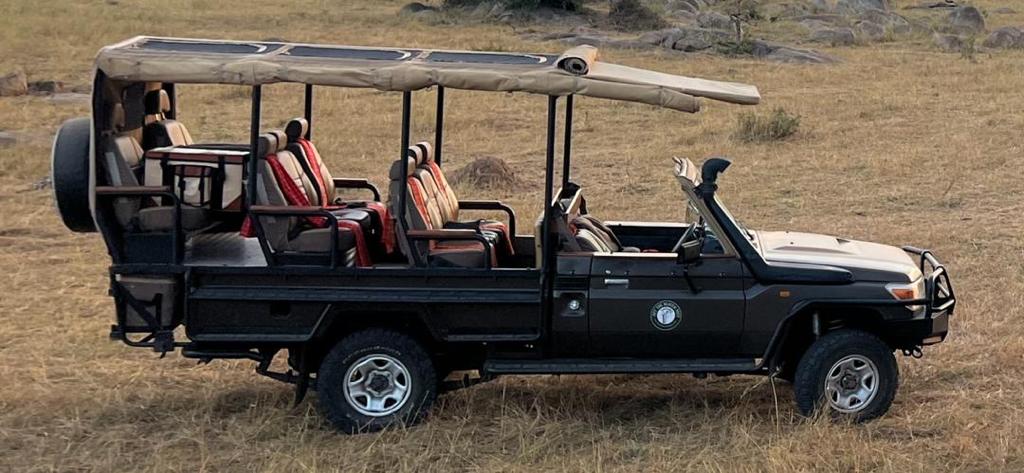
- use vehicle position for cleaner backgrounds
- understand light direction and how it shapes an image
- control exposure in difficult situations
- prepare for action, whether that is a bird taking flight or a predator making its move
- build stronger compositions that tell a story, not just record a sighting
A lot of that teaching happens in real time.
Sometimes it is a quiet comment just before the moment unfolds.
“Watch that lion’s ears.”
“Look at the zebra shifting.”
“If that cheetah stands, be ready.”
Those are the moments photographers remember. Not just because they saw something special, but because they learned how to recognize it for themselves.
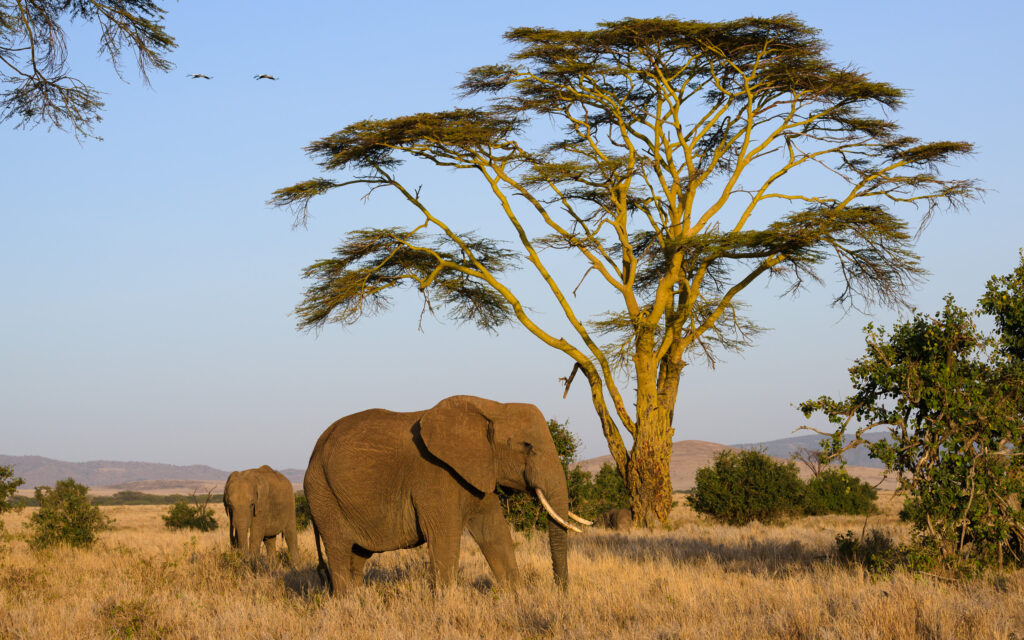
Photography Safaris in Tanzania, Namibia, Kenya, Zambia, and South Africa
Over the years, we have had the privilege of leading photo safaris across some of Africa’s most extraordinary destinations. Each one offers its own rhythm, its own beauty, and its own lessons for photographers.
Tanzania
Tanzania is wild, dramatic, and full of movement. In the Serengeti, the story is always unfolding. Predator and prey, dust and light, tension and release. It is one of the finest places in the world for photographers who want to capture wildlife behavior, action, and the raw feeling of the African plains.
Namibia
Namibia feels different the moment you arrive. The space, the silence, the shape of the land — it all asks photographers to slow down and see differently. From the towering dunes of Sossusvlei to desert-adapted wildlife and the weathered rooms of Kolmanskop, Namibia is a dream for photographers who love mood, design, and strong visual storytelling.
Kenya
Kenya offers that classic safari feeling so many photographers dream about. Big cats on the Maasai Mara. Elephants beneath Mount Kilimanjaro in Amboseli. Powerful wildlife, sweeping landscapes, and moments that feel almost too perfect to be real. Kenya is one of those places that can leave a first-time safari guest speechless and still challenge a seasoned photographer to do better work.
Uganda
Uganda offers one of the most intimate wildlife photography experiences in Africa. While it may not have the endless savannahs of East Africa, what it does offer is something far more personal — the chance to step quietly into dense forests and come face to face with mountain gorillas in their natural home.
Zambia
Zambia has a more untamed feel. It is one of those places photographers tend to fall in love with once they have experienced it. The wildlife encounters can feel intimate and unhurried, and the sense of wilderness is part of what makes it so special. For photographers who want something a little deeper, a little less polished, and very real, Zambia is a remarkable place to work.
South Africa
South Africa is one of the best places for photographers heading to Africa for the first time. Wildlife viewing is often excellent, the pace can be very rewarding, and it gives photographers the chance to build confidence while still creating strong images. It is also a fantastic place to refine technique and learn how to work quickly when the right moment appears.
Each of these countries teaches photographers something different. That is one reason we keep returning. Africa always has another lesson waiting.
Our Philosophy: Photo Safaris Designed for Both Beginners and Experienced Photographers
One of the questions we hear often is this:
“Do I need to be an advanced photographer to join one of your safaris?”
Not at all.
You do not need to arrive with years of experience or a portfolio full of perfect wildlife images. You just need curiosity, a willingness to learn, and the excitement to be there.
We design my safaris so that photographers of different skill levels can grow in meaningful ways. That matters because not every photographer comes to Africa for the same reason. Some are there for their first true wildlife photography experience. Others have photographed safari before and want to go beyond the basic animal portrait.
Both deserve a safari that meets them where they are.
My job is to help beginners feel supported, and help experienced photographers feel challenged. When that balance is right, the whole safari becomes stronger.
Photography Safaris for Beginner Wildlife Photographers
For a beginner, Africa can feel like drinking from a fire hose.
The wildlife is moving. The light is changing. Your heart is pounding because there is a leopard in a tree and you are trying to remember which button changes your autofocus settings. It happens. Nobody is handed a camera with safari instincts built in.
That is why beginner-friendly safaris need more than good wildlife. They need guidance.
On these workshops, we help photographers build confidence with the fundamentals:
- camera settings for wildlife photography
- autofocus for moving animals
- shutter speeds for action
- tracking birds in flight
- managing exposure in bright or contrasty African light
- lens choice and field technique
Just as important, we create space for questions. No pressure. No pretending. No feeling like you should already know it all.
There is a real joy in watching someone go from overwhelmed to confident, then from confident to excited, and finally to that grin that appears when they realize they just made their best wildlife image yet.
That is a good day on safari.

Photography Safaris for Experienced Photographers
Experienced photographers usually arrive with a different goal.
They already know their gear. They are not looking for someone to explain where the shutter button is. They want better light, cleaner compositions, stronger behavior, more intention, and images with weight behind them.
That is where the teaching shifts.
For experienced photographers, we often focus more on:
- reading behavior before the action happens
- understanding predator-prey dynamics
- using vehicle position for cleaner, more deliberate compositions
- working with dramatic or difficult light
- creating portfolio-level wildlife images
- building storytelling sequences instead of isolated frames
We also explore more creative ideas — motion blur, environmental wildlife portraits, visual tension, layers, mood, and the kind of decisions that turn a solid sighting into a memorable photograph.
Many experienced photographers come on safari because they want more than a sharp picture of an animal looking at the camera. They want to create work that feels alive. That is a very different pursuit, and it is one I love helping people chase.
Teaching Beyond the Game Drive: Image Review and Post-Processing
Safari does not end when the vehicle rolls back into camp.
Some of the most valuable teaching happens later, when the dust settles, the cards are full, and we sit down to look at what the day gave us.
That is where photographers often begin to understand their own work more clearly.
During image review and post-processing sessions, we talk through things like:
- selecting the strongest images from the day
- refining composition through cropping
- improving tonal balance and contrast
- adjusting color and white balance
- preparing files for printing or sharing online
Post-processing matters because it helps photographers finish the image with the same care they used to capture it. It also teaches them how to shoot more intentionally the next day.
That connection between the field and the edit is a big part of how photographers improve faster. You begin to see what worked, what almost worked, and what you want to do differently when the next lion lifts its head into the light.

Why Small Group Photo Safaris Make Such a Difference
Group size matters more than people think.
A large group may look attractive on paper because the price can be lower, but crowded vehicles rarely lead to a better photography experience. Too many photographers means less flexibility, less space, less comfort, and more compromise when the moment matters most.
That can mean poor shooting angles. Cluttered backgrounds. Limited movement. Missed chances. And there is nothing quite like realizing the best light of the morning is happening on the other side of the vehicle while you are trying to photograph around three elbows and a beanbag.
That is why I prefer small group safaris.
Small groups give photographers room to work, room to learn, and room to breathe. They allow for more personal instruction in the field, more thoughtful conversations, and a better chance for each photographer to come away with the images they hoped for when they first dreamed of Africa.
The Real Goal of a Wildlife Photography Safari
At the end of a safari, I do not measure success by how many frames someone shot.
The real goal is deeper than that.
We want photographers to return home with stronger skills, better instincts, more confidence, and images that bring them right back to the dust, the light, and the feeling of being there. I want them to understand wildlife photography more deeply than they did before they arrived.
Africa has a way of teaching patience. It teaches observation. It teaches humility, too. Sometimes the best moments come because you waited longer, watched more carefully, and resisted the urge to rush.
That is part of why I keep returning. Every safari offers something new. Every landscape, every animal, every morning drive has the chance to remind us why we picked up a camera in the first place.

Join Us on an African Photo Safari
If an African photo safari has been living quietly on your bucket list, this may be the right time to answer it.
Whether you are dreaming of your first safari or looking for a more thoughtful, photography-first experience after many trips to Africa, my workshops are designed to help you grow. We teach in the field. We work through images afterward. We keep the groups small. And we build these safaris for photographers who want more than a checklist of sightings.
We travel to Tanzania, Namibia, Kenya, Zambia, and South Africa because each destination offers something different, and each one has the power to change the way you see.
Come for the wildlife. Come for the light. Come for the chance to stand in one of the great photographic arenas on earth and create images that feel earned.
Africa always has something to teach the photographers willing to watch, wait, and step into the moment.