Why I Love Zimanga for an African Photo Safari
By Kevin Pepper |
There are places in Africa that give you wildlife sightings.
Then there are places that give you time and space to photograph that wildlife.
That is one of the reasons I love Zimanga Private Game Reserve in South Africa. It is not just another safari destination with animals, game drives, and a nice lodge. Zimanga feels like it was built by people who understand what photographers actually need in the field.
Low angles. Clean backgrounds. Time with subjects without fighting crowds. Purpose-built hides. Small groups. Good light. Guides who understand when to move, when to wait, and when to shut the engine off and let the moment happen.
For a photographer, that matters.
Zimanga Was Built With Photographers in Mind
At some reserves, you are sharing sightings with several other vehicles. You may have a great subject, but the angle is wrong, the background is cluttered, or the vehicle has to move on before the moment has really developed.
Zimanga is different.
The entire experience is designed around photography. The safari vehicles are built for low-level shooting. The hides are positioned for eye-level encounters. The reserve offers a mix of game drives, day hides, lagoon hides, vulture hides, and overnight hides that create an incredible variety of photographic opportunities.
You are not just hoping something walks past your vehicle. You are placing yourself in situations where strong photographs will happen.
That is the difference.
Low-Level Game Drives Make a Huge Difference
One of the first things I immediately noticed at Zimanga is the angle of your photography.
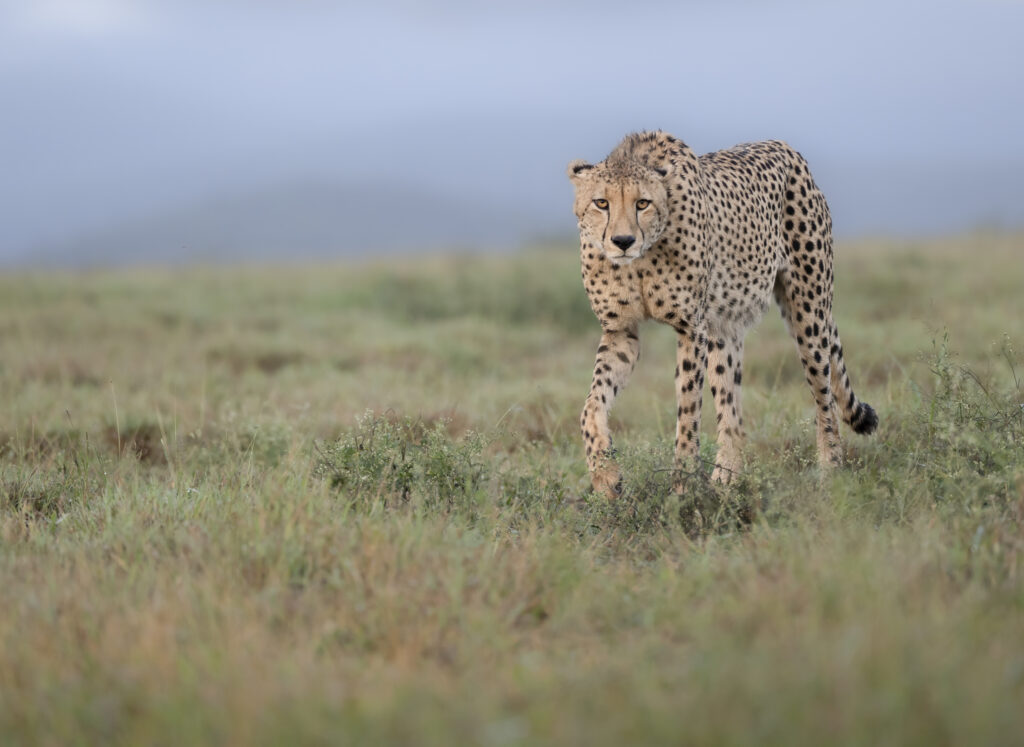
The vehicles are designed so you can photograph closer to eye level. That may sound like a small detail until you look at the files afterwards. It’s all at eye level!!!
Low angles make wildlife feel more powerful, more intimate, and more connected to the viewer. A rhino photographed from above can look like a record shot. A rhino photographed from the ground, with dust in the air and the animal’s eyes level with your lens, feels completely different.
The same goes for lions, elephants, giraffes, antelopes, birds, and everything else that moves through the reserve.
When you get lower, the background often improves. The subject separates better. The photograph has more presence.
And thankfully, your knees do not have to file a formal complaint, because the vehicle is doing the low-angle work for you.
No Safari Traffic Jams
Another thing I really appreciate about Zimanga is the lack of safari chaos.
If you have photographed in some of the famous East African parks, you know how remarkable those places can be. I love them. But at certain sightings, especially with big cats, the number of vehicles can grow quickly.
At Zimanga, the experience feels more controlled and more personal.
You are not surrounded by a crowd of vehicles all trying to photograph the same lion. You are not fighting for position. You are not trying to shoot around mirrors, doors, heads, hats, and someone’s iPad being held up like the Ten Commandments.
You have the room to work.
That gave me the chance to slow down, study the scene, think about backgrounds, and wait for better behaviour. It turned the safari from a race into a learning experience.
That is exactly the kind of environment where people improve.

The Hides Are a Photographer’s Dream
The hides at Zimanga are one of the big reasons I love this reserve.
They are not an afterthought. They are not a wooden box stuck near a waterhole with a small hole to poke your lens through.
They are purpose-built photographic spaces.
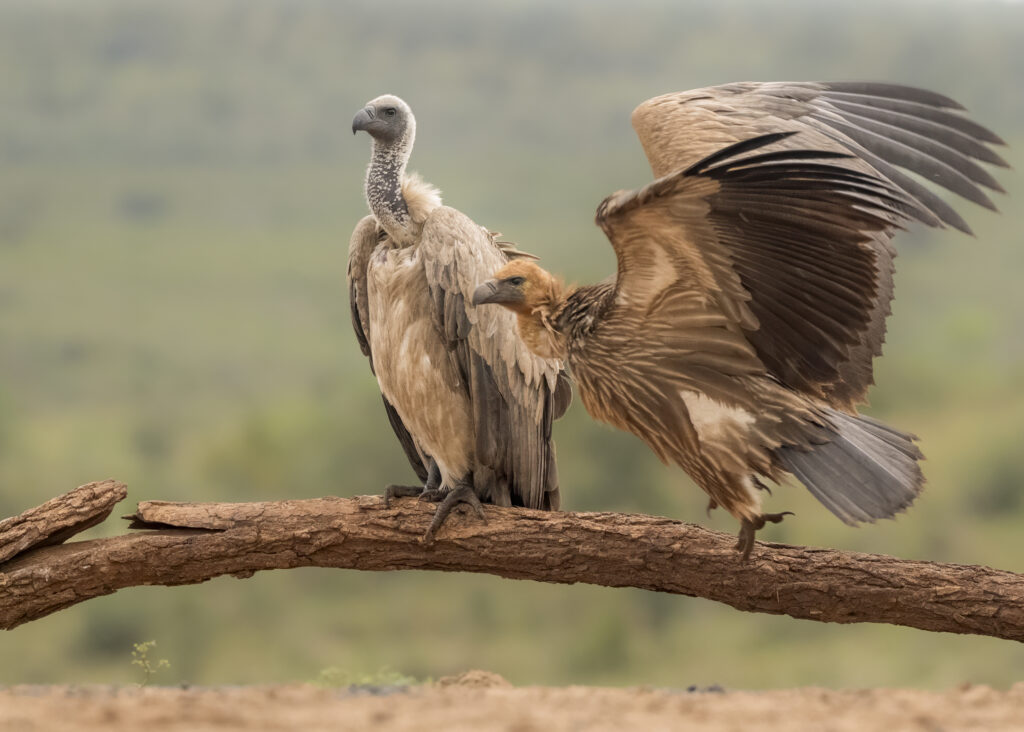
The lagoon hide gives photographers a low, water-level perspective that can be excellent for birds, reflections, behaviour, and clean compositions. The vulture hide offers another completely different opportunity, especially for dramatic action, wings, movement, and interaction.
Then there are the overnight hides.
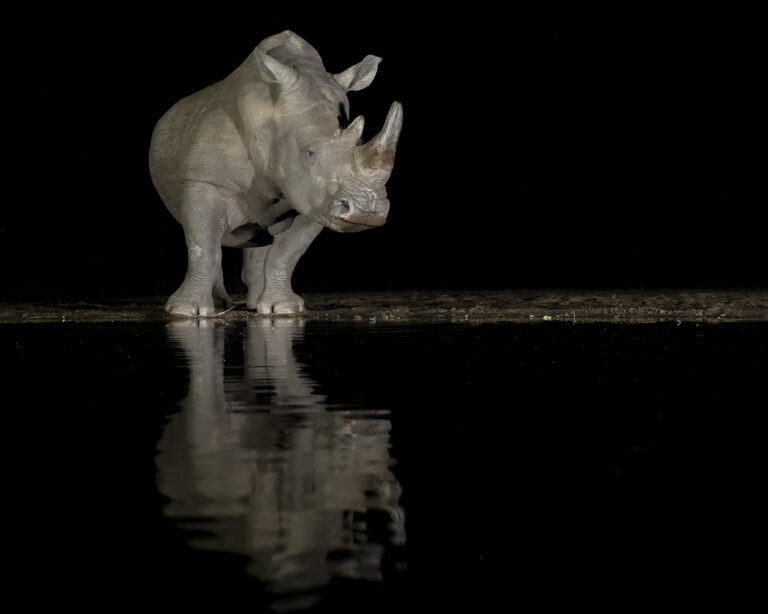
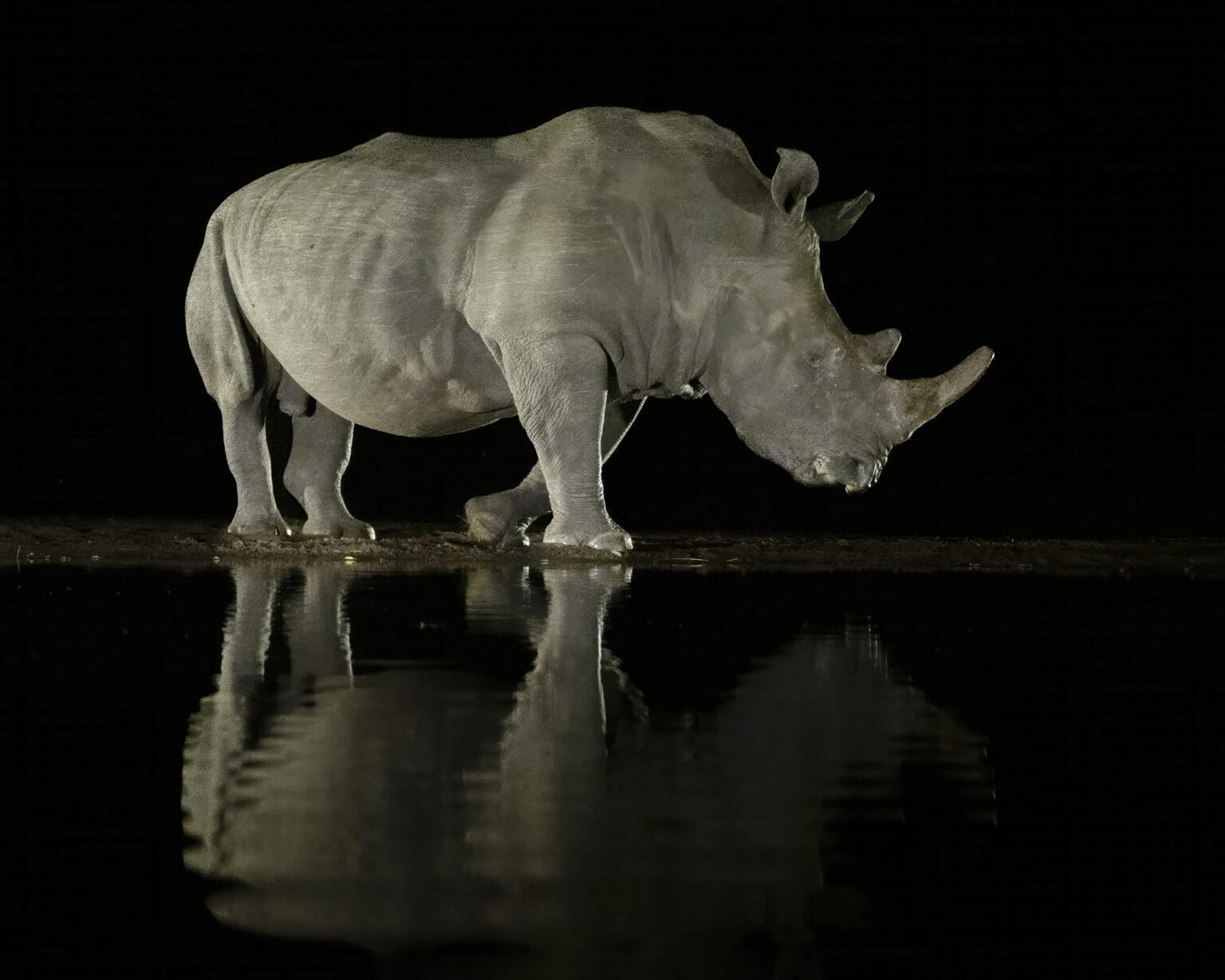
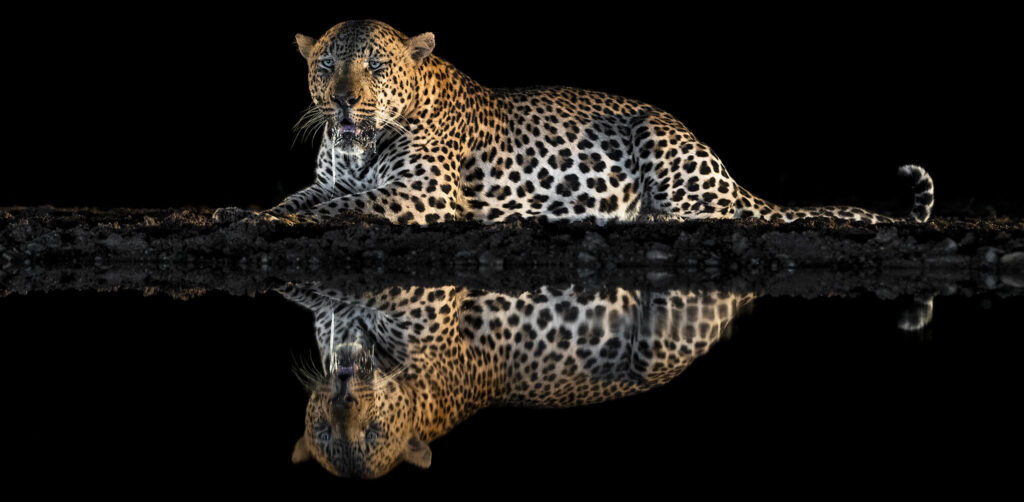
These are some of the most exciting photographic experiences you can have on safari. You settle in for the night, cameras ready, waiting in the dark as wildlife comes to water. The scene is quiet. The pool reflects the animals. The floodlit setup creates a mood that feels unlike anything you photograph during the day.
Rhinos, buffalo, elephants, lions, and other wildlife can appear just metres away.
It is part photography, part patience, part “please don’t sneeze right now.”
The Overnight Hides Teach Patience
The night hides are not about machine-gunning every subject that appears.
They reward patience.
You learn to wait for reflections to settle. You learn to watch how an animal approaches water. You learn to anticipate when it may lift its head, turn sideways, interact with another animal, or step into a better part of the composition.
You also learn very quickly that silence matters. Small movements matter. Working as a quiet, respectful group matters.
This is where small-group photography really shines. When only a few photographers are working together, everyone has room to compose, adjust, and think. You are not competing with a crowd. You are part of a quiet rhythm.
And when the moment finally happens, it feels earned… and you can’t wait to share the photos with your family back home.
The Variety Keeps You Sharp
One of the great strengths of Zimanga is the variety.
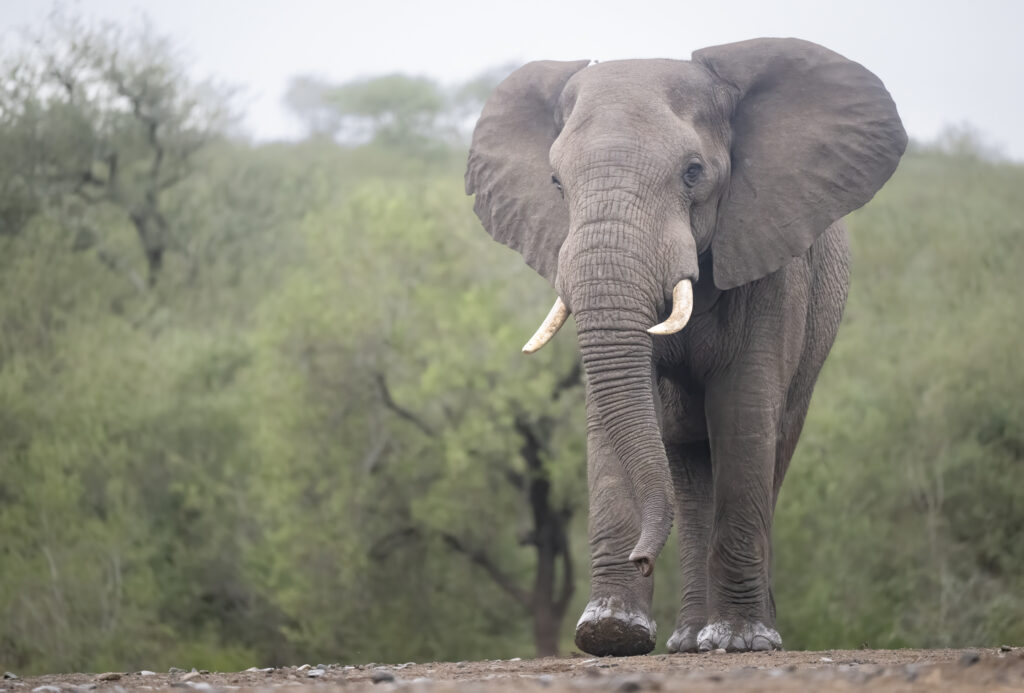
On one day, you may be photographing lions on a game drive. Later, you may be working birds from a hide. That night, you may be in an overnight hide waiting for rhino reflections. The next morning, you may be back in a vehicle working with elephants, giraffes, zebra, or antelope in beautiful light.
That variety is good for your photography.
It forces you to make different decisions. Long lens or wide angle. Fast shutter or slower shutter. Portrait or environmental image. Tight frame or negative space. Behaviour or clean composition.
This is not a safari where one lens and one approach will solve every problem.
That is why I enjoy teaching here. Zimanga gives us real situations where photographers can learn how to adapt.
The Guides Understand Photography
A great safari guide can make or break a photographic experience.
At Zimanga, the guides understand photographers. They know that the best sighting is not always the closest sighting. They understand backgrounds, light direction, animal behaviour, and vehicle position.
That matters more than people realize.
A lion standing in poor light against a messy background may be exciting to see, but it may not make a strong photograph. A good photographic guide knows how to position the vehicle, when to wait, and when a better opportunity may be coming.
That kind of guidance helps photographers create better images, not just collect sightings.
Zimanga Is a Safari Where Teaching Makes Sense
Some safaris move too fast for real instruction. You are bouncing from sighting to sighting, trying to keep up with the action.
Zimanga gives us the right environment to teach.
We can talk about light. We can discuss why one background works better than another. We can help with camera settings before the action happens. We can review choices in the field and explain what to watch for next time.
That is one of the reasons I think Zimanga is such a strong fit for an African photo workshop.
It is exciting, but it is also practical. It gives photographers the chance to make strong images while learning skills they can use long after the safari ends.
It Feels Premium Without Feeling Pretentious
I also love that Zimanga delivers a very comfortable safari experience without losing the focus on photography.
The lodge is excellent. The food is excellent. The pace is thoughtful. You can work hard in the field, come back, recharge, eat well, rest, review images, and head back out ready to shoot again.
That balance matters.
A photography safari is demanding. Early mornings, long days, dust, gear, batteries, memory cards, changing light, changing subjects — it all adds up.
Having a comfortable base makes the experience better. It lets photographers focus on the reason they came: the photography.
And yes, being well-fed does improve morale. This is science. Or at least safari science.
Why I Keep Wanting to Go Back
I love Zimanga because it gives photographers an opportunity with intention.
It is not just about seeing wildlife. It is about being in the right place, at the right height, with the right light, and enough time to make something meaningful from the encounter.
For me, that is what separates a good safari from a great African photo safari.
Zimanga has the wildlife. It has the hides. It has the vehicles. It has the guiding. It has the comfort. But more than that, it has the structure that helps photographers improve.
That is why I keep wanting to bring people there.
Because I know what can happen when the light is right, the guide has us in position, the group is quiet, and the animal steps into the frame.
That is the moment we all came for.
Join Us at Zimanga
If you want an African photo safari built around photography, not just wildlife viewing, Zimanga is one of the best places I have experienced.
If you want low-level wildlife photography, purpose-built hides, night hide sessions, close encounters, excellent guiding, hands-on instruction, and a small-group environment where you can actually learn, this is a safari worth considering.
We would love to have you join us in South Africa.
Bring your camera. Bring your patience. Bring extra memory cards.
Zimanga has a habit of filling them.