Beyond the Photograph: Our Kenya Tribes and Wildlife Safari Trip Report
By Kevin Pepper |
Some photography workshops are remembered for the photographs. Others stay with you because of the people, the conversations and the moments that could never have been placed on an itinerary. On a recent Kenya Tribes and Wildlife Photography Workshop, we were given all of that.
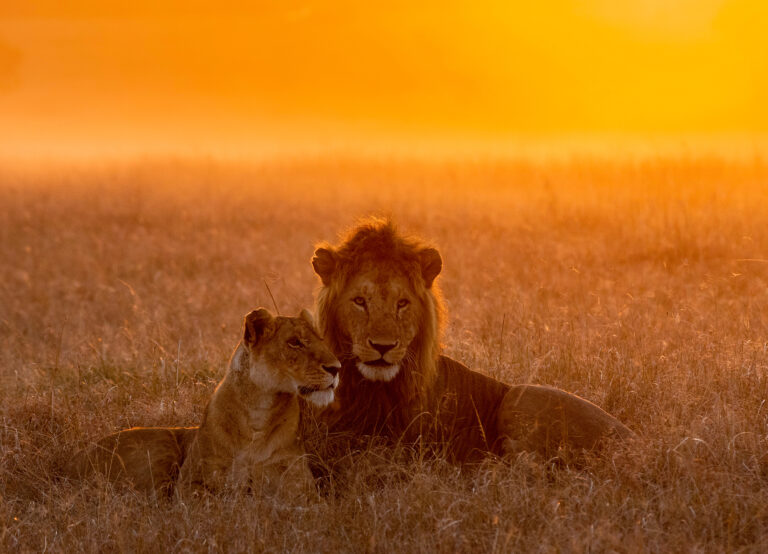
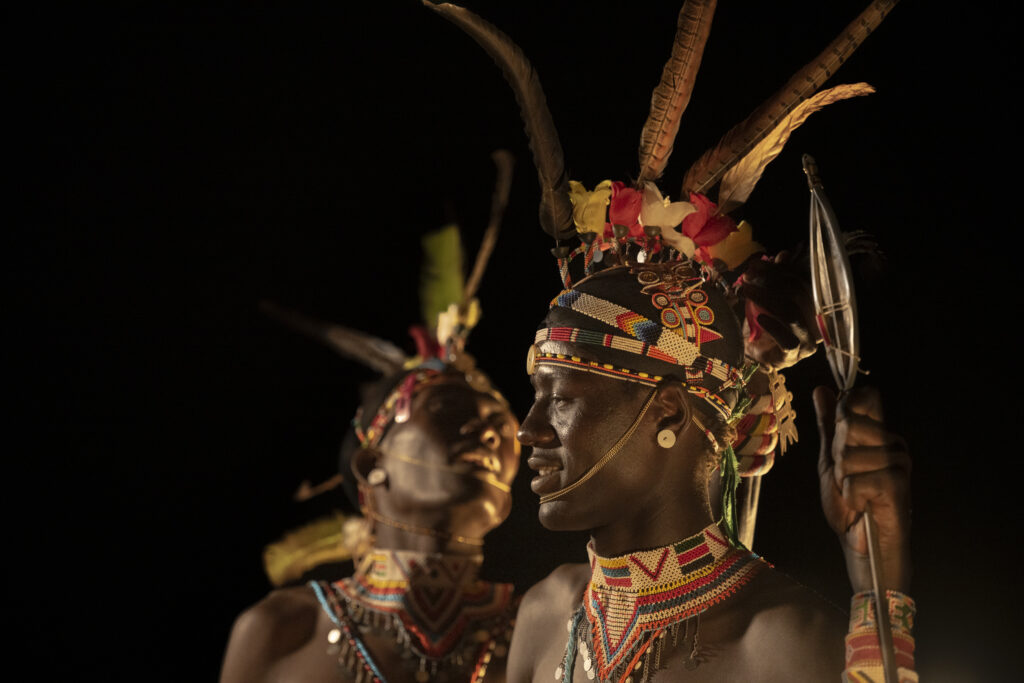
With a small group of just four photographers, we travelled through Kenya to spend time with the Samburu, Rendille and Maasai communities. We also visited the Samburu area and the Maasai Mara, where our wildlife photography focused heavily on Kenya’s big cats.
But the heart of this journey was always going to be the people.
Creating Environmental Portraits with Purpose on our Kenya Tribes and Wildlife Workshop
Photographing people well requires more than choosing the correct camera settings and pointing a lens in someone’s direction.
Before each portrait session, we discussed what makes an environmental portrait successful. We looked at the direction and quality of the light, backgrounds, clothing, body position and the elements within the scene that could help tell a larger story.
The goal was not simply to photograph a person. It was to create a portrait that showed something about who they were, where they lived and the culture they represented.
We taught our photographers how to recognize locations within the communities that would work well for portraits. Sometimes that meant using the entrance to a traditional home. At other times, it meant working with the open landscape, using the warm earth, distant hills or livestock as part of the composition.
We also worked on how to position our subjects without making the photographs feel overly arranged. Small changes to the hands, shoulders, direction of the face or placement within the background could make a significant difference.
Just as importantly, we talked about when not to direct.
Some of the strongest photographs came from allowing conversations and daily activities to unfold naturally. Our photographers learned to watch for gestures, expressions and interactions rather than trying to control every moment.
The Conversations Before the Photographs
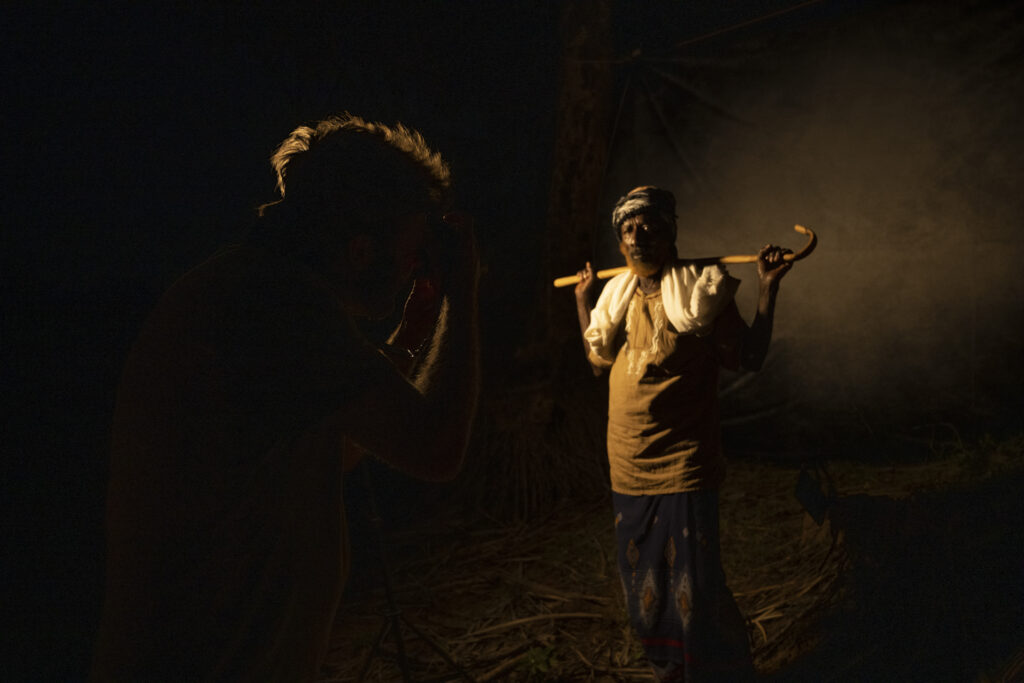
Our photography sessions on our Kenya Tribes and Wildlife Workshop rarely began with cameras raised.
They started with introductions, conversation and laughter.
We spent time learning about the people we were photographing, asking questions and sharing stories of our own. This helped everyone become comfortable before the photography began. It also reminded us that the people standing in front of our cameras were not simply subjects. They were parents, grandparents, children, community leaders, herders and friends.
There was plenty of laughter. Some of it crossed the language barrier without needing any translation. A smile, a joke or a playful reaction to seeing a photograph on the back of a camera was often enough to bring everyone together.
Those moments changed the photography.
Expressions became more natural. People relaxed. Our group stopped feeling like visitors standing outside the community and began to feel like guests who had been invited in.
After our sessions, the conversations continued. We showed people the photographs we had created, thanked them for their time and talked about what we had experienced together.
The camera may have introduced us, but it was the time spent talking that created the connection.
An Invitation We Could Never Have Planned
One of the most meaningful experiences of the workshop happened because of the relationships our local guides have built with the Samburu communities.
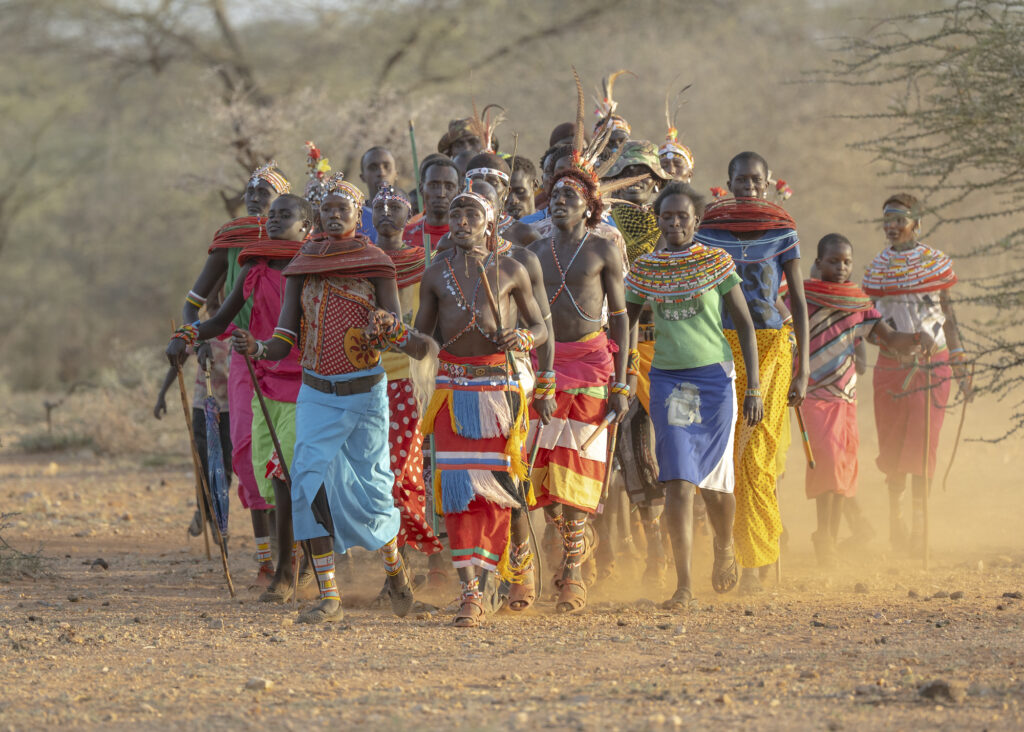
During our visit, we were invited to attend a Samburu wedding.
This was not a performance arranged for photographers. It was a real community celebration, and we understood the significance of being welcomed into it.
The invitation demonstrated why strong local relationships matter so much. Our guides were not strangers arriving with a group of tourists. They were known and trusted within the community. Because of that trust, our small group was welcomed as guests.
We entered carefully and respectfully, knowing that the wedding was not about us or our photographs. We were there to observe, participate when invited and document the celebration without interfering with it.
The atmosphere was filled with colour, movement, singing and laughter. Families and friends gathered together as traditions were honoured and a new chapter began for the couple.
Being invited into such a personal occasion gave us a much deeper understanding of the community. We were no longer photographing a cultural demonstration created for our benefit. We were witnessing an important moment in people’s lives.
There is a responsibility that comes with that kind of access. We spoke with our photographers about reading the room, understanding when it was appropriate to photograph and knowing when to lower the camera and simply experience what was happening.
Sometimes the most respectful thing a photographer can do is stop taking photographs.
The Advantage of Four Photographers
Our group of four made a significant difference throughout the workshop.
In the communities, it allowed us to work without overwhelming the people we were visiting. There was room for everyone to move carefully, explore different compositions and receive individual instruction.
It also meant we could slow down.
No one had to fight for a position or rush through a portrait before someone else stepped in. Each photographer had time to consider the background, adjust the light, communicate with the person they were photographing and make deliberate decisions.
During our wildlife photography in Samburu and the Maasai Mara, the small group gave everyone room to work from the vehicles and respond quickly when photographic opportunities appeared.
Big cats do not wait while photographers organize themselves.
We spent our safari time watching for behaviour, clean backgrounds, strong light and the brief moments when a lion, leopard or cheetah gave us something more than a simple identification photograph.
The lessons were similar to those we had discussed during our cultural sessions: pay attention, anticipate the moment and build a photograph that says something.
A Private Camp Built Around Our Group
Another part of this workshop that made the experience so different was the exclusivity of our accommodations.
In remote areas, private camps were established specifically for our group. These were not crowded lodges filled with other safari vehicles and large tour groups. The camp was ours, allowing us to experience the landscape in a quieter and more personal way.
Returning to camp after a day of photography felt less like arriving at a hotel and more like coming home to our own corner of Kenya. We could sit together, review the day, discuss photographs and enjoy the stillness of the surrounding wilderness without distraction.
Our private chefs prepared meals for the group, giving us the flexibility to organize our days around the photography rather than a fixed hotel schedule. Early departures, late returns and changing conditions could all be accommodated. The experience was comfortable, personal and designed around the needs of photographers.
We also travelled in spacious safari vehicles, giving each photographer the room needed to work properly. There was space for cameras, long lenses and personal equipment without feeling crowded. Everyone had a strong shooting position and the freedom to move quickly when the action shifted from one side of the vehicle to the other.
These details may sound small, but in the field they matter. Private camps, dedicated staff and spacious vehicles gave us more control over our time, more comfort during long days and a far more exclusive experience.
Everything was arranged around our group and our photography.
Learning to Photograph People with Confidence
Many photographers are comfortable photographing wildlife but feel uncertain when turning their cameras toward people.
Part of our responsibility was helping the group move beyond that discomfort.
We discussed how to approach people respectfully, how to communicate through our guides and how to offer direction without making someone feel like a prop. We worked on camera settings, lens selection, focus placement, exposure and composition, but the most important lesson was how to establish trust.
A technically perfect portrait means very little when there is no connection behind it.
Over the course of the workshop, we watched our photographers become more confident. They began to look beyond the obvious photograph and search for quieter moments. They noticed interactions between family members, children watching from doorways and small details that helped complete the story of a place.
They learned that cultural photography is not about collecting faces. It is about showing people with honesty, dignity and context.
More Than a Collection of Photographs
We returned home with portraits, cultural images and photographs of Kenya’s big cats. But the photographs are only part of what remained with us.
We remember the laughter that broke out during our sessions. We remember the conversations before the cameras came out and the gratitude shared after they were put away. We remember the privilege of being invited to a Samburu wedding and the feeling of standing within a community rather than observing it from the outside.
Those experiences cannot be manufactured.
They come from travelling with people who have earned the trust of the communities we visit. They come from keeping groups small, taking the time to listen and understanding that meaningful access carries a responsibility.
This workshop reminded us that the best cultural photographs are rarely created by arriving, taking a picture and leaving.
They are created through patience, conversation and connection.
The photographs will help us remember what Kenya looked like.
The people will help us remember how it felt.

Join us When We Return on Our Next Kenya Tribes and Wildlife Workshop
When we return to Kenya, we will build on everything that made this workshop so memorable while making the wildlife portion even stronger.
The next itinerary adds Amboseli and Solio, giving our photographers more opportunities to photograph Kenya’s wildlife in two very different settings. Amboseli is known for elephants beneath Mount Kilimanjaro, while Solio offers excellent opportunities to photograph rhinos and other wildlife in open landscapes.
These additions complement the cultural experiences that remain at the heart of the workshop. With only four photographers, trusted local guides, private camps, dedicated chefs and spacious safari vehicles, the trip is designed to offer meaningful access, personal instruction and more time in the right places.
Join us as we return to Kenya for environmental portraiture, genuine community experiences and a stronger, more complete wildlife itinerary.