
Rendille, Samburu, and Maasai: Kenya’s Living Cultures (and How to Photograph Them Well)
By Kevin Pepper |
Some places don’t feel like “a destination.” They feel like a doorway. In Kenya, you can still meet communities where identity is carried through language, livestock, family roles, and ceremony—things that don’t fit neatly into a caption. The Rendille, Samburu, and Maasai are three of the best-known pastoralist peoples in the country, each with its own history and homeland.
This post covers:
- a quick, respectful history of each community
- where they’re found today
- how modern life is changing traditions
- the key differences between the three
- whether they’re related
- and, at the end, a workshop I lead to photograph all three—with the right approach
(Small note: “tribe” is a common word in travel writing, but many people prefer “community,” “people,” or “ethnic group.” I’ll use a mix here, with respect.)

The Maasai: A name tied to language, land, and cattle
The term Maasai is closely tied to language: it refers to people who speak Maa, an Eastern Sudanic language, and to a pastoral way of life built around cattle.
Where they live today:
Maasai communities are found mainly in southern Kenya and northern Tanzania.
A few cultural anchors (without turning people into “tourist facts”):
- A strong age-set system that organizes life stages and responsibilities
- Livestock as livelihood, status, and tradition
The Maasai are famous in photographs. The real privilege is meeting them as people—on their terms, not ours.
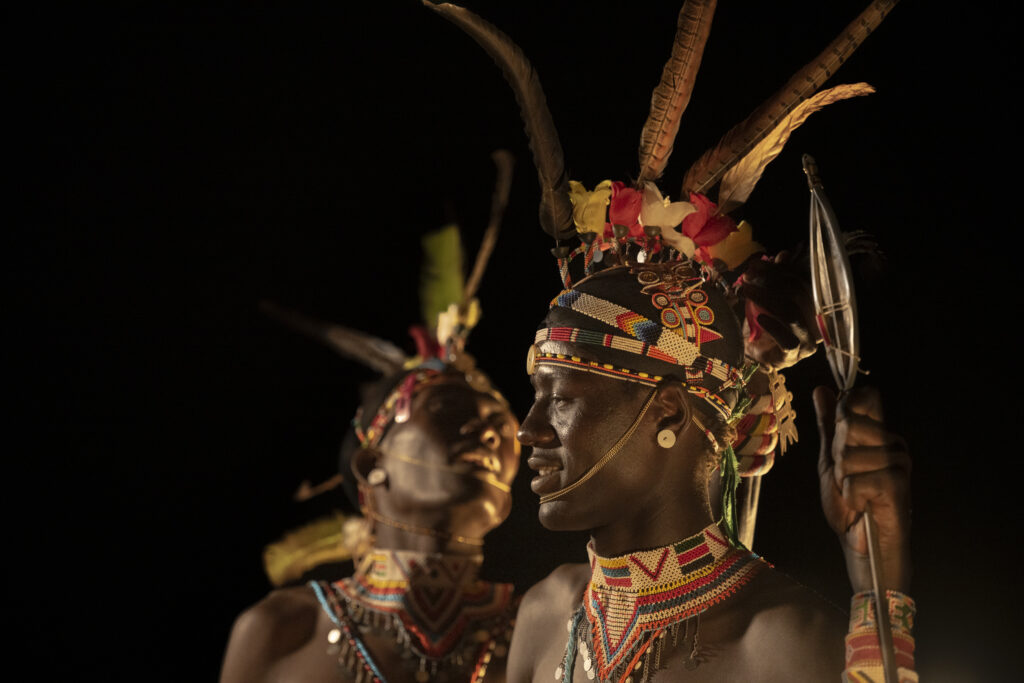
The Samburu: Maa-speaking pastoralists of north-central Kenya
The Samburu are a Nilotic people in north-central Kenya, widely known as semi-nomadic pastoralists. They speak the Samburu dialect of Maa, and many Samburu consider themselves closely connected to the broader Maa world (including the Maasai).
Where they live today:
Primarily in and around Samburu County.
What you’ll notice (especially as a photographer):
- Distinct adornment and beadwork traditions
- A northern Kenya rhythm—dry country, big distances, and communities shaped by movement and resilience

The Rendille: Cushitic-speaking camel pastoralists of Kenya’s arid north
The Rendille are a Cushitic-speaking pastoralist people of northern Kenya, concentrated around Marsabit and arid regions such as the Kaisut Desert and Mount Marsabit. Their language belongs to the Cushitic branch of the Afroasiatic family.
Camels matter here—not as a “fun fact,” but as a practical answer to life in harsh, dry country. They’re central to mobility and survival for many families.
Are they related?
Samburu and Maasai: yes—closely
Samburu and Maasai are both Maa-speaking, with strong cultural connection within the wider Maa world.
Rendille and the Maa peoples: not by language, but connected by real life
Rendille are Cushitic-speaking, so linguistically they’re different from Maa-speaking Samburu and Maasai.
But in northern Kenya, neighboring communities don’t live in separate boxes. There has been long interaction between Rendille and Samburu, including the Ariaal, described in research as a population of mixed Samburu and Rendille.
So: Samburu ↔ Maasai are closest in language; Rendille ↔ Samburu have some of the most interesting day-to-day overlap because they share geography and history.
Where you’ll find them now (quick map in words)
- Maasai: southern Kenya / northern Tanzania
- Samburu: north-central Kenya, especially Samburu County
- Rendille: northern Kenya, especially Marsabit region, Kaisut Desert / Mount Marsabit
How these cultures are changing (and why “decline” is complicated)
People often say, “these cultures are disappearing.” The truth is less dramatic—and more real.
What’s happening is pressure + adaptation:
- Climate volatility and drought cycles make pastoral life harder to sustain
- Education, phones, and wage work change what young people want and what families need
- Land access shifts as boundaries, settlements, and conservation areas reshape movement
- Tourism can help support communities—or reduce them to performances if handled carelessly
The important point: these are living cultures making choices in a modern world. Our job as visitors is to show up with humility, not assumptions.
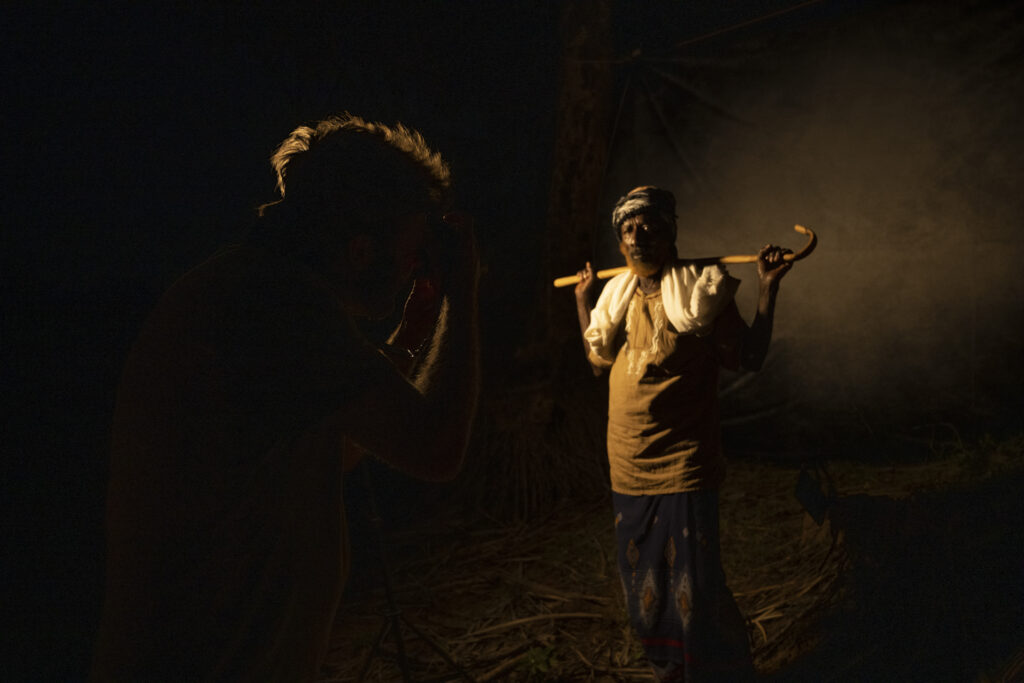
The differences that matter (especially for photographers)
1) Language roots
- Maasai + Samburu: Maa-speaking (Eastern Sudanic)
- Rendille: Cushitic-speaking (Afroasiatic family)
2) Geography and environment
- Maasai: more commonly linked with the grasslands of the south
- Samburu + Rendille: northern Kenya drylands
3) Livelihood emphasis
- Samburu and Maasai: cattle-centered pastoralism
- Rendille: camel pastoralism is a defining adaptation in arid country
4) Cultural overlap
- Rendille and Samburu: documented interaction and blending, including Ariaal communities
How to photograph cultures in Kenya with respect
This is where I get blunt: great cultural photography is earned. Not taken.
Here’s the approach I teach and enforce:
- Permission first. A “yes” matters more than a “shot.”
- Slow down. The best portraits happen after conversation, not before.
- No “stealing.” Long lenses don’t turn people into wildlife (thankfully).
- Watch body language. If someone’s uncomfortable, you stop.
- Work through trusted local hosts. Relationships protect everyone.
- Give dignity in the frame. Backgrounds, posture, gesture—these tell the truth.
- Leave something good behind. Whether that’s fair compensation, agreed support, or simply respect and gratitude—make the visit mutually meaningful.
If your goal is “wow, look how different,” you’ll come home with clichés. If your goal is “I want to understand,” you’ll come home with photographs that last.
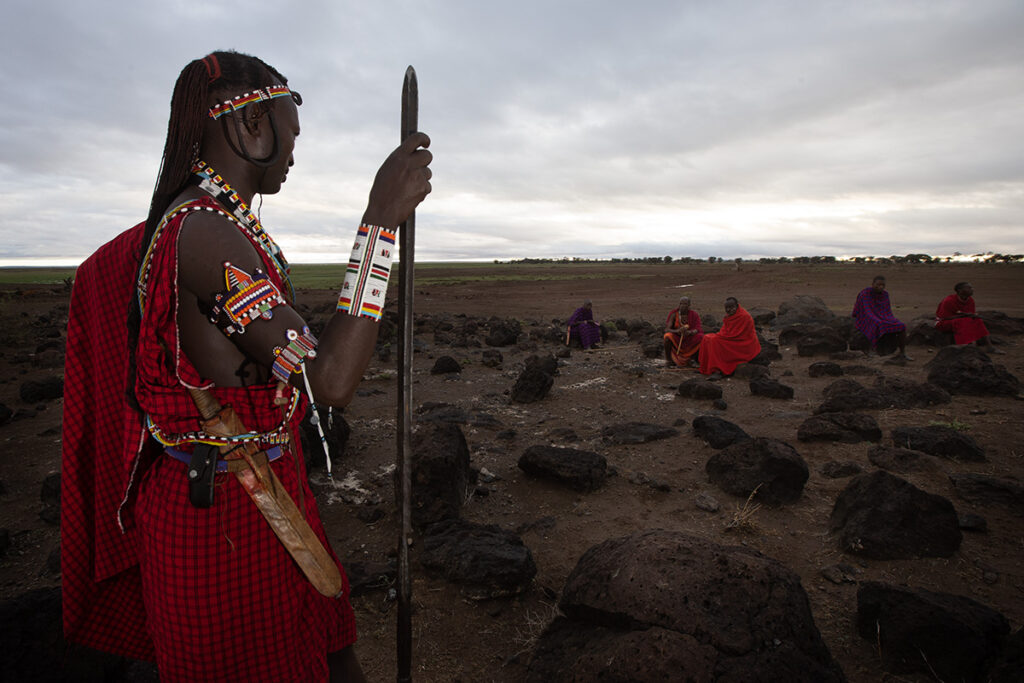
Our Kenya Tribes & Wildlife Photography Workshop
This is one of my favorite trips I’ve ever led because it combines my two biggest passions: culture and wildlife—and it’s designed for photographers who want both, done properly.
What we photograph
- Rendille, Samburu, and Maasai communities (with time to do it right)
- Wildlife that rounds out the Kenya story:
- Predators
- Elephants in Amboseli
- Rhino at Solio
What I teach (hands-on, in the field)
- Building stronger cultural portraits: light, background, gesture, and story
- How to work fast without rushing people
- Environmental portrait technique (so the setting adds meaning, not clutter)
- Respectful workflow: permission, communication, and when to put the camera down
- Editing with restraint, so the person stays human—not a “look.”
Our access and ethics
We work with local partners who have real relationships with the communities we visit. That matters. It keeps our visits respectful, welcomed, and grounded—because cultural photography should feel like collaboration, not extraction.
If you want to join me: If photographing Kenya’s cultures and wildlife is on your list, this cultural photo workshop is designed to deliver the experience and help you come home with a body of work you’ll be proud to show—now, and years from now.


