Culture Photography Workshops: How to Photograph People with Respect, Patience, and Purpose
By Kevin Pepper |
There is a big difference between taking a photograph of someone and creating a photograph with someone on a cultural photography workshop.
That difference matters.
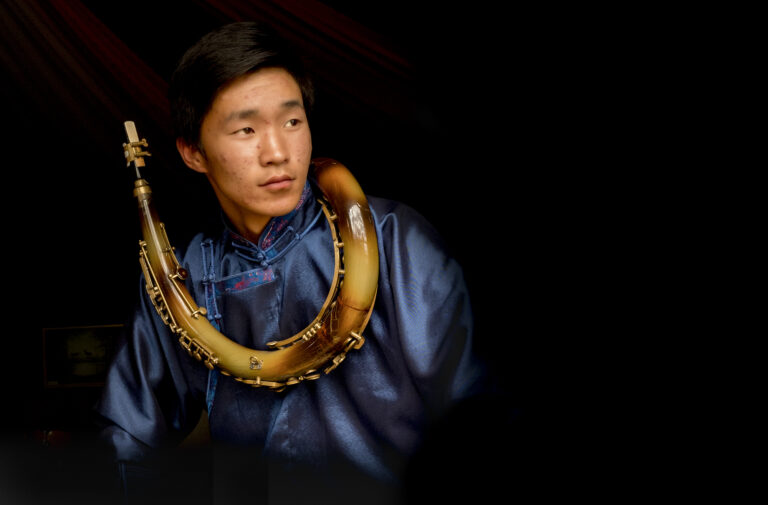
Over the last decade, I have had the privilege of photographing cultures around the world — from eagle hunters in western Mongolia, to Himba families in Namibia, to the Maasai, Samburu, and Rendille communities in Kenya. These experiences have taught me something important: the best cultural photographs rarely happen when you rush in, point a camera, and hope for magic.
They happen when people feel respected.
They happen when the photographer slows down.
They happen when the experience feels relaxed, human, and comfortable for everyone involved.
At Akari Photo Tours, this is the foundation of how we approach cultural photography. Whether we are photographing Kenya’s tribal communities, Mongolia’s eagle hunters, or the Himba people in Namibia, our goal is not to “collect” portraits. Our goal is to create meaningful images through time, trust, patience, and good teaching.
And yes, that approach also leads to better photographs. Funny how treating people well tends to work out.
Why Our Philosophy Matters in Cultural Photography
Cultural photography can be powerful. It can show tradition, pride, family, history, resilience, beauty, and a way of life that may be very different from our own.
But it also comes with responsibility.
When we photograph people, we are not photographing props. We are photographing human beings with their own lives, stories, and dignity. That should shape everything we do.
Our approach is simple:
We take our time.
We work with local relationships.
We explain what we are doing.
We create a relaxed atmosphere.
We teach our guests how to work with people respectfully.
And we never want the experience to feel rushed, awkward, or extractive.
When people are comfortable, their body language changes. Their faces soften. Their gestures become natural. They stop performing for the camera and start being themselves.
That is when the real images begin.
Experience Matters When Photographing People on a Cultural Photography Workshop
I have been photographing different cultures around the world for more than a decade, and those years have changed how I teach.
In the beginning, many photographers think cultural photography is mostly about camera settings, lenses, and dramatic clothing. Those things matter, but they are not the heart of the image.
The heart of the image is the relationship between the subject, the photographer, the light, and the moment.
Experience teaches you when to raise the camera and when to lower it. It teaches you how to read a room, how to work slowly, how to avoid pushing too hard, and how to recognize when a moment is becoming meaningful.
That is a big part of what we teach on our cultural photography workshops.
We help photographers move beyond “nice portrait” thinking and start asking better questions:
What is the story here?
What does the environment add?
What does the gesture say?
Where is the light coming from?
Is this person comfortable?
Does this image feel honest?
Those questions make you a better photographer.
They also make you a better guest.
Teaching Tip 1: Slow Down Before You Start Shooting
One of the biggest mistakes photographers make in cultural situations is lifting the camera too quickly.
The camera can create a wall. Sometimes it says, “I am here to take something.” That is not the message we want to send.
Before you start photographing, take a moment. Smile. Say hello. Watch the light. Notice the environment. Let the person get used to your presence.
In many situations, the first few minutes are not about taking photos. They are about creating comfort.
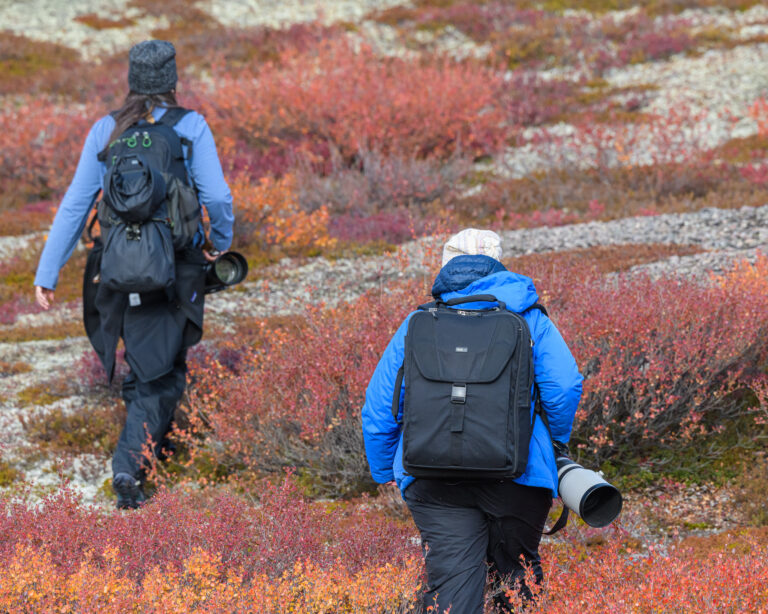
On our cultural photography workshops, we build time into these sessions so our guests do not feel rushed. That is important. If the schedule is too tight, photographers panic. When photographers panic, they overshoot, over-direct, and miss the quieter moments.
Good cultural photography needs breathing room.
Teaching Tip 2: Work with Light, Not Against It
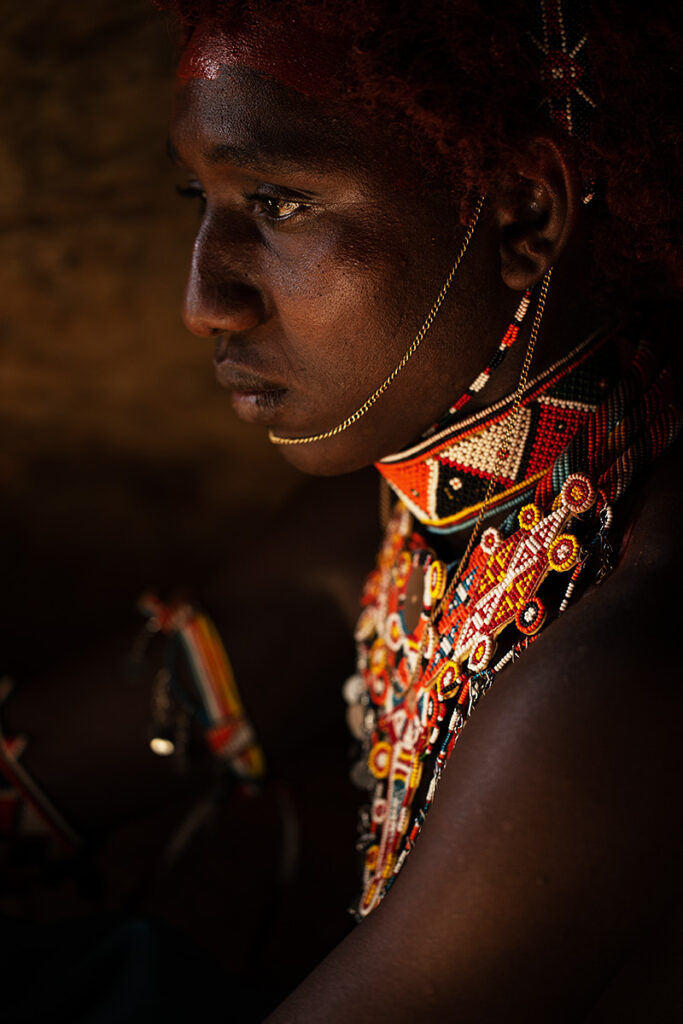
Strong cultural portraits are often made with simple light used well.
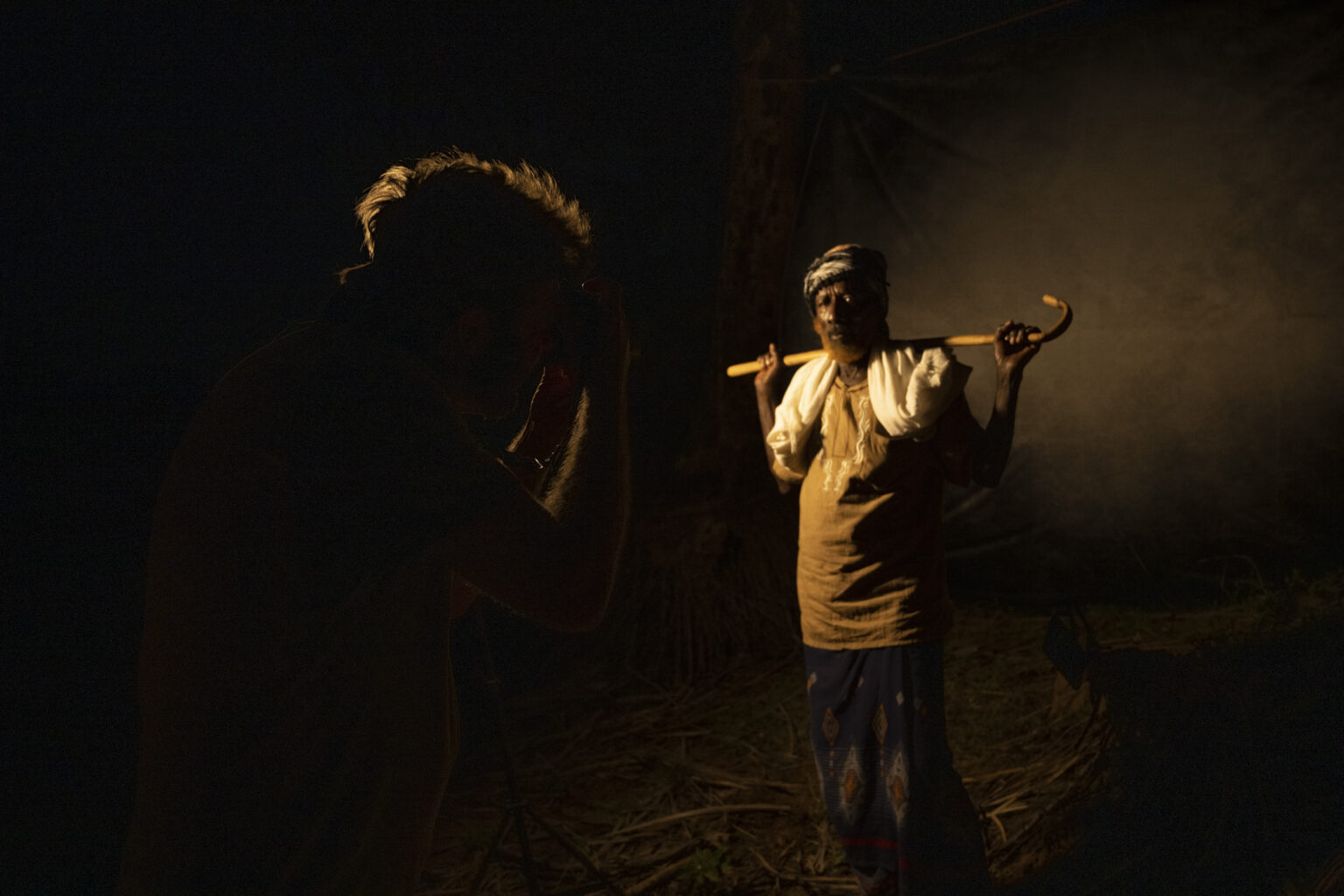
That might mean soft window light inside a home, warm sidelight at sunrise, open shade in the middle of the day, or dramatic backlight that separates a subject from the background.
The mistake is thinking the subject alone will carry the photograph.
It usually will not.
A beautiful face in bad light is still a difficult photograph. A powerful cultural setting with harsh, messy light can quickly become cluttered and flat.
We teach our guests to look for:
Where the light is coming from
How it shapes the face
What the background is doing
Whether the subject is separated from the scene
How shadows can add mood
When to move slightly instead of asking the subject to move
Small adjustments make a big difference. Sometimes one step left is the difference between a snapshot and a portrait that holds your attention.
Photography: still cheaper than moving the sun.
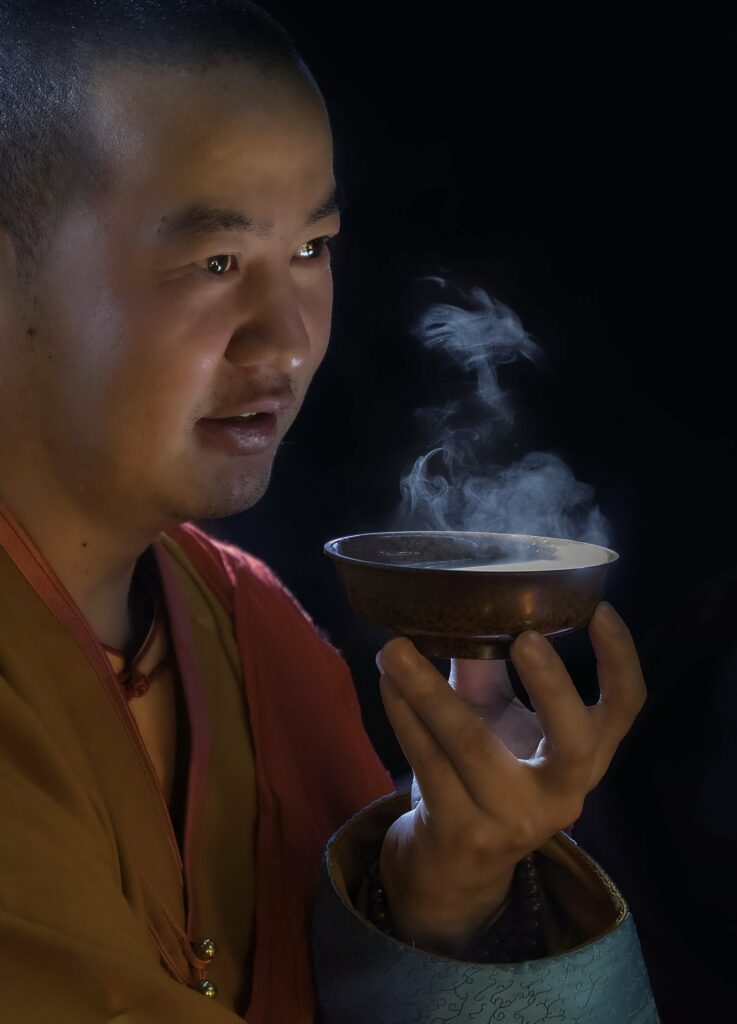
Teaching Tip 3: Include the Environment
A tight portrait can be beautiful, but cultural photography becomes stronger when the environment helps tell the story.
A person’s clothing, home, animals, tools, landscape, and surroundings can all add meaning.
In Mongolia, an eagle hunter on horseback with the Altai Mountains behind him tells a different story than a tight headshot. In Namibia, photographing the Himba people with environmental context helps show the relationship between people, place, and tradition. In Kenya, including the land, community, and daily life can create images that feel more complete.
That does not mean every image needs to be wide. It means you should think beyond the face.
Ask yourself:
What else belongs in this frame?
What helps explain where we are?
What details support the story?
What should I exclude because it distracts?
Great cultural photography often lives in the balance between portrait and place.
Teaching Tip 4: Watch Hands, Gesture, and Body Language
Faces matter, but hands often tell the story.
A hand resting on a saddle.
A herder adjusting clothing.
A child standing close to a parent.
An eagle hunter holding his golden eagle.
A quiet gesture between family members.
These small moments can carry more emotion than a posed smile.
When we teach cultural photography, we encourage photographers to watch body language. Is the subject relaxed? Are the hands natural? Is the posture stiff? Is there a moment between the posed moments that feels more real?
Often, the best frame happens just before or just after the obvious pose.
That is why patience matters.
Teaching Tip 5: Do Not Over-Direct
There is a fine line between helping shape a photograph and turning a person into a mannequin.
Direction can be useful. We may adjust where someone stands for better light, suggest a slight turn of the body, or help create a clean background. But over-directing can drain the life out of a photograph.
The goal is not to force a scene into what we imagined before we arrived.
The goal is to work with what is naturally there and make it stronger.
That is why our workshops are designed with experienced leaders and local relationships. We know how to help photographers create stronger images without making the experience feel uncomfortable or artificial.
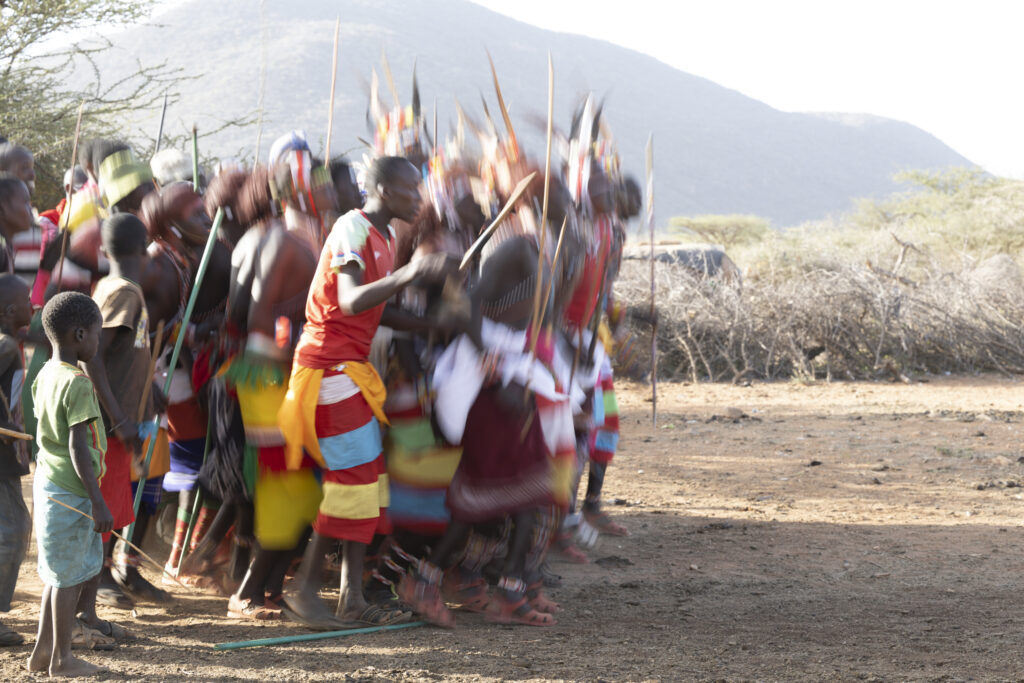
Kenya: Tribes, Wildlife, and a Fuller Story of Place
Our Kenya Tribes and Wildlife Photography Workshop combines meaningful cultural photography with classic African wildlife experiences. Guests photograph the Samburu, Rendille, and Maasai communities, along with wildlife photography in places such as Solio and Amboseli. The workshop is designed to give photographers a more complete portfolio that includes people, wildlife, portraits, landscapes, and a deeper sense of place.
This is an important distinction.
Kenya is not only about lions, elephants, rhinos, and beautiful landscapes. Those are incredible, of course, and we love photographing them. But Kenya’s cultural depth adds another layer to the experience.
Photographing people well requires a different mindset than photographing wildlife. You are not waiting for a lion to yawn. You are working with another human being. That changes the pace, the responsibility, and the reward.
On this workshop, we help guests understand how to approach these sessions with respect, confidence, and creativity.
Explore the workshop:
https://akariphototours.com/tours/kenya-tribes-wildlife/
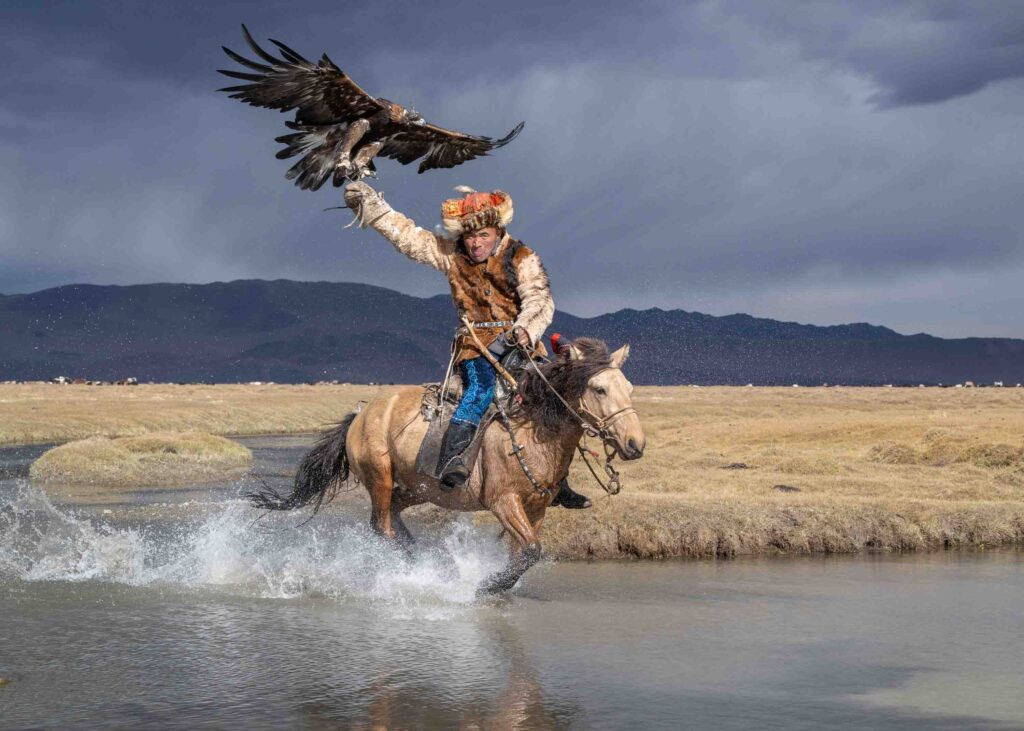
Mongolia: Eagle Hunters, Camel Herders, and Long-Standing Relationships
Mongolia is one of the most meaningful cultural photography destinations we offer.
Our Mongolia Eagle Hunters and Gobi Desert Photo Workshop includes private photography opportunities with eagle hunters, camel herders, and horse archers, with sessions designed specifically for photographers. Akari has been leading workshops in Mongolia for more than ten years, building relationships with families and communities that make this experience possible.
That history matters.
You cannot create this kind of experience well by showing up once, pointing a lens, and hoping people welcome you in. Trust is built over time. Relationships are built over years. The photographs are better because the experience is better.
In Mongolia, we teach photographers how to work with dramatic landscapes, animals, traditional clothing, movement, portraits, and environmental storytelling. It is one of those places where every frame can feel cinematic, but the best images still come from patience and intention.
Explore the workshop:
https://akariphototours.com/tours/mongolia-eagle-hunters-gobi-desert/
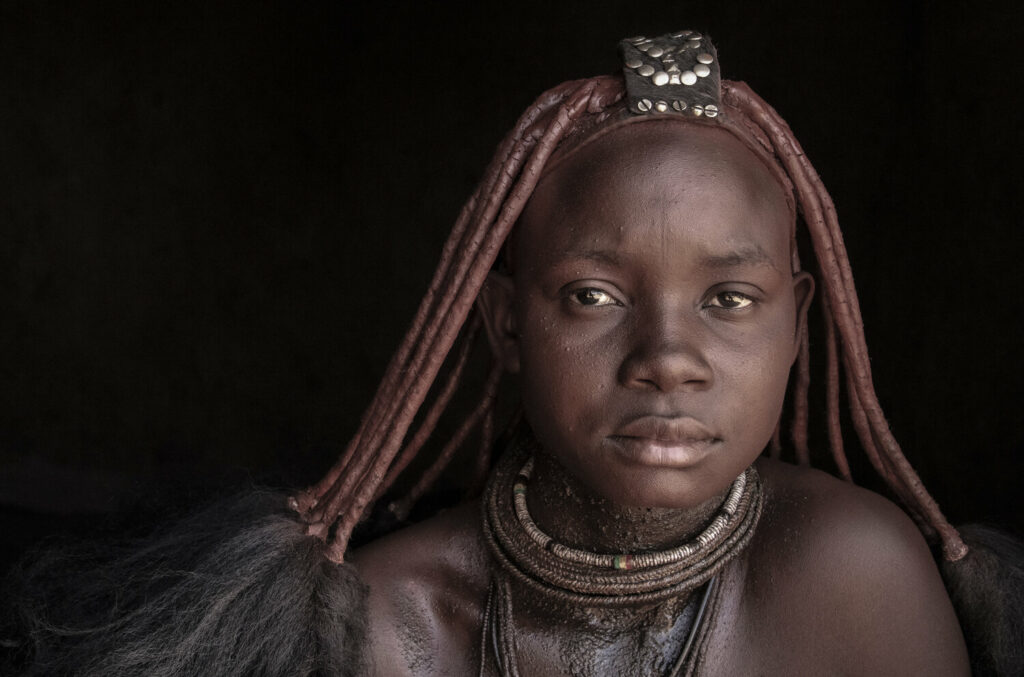
Namibia: Landscapes, Wildlife, Night Skies, and the Himba People
Our Namibia Safari Photography Workshop is known for its variety. Guests photograph Deadvlei, Sossusvlei, Etosha, Ongava, Kolmanskop, Namibia’s dark night skies, and the Himba people. The workshop is limited to just five photographers, giving guests more space, more instruction, and a more personal experience in the field.
The cultural component with the Himba is an important part of the Namibia experience.
Namibia is famous for its landscapes, and rightly so. Deadvlei at first light is one of the great photographic scenes in the world. But including cultural photography gives the trip more depth and variety. It asks photographers to shift gears — from dunes and dead trees, to wildlife behavior, to portraits and human stories.
That is good for your photography.
It forces you to think differently. It makes you more adaptable. It helps you build a portfolio that feels more complete.
Explore the workshop:
https://akariphototours.com/tours/namibia-safari/
What Makes a Good Cultural Photograph?
A good cultural photograph is not just sharp. It is not just colorful. It is not just a person looking into the camera.
A good cultural photograph has some combination of:
Respect
Light
Gesture
Expression
Context
Story
Patience
Connection
The strongest images often feel quiet and powerful at the same time. They do not need to shout. They invite the viewer to stay with them.
That is what we are trying to help our guests create.
Not just photographs that say, “I was there.”
Photographs that say, “I paid attention.”
How We Help You Improve in the Field
On our cultural photography workshops, we teach in real time. That means we are beside you in the field helping with:
Lens choice
Camera settings
Composition
Background control
Working with available light
Environmental portraits
Subject placement
Storytelling
Timing and gesture
How to approach people respectfully
When to shoot tight and when to include more of the scene
We also help you slow down and make better decisions.
That is often where the growth happens. Not from taking more photos, but from taking more thoughtful photos.

Final Thoughts: Better Photos Begin with Better Intentions
Cultural photography is one of the most rewarding forms of photography, but it should be approached with care.
When done well, it can create images that feel personal, respectful, and lasting. It can help photographers understand a place more deeply. It can remind us that travel photography is not just about where we go, but how we behave when we get there.
At Akari Photo Tours, our cultural photography workshops are built around that belief.
We want our guests to come home with strong images, of course. But we also want them to come home with a better understanding of the people they photographed, the traditions they witnessed, and the responsibility that comes with pointing a camera at another person.
That is the real lesson.
The better photograph usually starts before you press the shutter.