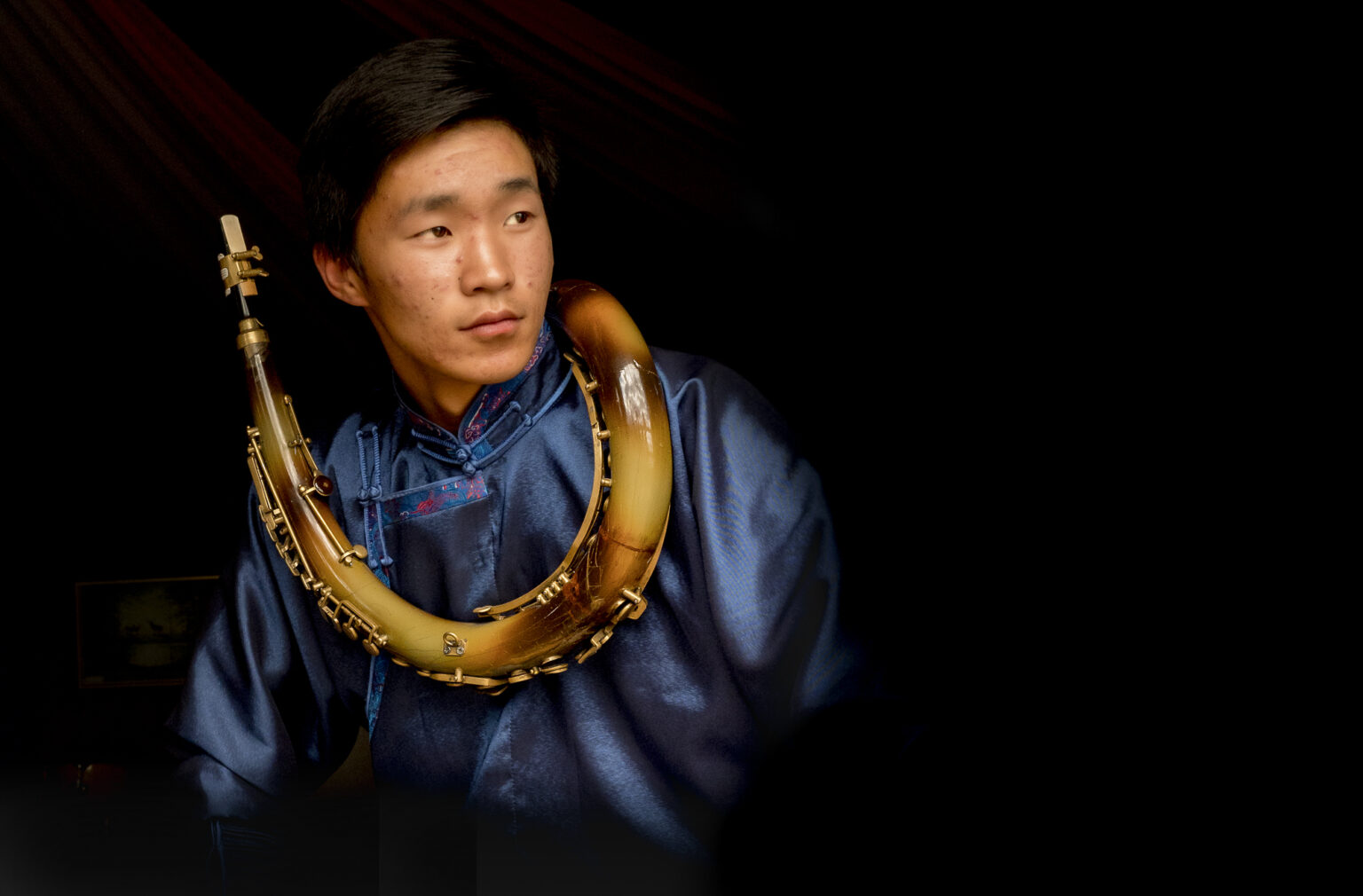
A Photo About the Moment: Storytelling With People and Culture
By Kevin Pepper |
A travel photo can be perfectly exposed, beautifully sharp, and still feel like… just proof you were there.
And if we’re being honest, most “proof” photos don’t live very long. They get a quick like, then disappear into the scroll like yesterday’s croissant.
The images that last—the ones you come back to years later—do something different. They don’t just show a person or a place.
They tell a story.
Here’s the shift that changes everything:
“Think about taking a photo about the subject, not a photo of the subject.”
When you’re photographing culture and people, that means you’re not just capturing a face. You’re capturing gesture, environment, relationship, light, and mood—the things that make a moment feel human.
The problem with “a photo of a person”
A photo of someone answers the basics:
- What do they look like?
- Where are they?
- What are they wearing?
A photo about someone asks better questions:
- What are they doing?
- What are they feeling?
- What’s their relationship to this place?
- What’s happening around them?
- What does this moment mean?
That’s the difference between a snapshot and a story.
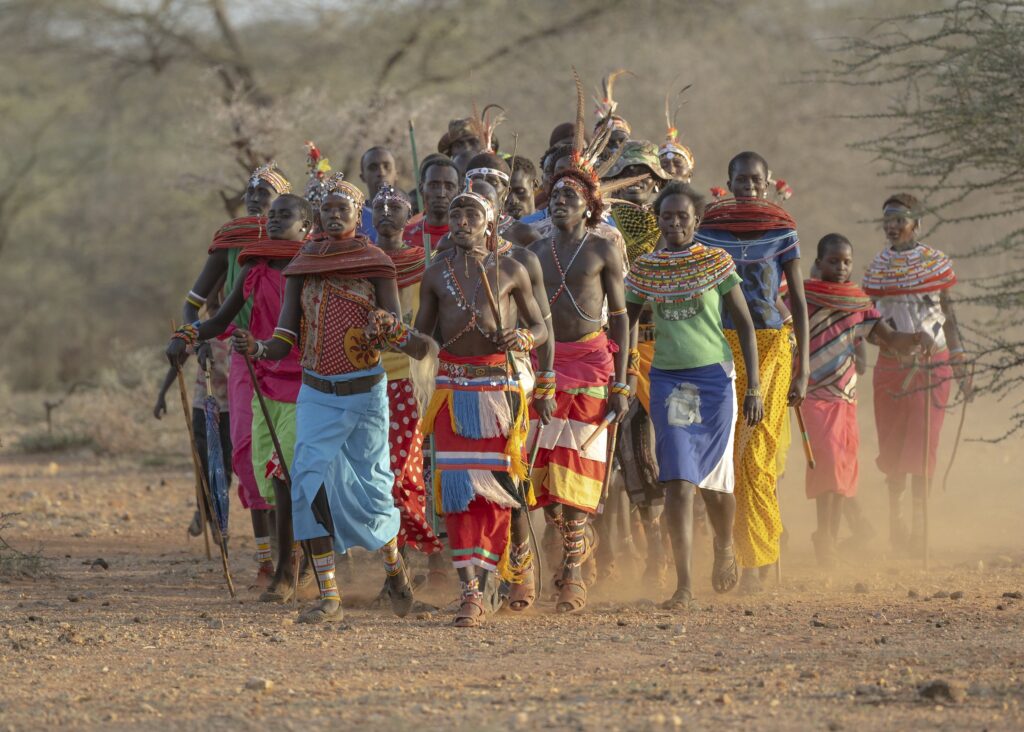
Composition: build a frame that has purpose
Composition isn’t about rules. It’s about clarity. You’re deciding what the viewer should notice first—and what they should feel after.
1) Decide what the story is before you lift the camera
Pick one idea:
- Work (craft, routine, skill)
- Connection (family, friendship, community)
- Tradition (ritual, clothing, ceremony, food)
- Isolation (quiet, distance, solitude)
- Energy (market chaos, street movement, celebration)
If you don’t choose the story, the frame will choose it for you. Usually through clutter.
2) Use space like a sentence
Where you leave space is where the story breathes.
- If your subject is looking off-frame, give them room to look into.
- If they’re moving, give them room to move into.
Negative space isn’t empty. It’s anticipation.
3) Layer the scene: foreground, subject, background
Cultural images feel richer when they have depth:
- a doorway framing a vendor
- steam from a food stall
- hands in the foreground while a face is in focus
- a crowd softened behind your subject
Layers are how you create context without turning the photo into noise.
4) Clean backgrounds make stronger stories
A distracting background doesn’t just look messy—it confuses the viewer about what matters.
Train yourself to spot:
- bright patches behind heads
- strong lines cutting through bodies
- “mergers” (poles, signs, branches growing out of people)
A clean background is respect. It tells the viewer, “This is the moment. Pay attention.”
5) Perspective changes meaning
- Eye level feels honest and equal.
- Low angle can feel heroic or dramatic.
- High angle can feel observational, or distant.
When photographing people and culture, perspective carries weight. Choose it intentionally.

Light: mood is the message
Light doesn’t just illuminate culture. It defines it. The same street can feel tender or harsh depending on the light you choose.
1) Direction matters more than “good light”
- Side light adds texture—wrinkles, fabric, weathered walls, hands at work.
- Backlight adds atmosphere—hair glow, dust in the air, steam, silhouettes.
- Front light is clean and factual—great for clarity, less great for mood.
If you want a photo that feels alive, find light that shapes your subject.
2) Contrast sets the emotional volume
- High contrast feels intense, gritty, bold.
- Low contrast feels gentle, nostalgic, quiet.
Match the contrast to the scene. A peaceful morning market doesn’t need to look like a crime documentary.
3) Let shadows do some of the storytelling
Not everything needs to be fully revealed.
Shadows create mystery, depth, and focus.
Sometimes what you don’t show is what makes the image powerful.
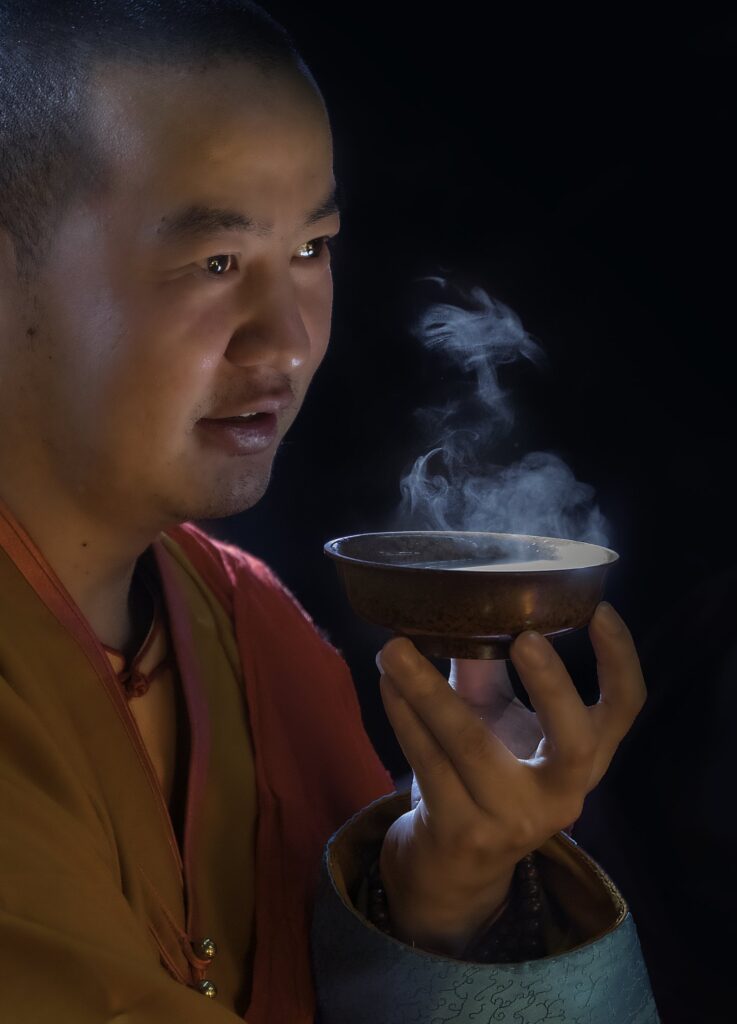
Subject interaction: the secret is activity
People look most interesting when they’re engaged in life, not performing for the camera.
1) Photograph doing, not standing
Look for hands and action:
- preparing food
- repairing a net
- pouring tea
- counting change
- adjusting clothing
- greeting someone
- dancing, praying, working, laughing
Action creates gesture. Gesture creates story.
2) Build a relationship, not a portrait
Your subject doesn’t have to stare into the lens to be compelling.
Stronger cultural photos often show a relationship:
- person to person (conversation, conflict, affection)
- person to place (home, street, temple, workshop)
- person to object (tools, ingredients, fabric, instruments)
That relationship is the narrative thread.
3) Watch the transition moments
The best frames often live between the obvious ones:
- the pause after laughter
- the glance down before speaking
- the hand hovering before touching
- the moment someone steps into light
You’re not chasing expressions. You’re waiting for the change.
4) Eye-line is a storytelling tool
- Into camera: connection, intimacy, honesty.
- Off-frame: curiosity, longing, attention.
- Toward another person: relationship, story, context.
A single eye-line choice can change the entire meaning of the photo.

The street-ready checklist: five questions that keep you honest
When things move fast, run this quick mental loop:
- What is this moment about? (work, connection, tradition, solitude, energy)
- What should I include to show context? (and what should I remove?)
- Is the background helping or distracting? (clean it up)
- Where is the light shaping the scene? (move your feet)
- What will happen next? (anticipate, don’t chase)
That last one is the difference between “I saw it” and “I caught it.”
Three repeatable setups for culture and people
1) Window light + quiet action
Find a window, a doorway, or shade near an opening. Put your subject doing something natural—making coffee, arranging items, repairing gear, writing, preparing food.
Result: intimate, honest, timeless.
2) Backlight + atmosphere
Look for steam, smoke, dust, rain, or reflected light. Use backlight for silhouettes or rim light and let the atmosphere become part of the story.
Result: cinematic mood and a sense of place.
3) Wide environmental frame + human scale
Step back when the setting matters—markets, streets, temples, workshops, cafés. Let the person be smaller in the frame on purpose.
Result: context, culture, and the feeling of “being there.”
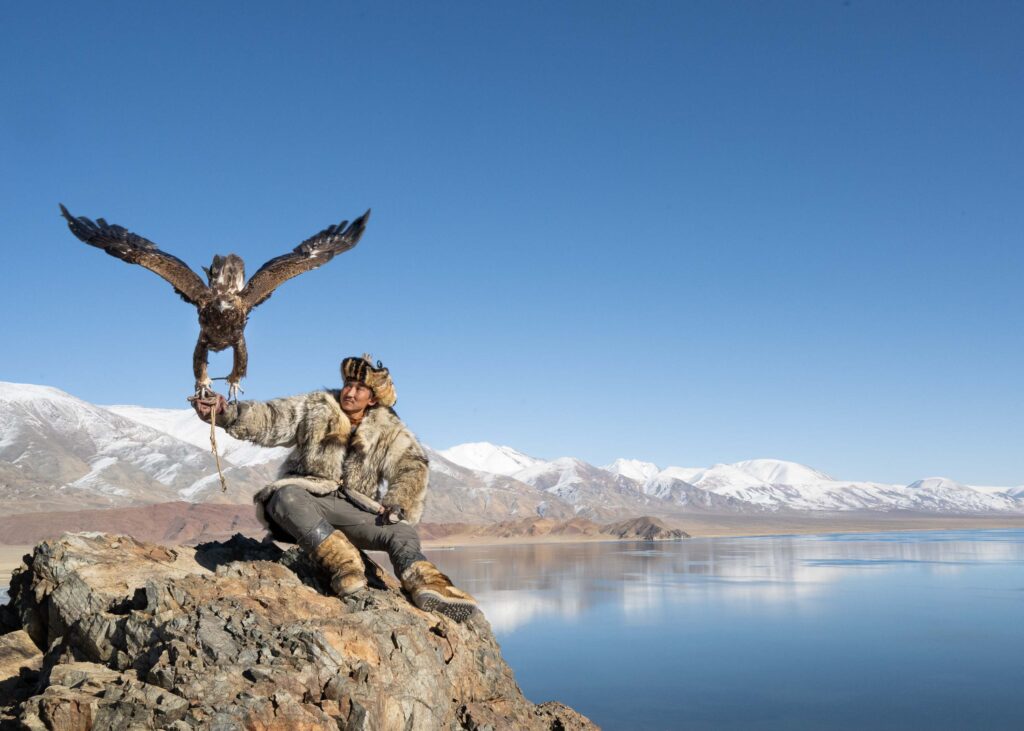
The final shift: stop collecting faces
Start collecting moments.
The goal isn’t to come home and say, “I photographed a person in Morocco.”
The goal is to come home with an image that says, “I witnessed a moment of daily life—how it felt, how it sounded, how it moved.”
So next time you raise the camera, repeat the line:
“Think about taking a photo about the subject, not a photo of the subject.”
Then let your composition, your light, and your timing all point to the same story.
That’s when your cultural images stop being souvenirs…and start becoming memories.
Most photographers don’t struggle because they don’t care. They struggle because real life doesn’t pause. The light changes. People move. The moment is gone before you finish thinking.
That’s where experience and real-time coaching make the difference.

On our cultural photo workshops, I help you slow the chaos down without slowing the world down. We work the scene the way photographers have always done it: with patience, good manners, and a sharp eye for timing. You’ll learn how to read light on a street corner, where to stand so backgrounds stay clean, and how to frame a scene so the viewer understands what matters in half a second.
Just as importantly, I’ll help you photograph people in a way that feels respectful and natural. We talk about approach, body language, and how to earn moments instead of stealing them. Sometimes that means letting a scene unfold without interfering. Sometimes it means building the shot by working an angle until the light and the gesture line up. And when local privacy rules require it, we do it the right way—by arranging models or performers when needed, so you can create strong images without crossing lines.
In the field, I’m calling out the small decisions that add up fast: “Move two steps left—cleaner background.” “Wait—let them enter the light.” “Shoot wider—this needs the environment.” “Now—gesture.” Those tiny adjustments are often the difference between a nice travel photo and an image that feels like you were truly there.
And when the day is done, we lock it in with image reviews. You’ll understand why a frame works, why another one doesn’t, and how to repeat the results tomorrow. The goal isn’t luck. The goal is a simple process you can use anywhere—Paris, Morocco, Mongolia, or your own hometown—so your travel photos stop being souvenirs and start becoming stories.


