Galápagos Photo Tour: Why This Photography Workshop Is Different
By Kevin Pepper |
There are places in the world where wildlife feels wild.
And then there are places where wildlife simply lets you in.
The Galápagos Islands are one of those rare places.
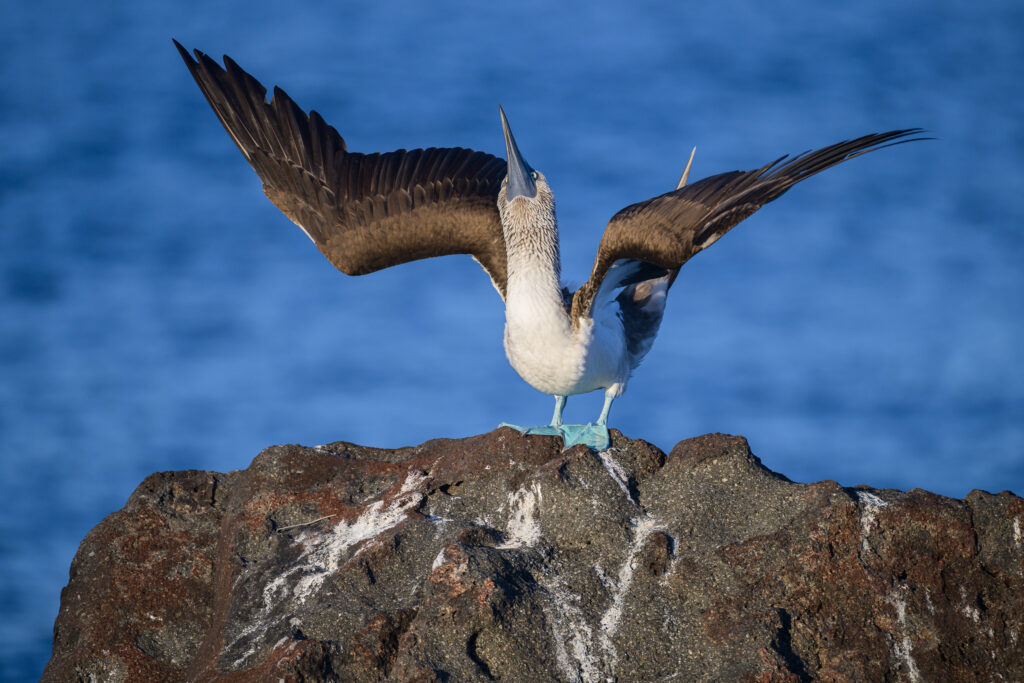
Here, sea lions nap beside your tripod. Blue-footed boobies go through their courtship dances without a care. Marine iguanas stack themselves like prehistoric sculptures along lava rock. It is not just close. It is personal.
For photographers, that changes everything.
But just like anywhere else, not all Galápagos photo tours are created equal.
At Akari Photo Tours, we have built this workshop around one idea: if you are going to travel this far for a once-in-a-lifetime experience, it should be done properly—with the right team, the right structure, and the right level of flexibility to take full advantage of what this place offers.
Why Our Galápagos Photo Tour Is Different
The Galápagos is already extraordinary. The difference comes in how you experience it.
A Private Luxury Yacht Designed for Photographers
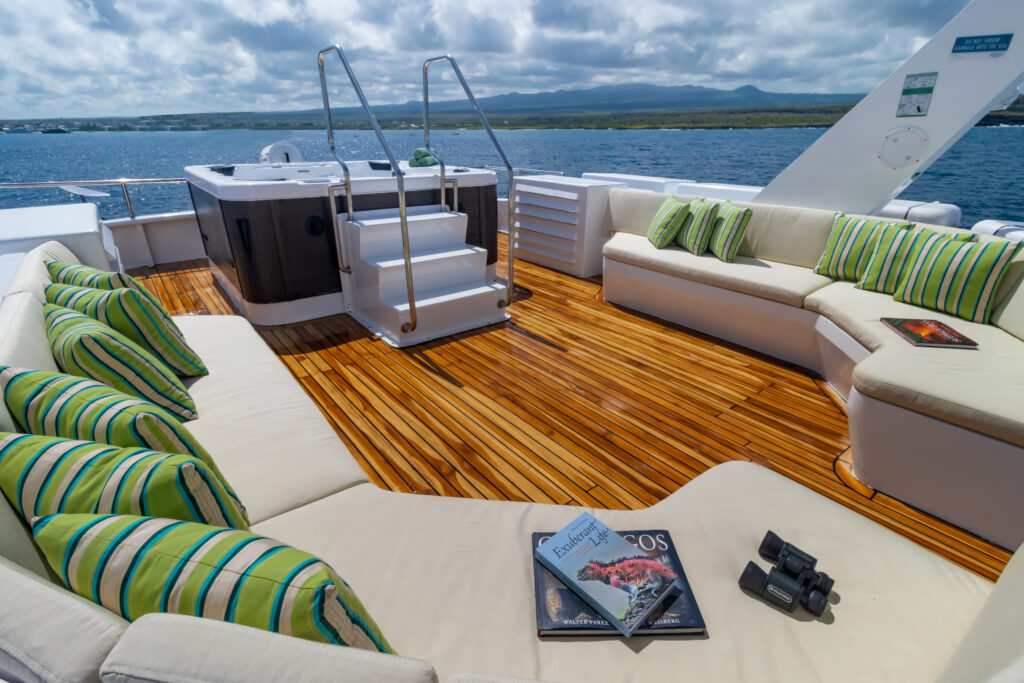
This workshop is built around our private yacht, The Angel—a small, comfortable expedition vessel that becomes both your home and your photography platform for the duration of the trip.
The Angel is designed for small groups, which changes the entire experience. Instead of moving with the pace of a large ship, we travel with intention. Fewer guests means faster landings, quieter shorelines, and more time with wildlife once we are on location.
Life on board is relaxed and efficient. Comfortable cabins, great meals, and a crew that understands the rhythm of photographers allow you to focus on what you came here to do—create images. There is space to review your work, prepare your gear, and recharge between outings without feeling rushed or crowded.
But the real advantage of The Angel is not just comfort. It is control.
Because we are operating on a private yacht, we are not locked into a rigid itinerary. We can adjust our approach based on light, wildlife activity, tides, and conditions. If something is happening, we stay with it. If the light is building, we position for it. If a location needs more time, we give it more time.
That flexibility is where strong images come from.
Unlike larger vessels that follow fixed schedules and busy landing rotations, The Angel allows us to access quieter sites and photograph in places where the experience feels more personal and less hurried. You are not one of many groups cycling through a location. You are there with space to work the scene properly.
And in the Galápagos, that makes a difference.
Good photography is rarely about being somewhere. It is about being there at the right time—and having the freedom to stay when it matters.

Multiple Photography Leaders = Better Instruction
We bring three photography instructors on this trip: Kevin Lisota, Mindy Huston, and James Begeman. On the workshop page, all three are listed as guides for this departure, and that depth of instruction is one of the real strengths of the trip.
That is not a luxury. It is a strategy.
In the Galápagos, wildlife can be active at close range and the opportunities often come fast. A sea lion pup may suddenly turn toward the light. A Blue-footed Booby may begin its courtship dance just as you are adjusting your shutter speed. A marine iguana may lift its head for one perfect frame and then drop right back into the pile. When moments happen that quickly, having three instructors in the field gives guests a real advantage.
It means more one-on-one help, more eyes watching what is unfolding, and more support for photographers at different skill levels. Some guests need help with autofocus settings, shutter speed, and exposure. Others want to refine composition, behavior-based storytelling, and how to make stronger images when the subject is close but the background is still messy. With three leaders, we can spread out, work with people individually, and help more guests at the exact moment they need it.
Kevin Lisota is especially well suited to this kind of workshop because he is not simply there to lead logistics. He is there to teach. His strength is helping guests recognize what will make the image better, then guiding them toward it in a way that is clear and practical. In a place like the Galápagos, where wildlife is abundant but strong compositions still require intention, that kind of experience matters. He helps guests move beyond just photographing a remarkable animal and start creating images with more shape, story, and purpose.
Mindy Huston brings another layer of value to the team. Not every photographer sees the same way, and not every guest learns the same way. That is one of the biggest advantages of having multiple instructors. Mindy gives guests another experienced perspective in the field, another person to help solve problems in real time, and another teacher who can help someone turn a good opportunity into a much stronger image. On a trip with constant wildlife encounters, that added attention is not just helpful. It changes what people come home with.
James Begeman adds still more depth. Having James on the team means guests are not competing for the attention of a single leader while the action unfolds around them. It means more coaching at landings, more guidance during zodiac outings and shoreline sessions, and more thoughtful feedback throughout the trip. The result is a workshop that feels supported rather than crowded, and personal rather than generic.
That is what makes this setup so effective.
Three instructors do not just mean more leaders on paper. It means a better learning environment. It means more chances to ask questions, more chances to get unstuck, and more chances to improve while the trip is still happening. The workshop page also notes that the trip includes instruction, guidance, and image reviews from the photography team, which fits exactly how this trip is designed to run.
Wildlife in the Galápagos does not wait. When the moment happens, you either get it or you do not.
Having Kevin Lisota, Mindy Huston, and James Begeman on board dramatically improves your chances of getting it right.
A Naturalist Changes How You See Everything
We also travel with a dedicated naturalist.
Their role is not just to point out wildlife. It is to explain behavior, timing, habitat, and the rhythm of these islands.
That knowledge translates directly into better photography.
You stop reacting and start anticipating.
And when you anticipate, your images improve—fast.
A Flexible Schedule Built Around Light and Wildlife
This is where the trip quietly separates itself.
Because we are on a private yacht, we have the ability to adjust our schedule based on conditions—light, wildlife activity, tides, and weather.
That means:
- Early starts when the light is right
- Longer time with active wildlife
- Adjusting landings based on behavior
- Not leaving a scene just because a clock says so
Most trips follow a schedule.
We follow the opportunity.
How We Run This Galápagos Photography Workshop
This is not a sightseeing cruise with cameras.
It is a workshop.
Hands-On Coaching in the Field
We are actively working with you while you shoot.
That means:
- Adjusting camera settings in real time
- Helping you simplify compositions
- Guiding you toward better angles and backgrounds
- Teaching you how to anticipate behavior
Sometimes it is technical. Sometimes it is creative.
Most of the time, it is both.
Image Reviews on the Yacht
Evenings bring optional image reviews and coaching sessions.
This is where things start to click.
We look at what you captured that day and refine it:
- What worked
- What didn’t
- What to look for tomorrow
Progress happens quickly when you learn and apply it the next day.
We Prioritize Our Guests’ Images Over Our Own
This is simple, but it matters.
We are not there to build our portfolios.
We are there to help you build yours.
That means:
- We position ourselves to teach
- We watch for missed opportunities
- We help you solve problems in real time
Your success is the priority.

What You Can Photograph in the Galápagos
The Galápagos offers one of the most unique wildlife experiences on earth.
Because of its isolation, many species are found nowhere else—and they show little fear of humans, allowing incredibly close encounters.
You will photograph:
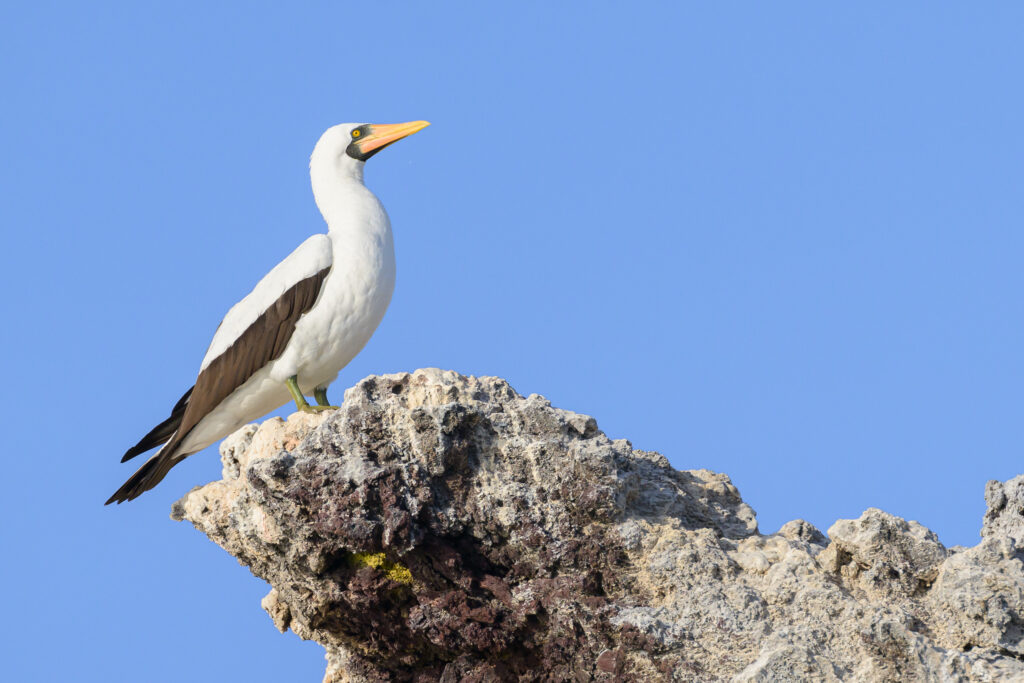
- Blue-footed boobies and frigatebirds
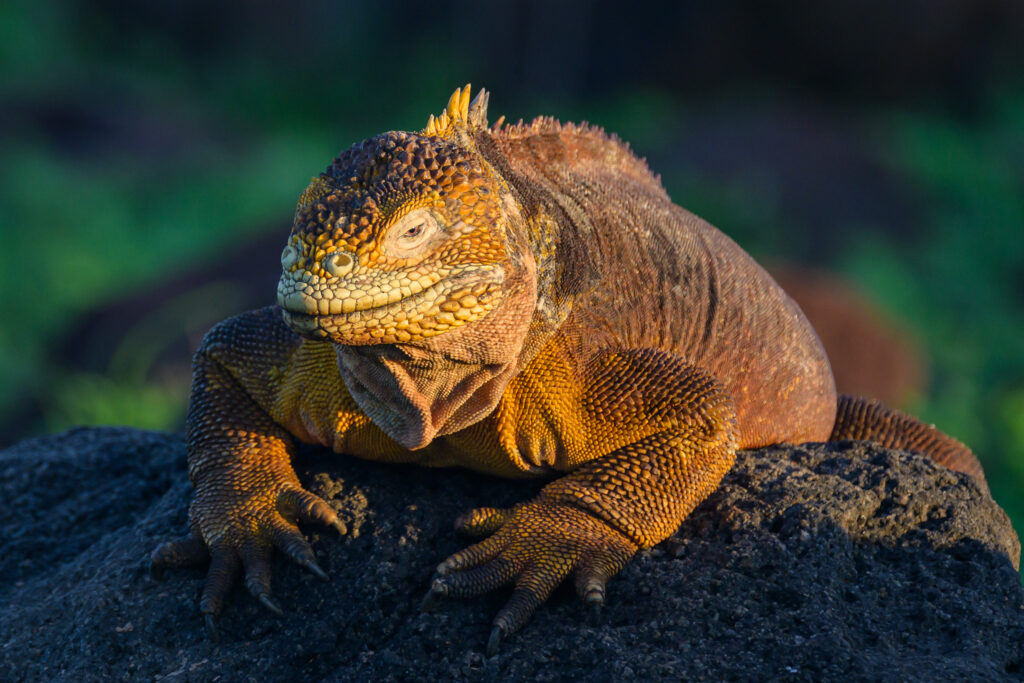
- Marine iguanas and land iguanas
- Sea lions at eye level
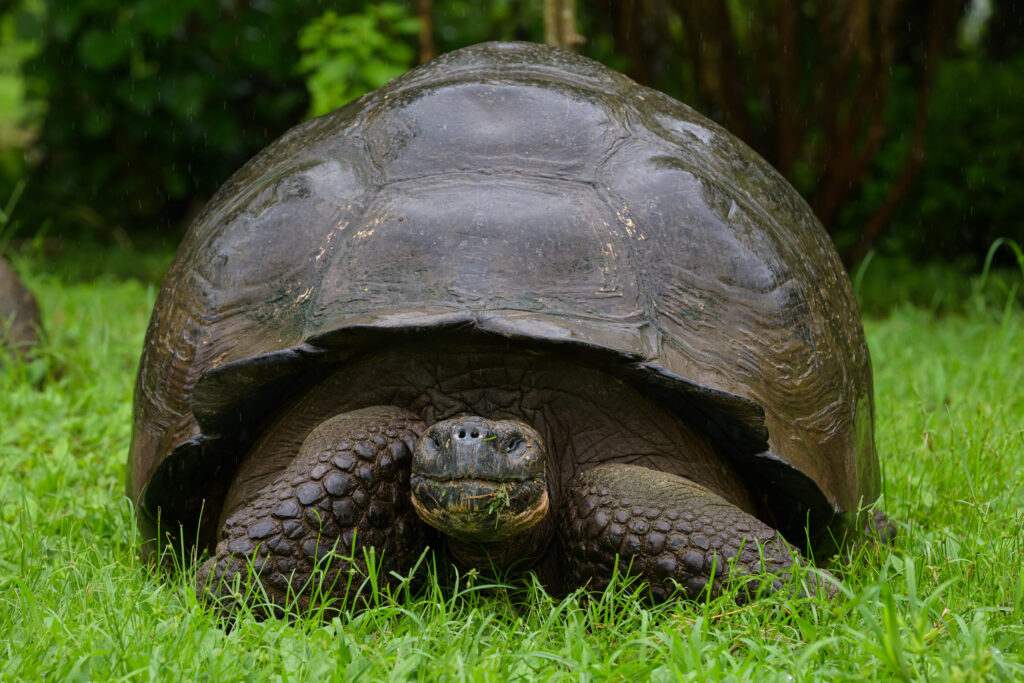
- Giant tortoises
- Galápagos penguins
- Lava lizards and shoreline life
And then there is the water.
Snorkeling opportunities allow you to photograph:
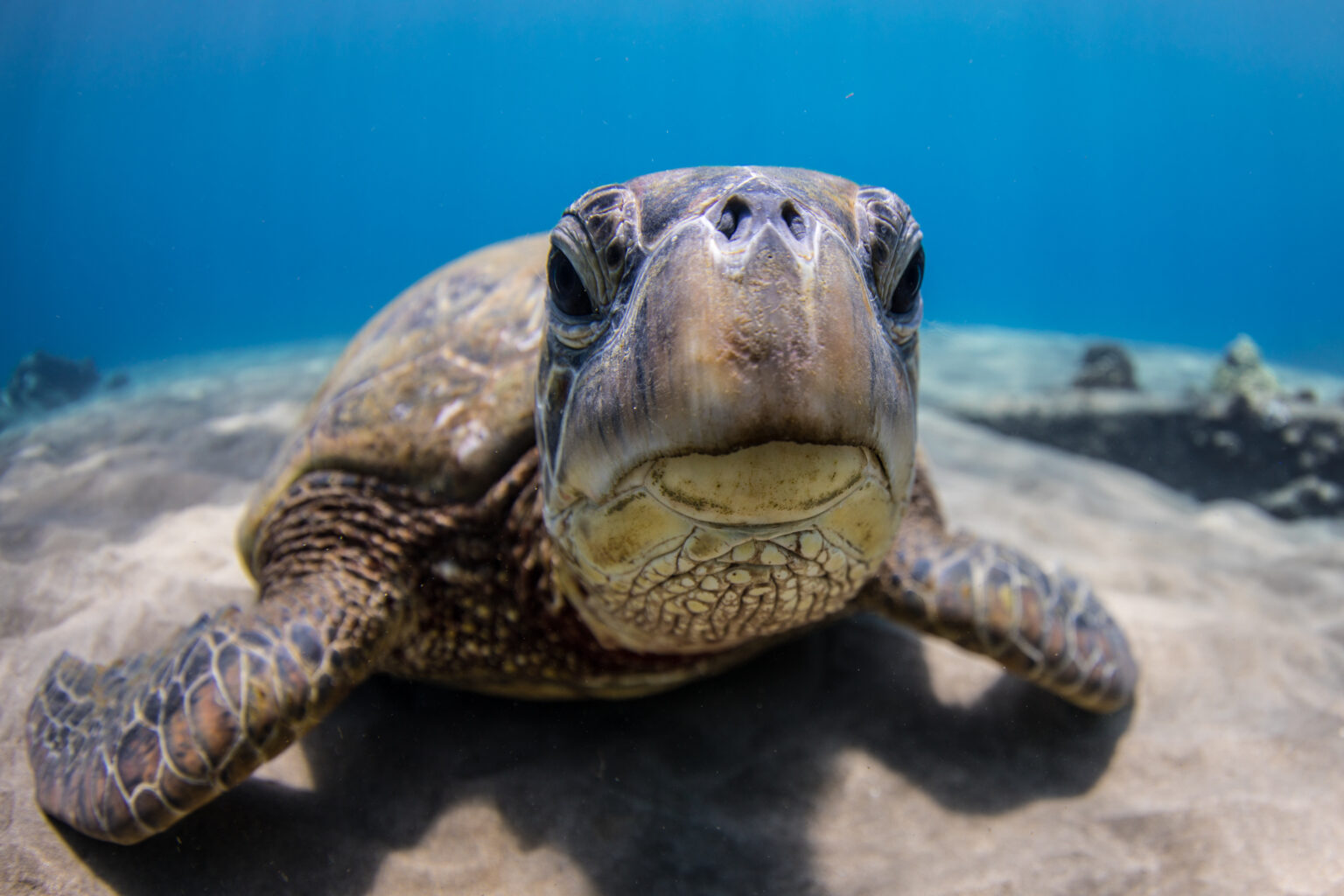
- Sea turtles
- Penguins underwater
- Sea lions in motion
- Reef sharks and marine life
This is one of the few places where wildlife photography happens above and below the surface—often on the same day.
What You Can Expect on This Galápagos Photo Tour
This workshop is designed for photographers who want more than a checklist.
You can expect:
- A small group experience (typically around 12 guests)
- A luxury yacht with comfort and access
- Daily opportunities to photograph unique wildlife
- Instruction throughout the trip
- A team focused on helping you improve
But more than that, you can expect a shift in how you approach photography.
The Galápagos has a way of slowing people down.
Of making you pay attention.
Of reminding you that sometimes the best images come when you stop chasing and start observing.
Why Choose Akari Photo Tours for a Galápagos Photo Tour
If you are considering a Galápagos photo tour, you are already thinking about something special.
The real question is how you want to experience it.
At Akari Photo Tours, we believe that means:
- Traveling on a private yacht
- Learning from multiple instructors
- Understanding the environment through a naturalist
- Having the flexibility to follow light and wildlife
- Receiving hands-on coaching and image reviews
- Being part of a small group where your photography matters
That combination gives you more than a trip.
It gives you an experience that stays with you long after you leave the islands.
Frequently Asked Questions About the Galápagos Photo Tour
Why are the Galápagos Islands so good for photography?
The Galápagos Islands are one of the most remarkable wildlife photography destinations in the world because the animals here live with very little fear of people. That allows photographers to work unusually close to their subjects and create images that feel intimate, detailed, and full of personality.
The variety also makes the Galápagos special. On one trip, you may photograph Blue-footed Boobies, frigatebirds, sea lions, marine iguanas, giant tortoises, penguins, and a wide range of marine life. Few places offer that kind of diversity in such a compact area. Add dramatic volcanic landscapes, coastal light, and the chance to photograph both on land and in the water, and it becomes a destination that gives photographers an enormous amount to work with.
Do I need to be an advanced photographer?
No. This workshop is designed for photographers with a wide range of experience levels.
Some guests join us with years of wildlife photography behind them. Others are still building confidence with autofocus settings, exposure, composition, or working in changing conditions. That is one of the reasons we bring multiple instructors. It allows us to give more personal attention and meet guests where they are.
If you are newer to wildlife photography, we can help you with the fundamentals. If you are more experienced, we can help you refine technique, improve consistency, and make stronger creative decisions in the field.
What is the advantage of a yacht-based Galápagos photo tour?
A yacht-based workshop gives photographers important advantages that are difficult to match any other way.
First, it gives us access. Many of the best wildlife locations in the Galápagos are reached by boat, and traveling by yacht allows us to move from island to island efficiently while staying close to the action.
Second, it gives us flexibility. Light, tides, weather, and wildlife activity all matter in photography. A yacht-based trip allows us to work with those conditions more effectively rather than being locked into a rigid land-based routine.
Third, it improves the overall experience. Instead of packing and unpacking through multiple hotels, your room, meals, gear, and instruction all travel with you. It is a much smoother way to experience the islands, and for photographers, smoother usually means better.
Will there be image reviews?
Yes. We include image reviews during the trip because they are one of the best ways to help guests improve while they are still in the field.
Reviewing images together gives us the chance to talk about what is working, what could be stronger, and what to watch for the next day. Sometimes the biggest improvement comes from seeing a small mistake before it becomes a habit. Sometimes it comes from recognizing a strength and building on it.
These sessions are constructive, helpful, and geared toward making your photography stronger during the workshop, not months after the fact when the sea lions have long since stopped posing for you.
Is snorkeling required?
No. Snorkeling is optional.
That said, it is a wonderful part of the Galápagos experience for guests who want to take advantage of it. The underwater world adds another dimension to the trip, with opportunities to see sea lions, sea turtles, penguins, reef sharks, and other marine life.
Guests who choose not to snorkel can still have a rich and rewarding experience on this workshop. The Galápagos offers exceptional photography opportunities on land and from shore, so you will not feel as though the trip depends on getting in the water.
Can non-photographers join?
Yes. This trip can work very well for non-photographers, especially for partners who enjoy wildlife, travel, and nature.
The Galápagos is not only a dream destination for photographers. It is also one of the most fascinating places in the world for anyone who loves animals, remote islands, and memorable travel experiences. A guest does not need to care about shutter speed to enjoy watching sea lions at close range or walking among giant tortoises.
That said, this is still a photography-focused workshop, so the pace and priorities are designed with photographers in mind.
What kind of food is served on the yacht?
The food is one of the pleasures of traveling by yacht in the Galápagos.
Meals on board are designed to keep guests comfortable, well fed, and ready for active days of exploring and photographing. You can expect fresh, well-prepared meals served in a relaxed setting, with a mix of local flavors and familiar dishes that work well for international travelers.
One of the nice things about life on the yacht is that after a morning landing or an active wildlife session, you return to a good meal instead of wondering where lunch is coming from. It is a small detail, but on a workshop like this, small details matter. Good food, a comfortable cabin, and a smooth daily rhythm help keep your energy up and let you focus on the photography rather than the logistics.
What kind of wildlife will we photograph on this trip?
The Galápagos offers an incredible range of subjects for wildlife photographers.
Depending on the islands and conditions, guests may photograph Blue-footed Boobies, frigatebirds, marine iguanas, land iguanas, sea lions, giant tortoises, lava lizards, Sally Lightfoot crabs, Galápagos penguins, and more. For those who snorkel, the marine life adds another layer, with possible encounters that include sea turtles, playful sea lions, and other underwater subjects.
What makes the Galápagos so exciting is not just the species list. It is how accessible and photographable those species are.
What is the group size, and why does it matter?
Small group size is one of the most important parts of a successful photography workshop.
A smaller group means more room to work, more personal instruction, and less waiting around while someone else figures out their settings or plants a tripod exactly where you wanted to stand. It also makes the experience feel more relaxed and more personal, both on the yacht and in the field.
For a destination like the Galápagos, where wildlife encounters can happen quickly and close to you, that kind of setup makes a real difference.
What makes this Galápagos photo tour different from a regular cruise?
This is not just a cruise where people happen to bring cameras.
This workshop is built specifically for photographers. That means multiple instructors, hands-on help in the field, image reviews, a naturalist, and a trip structure designed around light, wildlife, and photographic opportunity. It also means that our attention is on helping guests create better images, not just checking islands off a list.
A regular cruise may show you the Galápagos.
This workshop is designed to help you photograph it well.
Imagine standing just feet away from wildlife you’ve only seen in documentaries.
Now imagine coming home with photographs that truly reflect that experience.
Join us in the Galápagos and let’s create those images together.
Explore the Galapagos workshop and reserve your place.


