How to Visit the Great Bear Rainforest: Travel, Wildlife, Lodging, and What to Expect
By Kevin Pepper |
If you have ever looked into visiting the Great Bear Rainforest, you have probably had two reactions.
The first is, “I have to see this place.”
The second is, “How exactly do I get there?”
That is normal.
The Great Bear Rainforest is one of the wildest and most compelling destinations in British Columbia. It stretches across 6.4 million hectares on the province’s north and central coast, and it is one of the largest remaining coastal temperate rainforests on Earth. It is home to Spirit Bears, coastal wolves, whales, rich salmon systems, old-growth forest, and remote coastal communities. It is also a place where access is not always obvious to first-time visitors.
That is part of the appeal.
And it is also why proper planning matters.
If you are wondering how to visit the Great Bear Rainforest, what the travel involves, what kind of wildlife you may see, where people stay, and what to expect once you arrive, this guide will walk you through it.
Where Is the Great Bear Rainforest?
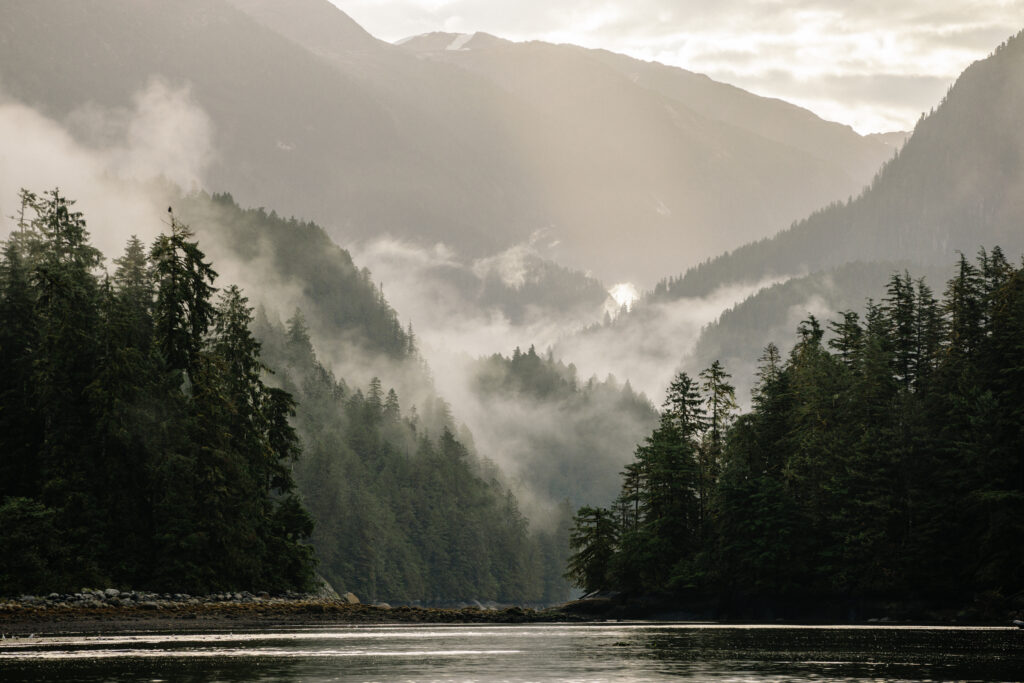
The Great Bear Rainforest stretches along a remote section of British Columbia’s coast, from the northern tip of Vancouver Island toward the Alaska border. It includes a vast mix of mainland inlets, islands, fjords, estuaries, rivers, and forested coastlines. Official BC and Destination Canada resources describe it as a place where access is often by boat or plane, with only limited road access into certain gateway areas such as Bella Coola.
In plain English, this is not a place you casually stumble into like you would somewhere else.
You go here on purpose.
That is one reason it still feels so special.
For photographers in North America, though, there is also good news: this kind of world-class wildlife experience is a lot more achievable than people often assume. You do not have to cross an ocean to reach it. Once you arrive, however, it still feels remote, wild, and a long way from ordinary life.
How Do You Get to the Great Bear Rainforest?
This is the question that stops a lot of people before they ever get serious about the trip.
And honestly, I understand why.
The Great Bear Rainforest can sound complicated at first because it is not a simple drive-in destination. Official travel guidance notes that access is usually by seaplane, ferry, cruise vessel, or charter tour boat, while some gateway communities can also be reached by air or limited road access. Bella Coola, for example, is often described as one of the best-known road-access gateways, while other coastal communities and lodges are reached by air or water.
That means getting here usually involves a few steps that can seem daunting.
But here is the important part for our guests: We take care of the logistics of getting you to and from the Great Bear Rainforest.
That matters more than people realize.
One of the biggest barriers for first-time visitors is not whether they want to go. It is whether they feel confident piecing together the travel on their own. Flights, transfers, timing, baggage, boats, weather, lodging coordination, and remote schedules can make the whole thing feel more complicated than it needs to be.
That is where a well-run workshop from Akari Photo Tours makes a real difference.
Instead of spending weeks trying to figure out how to connect all the pieces without accidentally ending up in the wrong inlet with a telephoto lens photographing a bear at 500 yards, you can join a trip where the travel flow is already planned with care. We guide guests through the process and handle the movement to and from the rainforest so they can focus on the experience itself.
That is one of the reasons people choose a workshop like ours instead of trying to build the trip from scratch.
Why Visiting the Great Bear Rainforest Feels Different
A lot of wildlife destinations are beautiful.
The Great Bear Rainforest feels different.
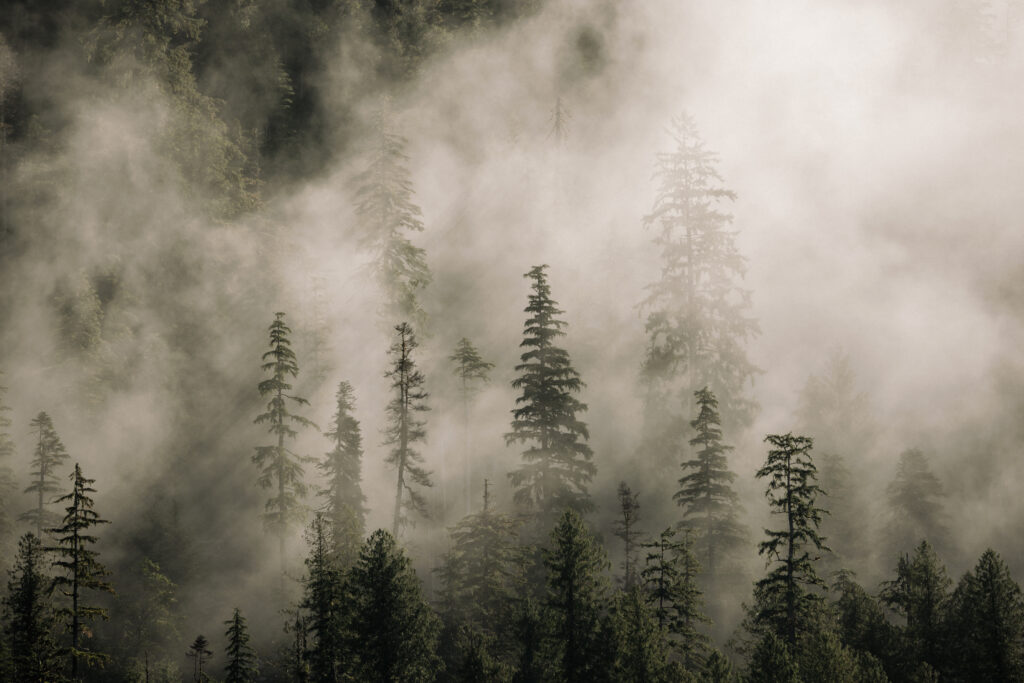
This is a place where old-growth forest, tidal flats, salmon streams, rocky shorelines, and remote channels all seem to work together. The weather has presence. The silence has presence. Even the air seems to have more texture to it.
You do not just visit the Great Bear Rainforest.
You feel it.
Part of that comes from its scale and ecological importance. Part of it comes from its remoteness. And part of it comes from the fact that this is still a place where land and sea are tightly connected in a way many travelers have never experienced before. Indigenous Tourism BC and provincial resources both emphasize that the rainforest is not only a natural treasure, but also a cultural landscape shaped by Indigenous communities who have lived here since time immemorial.
That context matters.
This is not just scenery. It is a living homeland.
Why Local Knowledge Matters
You can read about the Great Bear Rainforest online for hours. That does not mean you understand how to move through it well.
This is a destination where local knowledge matters in a very real way. Access routes, timing, weather, tides, wildlife behavior, camera settings, community relationships, and respectful travel all influence the experience. Provincial and Indigenous tourism sources place strong emphasis on Indigenous-led experiences and the importance of understanding the land through the communities who have known it for generations.
That is one of the reasons a thoughtful, guided experience has so much value here.
A place like this deserves more than a rushed box-checking approach.
The best visits to the Great Bear Rainforest are not just about reaching a remote lodge or stepping onto a boat. They are about understanding that you are entering a place with deep ecological meaning and deep cultural history.
When approached that way, the whole experience becomes richer.

What Wildlife Can You See in the Great Bear Rainforest?
This is where people start getting excited.
And reasonably so.
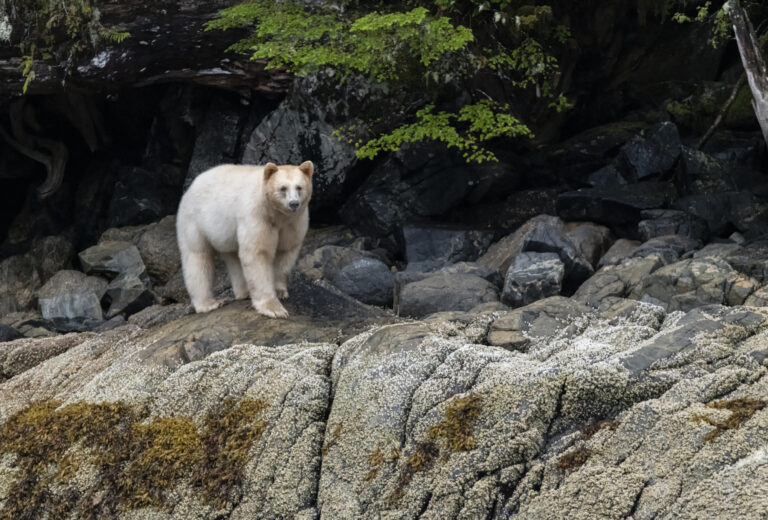
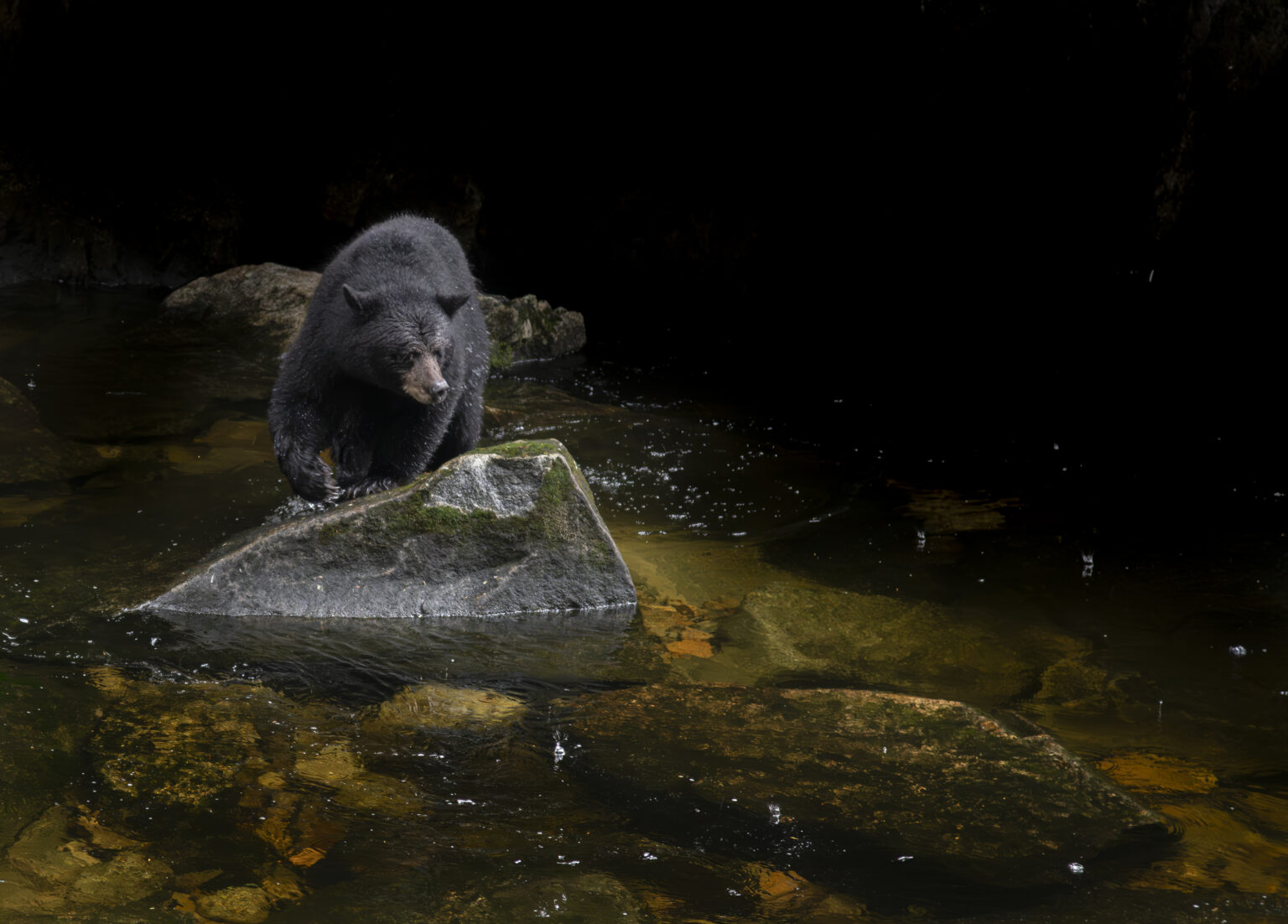
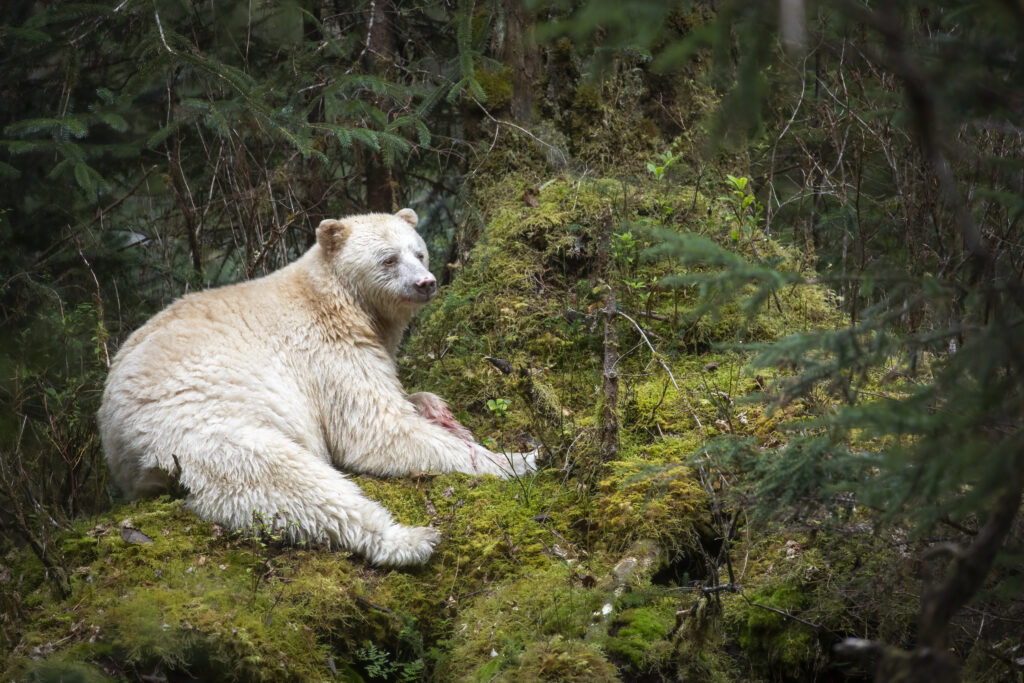
The Great Bear Rainforest is famous for the Spirit Bear, the rare white-coated form of the Kermode bear, but it is far from the only wildlife draw. The region is also known for coastal wolves, humpback whales, orcas, black bears, bald eagles, salmon, sea lions, and in parts of the broader region, grizzly bears. Official travel and Indigenous tourism pages repeatedly highlight these wildlife experiences as part of what makes the area so extraordinary.
What I love about that is simple:
This is not a one-subject destination.
Yes, people may first look into the Great Bear Rainforest because of Spirit Bears. But the place itself is much bigger than one animal. It is a complete coastal ecosystem, and that means every day has the potential to offer something different.
A wolf on a shoreline.
A whale offshore.
A bear in a salmon stream.
Eagles overhead.
Mist in the trees.
One of those mornings where even the weather seems photogenic.
That kind of variety is part of what makes the trip so rewarding for photographers.
Where Do People Stay in the Great Bear Rainforest?
Lodging in the Great Bear Rainforest is part of the adventure.
You are not usually staying in a giant chain hotel beside a highway exit and a sad breakfast buffet. Most stays in or around the rainforest are tied to remote communities, wilderness lodges, or marine-based operations, and access often depends on boats or planes rather than simple road travel. Official sources highlight remote lodges, boat-based experiences, and gateway communities such as Bella Coola as part of the visitor experience.
That does not mean roughing it in some heroic survival sense.
It means the accommodations are part of a more immersive travel experience.
For our guests, we plan the lodging as part of the overall trip design so it fits the workshop, the access, and the wildlife goals. That matters because in remote destinations, good lodging is not just about comfort. It is about location, timing, and how smoothly the trip flows from one part to the next.
When that is handled well, guests feel the difference.

What Should You Expect From the Travel Experience?
You should expect a trip that feels a little more adventurous than a standard vacation and far more rewarding than a standard vacation.
That is the honest answer.
The Great Bear Rainforest is remote. Travel days may involve multiple connections. Weather matters. Baggage planning matters. Timing matters. That does not mean it is hard in a bad way. It means you are going somewhere that still feels wild.
And again, this is where our workshop structure helps.
We do not just drop people into a remote corner of British Columbia and wish them luck. We help manage the path in and out, take care of the logistics to and from the rainforest, and make the trip feel achievable for photographers who want the experience without having to become their own expedition planner.
That is a major part of the value.
Because the truth is, many people would love to visit the Great Bear Rainforest. Fewer feel comfortable organizing it properly on their own.
Why a Photography Workshop Is One of the Best Ways to Visit
If your main interest is wildlife and photography, a dedicated workshop is one of the smartest ways to visit the Great Bear Rainforest.
Not because independent travel has no value.
But because this destination rewards planning, timing, and coordination more than most.
A photography-first workshop helps in a few important ways.
It simplifies the travel.
It aligns the trip around the best possible experience for photographers.
It removes a lot of the uncertainty from access and logistics.
And it gives you guidance in the field when the moments you came for finally happen.
That last part matters.
A place like this deserves more than a quick sightseeing pass. It deserves patience, local knowledge, and enough time in the field to let the experience unfold properly.
Visiting the Great Bear Rainforest With Respect
This is one of the most important parts of the trip, and it should not be treated like a footnote.
The Great Bear Rainforest is home to 26 First Nations, and provincial information emphasizes the region’s long human history and the role of First Nations communities in shaping, protecting, and stewarding this land. Indigenous Tourism BC also highlights Indigenous-led experiences across the region, which offer visitors a more meaningful understanding of the rainforest through community knowledge, culture, and story.
That means visiting well is not just about seeing wildlife.
It is about approaching the place with respect.
For me, that means remembering that this is not empty wilderness. It is lived-in, storied, culturally significant land and water. When visitors understand that, the trip becomes more than scenic. It becomes more grounded, more meaningful, and more connected to the place itself.
And frankly, that is the kind of travel I think matters most.
Final Thoughts: Is the Great Bear Rainforest Worth the Effort?
Without question.
Yes, it takes more planning than a simple weekend getaway.
Yes, access is part of the story.
Yes, it helps to have people guiding the process who know how to make it all work smoothly.
But that is also why the Great Bear Rainforest feels the way it does when you arrive.
It feels remote.
It feels special.
It feels wild.
And for photographers, that is often exactly what they are looking for.
If you have been dreaming about visiting the Great Bear Rainforest but have hesitated because it seems complicated, that is precisely where our workshop can help. We take care of the logistics of getting guests to and from the rainforest, plan the trip with photographers in mind, and make it possible to experience this extraordinary place without having to untangle every moving part yourself.
That way, you can spend less time worrying about how to get there and more time thinking about Spirit Bears, coastal wolves, whales, and the remarkable coast of British Columbia.
Which is a far better use of your energy. See both our photography-focused tours in the Great Bear Rainforest.