Kenya Safari Frequently Asked Questions
By Kevin Pepper |
Is Kenya safe for travelers?
Yes—Kenya is a well-established safari destination with strong tourism infrastructure, especially in the areas we focus on. Like anywhere, you use common sense in cities (keep gear discreet, don’t wander at night, use hotel transport), and once we’re on safari—moving between camps and conservancies—it’s typically very comfortable and well-managed.
How physical is a Kenya photo safari?
Generally low to moderately physical. Most photography happens from our vehicles. The “effort” is more about early starts and staying engaged when the light is perfect. If we include walking experiences in any area, they’re optional and guided. We can also pace the trip to match your comfort level.
When is the best time to visit Kenya for a photo safari?
Kenya is good year-round, but photographers usually care about two things: wildlife density and light/sky reliability.
- Dry season (June–October): easier wildlife viewing, shorter grass, animals concentrate around water, and roads are typically in great shape.
- Green season (November–March): greener landscapes, dramatic skies, fewer vehicles in many areas, and excellent birdlife. Short rains can happen, but it’s often very photo-friendly.
- Long rains (typically April–May): can be lush and beautiful, but heavier rain can affect roads and consistency.
If your trip includes both predator action and elephants, we time the itinerary so each location shines during your dates.
What areas do your Kenya safaris focus on?
Our Kenya trips are built around classic wildlife plus photographer-specific experiences. Depending on the itinerary, we typically combine:
- Masai Mara (predators, big behavior, golden light)
- Amboseli (elephants with Kilimanjaro—when the mountain shows up)
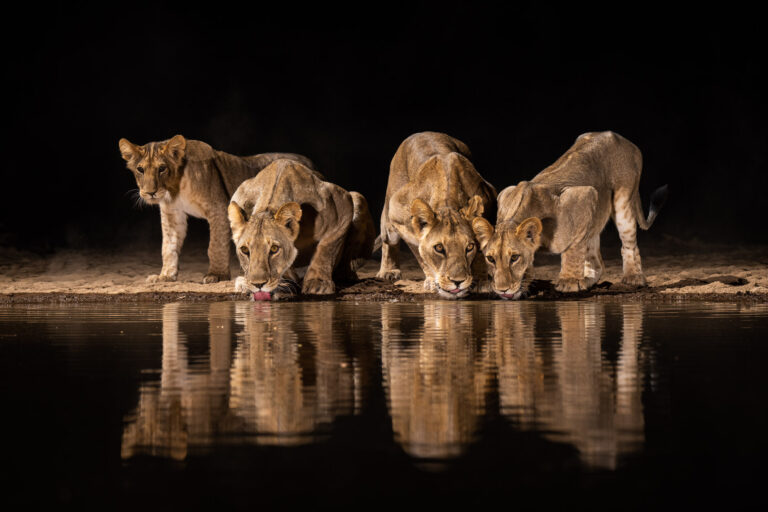
- Shompole (photo hides and a slower, more intentional photography rhythm)
How much driving is involved?
Kenya can involve both flights and drives depending on the route.
- If we’re linking major regions, we often use safari flights to save time and energy.
- Road transfers can happen too, especially when moving between Nairobi and more remote areas (or positioning for hides).
We plan transfers with real breaks and sensible timing so the day doesn’t feel like a forced march.
What’s the daily schedule like?
Think: early start, prime light, midday reset, afternoon/evening golden light.
Some days are built around staying with behavior—meaning we don’t leave a scene just because we “already got the shot.” That’s how you come home with a story instead of a scrapbook.
Will we be in special photography vehicles?
Yes—when possible, we use photography-friendly vehicles (fewer people per row, room to move, clean sightlines, support for long lenses). Kenya is popular, and the right vehicle setup matters. A lot.
What’s different about shooting in the Mara vs Amboseli?
- Masai Mara: fast-paced behavior, predators, hunts, big interactions, and lots of opportunities for storytelling sequences.
- Amboseli: elephants, dust, graphic compositions, layers, and those iconic moments when Kilimanjaro decides to cooperate. (It’s a mountain, so it does what it wants.)
What camera gear should I bring?
A versatile kit covers Kenya well.
Recommended focal lengths:
- Wide: 14–24 / 16–35 (landscapes, vehicles-in-scene, environmental frames, Amboseli scale)
- Midrange: 24–70 (people, culture, camp, close elephant scenes)
- Tele: 70–200 (portraits, behavior, clean compositions)
- Long lens: 100–400 / 180–600 / 200–500 (predators, birds, distant action)
Support:
- Bean bag: extremely useful in vehicles
- Tripod: optional (rarely needed on game drives, helpful for stars or lodge scenes)
- Rain cover: small insurance policy during variable weather
Will you help with settings and editing?
Absolutely. In the field we help with exposure, autofocus choices, shutter speeds for action, subject separation, and building a sequence. We also do image reviews so you leave with stronger photos and a clearer sense of why they worked.
What about drones in Kenya?
In most safari areas, drones are restricted and permissions can be complicated (parks, conservancies, lodges, and aviation rules). Assume no unless we’ve confirmed a specific location and permission in advance.
What’s the deal with crowds in Kenya?
Kenya is famous for a reason—so some areas can be busier at peak times. Our approach is simple:
- use the right locations (including conservancies when available)
- go early, stay late
- prioritize guides who know how to position for photographers
We’re not trying to win “most vehicles in one sighting.” We’re trying to make images.
Can a non-photographer join?
Usually yes—if they’re aligned with the pace. This is a photography-first safari: early starts, waiting for light, staying longer with good subjects, and stopping often. If they enjoy wildlife and don’t mind you getting excited about “the background finally cleaned up,” they’ll do great.
Do I need visas or vaccines?
Requirements can change, so we’ll point you to the current official guidance for visas and health recommendations when you book. In general, most travelers should plan for routine travel vaccines and consider malaria prevention depending on their itinerary and season.
What makes an Akari Kenya safari different?
Small groups, photographer-first decisions, vehicles that don’t feel like a clown car, and a leader who’s paying attention to the light and the behavior—not just the species list. Kenya can be spectacular. We’re there to help you photograph it with intention. See the photo safaris we are currently offering in Kenya.