Namibia Frequently Asked Questions
By Kevin Pepper |
Is Namibia safe for travelers?
Yes—Namibia is widely considered one of the safer, easier countries to travel in Africa, and it’s a place we’ve worked in for years. Use normal travel smarts in towns (keep gear discreet, don’t leave valuables visible, lock bags in the vehicle). Once we’re on tour—moving between places like Etosha, Ongava, Spitzkoppe, Kolmanskop, Sandwich Harbor, and the Quiver Tree Forest—it’s typically relaxed, low-stress travel with great infrastructure and friendly people.
How physical is a photo workshop in Namibia?
Moderately physical, but very doable. Most shooting is close to the vehicle or lodge, especially in Etosha and Ongava where we’re working waterholes and wildlife areas. The more “active” moments are:
- Walking in soft sand (especially if we’re photographing dunes/coastal scenes near Sandwich Harbor)
- A bit of wandering on uneven ground around Spitzkoppe (granite slabs and rocky terrain)
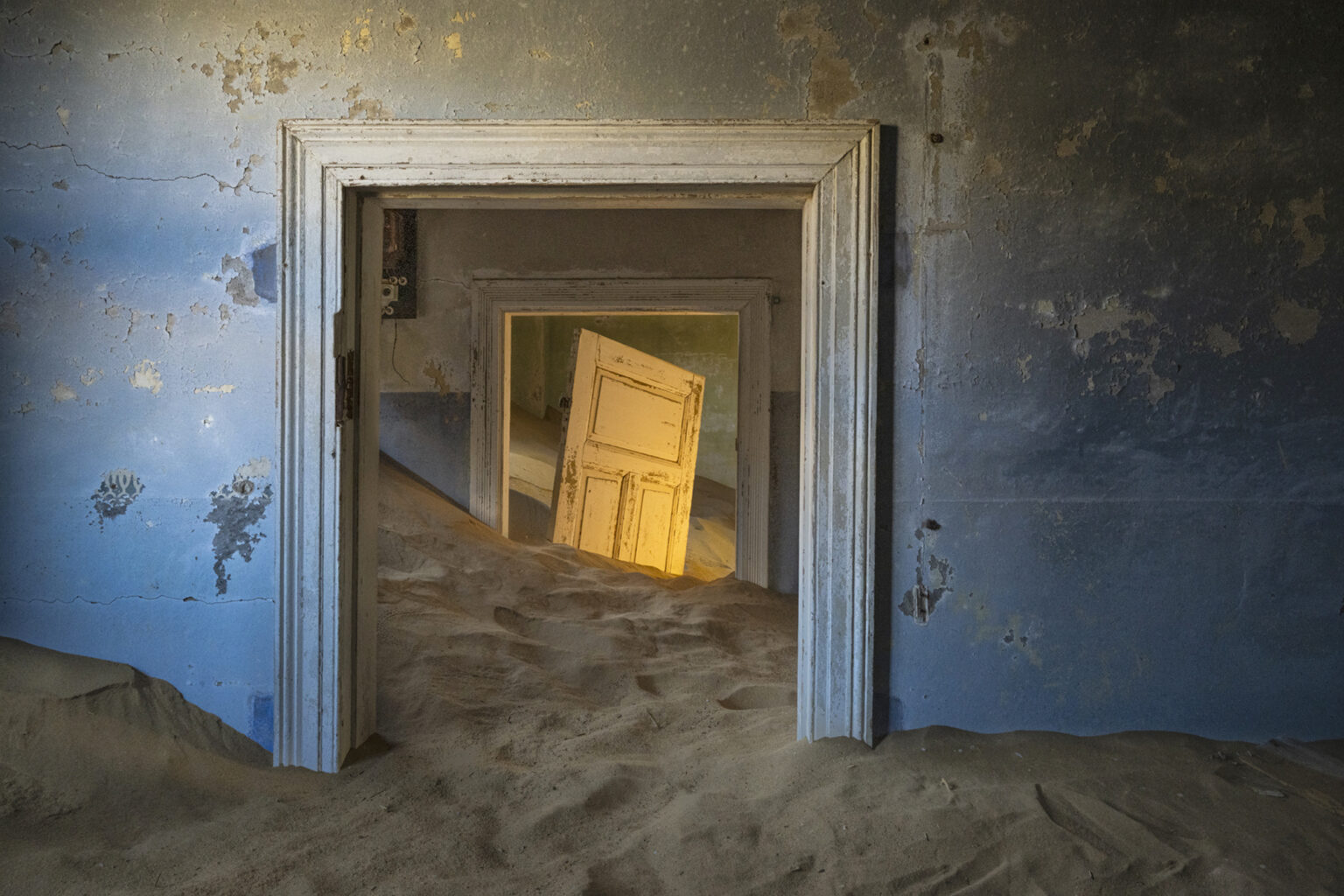
- Exploring Kolmanskop on foot (easy walking, lots of stopping, lots of “wait—one more frame”)
We can always adjust the pace—shorter walks, more time near the vehicle, or longer hikes for those who want bigger perspectives.
When is the best time to visit Namibia?
Best overall window (weather + wildlife + clear skies): late May to September. That’s Namibia’s dry season—less humidity, fewer clouds, and reliable conditions across the country.
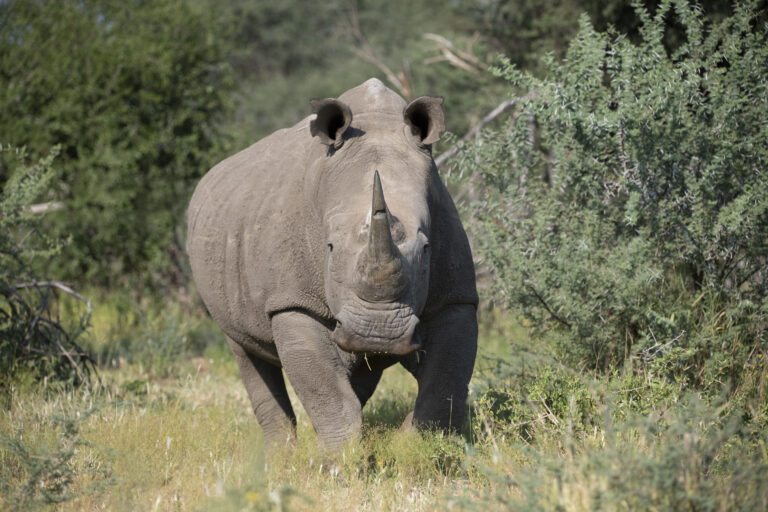
Wildlife (Etosha + Ongava): Dry season concentrates animals around water. Sightlines improve as vegetation thins out, which is a gift for photographers who like clean backgrounds and clear behavior.
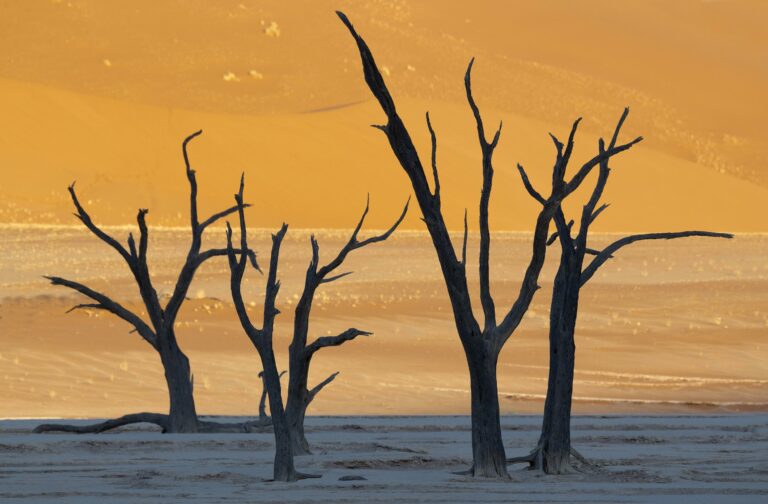
Landscapes (Spitzkoppe + Quiver Tree Forest): Crisp air, dramatic light, and more comfortable days for sunrise/sunset work—plus nights that are made for star photography.
Coast (Sandwich Harbor): Dry season usually brings steadier conditions. The mix of ocean mist, dunes, and directional light is magic when it lines up.
Pick your “best” month inside that window
- May–June (sweet spot): Dry season begins, pleasant daytime temperatures, and nights aren’t at their coldest yet. Great balance for Etosha/Ongava wildlife plus Spitzkoppe and Quiver Tree Forest sunsets.
- July–August (peak reliability): Often the clearest, driest stretch. Excellent for wildlife at waterholes and crisp conditions at Spitzkoppe—but nights are cold (bring real layers, not optimism).
- September: Still dry and strong for wildlife, with slightly warmer nights than mid-winter. The end-of-trip campfire feels earned.
- October: Often excellent wildlife concentration (especially around Etosha), but the heat ramps up and mid-day can feel harsher.
When not to go (if night skies are a priority)?
November–April is greener/wetter—beautiful in its own way, with dramatic skies and different moods, but clouds and storms can steal your star nights.
How much driving is involved?
Namibia is big, so yes, there are driving days. Expect a mix of shorter hops (1–2 hours) and a few longer transfers (4–6 hours, occasionally more depending on route and conditions). We break it up with photo stops and stretch breaks—and honestly, the drives are part of the story: desert plains, big skies, and those “pull over” moments that happen between Etosha, Ongava, Spitzkoppe, Kolmanskop, Sandwich Harbor, and the Quiver Tree Forest.
Do you offer helicopter flights?
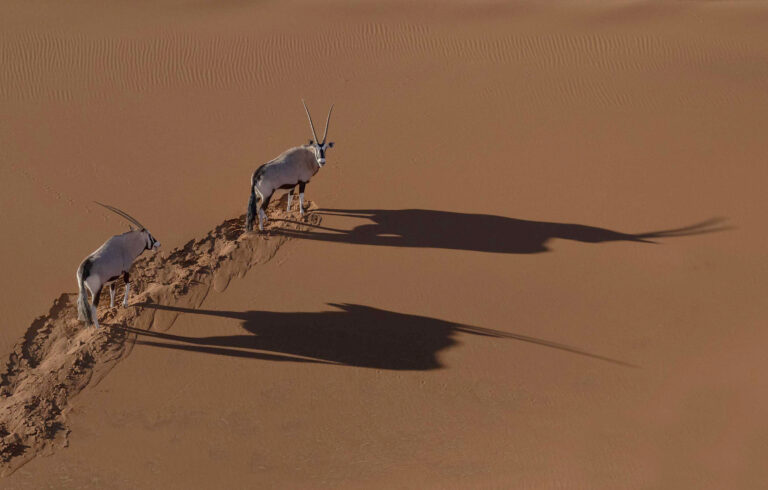
Sometimes—helicopter options can be available in select areas depending on logistics and season. It’s not required, but if aerial patterns and desert geometry are your thing, it can be an unforgettable add-on when it fits.
Can you fly a drone in Namibia?
Sometimes—but it’s not a simple yes. Rules and permissions vary by location, and restrictions are common in parks and around lodges. Our approach: assume no until confirmed. If you bring one, bring it expecting limited, carefully chosen opportunities—especially around sensitive areas like wildlife zones (Etosha/Ongava) and high-traffic locations.
What camera gear should I bring on your Namibia photo workshops?
A simple, reliable kit wins in Namibia because we’re photographing wildlife, wide landscapes, coastal dunes, and interiors (hello, Kolmanskop).
Suggested kit
- Two bodies (optional but helpful): one set for wide/standard, one for telephoto
- Wide: 14–24 / 16–35 (Spitzkoppe, Quiver Tree Forest, Sandwich Harbor dunes, big skies)
- Midrange: 24–70 (general travel, details, environmental portraits, Kolmanskop interiors)
- Tele: 70–200 (compressed landscapes, details, some wildlife)
- Long wildlife lens: 100–400 / 180–600 / 200–500 (Etosha + Ongava—waterholes, predators, birds)
Support
- Tripod: strongly recommended for sunrise/sunset and night sky (Spitzkoppe + Quiver Tree Forest are perfect for it)
- Bean bag: great in safari vehicles at Etosha/Ongava
Will you help with settings and editing?
Absolutely. In the field we help you dial in exposure, focus, motion, composition, and background control in real time—so you’re not guessing while the light is perfect. We also do image reviews and editing guidance so you go home with stronger files and stronger instincts.
What about dust and protecting your photo gear?
Dust is part of Namibia’s charm… and part of your sensor’s character development.
- Keep a camera/lens combo ready so you’re not constantly swapping in the wind (especially on the coast near Sandwich Harbor)
- Use a blower, microfiber cloths, and zip bags/dry bags for transport
- Change lenses inside the vehicle, or with your back to the wind
- A simple cover (or shower cap) works great during dusty drives
Bonus: Kolmanskop can be sandy inside too—beautiful, but it sheds “history” onto everything.
Can a non-photographer join your photography tour in Namibia?
Usually yes—if they understand what the trip is. This is photography-first: early starts, chasing light, stopping when a scene is good (which is often), and spending time to get it right—whether that’s a waterhole moment in Etosha/Ongava, sunset glow at Spitzkoppe, silhouettes in the Quiver Tree Forest, the surreal rooms of Kolmanskop, or dunes meeting ocean at Sandwich Harbor.
If they enjoy nature, travel, and don’t mind a partner who gets excited about “one more angle,” they’ll fit right in. If they want a fast-paced sightseeing itinerary, this won’t be their favorite kind of vacation.
Is the food safe in Namibia?
Yes, the food in Namibia is generally very safe for travelers, especially when you are staying in well-established lodges, guesthouses, and safari camps like we do on our workshops. Namibia has a strong tourism infrastructure, and the places we stay are used to welcoming international guests and serving meals that are both high quality and well prepared.
On our Namibia photography tours, meals are typically enjoyed at reputable lodges and hotels where food handling standards are good and the ingredients are fresh. In many cases, the food is actually one of the pleasant surprises of the trip. Expect hearty breakfasts, well-prepared dinners, fresh meats, vegetables, soups, breads, and desserts that are far better than many people imagine before they arrive.
As with travel anywhere in the world, common sense still matters. We recommend drinking bottled or filtered water when advised, washing your hands regularly, and being a little cautious with unfamiliar foods if you tend to have a sensitive stomach. But overall, Namibia is not a destination where food safety is usually a concern for our guests.
See our Namibia photo safaris here. We run a few different itineraries in Namibia. One is strictly for landscapes, and the other includes wildlife.