Learn about the Snow Leopard
By Kevin Pepper |
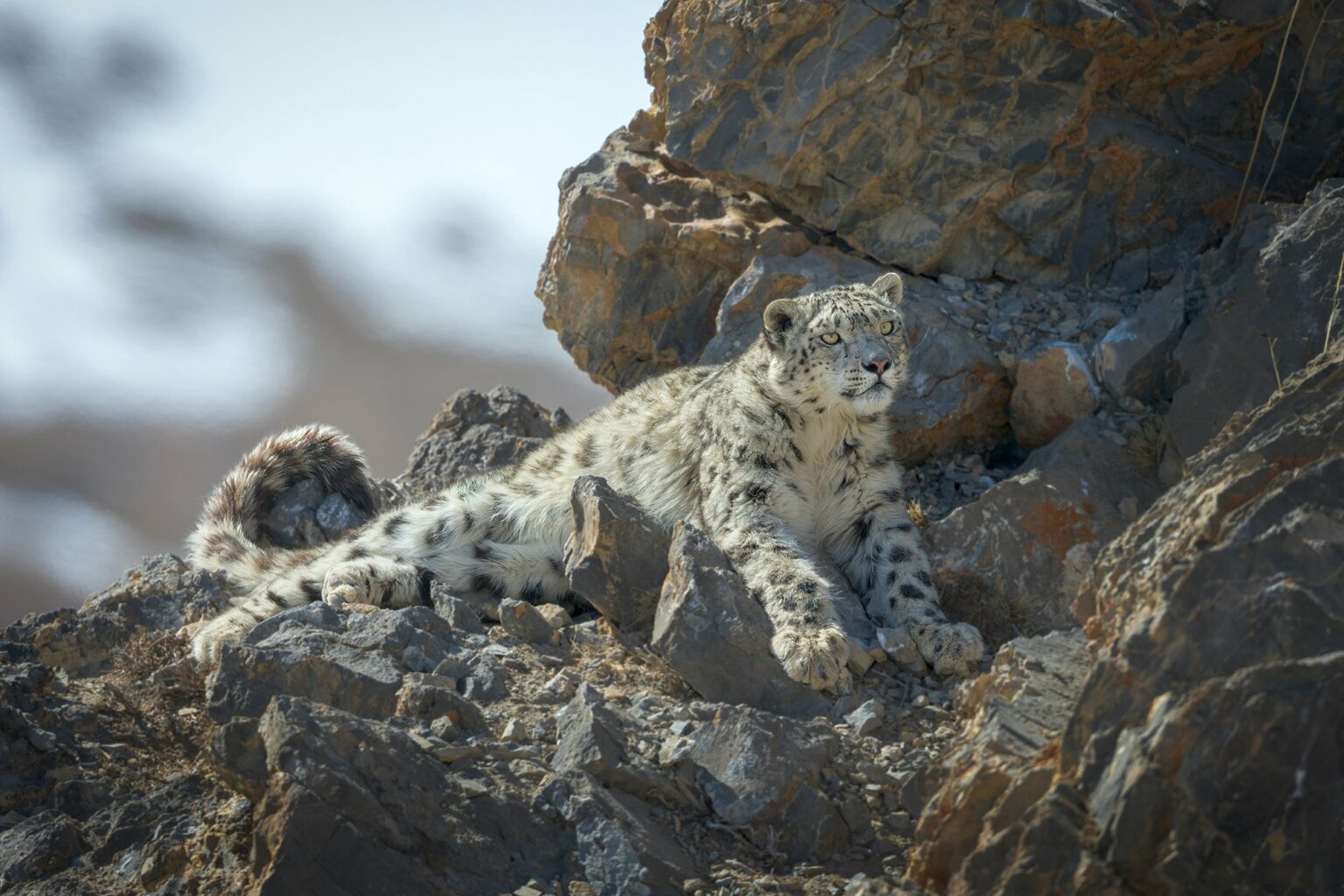
Did you know that snow leopards are one of the most elusive big cats in the world… and the big cat that photographers fantasize about photographing? Here are some interesting facts about the snow leopard that you may not already know.
Common Name: Snow Leopard
Nickname: Ghost of the Mountain
Scientific Name: Panthera uncia
Type: Mammals
Diet: Carnivore
Size: Four to five feet long with a tail up to 36 inches
Weight: 60 to 120 pounds
Did you know snow leopards are more closely related to tigers?
The two large cats are members of the Panthera genus and diverged from one another over two million years ago. These endangered species of cats are nearly impossible to see if one were to venture out on their own without an experienced guide.
There could be as few as 4,000 Snow Leopards in the wild. However, the exact number is unknown as they are incredibly elusive. Their main threats are habitat loss and deterioration, human-wildlife conflict, loss of prey, poaching for illegal trade, and climate change.
They are native to the mountains of central and south Asia
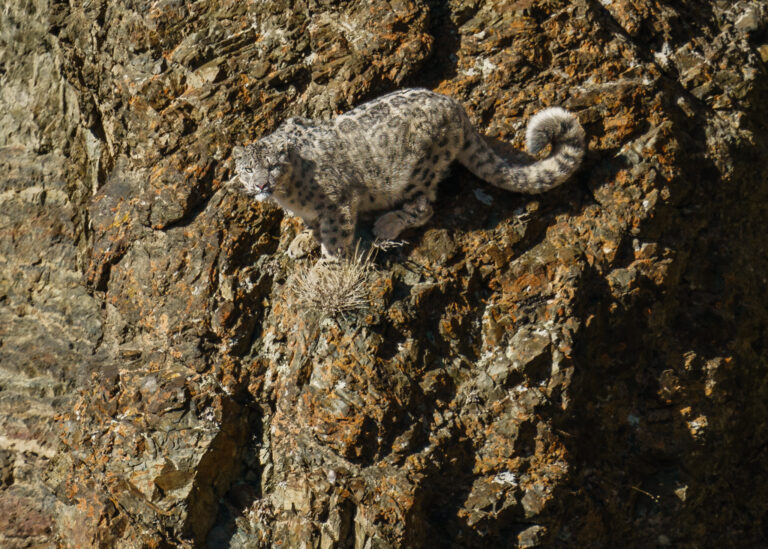
Snow Leopards are found in 12 countries: Afghanistan, Bhutan, China, India, Kazakhstan, Kyrgyzstan, Mongolia, Nepal, Pakistan, Russia, Tajikistan, and Uzbekistan. Their range spans about two million square miles, which is about half the size of Greenland. However, the species is becoming increasingly difficult to find in the wild, and it also doesn’t help that they dwell in inaccessible, jagged highlands that are tough for humans to access.
Your best bet at spotting one is probably in the Altai Mountains in Mongolia. Here, the largest population of Snow Leopards exists in one geographical area. You also do not need to climb to heights of 12,000 to 13,000’ to see them as you do in India.
The Snow leopard is nomadic
Since snow leopards must hunt for their food, the location of their prey is essential. Although snow leopards have specific regions they consider their own, they do not always have the same region during their lives.
When a male finds a suitable location, he marks his territory by spraying his scent glands, warning other snow leopards to avoid it. Male territories never overlap, but males occasionally overlap theirs with a female from the same pack.
They are expert climbers and can leap up to 50 Feet in a single bound
The snow leopard would do well in most athletic competitions, with the long jump being its best chance. Some snow leopards have been observed to leap 6 times their body length or 9 meters! These big cats are fast felines and can run up to 58km/h!

The snow leopard has no problem thriving in extreme climates
Snow leopards are well-suited to their high-altitude habitat’s harsh environment. Snow leopards live at extremely high elevations to survive winter temperatures as low as -40°C. Furthermore, snow leopards can adapt to warmer weather and may endure temperatures up to 30°C in the summer.
Global warming may be the snow leopard’s most long-term severe hazard. Habitat loss and poaching have caused 20% of the population to vanish in the last ten years. On the other hand, climate change can potentially alter the terrain and weather of the snow leopard’s habitat, posing difficulties for its prey. This, of course, affects how much food it can find and how long it can survive.
Did you know snow leopard does not roar?
Snow leopards’ unique physical structure sets them apart from other big cats– they cannot roar. Instead, they make non-aggressive noises such as meowing, purring, growling, and hissing. They also communicate through chuffs—a sound made by air coming forcefully out of the nose.
The Snow leopard is smaller than leopards
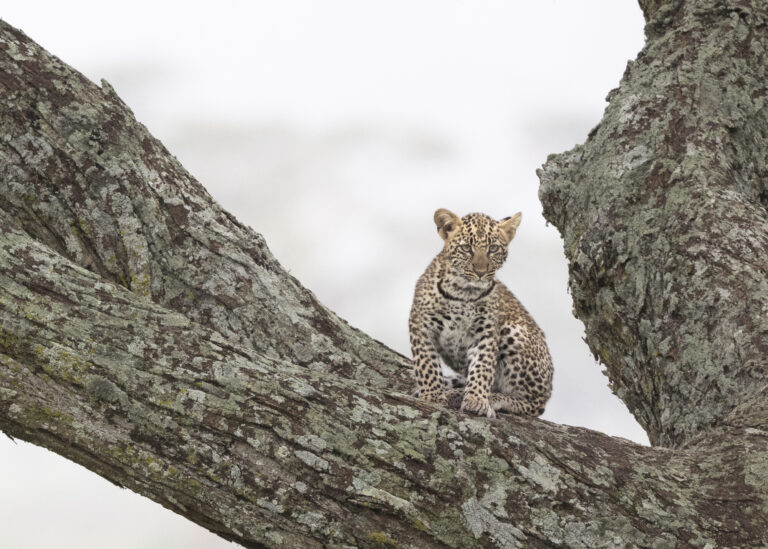
If you’re wondering how to tell a snow leopard apart from a regular leopard, one key difference is size. An adult snow leopard only reaches about 2 ft in height and 7 ft in length, whereas an adult leopard can grow up to 8.5 ft long and weighs 50-200 lbs.
The Snow leopard is not aggressive towards humans and have no natural predators
In comparison to other members of the big cat family, snow leopards are the least likely to attack humans. Since they are solitary creatures, there have been zero recorded cases of snow leopard attacks on humans throughout history.
For over 3 million years, the snow leopard habitat has claimed the lofty and chilly rocky mountains as its own. These remote regions keep predators such as wolves at bay, putting snow leopards at the top of the food chain.
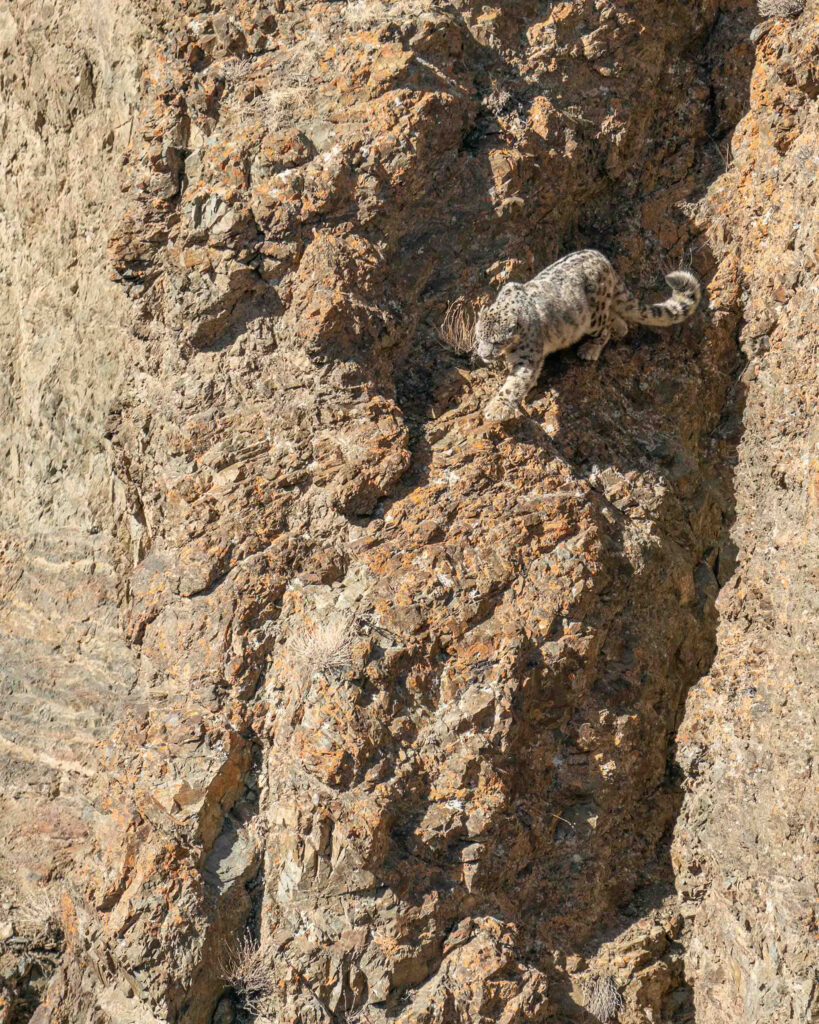
Female snow leopards mate every two years
Female snow leopards spend an entire year nurturing their cubs; if they mate every two years, they have enough time to recover and produce more offspring. A mother snow leopard typically has 2-3 cubs per litter, and during the early stages of development, these need constant care. Although they grow quickly and learn how to hunt sooner than most animals, young snow leopards usually stay with their mothers for up to 24 months.
Although snow leopard cubs mature relatively quickly, they are born vulnerable and without any defense mechanisms. For example, it takes approximately one week for them to gain the ability to open their eyes after they are born. In addition, snow leopard cubs cannot consume solid foods until they reach two months old. However, young snow leopards begin to follow their mother on hunts by three months old.
Snow leopards do not eat as often as one would think
Snow leopards typically hunt alone every 8-10 days. They eat slowly, savoring their meals over several days if necessary. The most common animals they will eat are ibex, mountain sheep, argali, horse, camel, blue sheep, goat, and young yaks. However, under duress, they have also been known to prey on rodents such as rabbits, voles, marmots, and birds if necessary. Their hunting prowess is unrivaled among big cats; animals three times their size are no match for them.
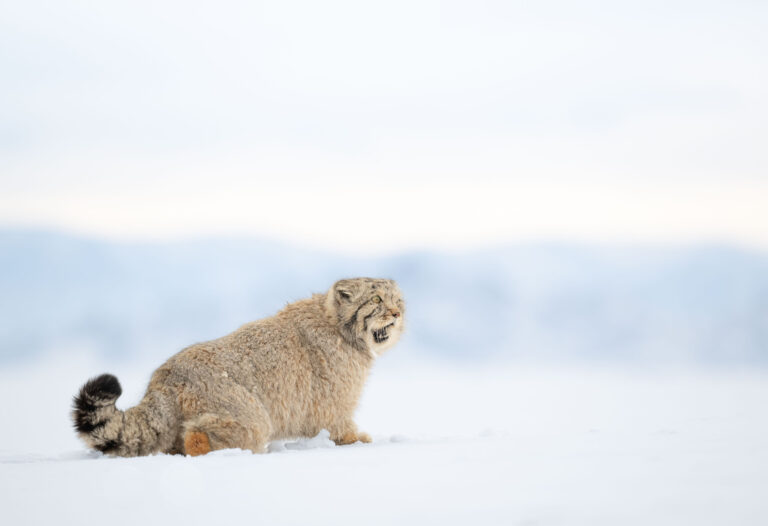
If you would like to embark on a wildlife adventure of a lifetime, join us on one of our Snow Leopard and Pallas’s Cats workshops in Mongolia.
Read Other Species Spotlight articles
If you’re as passionate about wildlife as we are, take a moment to explore our Species Spotlight series. Each article dives into the fascinating lives of the animals and birds we love to photograph on our workshops—whether it’s a puffin perched on a cliff in Newfoundland, a leopard draped across a tree in Tanzania, or an Adelie penguin waddling through the snow in Antarctica. It’s a growing library of stories, facts, and inspiration for anyone who dreams of capturing the wild through their lens. Come see the world the way we do—one species at a time.