Mongolia vs. India for snow leopard photography workshops
By Kevin Pepper |
Why our Mongolia Snow Leopard photo workshop is built for photographers?
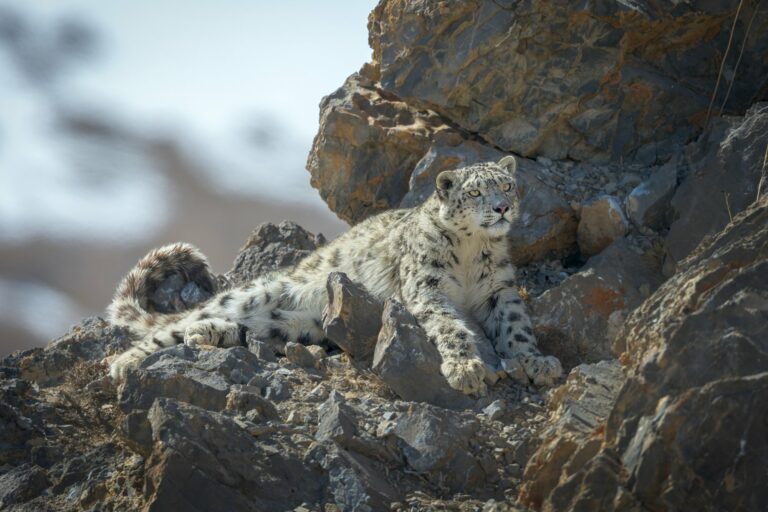
Snow Leopards have a way of turning adults into eight-year-olds. Whispering. Pointing. Holding their breath like it’s a group activity.
And honestly? I love that.
But if you’re choosing a Snow Leopard photo workshop because you want real photographs—not a story that starts with “Well… it was kind of a dot on a ridge…”—then the destination matters. A lot.
India has legendary snow leopard country. No argument. But for photographers, Mongolia has advantages that are hard to ignore. Not because it’s “easier.” Snow leopards don’t do easy.
It’s superior because snow leopard encounters in Mongolia can be more photogenic. Here’s why.

1) Terrain and topology
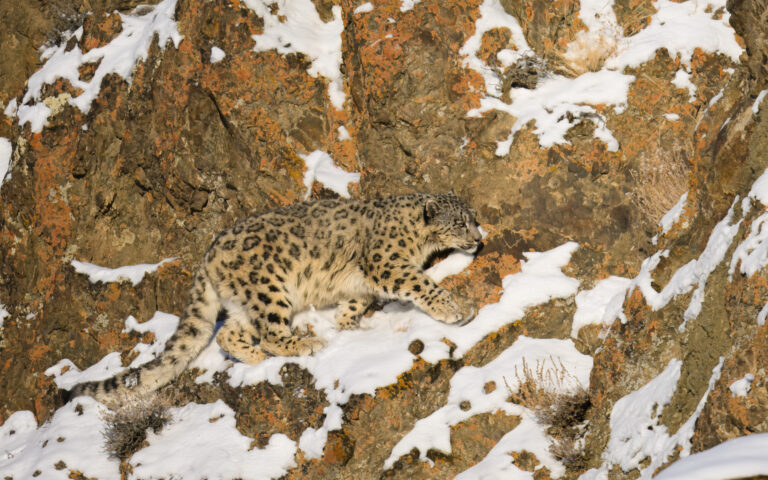
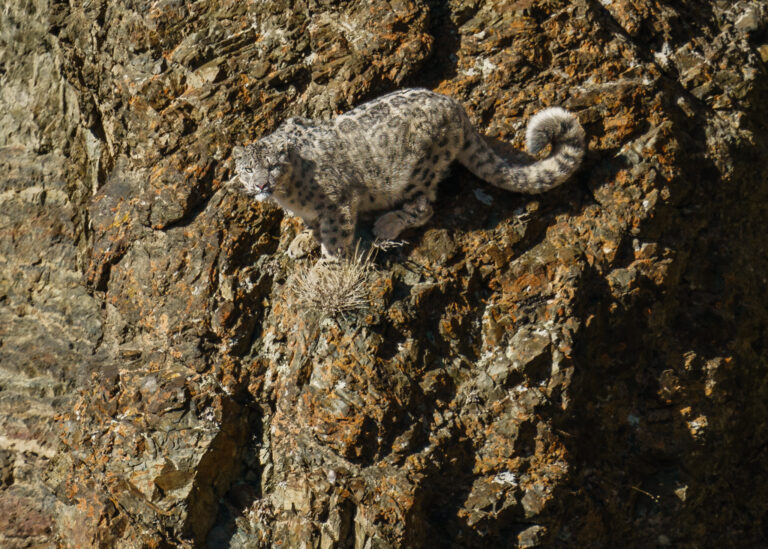
Snow leopards are difficult to photograph because they live in high, mountainous territory and are well camouflaged against the rocks.
In both India and Mongolia, the terrain involves mountains and valleys. In India, the valleys are vast, and the distance from your viewpoint to the leopard on the mountain across the way is far, often too far for a 1200mm lens.
The mountain range where we photograph snow leopards in Mongolia is, for lack of a better description, more compact. While it will take more hiking to get there, your photo location is more likely to be at a reasonable distance from the cat, rather than across a vast canyon. For a photographer, the difference between a 600mm image and a 1600mm image is huge.
2) Altitude
There is a large elevation difference between snow leopard habitats in Mongolia and India. In Mongolia, our sightings and hiking are at elevations of 6,000–8,000 feet (1,800–2,400 meters), while in India, these elevations can reach 11,000–14,000 feet (3,300–4,300 meters).
The high elevations of the Himalayas require acclimatization days before reaching the snow leopards, and will drain your breath and energy even if you are fit. While in Mongolia, you can reach our snow leopard destination more easily without extra acclimatization days.
Snow leopard spotting in India is primarily from established viewpoints, and any sort of hiking at that elevation would be very strenuous.
In Mongolia, we will hike to where leopards have been spotted, as there are no established viewpoints. These sorts of hikes are achievable at lower elevations and can make the difference between an “I saw the leopard” photo and a great image.

3) Success rate: We’ve photographed snow leopards on 100% of our tours
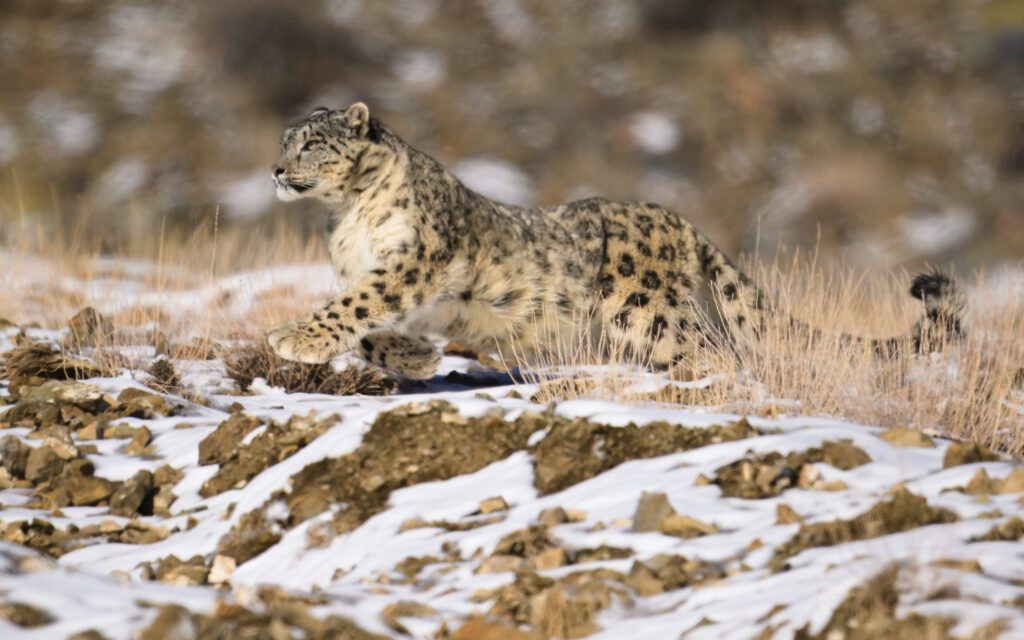
On our Mongolia snow leopard tours, we have a 100% success rate in photographing snow leopards. No, we don’t control the cats, and we can’t guarantee sightings, but we use a proven team and system to maximize your chances of quality photo encounters with these big cats.
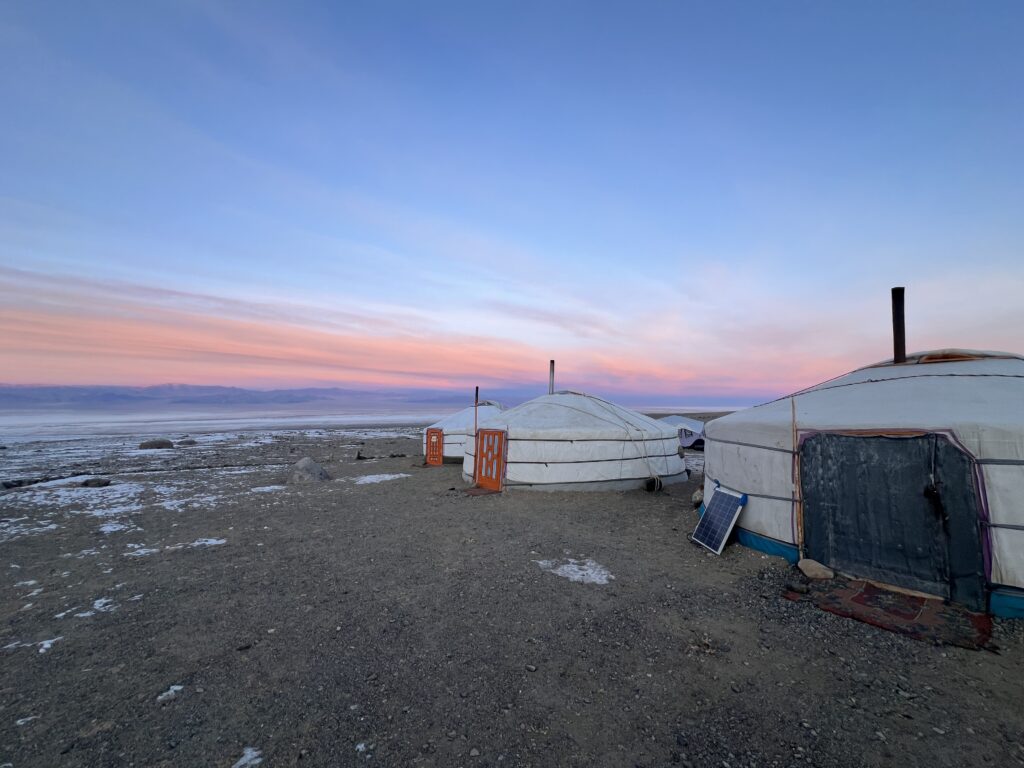
Our local team and tracking system drive our success rate in Mongolia. First, we start with the correct season. We head there in winter, when the snow leopards are at lower elevations and before they start roaming during their mating season.
Once we’re there, each morning, several experienced wildlife trackers head into the mountains in search of tracks and signs of snow leopards. They are in constant communication with each other. They also consult daily with local herding families who call these mountains home and sometimes experience leopard incursions into their herds.
Our goal is to maximize the number of tracking resources each day to give us the best chance of success. You’ll be astounded by how these experienced, local trackers can spot these camouflaged cats against the rocks. Once a cat is spotted, our group is alerted and promptly hikes to the location.
4) The supporting cast: Mongolia gives you more than one headline
Our trip to Mongolia adds other species to the mix:
- Pallas’s cat (the grumpy little legend of the steppe)
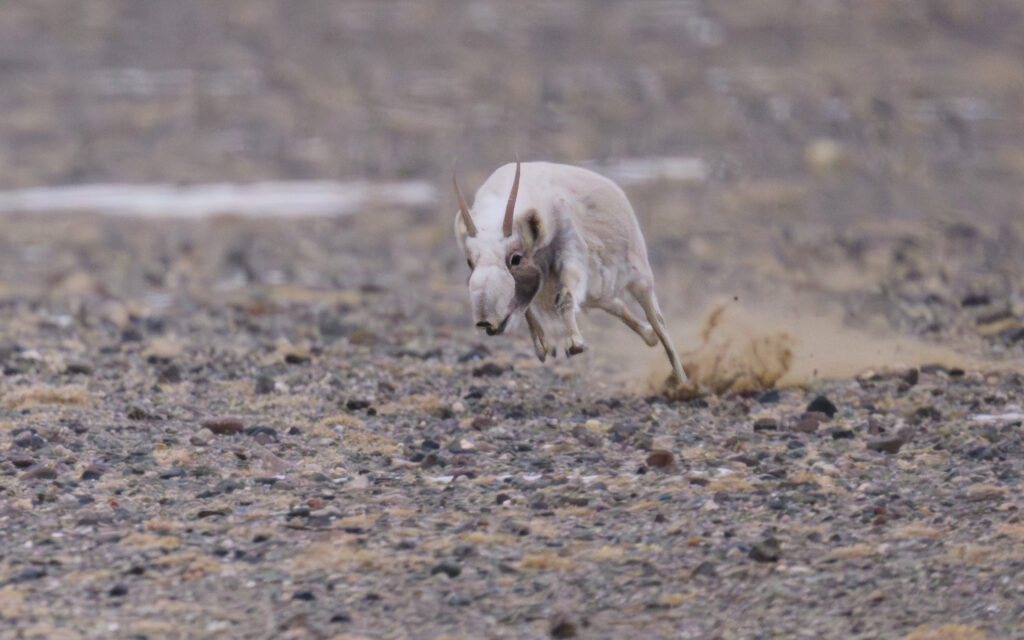
- Ungulates like ibex, argali, or saiga antelopes
- Raptors, foxes, and wide-open landscapes that feel ancient and untouched
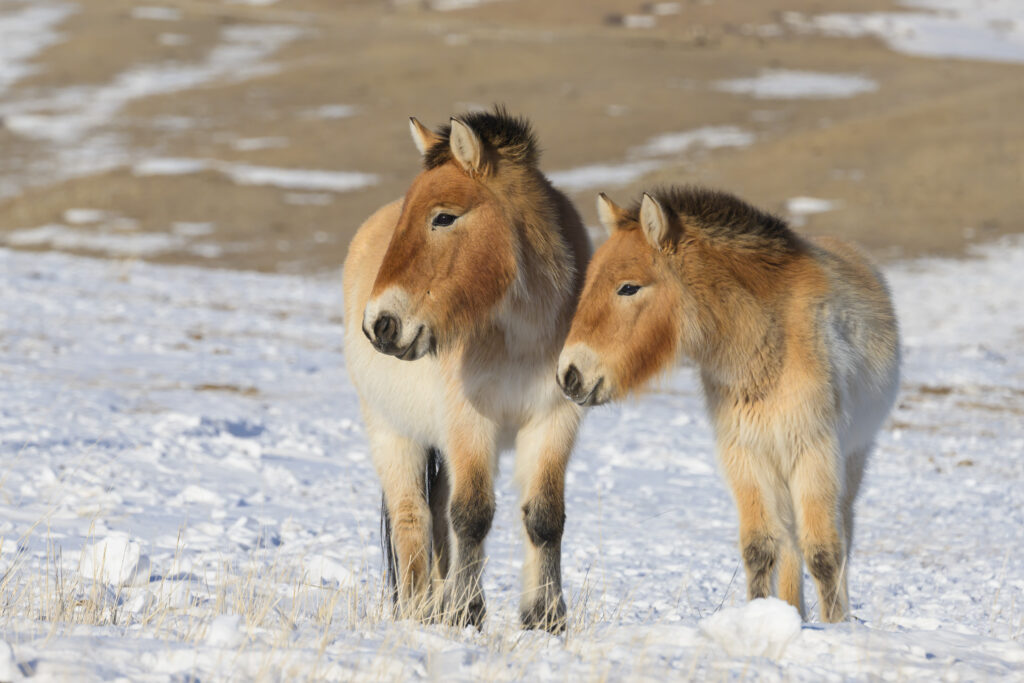
- On our stop in Hustai National Park, we’ll see Przewalski’s horses, Altai elk, or possibly Mongolian gazelles.
For photographers, that matters. Because even on a great snow leopard expedition, there will be hours where the cat doesn’t show. Mongolia offers additional chances to make meaningful images in those in-between moments.

5) Air travel: getting there matters more than you think
Admittedly, both trips involve lengthy travel and a big time difference. However, the flight itinerary to Mongolia is shorter and simpler. Also, you don’t have to build in time to acclimate to the super-high elevations, which gets you to the photography sooner.
The honest bottom line
The snow leopard is the most difficult big cat to spot and photograph. No matter where you try to spot a snow leopard in the wild, it is going to be an adventure and an expedition.
Based on our experience, Mongolia is a better choice for most photographers than India. It increases your chances of being at a reasonable photographable distance from the cat while keeping the elevation manageable for your hikes.
What our clients have to say about our Mongolia tours
“Akari Photo Tours delivered on a once in a lifetime opportunity to see snow leopards in the wild. Their world class trackers left no boulders unturned for a photo shoot.” – Gene H
“An excellent photo tour professionally run with exceptional local Mongolian contacts to ensure your trip is fully comfortable and you get all the photo opportunities as advertised with flexible arrangements delivered.” – Kieran W
Join Us in Mongolia
If snow leopards have been on your list for years—this is your sign to do it properly.
Our Mongolia Snow Leopard photo tour is built around what photographers actually need:
- small group experience
- photography-first pacing
- experienced leadership and local tracking
- a proven system with a 100% success rate photographing snow leopards
If you want details, just head on over to our Snow Leopard and Pallas’s Cat Photography Workshop page.