Namibia Is Not a Checklist Trip: Why Timing and Route Design Matter
By Kevin Pepper |
Namibia is one of the most rewarding countries in the world for photographers.
It is also one of the easiest places to get wrong.
On paper, the route looks simple enough. Deadvlei. Sossusvlei. Kolmanskop. Spitzkoppe. Etosha. The Himba. Quiver trees. Maybe a few dunes, a few animals, a few stars, and a nice cold drink somewhere between long desert drives.
Simple, right?
Not quite.
Namibia is not a checklist trip. It is not a place where you simply pin the famous locations on a map, rent a vehicle, and hope the photographs fall into place. The difference between a good Namibia trip and a truly memorable photography workshop often comes down to timing, route design, lodging choices, moon phase, driving days, rest, and knowing when not to rush.
After more than a decade of leading photography workshops in Namibia, we have learned that the magic is not just in the locations. The magic is in how the trip is built.

The Famous Locations Are Only Part of the Story
There is a reason photographers dream about Namibia.
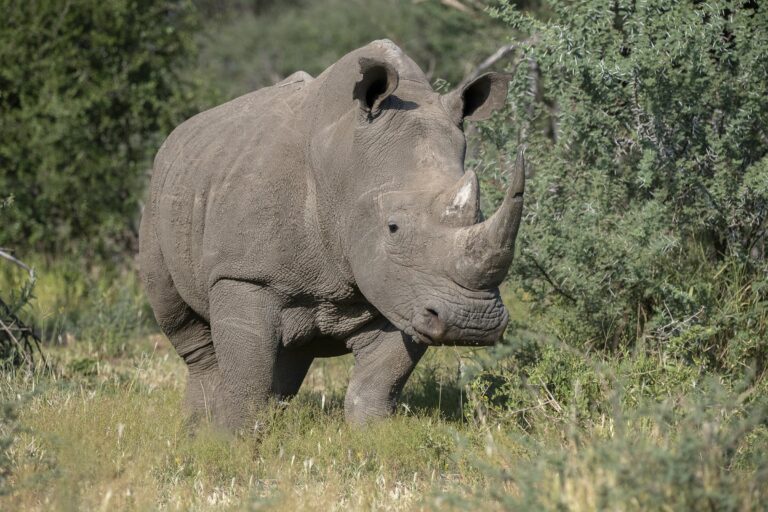
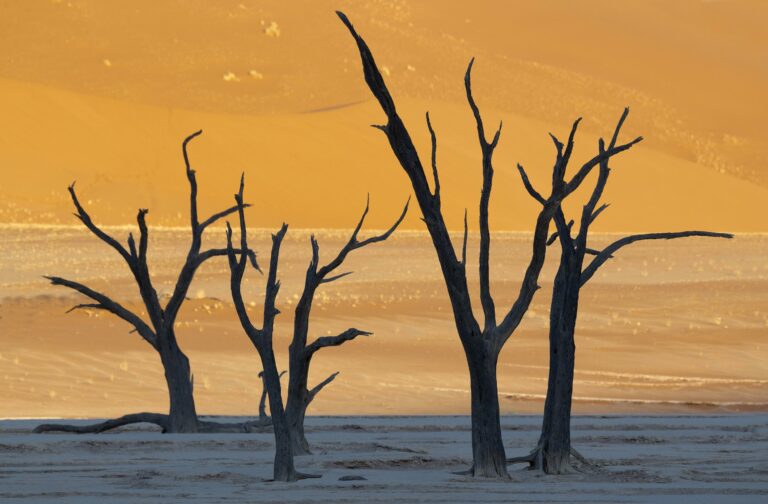
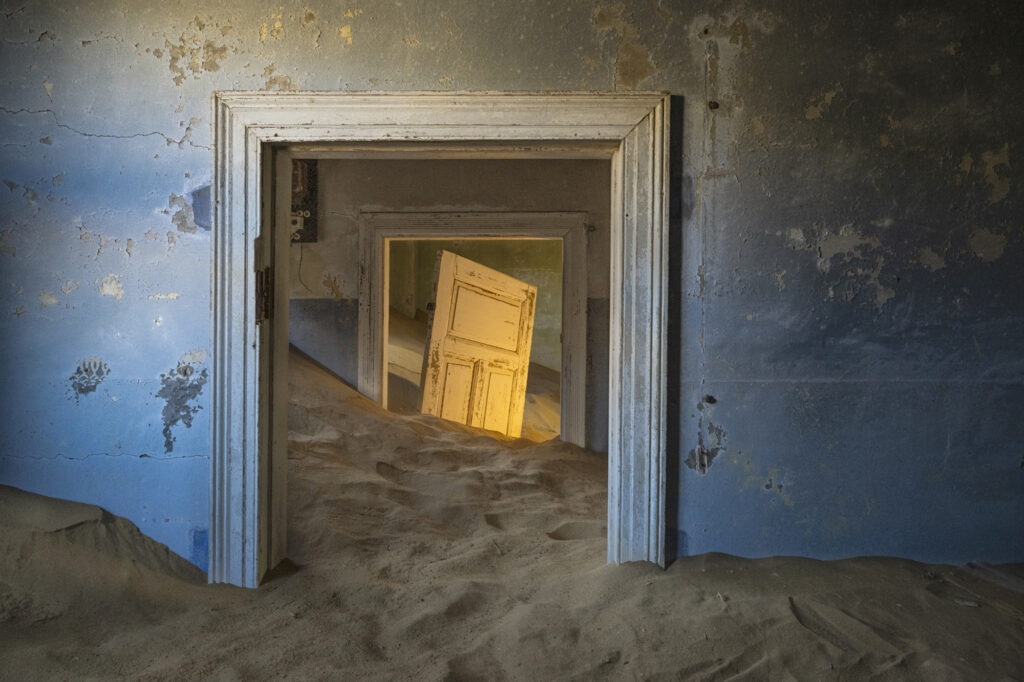
Deadvlei gives you ancient camel thorn trees against white clay, red dunes, and deep blue skies. Kolmanskop offers abandoned rooms slowly being reclaimed by the desert. Spitzkoppe rises from the landscape like a granite cathedral. Etosha delivers wildlife in wide-open spaces, where dust, light, and distance can turn a simple sighting into something graphic and beautiful.
But being there is not enough.
A photographer standing in the wrong place at the wrong time may only see harsh light, crowds, long shadows going the wrong direction, or tired eyes after too many hours on the road. The same location, approached with patience and timing, can produce completely different results.
That is why we do not treat Namibia like a list of stops. We treat it like a sequence of photographic opportunities that need to be placed in the right order.
Light Windows Matter More Than Mileage
In Namibia, the light changes everything.
The desert can be unforgiving in the middle of the day. The sun climbs high, contrast gets harsh, and color can disappear from the landscape. But at sunrise and sunset, Namibia becomes a different country. Dunes glow. Dust hangs in the air. Wildlife becomes backlit. Rock formations catch warmth and shape. The land starts to breathe.
That is why route planning matters.
It is not enough to ask, “Can we get there today?”
The better question is, “Can we get there in time to photograph it properly?”
There is a big difference between arriving at a location exhausted at noon and arriving with time to scout, rest, eat, prepare gear, and be ready when the light turns. A strong itinerary gives photographers breathing room. It does not drag people across the country just to say they have been somewhere.
Photography rewards patience. Namibia rewards planning.
Deadvlei Is a Perfect Example
Deadvlei is one of the most photographed places in Namibia, and for good reason. It is extraordinary.
But photographing Deadvlei well depends heavily on access and timing. You want to be in position early. You want to work with the first light as it touches the dunes. You want to have enough time to look beyond the obvious compositions and find something that feels like your own.
That does not happen if you are staying too far away, leaving too late, or rushing through because the itinerary is overloaded.
This is why lodging choices matter. Staying in the right area can give photographers a better chance of being where they need to be when the light is best. In Namibia, the hotel is not just a place to sleep. Sometimes it is the difference between making the photograph and watching the light disappear from the window of a vehicle.
And trust me, no one has ever taken a great photo while muttering, “We should have left earlier.”
Kolmanskop Needs Time, Not Just Access
Kolmanskop is another location where timing and structure matter.
At first glance, it is easy to think of Kolmanskop as a quick stop. Abandoned buildings. Sand-filled rooms. Done.
But the best photographs there are rarely made by racing from room to room. They come from slowing down, watching how light enters through broken windows, finding clean compositions, and waiting for the right angle. Some rooms come alive only at certain times of day. Others need quiet, patience, and a willingness to work small details.
This is where small groups and thoughtful scheduling make a difference.
If too many people are crammed into the same space, you are not composing anymore. You are negotiating elbows, tripods, shadows, and polite Canadian apologies. And while politeness is a wonderful thing, it is not a compositional tool.
A well-designed workshop gives photographers space to work. It also gives leaders time to help participants see beyond the obvious shot.
Driving Days Can Make or Break the Experience
Namibia is big.
Really big.
The distances can surprise people, especially if they are used to looking at maps rather than driving the roads. Some routes take longer than expected. Some are rougher than expected. Some are beautiful, but still tiring.
This matters because tired photographers do not make their best photographs.
A poorly planned itinerary may look exciting because it includes many locations. But if every day is a long transfer, guests arrive drained. They miss evening light. They skip optional shoots. They start making survival decisions instead of creative ones.
A strong Namibia workshop balances movement with recovery. It respects the fact that photographers need energy, clean gear, charged batteries, and enough mental space to be creative.
Rest is not wasted time. Rest is part of the photography plan.
Moon Phase Changes the Night Sky Experience
If a Namibia workshop includes night photography, the moon phase becomes critical.
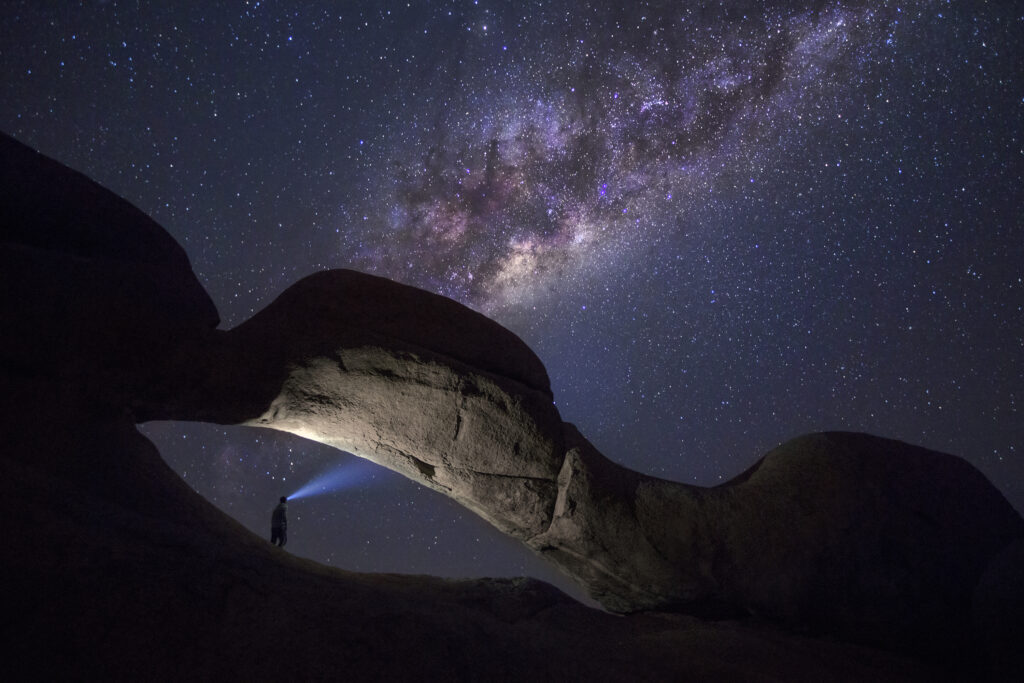
Namibia has some of the darkest skies many photographers will ever experience. At locations like Spitzkoppe or the Quiver Tree Forest, the Milky Way can be breathtaking. But that experience depends on planning around the moon, weather, timing, and location.
A bright moon can wash out the stars. The wrong timing can place the Milky Way in a less useful part of the sky. A rushed schedule can leave photographers too tired to stay out after dinner, which is usually when the fun starts and the headlamps begin pointing in every possible direction except where they should.
Night photography is not something to tack onto the end of a long day and hope for the best.
It needs to be designed into the workshop.
That means building the route around new moon periods when possible, choosing locations with strong foregrounds, allowing rest before or after late nights, and helping guests prepare technically before they are standing in the dark wondering why their camera is photographing only regret.
Wildlife in Namibia Requires a Different Mindset
Many photographers come to Africa expecting the density of East Africa. Namibia is different.
Etosha can be extraordinary, but it is not always about constant action. It is often about space, patience, dust, waterholes, clean backgrounds, and animals moving through a landscape that feels ancient and open.
That means timing matters again.
Morning and late afternoon can bring better light, more behavior, and more atmosphere. Midday may still offer opportunities, especially at waterholes, but the strongest images often come when the light gives shape and mood to the scene.
Route design also affects wildlife photography. Time in the right areas matters. Repeated drives matter. Knowing where animals tend to gather at different times of day matters. Choosing not to rush Etosha matters.
Wildlife photography is not just about finding the animal. It is about being ready when the moment happens.
The Order of Locations Matters
A good Namibia itinerary is not just about what is included. It is about what comes first, what comes next, and why.
The order of the trip affects energy, expectations, driving rhythm, weather exposure, night photography opportunities, and how participants build their skills.
Some locations are better early in the trip because they help photographers settle into the desert environment. Others work better after guests have had time to adjust to the pace, the light, and the way Namibia asks you to slow down and look carefully.
There is also a teaching rhythm to consider.
You may begin with broader landscape concepts: lines, shadows, scale, and foregrounds. Later, those lessons carry into dunes, ghost towns, night skies, wildlife, and cultural portraiture. A well-built workshop allows the learning to build naturally instead of feeling like a scattered collection of stops.
That is one of the things we have refined over the years.
Scouting Teaches You What Maps Cannot
Our Namibia workshop did not become what it is by accident.
It came from years of returning, adjusting, learning, and paying attention. We learned which drives take longer than they look. We learned where the light works best. We learned when to push and when to slow down. We learned which locations deserve more time and which ones need a different approach.
That is why scouting matters.
You cannot build a great photography workshop entirely from a map, a hotel list, and a few pretty pictures online. You have to stand there. You have to see where the sun rises. You have to watch how people move through a location. You have to learn what happens when the weather changes, when the road is slower than expected, or when a group needs a break.
Experience is not just a nice line on a website. It is what protects the guest experience.
It is what keeps a workshop from becoming a rushed road trip with cameras.
Small Groups Make Better Use of Time
Small groups matter everywhere, but in Namibia they matter a lot.
At Kolmanskop, small groups mean more room in tight spaces. At Deadvlei, they mean more individual attention while walking and composing. At night, they mean less chaos with tripods and headlamps. In wildlife areas, they mean better vehicle space, better angles, and fewer people fighting for the same window.
Small groups also make the schedule more flexible.
If the light is incredible, we can work longer. If conditions change, we can adapt. If someone needs help with exposure, focus, composition, or night-sky settings, there is time to teach properly.
That is the difference between being transported to locations and being guided through a photographic experience.
Better Route Design Leads to Better Photographs
A well-designed Namibia workshop gives you more than access to beautiful places.
It gives you the chance to be ready for them.
Ready when the dunes glow.
Ready when dust lifts behind an elephant.
Ready when light spills into a sand-filled room.
Ready when the Milky Way rises over ancient trees.
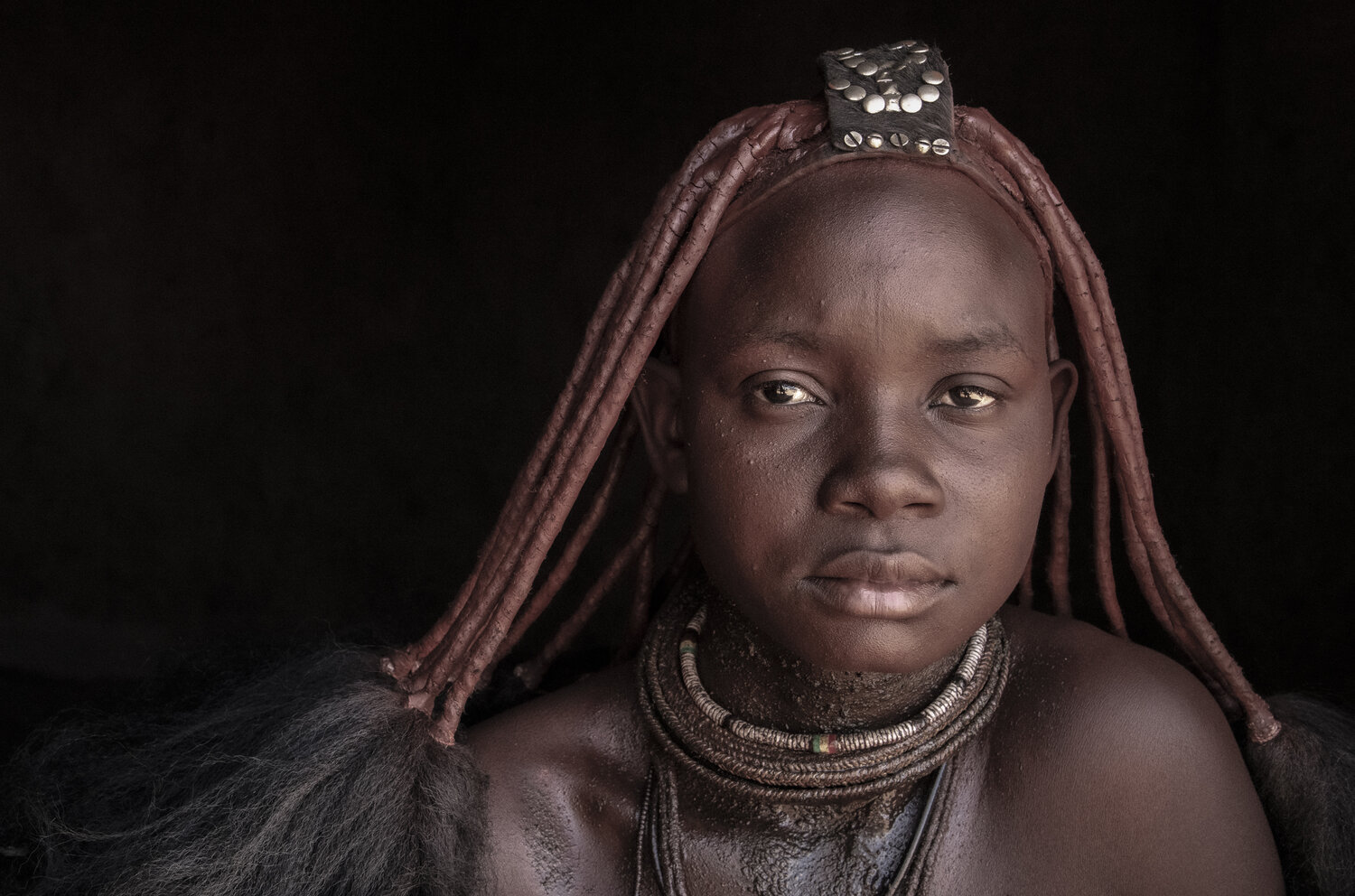
Ready when a Himba portrait becomes more than a portrait and starts to feel like a human connection.
That readiness does not happen by accident.
It comes from timing. It comes from route design. It comes from rest. It comes from leaders who know when to move, when to wait, and when to tell everyone to put down the snack bag because the light is getting good.
Namibia Rewards the Photographer Who Slows Down
The great mistake in Namibia is trying to do too much.
It is tempting. The country is full of iconic places, and every one of them looks important. But photography is not a scavenger hunt. The goal is not to come home with proof that you stood in famous locations. The goal is to come home with images that feel considered, personal, and memorable.
Namibia gives those images to photographers who slow down long enough to see them.
That is why we build our Namibia workshops around more than destinations. We build them around light, timing, space, instruction, and the experience we have gained from returning again and again.
Because Namibia is not a checklist trip.
It is a country that rewards patience, planning, and the kind of route design that puts photographers in the right place when the desert finally shows its hand.
And when it does, you want to be ready.

Join Us in Namibia
Akari Photo Tours has spent years refining our Namibia photography workshops so our guests can experience this remarkable country with the right balance of instruction, timing, comfort, and photographic opportunity.
From the dunes of Sossusvlei and the ancient trees of Deadvlei to the abandoned rooms of Kolmanskop, the night skies above the Quiver Tree Forest, the wildlife of Etosha, and the cultural encounters that stay with you long after the trip is over, Namibia is one of the great photographic journeys.
Come with us to Namibia, and we will help you do more than visit the locations.
We will help you photograph them well.