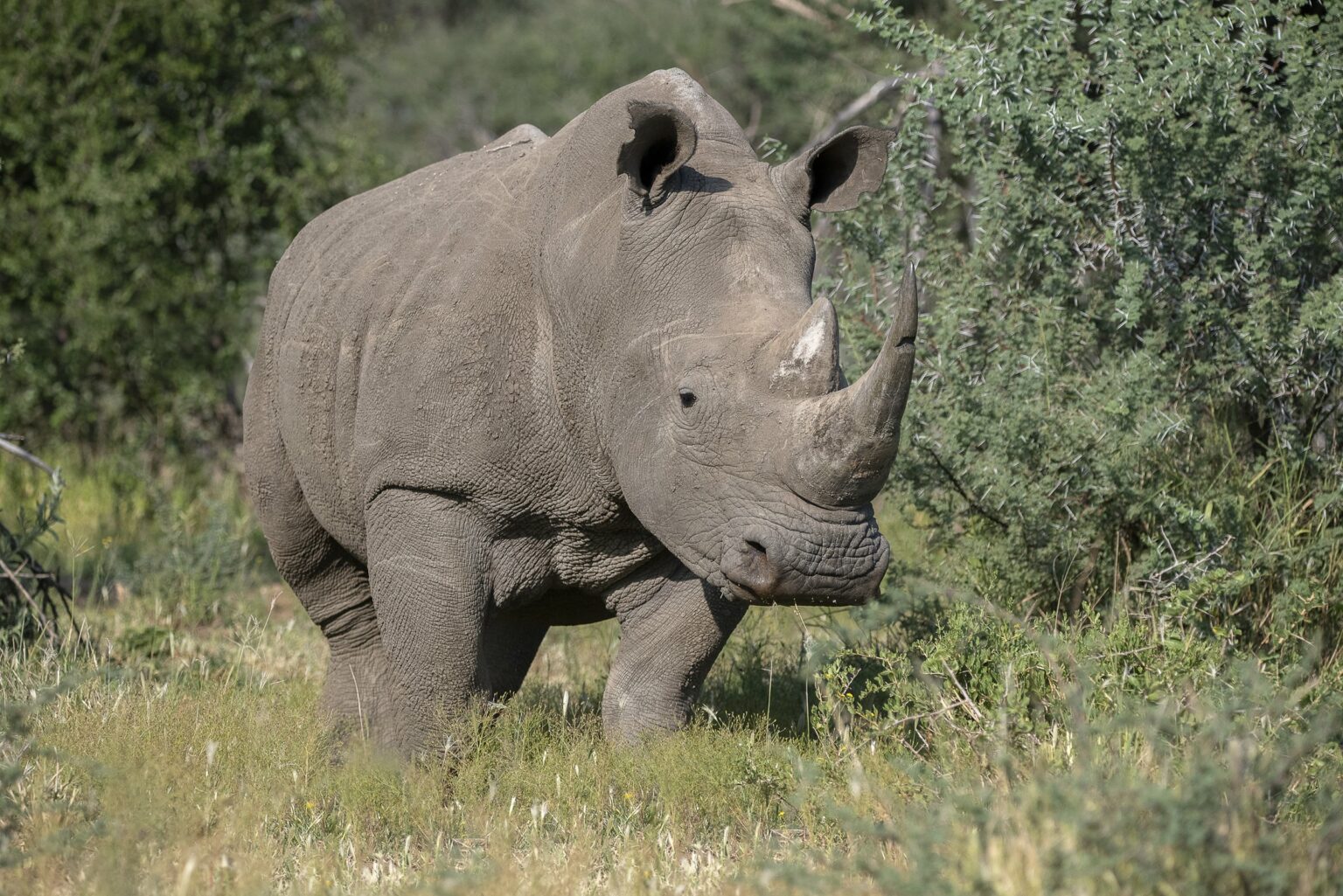
The Biggest Mistakes Photographers Make in Namibia
By Kevin Pepper |
Namibia is one of the most photogenic countries on earth.
It has towering red dunes, ancient clay pans, abandoned diamond towns, desert wildlife, night skies, dramatic coastlines, and cultural photography opportunities that stay with you long after the trip is over.
It also has dust, long drives, harsh midday light, remote locations, changing road conditions, and enough photographic temptation to make even disciplined photographers try to do too much.
That is where Namibia catches people.
It looks simple on a map. It is not.
After more than a decade of leading photography workshops in Namibia, we have learned many of these lessons the honest way — by scouting, refining, adjusting, and returning again and again until the route made sense for photographers, not just for travel logistics.
Here are some of the biggest mistakes photographers make in Namibia, and how we design our Akari Photo Tours workshops to avoid them.
Mistake #1: Trying to Do Too Much
Namibia is not a checklist country.
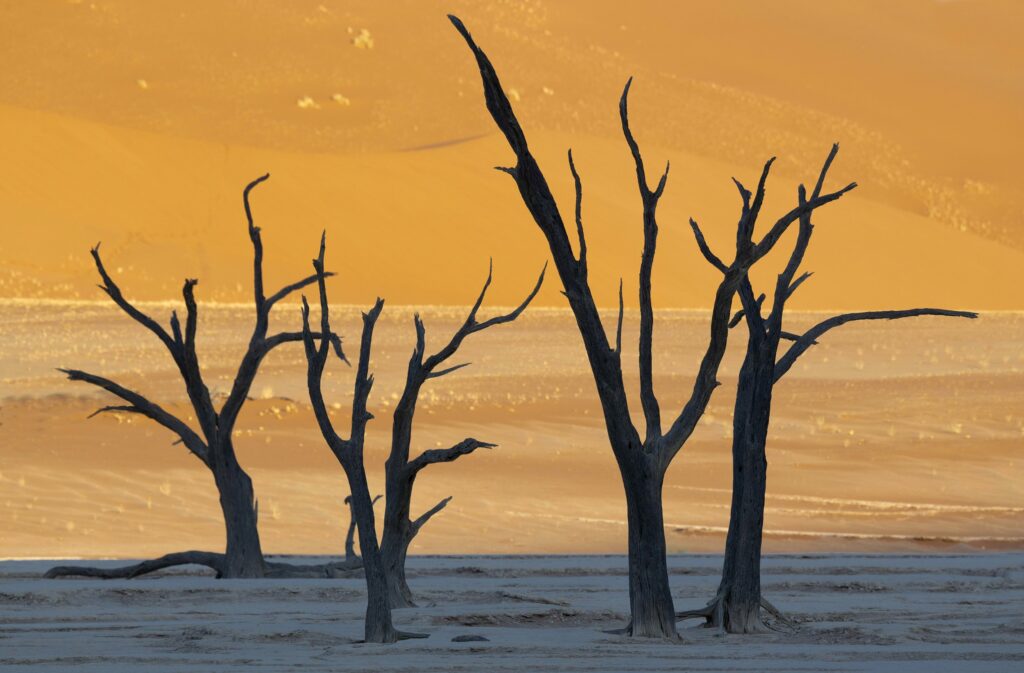
It is tempting to look at a map and want to include everything: Sossusvlei, Deadvlei, Kolmanskop, Spitzkoppe, Etosha, the Himba, Quiver Tree Forest, Walvis Bay, Sandwich Harbour, Damaraland, Fish River Canyon, and anything else that looks good on Instagram.
The problem is that photography does not work that way.
You do not make your best images by racing from location to location. You make them by arriving with enough time to scout, wait for light, work a scene, adjust your composition, and return if conditions improve.
Some of the best photographs in Namibia come from slowing down. A dune becomes more interesting when shadows stretch across it. A room in Kolmanskop changes completely when light enters through the right window. A simple wildlife sighting becomes powerful when dust, distance, and behaviour all line up.
If you try to do everything, Namibia becomes a road trip with camera breaks.
That is not a photography workshop.
How We Address This on Our Tours
We build our Namibia workshops around photographic priorities, not bragging rights.
That means we choose locations carefully and give them the time they deserve. We would rather have our guests make stronger photographs in the right places than rush through too many locations and come home with a hard drive full of “almost” images.
Over the years, we have adjusted our route to reduce unnecessary rushing and improve the flow of the trip. We have learned which locations deserve more time, which drives take longer than expected, and where photographers need breathing room.
That experience matters.
A good Namibia workshop is not about doing more. It is about doing the right things well.
Mistake #2: Underestimating Drive Times
Namibia is big. Very big.
The distances between locations can surprise people. A drive that looks simple on a map can take much longer because of gravel roads, changing conditions, stops for fuel, tire checks, photo opportunities, or simply the reality of moving through remote desert landscapes.
This matters because long drives affect photography.
If you arrive too late, you miss the light. If you arrive exhausted, you do not shoot with the same energy. If every day becomes a transfer day, the workshop starts to feel like endurance training with better scenery.
And while there is a certain charm to eating snacks in a vehicle while wondering how much farther it is, that charm wears thin somewhere around hour six.
Photographers need time to reset. They need time to clean gear, charge batteries, back up images, eat properly, and get ready for the next shoot.
How We Address This on Our Tours
We design our route with real drive times in mind because we have driven these roads many times.
We know where the longer days are. We know where we need to build in rest. We know which locations are worth the effort and which ones can make the itinerary feel overloaded.
On our workshops, we aim to arrive where we need to be with enough time for photographers to prepare. The goal is not simply to reach the destination. The goal is to reach it in good enough shape to photograph it well.
That is a big difference.
We also work with trusted local partners who understand the roads, the timing, and the needs of photographers. That local experience helps keep the trip moving smoothly and gives our guests more confidence throughout the journey.
Mistake #3: Bringing the Wrong Lenses
Namibia is visually diverse, which makes lens choice important.
This is not a destination where one lens does everything.
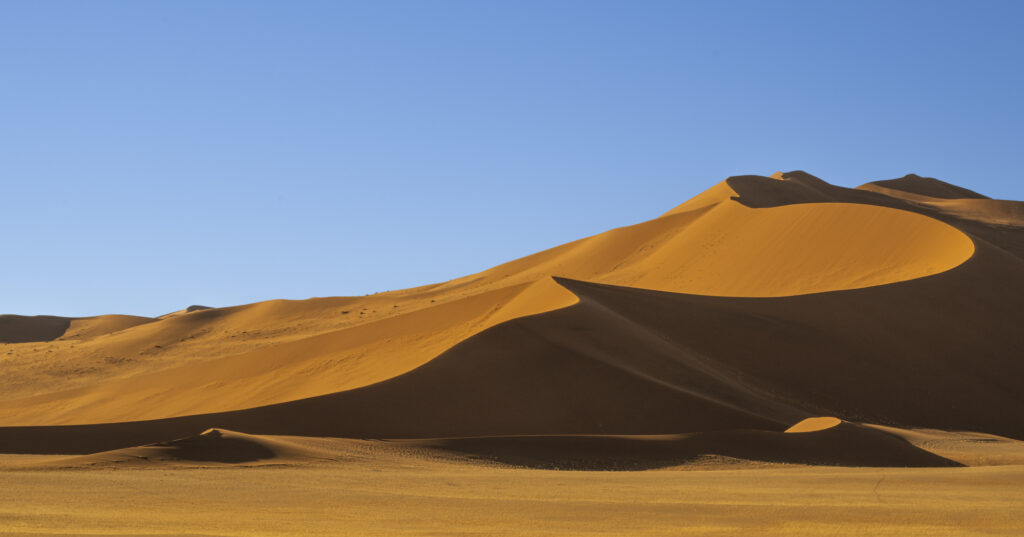
You may want a wide-angle lens for dunes, night skies, Kolmanskop interiors, Quiver Tree Forest, and dramatic environmental images. You may want a mid-range zoom for travel scenes, cultural photography, and landscapes. You may want a longer lens for wildlife in Etosha, compressed dune patterns, portraits, details, and animals in the distance.
The mistake many photographers make is packing based on one idea of Namibia.
If they think of Namibia only as a landscape trip, they may not bring enough reach for wildlife. If they think of it only as safari, they may miss the wide-angle opportunities that make the country so special. If they bring too much gear, they may struggle with weight, dust, organization, and constant lens changes.
Namibia rewards photographers who are prepared, not photographers who pack like they are fleeing the country.
How We Address This on Our Tours
Before our workshops, we help guests understand what kind of photography to expect and what gear will be most useful.
We talk through wide-angle lenses for landscapes and night skies, mid-range lenses for travel and cultural work, and longer lenses for wildlife and compression. We also help people avoid overpacking gear they will not use.
In the field, we teach guests how to think about lens choice creatively.
At Deadvlei, a wide lens might help show scale, but a longer lens can isolate patterns and simplify compositions. In Etosha, a long lens may be useful for wildlife portraits, but sometimes the stronger image is wider, showing the animal in the stark Namibian landscape.
The right lens is not always the longest one.
The right lens is the one that helps tell the story.
Mistake #4: Not Protecting Gear from Dust
Namibia is dusty.
Not “a little dusty.” Real dusty.
Dust gets into vehicles, bags, tripod legs, lens caps, clothing, and places you did not know dust could legally enter. It is part of photographing in a desert environment.
The mistake is pretending it will not affect your gear.
Changing lenses carelessly in wind, leaving bags open, skipping basic cleaning, or ignoring sensor dust can create problems quickly. A beautiful Namibia image loses some of its charm when the sky looks like it has been attacked by pepper.
Dust is manageable, but only if you respect it.
How We Address This on Our Tours
We prepare guests before the trip with practical advice on protecting camera gear.
That includes bringing a good camera bag, lens cloths, a blower, rain covers or protective covers for dusty conditions, and a sensible plan for changing lenses. We also remind people to keep gear organized and avoid unnecessary lens changes in exposed, windy locations.
In the field, we help guests make smart decisions.
Sometimes that means choosing the lens before leaving the vehicle. Sometimes it means stepping out of the wind before changing lenses. Sometimes it means accepting that Namibia will add a little character to your equipment and your vocabulary.
We also build enough time into the schedule for people to clean gear, charge batteries, and back up images properly. Those unglamorous habits are part of a successful photography trip.
No one sells a tour by saying, “Come enjoy our scheduled lens-cleaning time,” but your camera will appreciate it.

Mistake #5: Treating Etosha Like East Africa
Etosha is one of Africa’s great wildlife destinations, but it is not the Serengeti, the Maasai Mara, or the Okavango Delta.
That is not a criticism. It is the reason Etosha is special.
In East Africa, photographers often expect high concentrations of animals, dramatic predator action, and open savannah scenes. Etosha is different. It is about space, salt pans, dust, waterholes, graphic backgrounds, and wildlife moving through a stark desert environment.
If you arrive expecting Etosha to behave like East Africa, you may miss what makes it powerful.
The best Etosha images are often not tight portraits. They are animals in space. Elephants walking through dust. Giraffes against pale backgrounds. Oryx in clean light. Zebras moving across open pan. Lions resting near a waterhole with heat shimmer rising behind them.
Etosha asks photographers to see differently.
How We Address This on Our Tours
We prepare guests for Etosha’s unique photographic style.
We do not present it as a copy of East Africa. We teach people to look for atmosphere, distance, lines, dust, behaviour, and negative space. We encourage photographers to think beyond the animal portrait and look for images that feel distinctly Namibian.
This is where experience helps again.
We have learned how Etosha works, how the light changes, how waterholes can shape the day, and how patience can turn a quiet scene into a memorable image.
We also give guests guidance in the field on exposure, backgrounds, composition, and animal behaviour. Sometimes the best advice is simple: wait. Namibia often rewards the photographer who does not rush to the next thing.
Mistake #6: Not Planning Around the Moon Phase
Namibia has some of the best night skies many photographers will ever see.
At locations like Spitzkoppe and the Quiver Tree Forest, the combination of dark skies and strong foregrounds can create unforgettable night photography opportunities.
But night photography depends heavily on planning.
If the moon is too bright, it can wash out the stars. If the Milky Way is not positioned well, compositions become more difficult. If the workshop schedule has been packed with long driving days, people may be too tired to go back out after dark.
Night photography cannot be an afterthought.
It needs to be built into the route.
How We Address This on Our Tours
When we design Namibia workshops that include night-sky photography, we pay close attention to moon phase and timing.
We plan around the best possible windows for stars when possible, and we choose locations that offer strong foregrounds. We also help guests with the technical side of night photography, including focusing in the dark, exposure settings, lens choice, composition, and working safely around other photographers.
Equally important, we understand that night photography affects the rest of the schedule.
If people are out late photographing the Milky Way, they need a sensible plan the next morning. Otherwise, by day five everyone is walking around like a sleepy meerkat with a tripod.
Great night photography requires more than dark skies. It requires a schedule that allows photographers to take advantage of them.
Mistake #7: Not Staying Close Enough to the Right Locations
In Namibia, where you stay matters.
This is one of the biggest differences between a general travel itinerary and a photography-first itinerary.
If you are too far from key locations, you may miss the best light. You may spend too much time driving before sunrise or after sunset. You may arrive at popular spots after everyone else. You may lose the quiet moments that often produce the strongest images.
For photographers, lodging is not just about comfort.
It is about access.
Being closer to the right locations can mean earlier starts, better light, less rushing, and more chances to work a scene properly. It can also mean more rest, which matters on a long workshop.
How We Address This on Our Tours
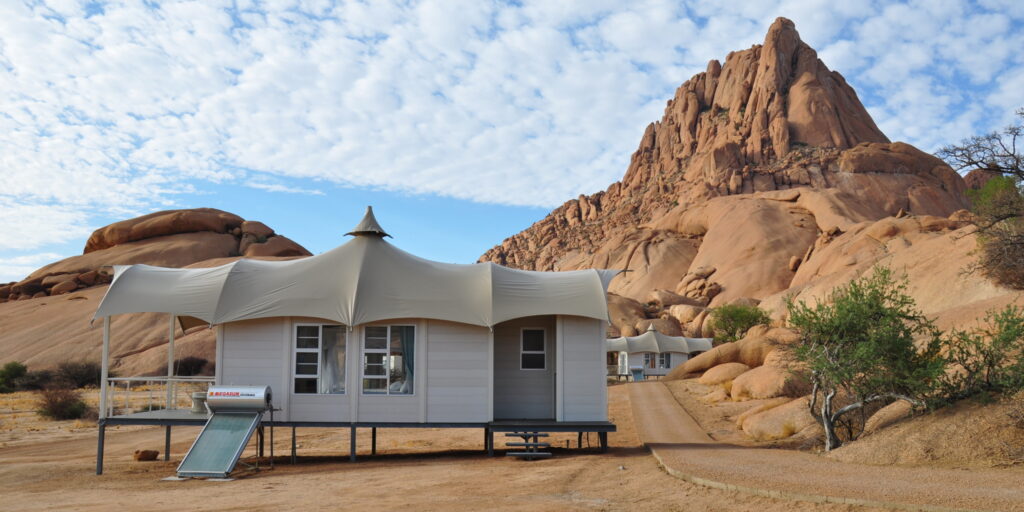
We choose lodging based on both comfort and photographic value.
That means we look at where a lodge is located, how it affects sunrise and sunset access, how much drive time it adds or saves, and whether it supports the rhythm of the workshop.
In places like Sossusvlei, this can make a major difference. Being well positioned helps guests get into the dunes and Deadvlei when the light is strongest. In other areas, the right lodging helps us manage long routes, rest days, night photography, and wildlife drives.
We have refined these choices over years of running and scouting Namibia trips.
Some hotels look fine online. Some routes look easy online. Namibia has a charming way of correcting both assumptions.
Mistake #8: Forgetting That Namibia Is Hard on Energy
This mistake does not get talked about enough.
Namibia is exciting, but it is also demanding. Early mornings, late nights, long drives, heat, dust, uneven walking surfaces, and constant visual stimulation can wear people down.
When photographers get tired, their images suffer.
They stop exploring compositions. They stop asking questions. They skip optional shoots. They settle for the obvious shot because they do not have the energy to work harder.
A strong workshop needs to consider the human side of photography.
People are not machines. Though after a few dusty drives, we may all begin to resemble old vacuum filters.
How We Address This on Our Tours
We design our tours with the pace of the guest experience in mind.
That does not mean every day is easy. Namibia is still Namibia. But we think carefully about where to place longer drives, where to allow recovery time, where to slow down, and when the group needs space to reset.
We also keep our groups small, which makes it easier to adapt. If conditions are excellent, we can stay longer. If people need help, we have time to teach. If the group needs to adjust, we are not moving a crowd.
The goal is to create a workshop where guests can stay engaged from beginning to end, not just survive the itinerary.

Mistake #9: Photographing Only the Icons
Deadvlei is iconic. Kolmanskop is iconic. The dunes are iconic. Spitzkoppe is iconic.
But Namibia has more to offer than the famous postcard images.
One of the mistakes photographers make is arriving with a set of photographs already in their head. They want the same tree, the same room, the same dune, the same composition they have seen before.
There is nothing wrong with photographing the classic scenes. We all want them. They are classics for a reason.
But the real joy comes when photographers start seeing beyond them.
The edge of a dune. The gesture of a Himba portrait. The shape of an oryx against open desert. The cracked texture of dry earth. The shadow of a tree. The quiet moment between big scenes.
Namibia is full of photographs that do not scream for attention. Those are often the ones that stay with you.
How We Address This on Our Tours
We help guests photograph both the icons and the quieter moments.
Our job is not just to get people to the famous places. It is to help them see better once they are there. That means teaching composition, light, storytelling, timing, lens choice, and how to work a scene after the obvious frame has been made.
We encourage guests to slow down and ask better questions.
What is the light doing?
Where is the cleanest background?
Is there a stronger angle?
What happens if you move five feet?
What is the story here?
That is where better images begin.
Mistake #10: Choosing a Trip Without Understanding the Photography Plan
Many Namibia itineraries look similar at first glance.
They list the same famous locations. They use the same beautiful names. They promise dunes, wildlife, culture, and night skies.
But the details matter.
How many people are in the group?
How much time is spent at each location?
Are the leaders photographers who teach in the field?
Is the route designed around light?
Are the accommodations chosen for access?
Is there time for night photography?
Are there image reviews or instruction?
Is the experience flexible enough to respond to conditions?
These questions matter more than most people realize.
A photography workshop should not be just a tour that allows you to bring a camera. It should be built from the ground up for photographers.
How We Address This on Our Tours
At Akari Photo Tours, we design our Namibia workshops around photography first.
That means small groups, experienced leaders, trusted local partners, carefully chosen lodging, timing around light, route design that reflects years of refinement, and instruction throughout the trip.
We have learned these lessons by doing the work: scouting, returning, adjusting, and listening to what photographers need in the field.
Our goal is not just to show guests Namibia.
Our goal is to help them come home with stronger images, better technique, and a deeper understanding of how to photograph a place as powerful as this.
Experience Matters in Namibia
Namibia is not difficult because it lacks beauty.
Namibia is difficult because there is so much beauty, spread across long distances, in conditions that demand planning.
The biggest mistakes photographers make often come from underestimating the country: trying to do too much, misjudging drive times, packing the wrong lenses, ignoring dust, treating Etosha like East Africa, forgetting the moon phase, or staying too far from the locations that matter most.
These are all avoidable.
But they are avoidable because someone has done the work ahead of time.
That is what we have spent more than a decade doing in Namibia. Learning the roads. Refining the timing. Choosing better lodging. Building relationships. Understanding the light. Adjusting the rhythm. Figuring out where photographers need time, space, rest, instruction, and flexibility.
Namibia rewards experience.
It rewards patience.
It rewards photographers who are willing to slow down and be ready when the landscape finally gives them the moment they came for.
And when that moment happens — when the dunes glow, the dust rises, the stars appear, or the light spills into a room in Kolmanskop — you do not want to be rushing down the road to the next checkbox.
You want to be there.
Camera ready.
Join Us in Namibia
Our Namibia photography workshops are built around years of experience leading photographers through this remarkable country.
We focus on timing, route design, small groups, comfortable lodging, field instruction, night photography planning, wildlife opportunities, cultural photography, and giving our guests the best possible chance to make images they are proud of.
Namibia is too good to rush.
Come with us to Namibia, and we will help you photograph it properly.


