What is a Typical Day Like On Our Namibia Safari
By Kevin Pepper |
I wanted to offer you a glimpse into what a day on our Namibia photo safari truly feels like—from a sand-dune dawn in Sossusvlei to the pulse and unpredictability of our wildlife days in the field at Ongava.
A Day Among Giants: Photographing the Dunes of Sossusvlei
The alarm goes off long before sunrise. Not the kind of wake-up anyone does at home—but out here, in the Namib Desert, it feels right. The world is still, the air cool, the stars just beginning to loosen their grip on the sky. Coffee is poured, camera bags are checked, and headlights cut through the dark as we begin the drive toward the dunes.
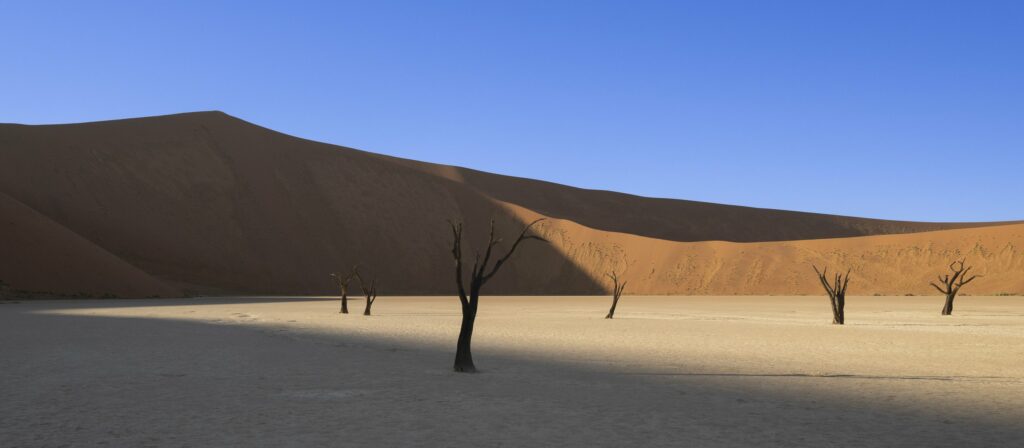
By the time we reach the gates and roll toward Deadvlei, the eastern horizon is barely hinting at light. We hike in before the crowds arrive, boots crunching softly over sand that has been sculpted by wind for thousands of years. Then, almost without warning, the sun breaks free.
This is the moment photographers travel across the world for.
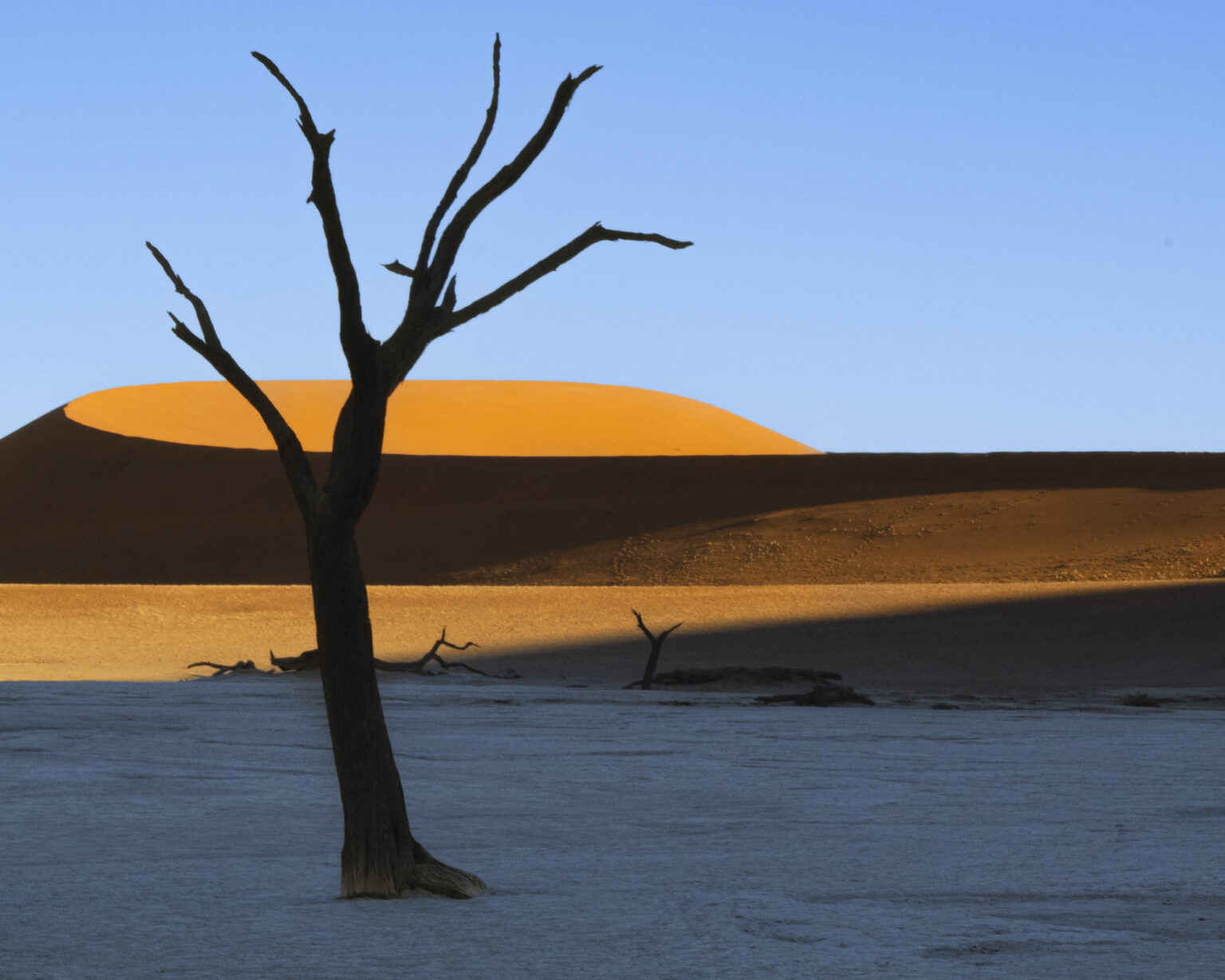
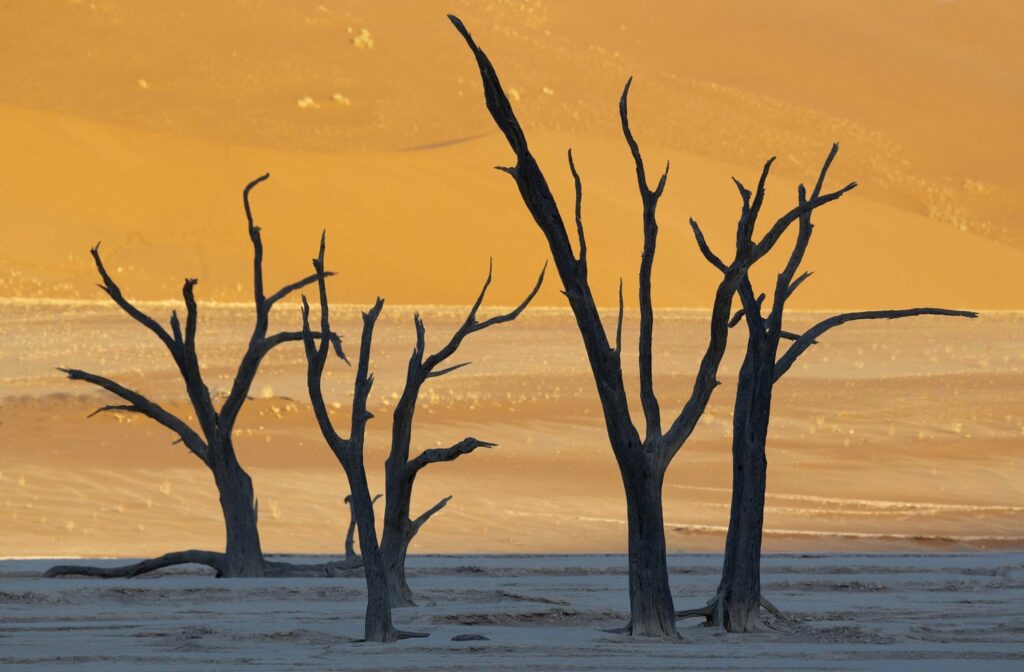
As the light rises, it spills across the massive red dunes, igniting the landscape in fire tones—crimson, copper, gold. The white clay pan of Deadvlei glows softly beneath it all, and the ancient camelthorn trees stand in stark, silent contrast. The scene doesn’t just look unreal—it feels unreal. And standing beside you is an experienced instructor, quietly helping you read the light, adjust your settings, and slow down just enough to let the scene unfold rather than rush it.
There’s no shouting. No chaos. Just careful adjustments, whispered suggestions, and the soft click of shutters as the dunes wake up.
Morning in the Dunes
The first hours are all about light and shadow. As the sun climbs higher, the shadows stretch and shift across the dune faces, carving depth into every ridge and curve. This is where compositions come alive. This is where you learn to see.
And then—movement.
A lone Oryx appears on a distant ridge, its long horns slicing clean lines against the sky. A Black-backed jackal trots across the sand, alert and elegant. An Ostrich moves through the dunes like a living prehistoric silhouette, and desert bird life flits through the silence in quick flashes of motion.
This is what makes Sossusvlei on our Namibia Photo safari electric—the way life threads itself through what looks at first glance like emptiness.
Midday: Rest, Reflect, Recharge
By late morning, the desert heat begins to rise and the contrast softens. We head back for a well-earned break. Midday on our Namibia photo safari is unhurried by design. It’s time for a nap, a cold drink, and image reviews.
This is where growth happens.
Laptops come out. Images fill screens. Subtle adjustments are discussed. You learn why one composition worked and another nearly did. It’s relaxed, supportive, and surprisingly powerful to see your morning’s work refined with a steady, experienced hand guiding you.
The desert rests. So do we.
Evening: When the Dunes Breathe Again
As the light softens and the heat loosens its grip, we head back out. Late afternoon in the dunes is different—richer, deeper, more dramatic. The sand darkens. The colors intensify. Shadows grow long and sculptural. The dunes stop being static and start to feel alive.
We photograph from some of our favorite vantage points as the sun drifts lower, teaching you how to work with direction, texture, and negative space as the desert transforms minute by minute. This is where patience pays off. This is where the land reveals its quieter moods.
And just when you think the day has given everything it can, the sky turns gold, then fire, then finally softens into pastel as the sun slips behind the dunes.
The Feeling You Take With You
A day in Sossusvlei isn’t about checking off locations. It’s about rhythm—early mornings, slow observation, thoughtful instruction, unhurried afternoons, and evenings that feel like a reward earned through stillness and attention. It’s about learning to photograph one of the most ethereal landscapes on Earth with confidence, not stress. And it’s about standing in a place so vast and ancient that it quietly resets something inside you.
You don’t just leave with images.
You leave with a new way of seeing.

A Day on Our Namibia Photo Safari at Ongava Game Reserve & Etosha National Park
The day begins with the soft clink of coffee cups and the quiet comfort of warm biscuits at Anderssons Camp. Dawn in Ongava doesn’t rush—it glows. The sky lightens slowly, and the silhouettes of acacia trees fade into form as we head out on our morning game drive. This is the hour when the bush is most honest. Predators are still moving. Herbivores gather at the water. The air is cool, expectant.
We ease along dusty tracks toward the watering holes, cameras ready, senses sharp. Elephants materialize through the mopane. Giraffes glide across the horizon. Rhinos appear like ancient sculptures at the edge of the light. And every so often, the heart truly pounds—like the time we found ourselves on foot, barely 25 feet from a hunting Cheetah. No glass between us. No engines humming. Just breath, instinct, and the quiet electricity of being part of the land instead of above it.
By late morning, we return to camp as the light hardens and the heat begins to rise. What follows feels almost indulgent—exceptional meals, time to breathe, and front-row seats overlooking our private watering hole. Animals pass through on their own schedule while you sip coffee, review images, or simply sit and watch. There’s no rush here. The bush dictates the pace.
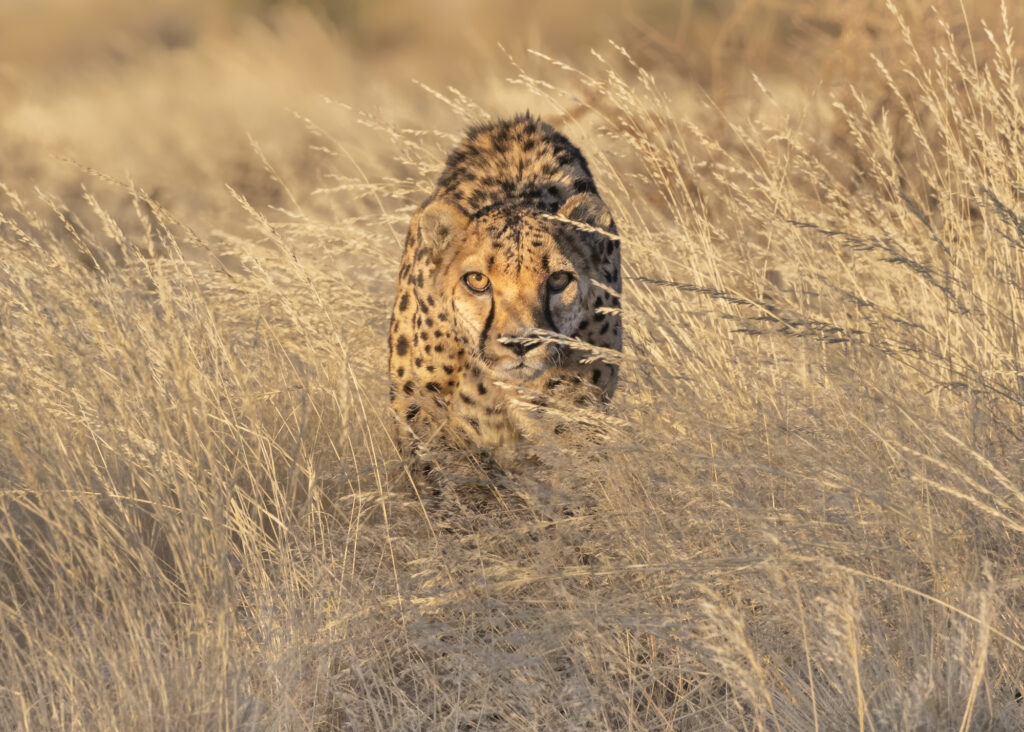
As the heat loosens its grip, we head out again for an afternoon safari—golden light, long shadows, and activity building once more. On some days, the drive turns into an exhilarating walking safari, every step measured, every sound amplified. Nothing heightens your awareness like moving quietly through wild country on foot. And after a successful shoot, a sundowner in the bush feels earned—the sun melting into the horizon as dust and light hang in the air like memory.
The day doesn’t end when the vehicles shut down.
Dinner is served overlooking the watering hole once again, this time under a darkening sky. And then the real show begins. Nightlife arrives in silence and shadow—rhinos, elephants, jackals, owls—slipping in as if summoned by instinct alone. This is bush TV at its finest. Conversations fade. Phones stay in pockets. The world narrows to what drinks, moves, hunts, and survives just beyond the glow of camp lights.
This is not a zoo.
This is not staged.
This is real Africa, experienced slowly, professionally, and with intention.
And once you’ve felt your pulse spike beside a cheetah, or watched a rhino emerge from the dark at dinner, you don’t just remember it. You carry it.
See all our Namibia Photo Safaris