Photographing Cheetahs on Safari: A Field Guide After a Decade Behind the Lens
By Kevin Pepper |
Of all the big cats in Africa, cheetahs are the ones that make my heart beat faster—and not just because they can hit 100 km/h in a sprint. There’s something elegant and fleeting about them. They appear, do something breathtaking, and disappear into the grass before your shutter has time to cool down. If you want to come home with powerful images of cheetahs, it takes more than luck. After more than ten years of photographing Cheetah across Africa, here’s how I recommend you approach this remarkable cat.

Know Your Subject: The Life of a Cheetah
Before you pick up your camera, pick up some knowledge. Cheetahs are Africa’s speed demons, but they’re also surprisingly vulnerable. Unlike lions or leopards, they don’t have the muscle to defend a kill or fend off larger predators. They survive with agility, stealth, and sharp timing.
Cheetahs prefer open savannah and lightly wooded areas where they can spot prey from a distance. They hunt mostly during the day—early morning and late afternoon—partly to avoid competition from nocturnal predators like lions and hyenas. Their primary prey includes Thomson’s gazelles, impala, and small antelope.
They give birth to cubs in secluded areas—often under bushes or in tall grasses. Cubs stay with their mother for about 18 months, during which she teaches them to stalk, sprint, and survive. Watching a mother train her young is one of the most rewarding photographic opportunities out there—if you’re patient and respectful enough to wait.
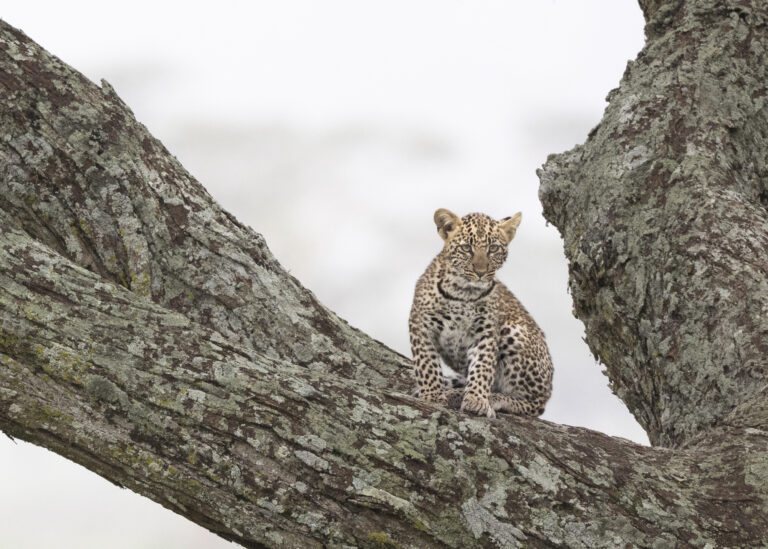
Unlike leopards, cheetahs don’t climb trees regularly, though some may get onto low termite mounds or logs to scout the landscape. That’s your first clue on where to position yourself.

The Strategy: How to Find and Photograph a Cheetah
Let’s be honest—getting a good photo of a cheetah is tough. Getting a great one? That takes planning, patience, timing… and knowing exactly when to stop the vehicle and sit still.
Cheetahs don’t operate like lions. They don’t roar. They don’t stay in the same area for days. They move, fast and far. They rely on stealth and timing more than strength. Which means if you want to photograph one doing something other than sleeping, you need a strategy.
Here’s what I teach my clients in the field:
Get Out Early, Stay Out Late when Photographing Cheetah
Cheetahs are heat-sensitive hunters. They move during the cooler hours—usually just after dawn and in the golden light of late afternoon. They’ll spend the midday hours resting under a small patch of shade or blending into the grass so perfectly you’d drive past without seeing them.
If you want action—walking, stalking, or sprinting—set your alarm and be ready before the first light cracks the horizon. I’ve had more cheetah sightings before breakfast than in the rest of the day combined.
And don’t pack it in after the morning rush. Many photographers make the mistake of heading back to camp too soon in the afternoon. That last hour before sunset? That’s often when a cheetah decides to make a move. The prey is active, the air is cooler, and the light is a gift.
Find the High Ground
Cheetahs aren’t ambush hunters in the same way lions are. They rely on vision—scanning from vantage points to find isolated prey before they strike.
They love high ground: termite mounds, fallen trees, rocky ridges, even slight rises in an otherwise flat plain.
If you spot a cheetah sitting upright on a mound, tail twitching, head scanning—don’t move. That’s the prelude to a decision. They may not act for ten or twenty minutes, but that elevated perch means they’re in reconnaissance mode.
A cheetah standing tall on a mound at sunrise is not just a shot—it’s the shot. Wait for it. Frame it. Let the scene build. I’ve had clients capture National Geographic-worthy frames just by recognizing the power of that elevated pose.
Watch Their Body Language Like a Hawk
Cheetahs are incredibly expressive if you know what to look for.
A deep yawn? That’s not boredom—it’s usually the first physical reset before movement. Tail flicking rhythmically? They’re agitated or focused. Head locked forward, ears pricked, body slightly crouched? That cheetah has seen something. And you should be ready.
Start increasing your shutter speed. Adjust your ISO. Zoom out slightly to give room for erratic movement. Get your settings right before the chase begins. You won’t have time once they launch.
One tip I always share: watch the eyes. Cheetahs lock in on their target before they act. If you’re facing the direction they’re staring, you’re likely in the right position.

Stay Put If You See One Resting
Here’s the hard truth—cheetahs can lie in the grass for hours. And I mean hours. But when they move, they do so with purpose. You have to ask yourself: are you chasing ten things, or waiting for one great one?
I’ve spent full afternoons with a single cheetah under a shady bush. Other vehicles came and went. The light faded. The wind shifted. And just when we started to think nothing would happen, she stood up, stretched, walked into the open—and called for her cubs.
The light was perfect. The setting was clean. And the image? Timeless.
If you have the patience, these still moments can erupt into unforgettable frames. All it takes is the willingness to wait.
Let the Guide Work the Angles When Photographing Cheetah
I can’t stress this enough: your guide is more than a driver—they’re your scene partner. They know how to read terrain, anticipate behavior, and position the vehicle for the best possible angle.
Let them reposition slowly and quietly, especially when cheetahs are alert. Too much movement can spook a hunt before it starts.
If your guide starts driving away from the cheetah to loop around—trust them. They’re setting up for where the action is going, not where it is.
And remember—light matters. It’s not just about being close; it’s about how the light wraps around your subject. A cheetah lit from behind in golden dusk light, surrounded by open space… that’s the kind of image that tells a story.
Cheetah photography is about commitment. You won’t get ten sightings in a day. You’ll get one—maybe two—and they’ll require you to slow down, observe, and let the cat set the pace.
But when that moment comes—when the cheetah rises, scans the plain, and explodes into motion—you’ll be ready.
And that’s when the magic happens.

Best Places in Africa to Photograph Cheetahs
Some areas in Africa just deliver more reliable cheetah sightings, and some are simply better for photography. Here are my go-to locations:
1. Serengeti National Park, Tanzania
Especially the Eastern and Central regions—open plains, scattered trees, and healthy gazelle populations make this a hotspot for cheetah activity.
2. Masai Mara National Reserve, Kenya
The Mara is one of the best places in the world to photograph cheetahs on the move, especially during the migration when prey is abundant. The grass is short, the light is magic, and the cats are active.
3. Ndutu Region (Southern Serengeti)
During calving season, cheetahs hunt the young wildebeest and gazelles. It’s intense, raw, and full of storytelling moments for photographers.
4. Kgalagadi Transfrontier Park, South Africa/Botswana
For photographers looking for something unique, this arid park has stunning desert light, red dunes, and dramatic backdrops. Cheetahs are less camouflaged and easier to photograph against open terrain.
5. Okavango Delta Fringe, Botswana
While harder to spot, the cheetahs in this region can be photographed in golden grasslands bordered by water—a beautiful contrast for photographers.

Camera Gear and Settings for Photographing Cheetah
Photographing a cheetah means being ready for everything—from a portrait to a full-on chase. Your gear and settings should reflect that.
Lenses:
- 100–400mm or 200–600mm: Essential for flexibility. You’ll want to go from a tight portrait to an environmental shot without changing lenses mid-action.
- 70–200mm: Perfect if you’re lucky enough to be close or capturing behavior sequences.
- Wide-angle: For rare moments when a cheetah walks toward your vehicle or rests in front of an epic landscape.
Camera Settings:
- Shutter Speed: For running shots, aim for 1/3000s or faster. When resting or scanning, you can go as low as 1/500s with stabilization.
- Aperture: Use f/4–f/5.6 for shallow depth of field and beautiful bokeh. If photographing more than one cheetah, consider stopping down to f/8 to f/11.
- ISO: Early mornings and late evenings require ISO flexibility. Don’t be afraid to shoot ISO 1600–6400 if the light is low. Better a sharp shot with noise than a blurry shot without. Heck, today’s photography software can do amazing things with slightly blurry or noisy images.
Drive Mode:
- High-speed burst. When they go, they go. Capture the full sequence—you can always delete later.
Autofocus:
- Use continuous AF (AI-Servo / AF-C) with tracking and animal eye detection if your system supports it. Cheetahs are fast and erratic—your AF system needs to be locked in.
Bonus Tips:
- Pre-focus on a spot you think the cheetah will pass through during a hunt. (I am not a huge fan of this, but some people teach this way)
- Keep your elbows tucked and your breathing calm—when the action starts, your camera should feel like an extension of your body.
Final Thoughts On Photographing Cheetah
Cheetahs are like lightning: beautiful, rare, and gone before you know it. When you’re out there, don’t just chase the shot—respect the moment. Slow down. Observe. Learn the rhythm of their life, and your images will feel less like snapshots and more like stories.
I’ve watched clients get their best images not because they had the biggest lens or fastest camera—but because they were quiet, patient, and present. That’s the real secret.
See you in the bush on one of our African Safaris.
Read Other Species Spotlight Articles
If you’re as passionate about wildlife as we are, take a moment to explore our Species Spotlight series. Each article dives into the fascinating lives of the animals and birds we love to photograph on our workshops—whether it’s a puffin perched on a cliff in Newfoundland, a leopard draped across a tree in Tanzania, or an Adelie penguin waddling through the snow in Antarctica. It’s a growing library of stories, facts, and inspiration for anyone who dreams of capturing the wild through their lens. Come see the world the way we do—one species at a time.
—Kevin