Species Spotlight: Caracal
By Kevin Pepper |
The Ghost Cat of the African Grasslands
If lions are the kings and cheetahs are the athletes, the caracal is the magician.
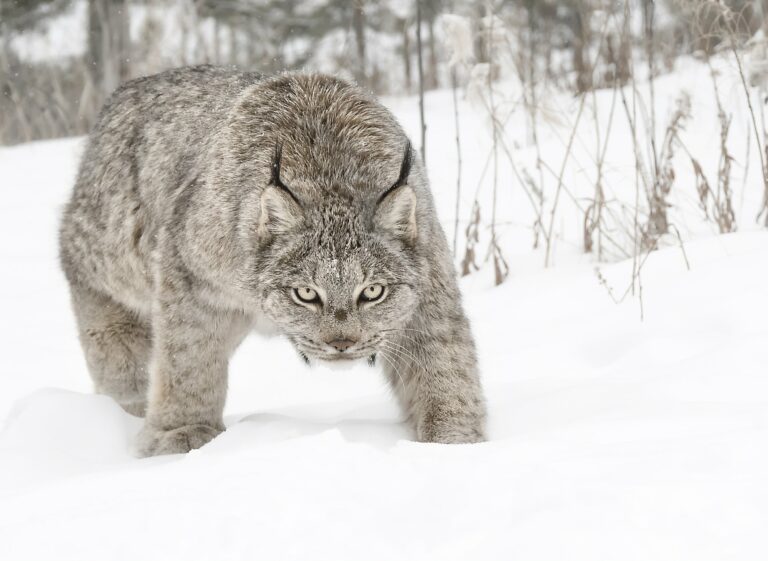
Caracals are one of Africa’s most elusive cats—beautiful, powerful, and often gone before you even realize they were there. With their long black ear tufts, sleek reddish coat, and piercing eyes, they look like something designed by a wildlife photographer who wanted just enough drama in one animal.
They are not easy to find (which is exactly why photographers get a little obsessed with them).
Introduction of the Species
The Caracal (Caracal caracal) is a medium-sized wild cat found across parts of Africa, the Middle East, and Asia. In Africa, they live in a wide range of habitats and are known for being secretive, mostly solitary, and highly skilled hunters.
For photographers, a caracal sighting is one of those moments that changes the energy in the vehicle instantly. Conversations stop. Hearts race. Settings get checked twice. Someone whispers, “Is that… a Caracal?”
And then everyone tries very hard not to breathe too loudly.
Physical Description
Caracals are elegant cats built for speed, stealth, and sudden power.
- Coat: Short, smooth fur that ranges from reddish-tan to sandy brown
- Underside: Lighter-colored belly and chest
- Face: Striking dark markings around the eyes and muzzle
- Ears: Tall, pointed ears with dramatic black tufts (their signature look)
- Build: Lean, muscular body with long legs and a relatively short tail
- Size: Larger than a serval, smaller than a leopard
Those ear tufts are not just for style (though they absolutely look stylish). They help make the caracal one of the most recognizable wild cats in Africa.
Native Habitat
Caracals are adaptable and can live in a variety of environments, including:
- Savannas
- Dry grasslands
- Scrub and bush country
- Semi-desert regions
- Rocky hillsides and open woodlands
They usually prefer areas with enough cover to stalk prey, which is one reason they can be so hard to spot. A caracal can disappear into grass or brush like it was never there in the first place.
For photographers, this means patience matters. A lot.
Range and Movement Patterns
Unlike migratory birds, caracals do not migrate.
They are territorial animals and tend to move within a home range based on prey availability, habitat conditions, and breeding behavior. They are most active at dawn, dusk, and during the night, though they can occasionally be seen in daylight—especially in quieter areas with less disturbance.
That low light activity is one reason a caracal sighting can be so exciting for photographers: the mood, the shadows, the tension… it all feels cinematic.
Food / Eating Habits
Caracals are carnivores and highly efficient hunters. They feed on a range of prey, including:
- Small antelope
- Hares and rabbits
- Rodents
- Birds
- Reptiles
They are famous for their explosive leap and ability to snatch birds out of the air. Yes—out of the air. This cat does not mess around.
Caracals rely on stealth and quick acceleration rather than long chases. They stalk quietly, get close, and strike fast. For photographers interested in behavior, they are an incredible species to watch if the moment unfolds.
Known Lifespan
- In the wild: Typically around 10–12 years (sometimes longer)
- In captivity: Can live 15 years or more with proper care
Like many wild cats, survival in the wild depends on habitat quality, prey availability, and avoiding conflict with humans.
Why Photographers Love the Caracal
A caracal is not a “checklist” sighting. It’s a storytelling sighting.
It’s the kind of animal that gives you:
- mood
- mystery
- behavior
- tension
- and if you’re lucky, a frame you’ll talk about for years
Even a brief sighting can produce unforgettable images—especially in beautiful light with clean backgrounds. And if you witness one hunting? That’s the kind of moment wildlife photographers dream about.
Join Us on an African Safari and Photograph a Caracal
If photographing elusive cats like the caracal is on your wish list, come join us on one of our African photo safaris.
At Akari Photo Tours, we don’t just drive around hoping for luck. We build our safaris for photographers—focusing on light, behavior, positioning, and patience—so when special moments happen, you’re ready for them.
And yes, we’ll help you with your settings while your heart is pounding.
Join one of our African safaris and give yourself a real chance to photograph one of Africa’s most mysterious and beautiful cats.