Wildlife Photography in Namibia: Where to go, what to see, and when to capture It
By Kevin Pepper |
Wildlife photography in Namibia is different. Namibia offers quality over quantity—intimate, often solitary encounters with animals in striking landscapes—a single black rhino dusted in white salt at a waterhole. A leopard slinks through the tall grass at Okonjima as the light drops. A cheetah silhouetted against a red sand dune in the quiet of early morning.
You don’t just photograph wildlife that happens to be hanging around—you work for it, and I believe the reward is all the richer for it. Wildlife photography in Namibia is known for those who appreciate space, silence, and the reward of tracking down wildlife.
Here’s a guide to Namibia’s best wildlife areas (well, in my opinion), when to go, where to stay, what to pack, and what species to expect—big and small, furred and feathered.
The Best Areas For Wildlife Photography in Namibia (in my opinion)

1. Etosha National Park
What makes it special: Etosha isn’t just a national park—it’s the size of a small country. Spanning over 22,000 square kilometers, it’s one of Africa’s largest and most striking reserves. At the center is the Etosha Pan, a vast, white salt flat so expansive you can see it from space. In the dry season, it becomes a mirror of heat and dust. In the wet season, it fills with water and draws in flamingos by the thousands.
Wildlife photography in Namibia isn’t about chasing sightings—it’s about waiting for your moment. During the dry season, the magic unfolds at the waterholes. I remember setting up early one morning at Okaukuejo’s waterhole. The first few hours were still—just a few jackals passing through. But as the sun climbed, everything changed. A herd of elephants arrived in silence, then lions appeared on the opposite side, watching from the shadows. There was a tension in the air. I didn’t press the shutter for almost twenty minutes—just watched the scene play out. That image still lives in my memory.
Etosha will teach you patience and reward those who respect it. One evening, dust hanging in the air like smoke, a lone bull elephant stepped into frame, white with salt, backlit by the fading sun. I didn’t need to move the vehicle or adjust anything. He walked right into perfect light. That’s what Etosha always seems to do for me: it delivers moments that feel staged by nature herself.
You’ll find lions, black rhinos, giraffes, cheetahs, herds of springbok and oryx, all moving across an open, cinematic landscape. Unlike the bushy density of East African parks, Etosha is wide open—you see the animals coming from a mile away. It gives you time to compose, think, and photograph with intention.
The light in Etosha is also something else entirely. It’s harsh and dusty during the dry season by midday, but the golden hours are nothing short of magic. That dry air and expansive horizon catch light in ways that are pure gold.
If you’re a photographer who values story over scorecards and who’s willing to wait for wildlife to come to you, Etosha will get under your skin—and stay there.
When to go:
- Best time: June to October (dry season)
- Wildlife concentrates around waterholes, and the grass is low.
- Wet season (Nov–April): Fewer tourists, dramatic skies, and newborn animals.
Where to stay (luxury to budget):
- Onguma The Fort – High-end with views over a private reserve
- Mushara Outpost – Mid-range, boutique feel just outside the park
- Okaukuejo Rest Camp (inside the park) (My favorite) – Value option with a floodlit waterhole
Wildlife to photograph:
Elephants, lions, giraffes, black rhinos, cheetahs, springbok, oryx
Birds to photograph:
Secretary bird, kori bustard, lilac-breasted roller, flamingos (wet season), hornbills, raptors

2. Ongava Private Game Reserve
What makes it special: Ongava isn’t just adjacent to Etosha—it’s an entirely different experience. While Etosha impresses with scale, Ongava captures the soul of safari in its intimacy. This private game reserve borders Etosha’s southern edge and shares much of its ecosystem, with one significant difference: it’s privately managed, which means you can go off-road, stay out after sunset, and sit with wildlife without another vehicle in sight.
For photographers, this changes everything.
I remember one morning tracking a black rhino through golden grass near Andersson’s Camp. We had special permission to stay off the beaten track, and after nearly 30 minutes of quiet maneuvering, we found him—head raised, ears twitching, covered in early-morning dew. We weren’t fifty feet away, and yet he barely flinched. That’s the kind of encounter Ongava offers. Not a fleeting glimpse, but a shared moment. Raw. Real. Unforgettable.
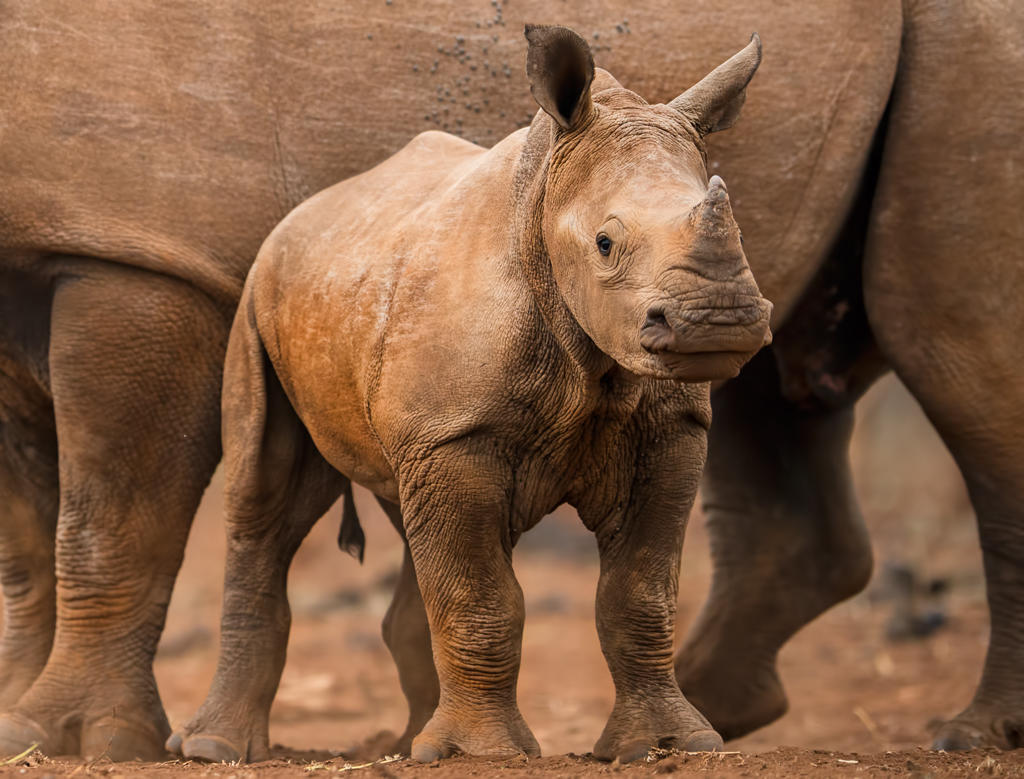
Ongava is known for having both black and white rhinos, which is rare even by African standards. Because they’ve invested heavily in anti-poaching and conservation, the animals here are more relaxed around vehicles. That means better positioning, cleaner compositions, and time—something every photographer craves.
But it’s not just about rhinos. I’ve photographed lions in dramatic golden backlight, their manes catching the morning haze. Giraffes move in elegant patterns across the scrub. Massive eland bulls stepping out of the brush like ghosts. One afternoon, I spent nearly an hour with a skittish herd of kudu, watching as they slowly gained trust, which allowed me a frame that still stops people in their tracks.
Another highlight? The Ongava Hide. Set beside a waterhole and sunken into the earth, it’s one of the best photography hides I’ve used in Africa. You photograph at eye-level as wildlife approaches unaware. I’ve had lions drink twenty feet in front of the lens and oxpeckers fluttering in the foreground, catching the light just right. It’s quiet, low-impact, and incredibly effective.
Because it’s a private reserve, Ongava also allows night drives, which opens the door to photographing nocturnal species—bat-eared foxes, civets, owls, and if you’re lucky, the odd leopard slinking through the shadows.
Why Ongava is special:
- Exclusivity: Fewer vehicles, private sightings
- Access: Off-road driving, night drives, walking safaris
- Conservation: Serious rhino protection efforts, ecologically managed
- Photographer-focused: Some camps have guides trained in photography, and the hides are purpose-built for low-angle shooting
Best time to visit:
Like Etosha, the dry season (June to October) is prime time. Wildlife flocks to waterholes, grasses are low, and the light is clean and golden. That said, I’ve had great luck in April and May, before the dust, with soft green backdrops and beautiful cloud cover.
Top places to stay (luxury to value):
- Little Ongava – Ultra-luxury, just three suites, perfect for private photo safaris
- Andersson’s at Ongava (My favorite) – Modern, conservation-centered, with direct access to the hide
- Ongava Tented Camp – Rustic luxury with excellent wildlife right at camp
If Etosha is about vastness and patience, Ongava is about closeness and connection. It’s for photographers who want to slow down, stay longer with subjects, and create images as intimate as the encounters themselves.

3. Okonjima Nature Reserve: Big cats, big stories, and close encounters
Okonjima is where Namibia’s wildlife gets personal. Tucked between Windhoek and Etosha, this 22,000-hectare reserve is home to the AfriCat Foundation, a pioneering conservation effort dedicated to protecting Namibia’s large carnivores—especially cheetahs and leopards.
Okonjima isn’t a zoo or a fenced photo-op. It’s a fully functioning reserve where animals roam free, hunt naturally, and live wild lives under the protection of one of Africa’s most respected conservation initiatives. That balance between access and authenticity makes this place so unique for photographers.
Why Okonjima is unique:
- It offers some of the best chances to photograph wild leopards in Namibia. Many are fitted with tracking collars—not for tourism, but for research—and experienced guides use telemetry to help you locate them.
- Once you find one, it’s pure safari. No baiting, no staged scenes. Just you, the leopard, and whatever unfolds. I’ve followed one for nearly an hour through golden grass, watching it stalk, pause, vanish, and reappear in the frame like a ghost.
On another visit, I photographed a cheetah on a kill just after sunrise. We were the only vehicle there. The guide cut the engine, and all you could hear was the occasional crunch of bone. The cheetah barely looked up. In a place like Okonjima, the animals are confident but cautious, and that balance makes for authentic, story-rich images.
The terrain at Okonjima is also incredibly photogenic—rolling hills, rust-colored termite mounds, and open acacia woodlands. It’s a clean backdrop for animal portraits and action shots. The light is warm and directional, especially during early morning and late afternoon drives, specifically for photographers.
And it’s not just about predators. Okonjima has a wide range of species:
- Mammals: Leopard, cheetah, brown hyena, caracal, warthog, giraffe, zebra, kudu, honey badger
- Birds: African Hoopoe, Monteiro’s Hornbill, Violet Wood-hoopoe, raptors, and owls (including barn owls that nest in lodge buildings)
The reserve also supports bushman walks, night drives, and conservation education experiences if you want to understand the context behind the images you’re making. That’s part of what sets Okonjima apart—it isn’t just about what you see through the lens, but the story behind what you photograph.
Where to stay (luxury to budget):
- Okonjima Bush Suite – Private, high-end, tailor-made for serious photographers and couples
- Okonjima Luxury Bush Camp (My favorite) – Mid-range with excellent access and service
- Okonjima Plains Camp – More affordable but still very comfortable, with access to all activities
- Omboroko Campsite – Self-drive and camping option, perfect for budget-conscious photographers
When to visit:
- June to October (dry season): Best for leopard sightings and clearer shooting conditions
- November to April: Lusher landscapes, more birds, and moody skies—great for creative photographers
If Etosha gives you distance and scale, and Ongava gives you access and control, Okonjima gives you intimacy with Africa’s most elusive predators and the people working to protect them. It’s a place where you come for the leopards but leave with a deeper understanding of what wildlife photography can mean.

4. Cheetah Conservation Fund (Otjiwarongo Region): Photographing speed and saving it
The Cheetah Conservation Fund (CCF) isn’t just a place to photograph wildlife—it’s the front line of a global effort to keep the world’s fastest land animal from disappearing. Located just outside Otjiwarongo, CCF is Africa’s cheetah conservation center. Founded by Dr. Laurie Marker, the organization has been working for over 30 years to ensure that cheetahs survive—not just in protected reserves, but on working farmland across Namibia.
What makes CCF unique is the blend of education, science, and photographic opportunity. You’re not on a traditional game drive here. Instead, you’re walking through an active research center where you can witness—and photograph—cheetahs up close while learning the complex challenges they face in the wild.
The cheetahs at CCF are rescues—animals orphaned, injured, or otherwise unable to be released. They live in large natural enclosures that give them space to roam, chase, and rest in the sun. This offers photographers a rare chance to capture detailed portraits and observe cheetah behavior without the high-speed chase or skittish retreat typical of wild sightings.
On one visit, I photographed a young male who lounged beneath a camelthorn tree, alert but unbothered by our presence. The golden light filtered through the branches, and his eyes tracked every movement of a hornbill fluttering nearby. There was no rush—just time to work the frame, adjust the angle, and capture the animal’s quiet intensity.
CCF also offers guests the chance to learn about its unique livestock guarding dog program, which uses Anatolian shepherds to protect herds from predation—a solution that’s saving both livestock and cheetahs.
When to Visit:
CCF is excellent year-round. The photographic opportunities and educational programs are consistent throughout the year because it’s not dependent on seasonal migrations or rainfall patterns.
Where to Stay:
- Cheetah View Lodge (My favorite) – Modest, eco-conscious lodge with incredible proximity to the cheetahs and walking trails
- Otjiwarongo guesthouses and lodges – A good range of budget-friendly accommodations just 30 minutes away
Wildlife to Photograph:
- Cheetahs (the primary focus)
- Anatolian shepherd dogs (fantastic subjects for storytelling)
- Small plains antelope (in the surrounding areas)
Birds to Photograph:
- Swallow-tailed Bee-eater – Always photogenic with its vibrant color and agile flight
- Crimson-breasted Shrike – Namibia’s national bird, a bold red slash in the acacia
- Various flycatchers and hornbills – Common around the camp and on walking trails
Why it’s special:
CCF is more than a photo stop—it’s a chance to connect with a deeper story. You leave with great images and a better understanding of protecting these animals beyond the lens. For many photographers, that’s where the real value lies.
5. Naankuse Wildlife Sanctuary: Up close with Namibia’s rescued wild
Just 45 minutes from Windhoek, Naankuse Wildlife Sanctuary offers something rare: an opportunity to photograph Namibia’s iconic predators up close—ethically and with purpose. This isn’t a game reserve. It’s a rescue and rehabilitation center for orphaned, injured, and human-wildlife conflict animals that can’t be released back into the wild. And while the animals here aren’t roaming free across the plains, the stories behind each one are compelling, and the photography potential is unmatched for controlled, close-range portraits.
What makes it special:
Naankuse is ideal for photographers who want guaranteed sightings of elusive species—leopards, cheetahs, caracals, wild dogs, and baboons—in a natural-looking environment. Whether you’re passing through Windhoek at the start or end of a more extended tour, or looking to build a portfolio of predator images with consistency and control, this is a place that delivers.
On one visit, I spent over an hour photographing a young leopard sunning itself on a boulder just beyond the treeline. There was no rush, no guessing where it might move next. I was able to fine-tune composition, experiment with backlight, and work a single scene in a way that’s rarely possible in the wild. It’s not a substitute for a true wilderness sighting, but for learning behavior, perfecting technique, or simply creating strong visuals, it’s incredibly useful.
Naankuse also supports a long-running volunteer program, which allows photographers to work behind the scenes and contribute to animal care while gaining unprecedented access to wildlife. If you’re looking for a way to give back while building your portfolio, this is it.
When to Visit:
- Year-round. Because the animals are in managed environments, you’ll find consistent photographic opportunities in all seasons.
- Particularly good for short trips, pre-safari prep, or post-safari wind-down shoots.
Where to Stay:
- Naankuse Lodge (My favorite) – Mid-to-high-end eco-lodge with full access to sanctuary activities
- Volunteer Housing – Budget-friendly shared accommodation for those joining the volunteer program (minimum stay requirements apply)
Wildlife to Photograph:
- Leopard
- Cheetah
- Caracal
- Wild dog
- Baboon
- Black-backed jackal
- Eland and other antelope species
Birds to Photograph:
- Pale Chanting Goshawk – Often perched near open plains and scrub
- Yellow-billed Kite – Frequently seen soaring above enclosures
- White-backed Bulture – Drawn to feeding sites and carcass clean-up areas
- Plus: hornbills, starlings, and occasional owls at dusk
Why it’s special:
Naankuse offers a chance to get close, shoot deliberately, and connect with conservation. Whether you’re honing your skills before heading out into the bush or want to support a project that’s making a real impact, this sanctuary gives you meaningful access to some of Africa’s most charismatic species, with the time and space to get the shot right.
📸 Best camera gear for wildlife photography in Namibia
Namibia is one of Africa’s most photographically rewarding countries, but it’s also one of the harshest on gear. Dust, heat, long hours in the vehicle, and wide-open terrain all present unique challenges, so packing the right equipment isn’t just a luxury; it’s essential. Here’s a breakdown of what I recommend bringing and why.
Camera bodies
Bring the best autofocus and fastest burst rate camera you can. Animals don’t pose; in Namibia, you often have to work fast when the opportunity comes.
✅ Recommended:
- Canon R5 / R6 II – Fast autofocus, excellent tracking, high resolution
- Nikon Z8 / Z9 – Incredible dynamic range, rugged body, blazing speed
- Sony A7R V / A1 – Class-leading detail and focus performance
- Backup body – Always bring a second camera, even if it’s a crop-sensor model. Dust and mechanical failures happen.
Lenses for Wildlife Photography in Namibia
🦓 Wildlife (long lenses):
- 100–400mm or 200–600mm – These are your workhorses. They offer flexibility for everything from full-body animal portraits to tight facial shots.
- Prime 400mm, 500mm, or 600mm (if weight isn’t an issue) – Stunning sharpness, but less flexibility.
🐘 Medium range:
- 70–200mm f/2.8 or f/4 – Perfect for wildlife in motion, vehicle shots, and more intimate compositions like animal behavior, interactions, or portraits. Also excellent in low light.
- This focal length shines at places like Ongava’s hide or Naankuse, where you’re closer to the animals.
🌄 Landscapes & environmental portraits:
- 16–35mm or 24–70mm – Namibia’s landscapes are just as compelling as its wildlife. You’ll want something wide to capture elephants on the horizon, lone trees under the Milky Way, or dramatic desert skies in Deadvlei. You will also be glad you brought the wide-angle lens for the hide photography if you go to Ongava
Accessories & support gear for wildlife photography in Namibia
Most safari vehicles in Namibia don’t accommodate traditional tripods—especially in national parks where you can’t get out of the vehicle—so alternate support is key.
✔️ Must-Haves:
- Bean bag—This is ideal for resting long lenses on the vehicle window or door. When you arrive, fill it with rice or beans, or use a collapsible, inflatable one.
- Window mount clamp – Especially handy in private reserves where vehicle types vary.
- Extra batteries – Bring at least two fully charged spares. Namibia’s dry heat and long days in the field will drain them faster than expected.
- Memory cards – Bring more than you think you’ll need. Wildlife photography burns through storage quickly, especially when shooting bursts or 4K video.
- Lens hoods – Essential for controlling flare and protecting your front element from dust.
- Rain covers / dust sleeves – The environment is dry, but summer storms hit hard and fast. More importantly, dust is relentless, especially in Etosha and the Namib.
- Microfiber cloths and an air blower – Clean your gear daily. You’ll be amazed at what accumulates in one game drive.
- Hard case or padded backpack—Invest in something robust. Bumpy roads, tight vehicle space, and lodge staff handling mean gear needs protection. I use a hard-shell roller case for flights and a soft backpack for in-vehicle use.
Optional but recommended:
- Polarizing filter – Cuts glare off water and enriches Namibia’s big skies
- ND filter – Useful for creative shots in bright light, like animal silhouettes or star trails
- Headlamp or small flashlight – Essential for early morning setups or night drives
- Gimbal or monopod – If you’re using heavy primes and staying stationary for long sessions, especially at photo hides
📅 Best time to visit for wildlife photography in Namibia
Jan–Mar – Green season – Dramatic skies, baby animals, lush scenery
Apr–May – Shoulder season – Clearer skies, thinning vegetation
Jun–Oct – Dry season (best) – Peak wildlife activity at waterholes, golden light
Nov–Dec – Hot, start of rains – Birding gets exciting, moody light for landscapes
Final Thoughts on Wildlife Photography in Namibia
Namibia isn’t just a destination—it’s been a canvas for powerful wildlife storytelling for me for a decade. Whether you’re photographing rhinos at dawn in Etosha or tracking leopards under the stars in Okonjima, you’re stepping into scenes that do feel timeless.
The country’s parks, private conservancies, and wildlife foundations are all part of a greater mission: to protect what’s wild and share it through the lens. Bring your camera if you’re ready to create work that feels as raw as the land itself. Namibia will do the rest.
If you want to learn more about why Namibia is one of our favorite places on Earth, check out our articles on some of its most iconic locations—Spitzkoppe, often called the Matterhorn of Africa, the hauntingly beautiful ghost town of Kolmanskop, the Himba people, the Quiver Tree forest, and the surreal beauty of Deadvlei and Sossusvlei.
Each one offers a unique story and a reason to pick up your camera and join one of our Namibia Photo Tours.