
Species Spotlight: Gorilla
By Kevin Lisota |
Introduction of the Species
The moment you lock eyes with a wild gorilla, everything else falls away. The weight of their gaze, the silence of the forest, the slow rhythm of their breath—it’s not just a wildlife encounter, it’s a mirror. Photographing gorillas isn’t just about capturing an image. It’s about standing face to face with something ancient, powerful, and deeply familiar.
Physical Description of the Gorilla
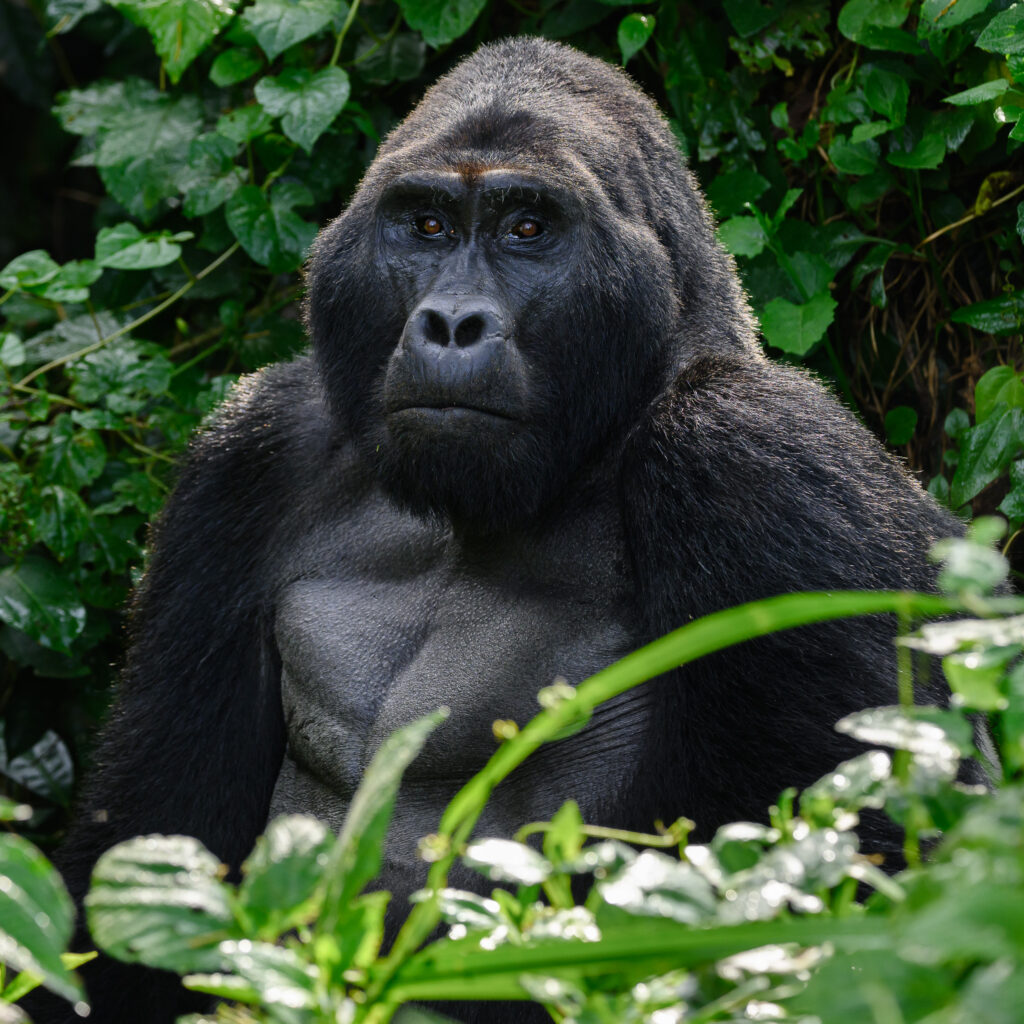
Gorillas are the largest primates on Earth. Adult males—known as silverbacks—can stand over 5.5 feet tall and weigh up to 450 pounds. Their massive chests, thick necks, and muscular arms give them unmatched physical presence in the forest. Females are smaller and more slender but no less expressive.
Their fur is mostly black, though silverbacks develop a gray or silver saddle across their backs as they mature. Their eyes are deep brown and human-like, often revealing emotion, intelligence, and curiosity when photographed up close.
Physical Variations Amongst the Species
There are two species of gorilla, each with two subspecies:
- Eastern Gorilla
- Mountain Gorilla (Gorilla beringei beringei) – found in Uganda, Rwanda, and the DRC.
- Eastern Lowland Gorilla – found in eastern DRC.
- Western Gorilla
- Western Lowland Gorilla – found in Central and West Africa.
- Cross River Gorilla – found in a small region along the Nigeria-Cameroon border.
Mountain Gorillas are the best-known and most frequently photographed due to protected populations and habituated families. They tend to have longer fur, adapted to colder mountain conditions, and more muscular builds.
Native Habitat Around the World
Gorillas live exclusively in tropical and subtropical forests of central Africa. Mountain Gorillas inhabit the Virunga Mountains (on the borders of Rwanda, Uganda, and the DRC) and Bwindi Impenetrable Forest in Uganda.
They prefer dense montane and bamboo forests, often between 2,200 and 4,300 meters in elevation. Lowland gorillas inhabit flatter rainforests with warmer, wetter climates and thicker canopies.
Who Preys on the Gorilla
Adult gorillas have no natural predators—except humans. Infants may occasionally fall prey to leopards, but this is rare. Historically, gorillas have been threatened by poaching, disease, habitat destruction, and civil conflict in regions where they live.
Food/Eating Habits of the Gorilla
Gorillas are primarily herbivores. They feed on leaves, stems, shoots, fruits, and occasionally insects. A silverback can consume over 40 pounds of vegetation a day. You’ll often find them lounging in clearings, stripping bark, or slowly chewing on thistles while the rest of the family plays or rests.
This calm, steady rhythm creates ideal opportunities for quiet, deliberate wildlife photography.
Known Lifespan
In the wild, gorillas typically live 35–40 years. In protected sanctuaries and zoos, some have lived into their early 50s. Silverbacks usually begin leading their own groups by 12–15 years old.
Join Us on a Wildlife Workshop
We lead gorilla trekking photo workshops in Uganda, where Mountain Gorilla families have been carefully habituated to human presence. With small group sizes and expert local guides, we trek through lush jungle terrain for the chance to spend one awe-inspiring hour with these gentle giants.
We’ll help you manage your gear in humid, unpredictable conditions, coach you on shooting in low light, and work on quiet positioning to capture emotional, storytelling portraits. From a mother cradling her infant to a silverback’s stoic stare, you’ll leave with images—and memories—that stay with you for life.


