Ten reasons why wildlife photography is a challenging and rewarding genre of photography
By Kevin Pepper |
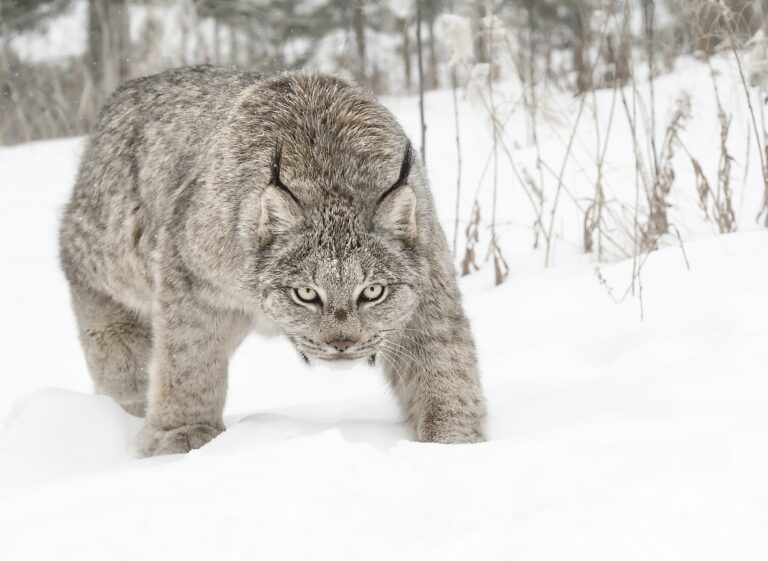
Wildlife photography isn’t just about pointing your lens at a critter and pressing the shutter. It’s a genre where nature calls the shots—quite literally. The wild dictates the terms, and the photographer must adapt, often in the harshest conditions.
So, what makes wildlife photographers haul their heavy gear into remote, untamed landscapes? It’s the irresistible blend of challenge and reward. Each shot captured in the wild is a testament to patience, skill, and a sprinkle of good fortune. When everything aligns, that single image can reveal hidden worlds, support conservation efforts, and offer unparalleled fulfillment.

The challenges of wildlife photography
- Unpredictable behavior: Animals don’t pose for photos. Their unpredictable actions require a photographer to stay alert and ready for anything.
- Weather woes: Wildlife photographers often battle the elements to get the perfect shot, from torrential rain to blistering heat.
- Physical demands: Hours of hiking with heavy gear through rugged terrain can be exhausting, testing strength and stamina.
- Tricky lighting: Wildlife is most active during dawn and dusk, meaning photographers often work in low light and must master techniques to adapt.
- Remote locations: Many wildlife hotspots are far off the beaten path, requiring travel savvy and a knack for navigating difficult and sometimes dangerous environments.
- Gear limitations: The right equipment, from telephoto lenses to durable tripods, is often heavy and expensive and sometimes feels like a third (and not always cooperative) arm.
- Patience & perseverance: Waiting for the perfect moment can take hours, days, or weeks. It’s a mental game that only the truly dedicated can win.
- Human disturbance: The presence of people can alter animal behavior, making it hard to capture natural interactions.
- Concealment tactics: Photographers often need to blend into their surroundings, using camouflage or hides, to get close without alarming their subjects.
- Ethical boundaries: A wildlife photographer must respect the animals and their environment, ensuring their craft does no harm.
Our tips for success in wildlife photography
- Know your gear inside and out: Before heading into the wild, familiarize yourself with your camera settings. Practice switching modes, adjusting the aperture, and changing shutter speeds without looking—this can make the difference between capturing a fleeting moment and missing it.
- Choose the right equipment: Invest in a camera with a fast burst mode and excellent low-light performance. A mirrorless or DSLR camera with quick autofocus is ideal. For lenses, a 100-400mm, 600mm, or even an 800mm telephoto lens can help you get close without disturbing your subject. Accessories like sturdy tripods, gimbal heads, and rain covers are also valuable.
- Master your settings:
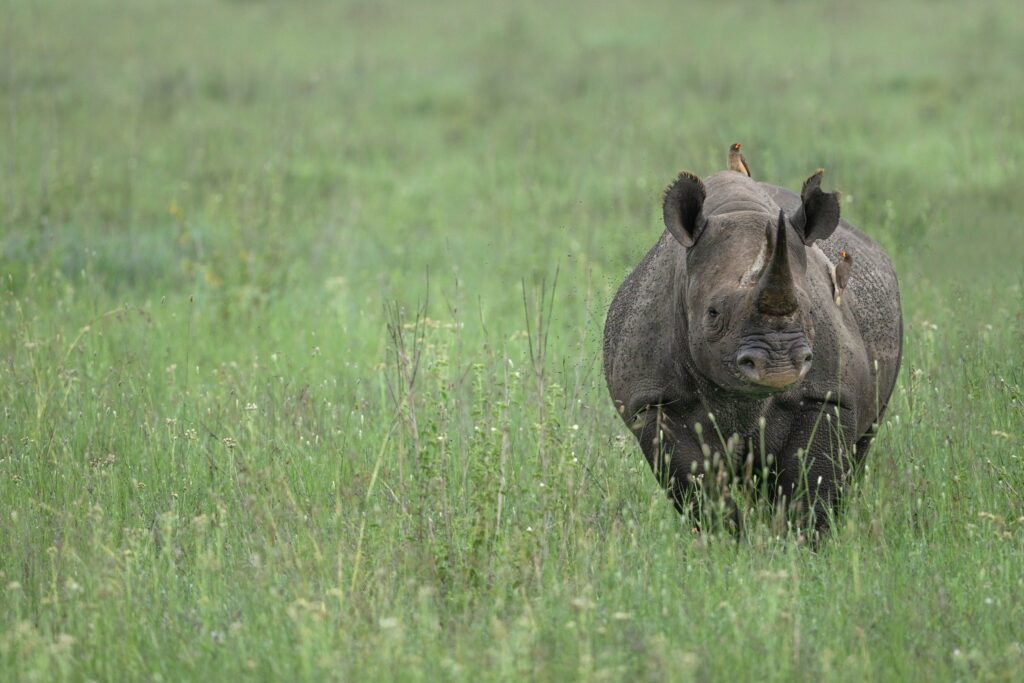
Aperture: Wildlife photographers often want to take photos of groups of animals. Long zoom lenses require changes in aperture to ensure that all animals in the group are in focus, as the focal plane of telephoto lenses can often be very shallow. Learn how to keep groups of animals in focus using aperture.
Shutter speed: Wildlife can move fast! Use fast shutter speeds (e.g., 1/1000s or higher) to freeze motion, especially when photographing birds in flight or animals on the move. We have a guide to the best shutter speeds for wildlife photography.
ISO: Increase your ISO in low-light conditions. Modern cameras and software handle higher ISOs very well, so don’t be afraid to push them when needed. - Practice at home: Before traveling, practice photographing animals in your backyard, at a local park, or even a zoo. This helps refine your skills in tracking subjects, focusing quickly, understanding required aperture, and composing shots.
- Research your subjects: Learn about the behavior, habitat, and active times of the wildlife you want to photograph. Understanding animal habits improves your chances of being in the right place at the right time.
- Be patient and observant: Sometimes, the best approach is to sit still and let nature come to you. Observe how animals interact with their surroundings and anticipate their movements.
- Stay safe and respect wildlife: Always maintain a safe distance. Use a telephoto lens to avoid encroaching on animals’ space. Respect their boundaries and prioritize their well-being over getting the shot.
- Use burst mode: Many cameras offer continuous shooting modes that allow you to capture a series of shots in quick succession, increasing your chances of capturing the perfect moment.
- Experiment with composition: Try different angles, framing, and perspectives. Low angles can make animals appear more majestic, while creative use of foreground and background elements adds depth to your images. Learn more about wildlife composition.
- Prepare for the elements: Dress appropriately for the weather and bring protective gear for your equipment. Cold, rain, heat, or humidity can affect you and your gear, so be ready for anything nature throws your way.
Why join a wildlife photography workshop with Akari Photo Tours?
While venturing into the wild alone can be thrilling, joining a photography workshop with an experienced professional can elevate your experience—and your photos—to a whole new level. Here’s why choosing Akari Photo Tours for your next wildlife adventure is a smart move:
- Expert guidance: Our professional photographers have extensive experience in the specific environments where the workshops are held. They know the best spots, the ideal times for shooting, and how to read wildlife behavior to capture those once-in-a-lifetime moments.
- Local knowledge: Akari Photo Tours collaborates with local guides who bring invaluable insights into wildlife habits, ensuring participants are in the right place at the right time.
- Personalized instruction: Whether you are a beginner or an advanced photographer, our small group sizes allow personalized coaching. You’ll receive hands-on advice about camera settings, handling difficult lighting situations, composition, and creative techniques before and during the best moment to take photos. This advice is tailored to your skill level.
- Pre-trip preparation: We provide detailed pre-trip information, including tips on gear, packing lists, and techniques to practice at home—helping you arrive confident and ready.
- Access to hidden gems: With our insider access, you’ll visit off-the-beaten-path locations where wildlife sightings are more likely and tourist crowds are scarce.
- Ethical wildlife practices: We prioritize the well-being of wildlife. Our workshops are designed to minimize animal disturbance while promoting responsible and ethical photography practices.
- Learning opportunities: Image reviews and constructive feedback sessions help you improve rapidly. Our guides share their expertise in storytelling, editing, and building a cohesive photographic portfolio.
- Safety and comfort: Traveling to remote areas can be daunting, but with Akari Photo Tours, all logistics, including accommodation, transportation, and safety measures, are taken care of—so you can focus on photography.
- Community and camaraderie: Connect with like-minded photographers, share stories, and learn from each other in a supportive and inspiring environment.
- Capture more than just photos: Our workshops are not just about taking pictures—they are about creating memorable experiences, deepening your appreciation for nature, and leaving you with stories to tell and stunning images.

In conclusion
Wildlife photography is not for the faint of heart. It demands grit, patience, and a willingness to embrace unpredictability. You might find yourself soaked to the bone, hidden in a blind, or playing a real-life game of “Where’s Waldo?” with a well-camouflaged critter.
But those fleeting moments—when nature unveils its secrets and your camera captures them—make every challenge worthwhile. Whether you’re a seasoned pro or a budding enthusiast, wildlife photography offers stories and experiences that last a lifetime.
With Akari Photo Tours, you increase your chances of capturing incredible images and gaining knowledge, confidence, and unforgettable memories. So, pack your gear, join us on a wildlife adventure, and let your lens tell the wild stories waiting to be captured.