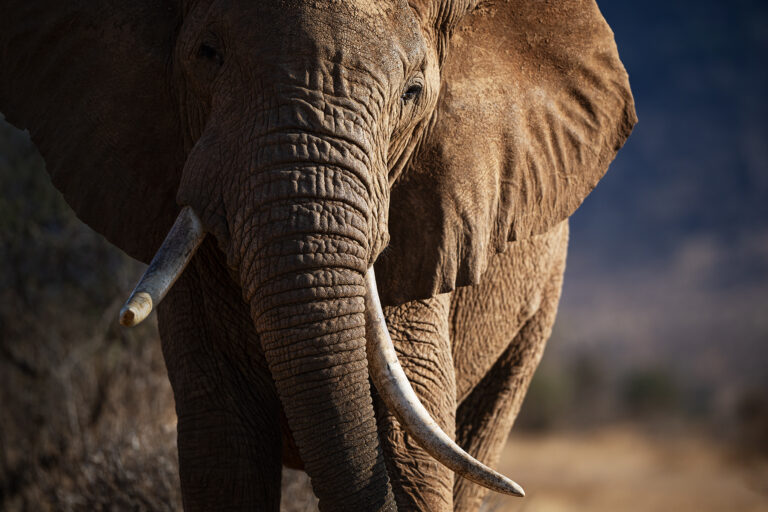
The Thrill of an African Safari (And Why Photographers Should Do It Right)
By Kevin Pepper |
I’ve been leading photography safaris in Africa for over a decade, and I still get that same feeling when the sun starts to lift off the horizon and the savanna switches on.
It’s quiet in a way that’s hard to explain until you’re there. Then a lion roars somewhere beyond the acacias. A lilac-breasted roller flashes past like a flying paintbrush. Dust hangs in the air. Your camera feels a little heavier—in a good way.
Africa has a way of doing that. It doesn’t just show you wildlife. It gives you moments. The kind that make you forget about email, deadlines, and whatever you thought “busy” meant back home.
But here’s the truth: not all safaris are built for photographers.
A great photo safari isn’t just a vacation with long lenses. It’s a carefully designed experience where the pacing, vehicles, guide experience, camp choices, and group size all work together so you can actually make the images you came for.
Let’s talk about what matters—and why.
Why an African Safari Is So Thrilling (Even After 10+ Years)
A lot of travel is predictable. Africa is not.
On safari, anything can happen in five minutes:
- A cheetah goes from statue-still to full-speed blur.
- A herd of elephants materializes through the dust like a moving wall.
- A leopard steps into the open for ten seconds… and those ten seconds are the whole trip.
And the best part? You’re not watching it on Netflix. You’re inside it—light, sound, smell, and all. That’s why photographers fall in love with Africa. It’s not just the wildlife. It’s the feeling of being there when something real unfolds.
What Makes a Photo Safari Different (And Better for Photographers)
A standard safari is often built around seeing as much as possible—lots of stops, lots of variety, lots of “quick, look!” moments.
A photo safari is built around time.
Time to let an animal settle.
Time to wait for behavior.
Time to reposition for clean backgrounds.
Time to anticipate the moment instead of reacting to it.
A well-run photo safari also includes a few key ingredients:
Small groups
Fewer people means more flexibility, fewer compromises, and more chances to stay with a subject when it’s getting good (instead of leaving because someone “already got the shot”).
Photography-friendly vehicles
This matters more than people realize. Proper spacing, open sight lines, the ability to shoot on both sides, stable platforms, and smart layouts can be the difference between “nice sighting” and “portfolio image.”
Read our article on safari vehicles
A leader who knows how to get you in the right place at the right time
There’s a reason some guests come home with great animal portraits… and others come home with tiny subjects in tall grass. Knowing the ecosystem, reading behavior, understanding light direction, and predicting movement isn’t luck. It’s experience. And it stacks up year after year.
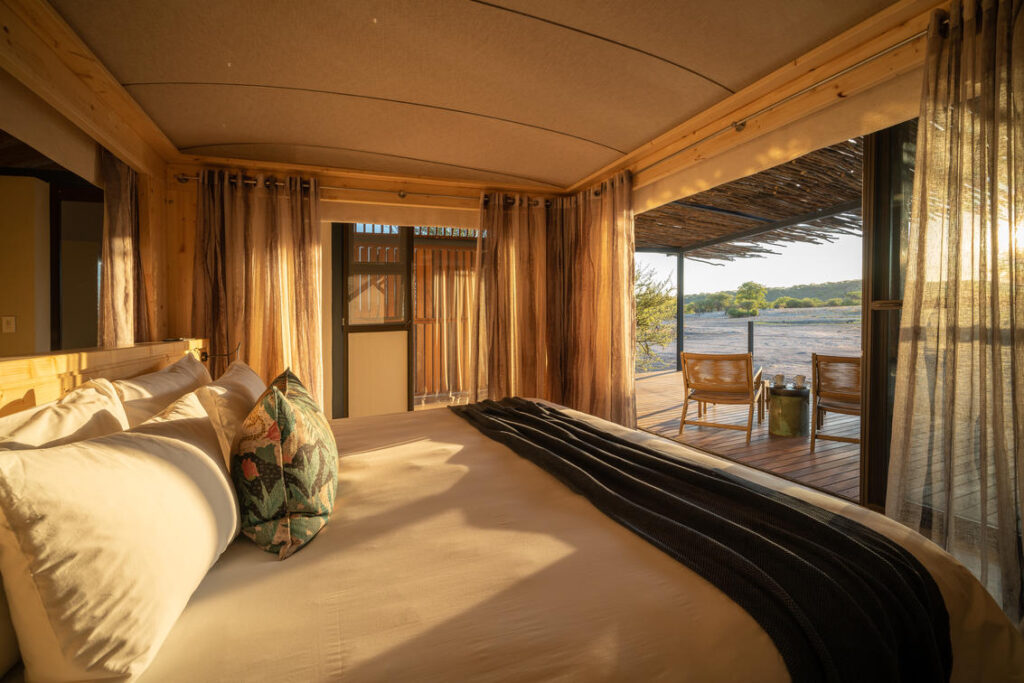
Camps in Africa: From Classic to Comfortable to “How Is This Real Life?”
Africa has an incredible range of camps and lodges—from simple, classic bush camps where you fall asleep to hyenas whooping, all the way to beautiful high-end properties where you’re editing images with a coffee in hand while zebras wander past.
The point isn’t “fancy vs not fancy.” The point is fit.
- Some camps are perfect for photographers because they’re close to the action, which means more time in the field and less time commuting.
- Some shine for comfort and service, which matters when you’re up before dawn every day.
- Some feel like old Africa—the kind that makes you slow down and actually feel where you are.
Read our article on Camps in Africa
Photography Gear That Works Best on Safari
You don’t need a shopping spree. You need a smart, reliable setup that covers range, low light, and fast action.
Here’s what consistently works well:
Lenses
- 100–400 or 200–600 range: your workhorse for most wildlife.
- 70–200 (or 70–180): perfect for larger animals nearby, behavior, storytelling, and low light.
- Wide-angle (14–24 / 16–35 / 24–70): for landscapes, camps, environmental portraits, and those “lion beside the vehicle” moments that always show up right when you’re not ready.
Camera bodies
- Two bodies if you can. One long lens, one mid-range. Less lens swapping in dust. More shots made. Fewer regrets.
- Good autofocus helps. Good high ISO performance helps even more at dawn and dusk.
Support
- Beanbag (the safari MVP). Stable, quick, and vehicle-friendly.
- A tripod can be useful at camp for night skies, but in the vehicle a beanbag usually wins.
The small stuff that saves a trip
- Extra batteries (you’ll shoot more than you think).
- Plenty of memory cards.
- A blower/brush and microfiber cloths.
- A simple rain cover (weather happens).
- A comfortable strap or harness (your neck will send complaint emails otherwise).
If you want one guiding principle: cover the range, keep it fast, and keep it simple.

Group Size: Why It Matters More Than Marketing Copy
People love to say “small group,” but photographers should ask what that really means.
Because group size affects:
- How often you get the best seat/angle
- How long you can stay with a subject
- How many cameras are competing for space
- How much one-on-one instruction you actually get
In a larger group, you’re often negotiating every stop:
- “Can we move?”
- “Can we stay?”
- “Can we switch sides?”
- “Can we stop for five minutes so I can wait for behavior?”
In a small group, you’re creating images, not negotiating like it’s a peace treaty.
The VIP Greeting Service in Tanzania: The Best Kind of “Extra”
Travel days are part of the deal, but they don’t have to feel like punishment.
In Tanzania, we offer a VIP greeting service that changes the landing experience completely. Instead of standing in a crowded visa line after a long flight, you’re met and looked after while the process is handled efficiently.
It’s helpful because:
- It reduces stress when you’re already tired
- It speeds up the process
- It gets you to your hotel faster
- It starts the trip on a calm note instead of a “welcome to the chaos” note
And honestly, starting a safari relaxed makes the next morning better. Your brain is sharper. Your patience is longer. Your camera work improves… and the big news!!! More countries are following this model!
Read about VIP Meet and Greet in Tanzania

Choosing the Right Photo Safari for Your Experience (And Your Personality)
This is where most people get it wrong.
There are generally two types of safari photographers:
1) The Species Checklist Photographer
They want variety. They want to see everything. They’re excited by ticking boxes and stacking sightings.
That’s not “bad.” It’s just a different goal.
2) The Photographer Who Wants More
They want behavior. Storytelling. Atmosphere. Cleaner compositions. The kind of images that feel like a body of work, not just a highlight reel.
They’re willing to stay with a subject longer because they know the magic usually happens after everyone else would have driven away.
Why this matters
Frustration happens when these two styles are mixed on the same trip.
The checklist shooter wants to move on quickly.
The storyteller wants to wait for the moment to unfold.
One is chasing quantity.
The other is chasing depth.
Neither is wrong. But you’ll enjoy safari a lot more when the trip is designed for the way you like to shoot.
If you’ve never been to Africa, you may start as a checklist shooter—and that’s normal. But many photographers evolve fast once they see what’s possible when you slow down and let the story happen.

The Best Safari Is the One Built for Photographers
A thrilling safari is guaranteed. Africa takes care of that.
What isn’t guaranteed is coming home with the images you imagined—unless the safari is built for it:
- the right group size
- the right vehicles
- the right pacing
- the right camps
- and leadership that knows when to push, when to wait, and when to quietly let the wild do what it does
Because the best photos in Africa aren’t made by rushing from animal to animal.
They’re made by being there—patient, ready, and in the right place when the moment shows up.
And it always shows up.