Maasai Mara vs Serengeti: Which African Safari Is Better for Photographers?
By Kevin Pepper |
For photographers planning their first African safari, one question comes up again and again: Should I photograph the Maasai Mara or the Serengeti?
Both destinations are legendary wildlife ecosystems. Both host the Great Migration. Both offer exceptional opportunities to photograph lions, cheetahs, elephants, and vast herds of wildlife.
But once you start photographing in these parks, you quickly realize they feel quite different in the field.
After more than a decade leading photography safaris across East Africa, I’ve spent a great deal of time working in both regions. Each location offers its own advantages depending on the season, the type of photography you enjoy, and the style of safari experience you’re looking for.
Let’s take a closer look.
First, A Quick Note About This Comparison
This comparison focuses specifically on the Maasai Mara National Reserve in Kenya and the main Serengeti National Park ecosystem in Tanzania.
There are outstanding conservancies and private reserves surrounding both regions—such as Mara North Conservancy, Amboseli, Lewa, Lakipia and Solio in Kenya and Ngorongoro Crater, Lake Manyara, Nyerere National Park and the Grumeti Reserve in Tanzania—that offer different rules, wildlife densities, and photographic opportunities.
Those areas can significantly change the safari experience. For simplicity, this article focuses on the main parks themselves, where most photographers begin their safari journey.
The Landscape: Rolling Plains vs Endless Horizons
Photographically speaking, both parks deliver the classic African savannah scenery most photographers dream about.
But the landscapes feel slightly different once you start composing images.
Maasai Mara
The Maasai Mara features rolling grasslands, scattered acacia trees, and winding river systems. The gentle hills create natural layers in the landscape that photographers can use to build depth in their images.
Wildlife often appears against dramatic skies or distant hills, which helps create strong environmental portraits.
Serengeti
The Serengeti feels enormous.
The name itself comes from the Maasai word “Siringet,” meaning endless plains, and that description fits perfectly. The landscape stretches to the horizon in every direction.
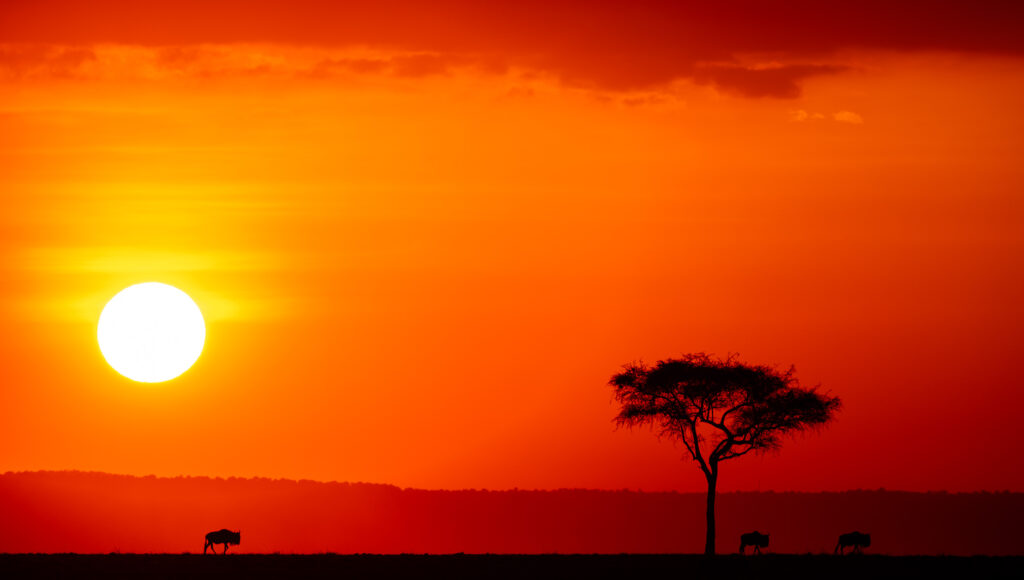
For photographers, this creates powerful minimalist images where animals appear small within vast open landscapes. It’s also one of the best places in Africa for photographing sunrise silhouettes and sunset compositions.
Best Seasons for Wildlife Photography
Both the Maasai Mara and the Serengeti offer excellent wildlife photography throughout the year. These ecosystems support large resident populations of animals, which means great photographic opportunities exist even when the Great Migration is not present.
However, the type of photography, animal behavior, and landscape conditions change throughout the seasons. Grass height, rainfall, and wildlife movements all influence how easy animals are to find and photograph.
Understanding these seasonal differences helps photographers choose the time of year that best matches the images they hope to create.
Maasai Mara Best Season
July – October (Migration and River Crossings)
This is the most famous season in the Maasai Mara. Large herds of wildebeest and zebra arrive from the Serengeti and gather along the Mara River.
For photographers, this period offers opportunities to capture:
• dramatic river crossings
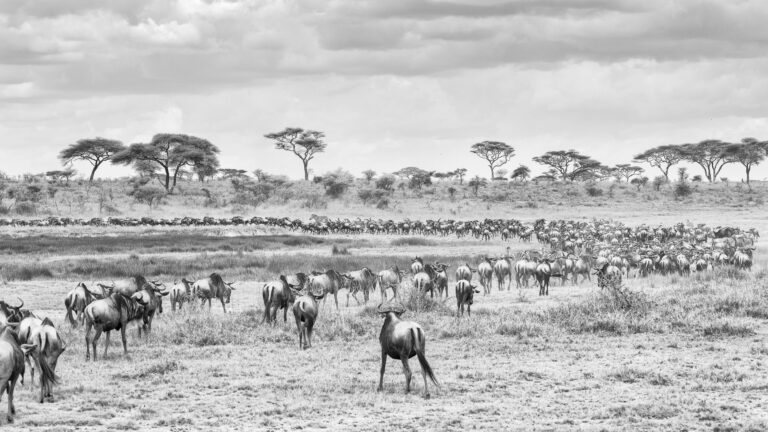
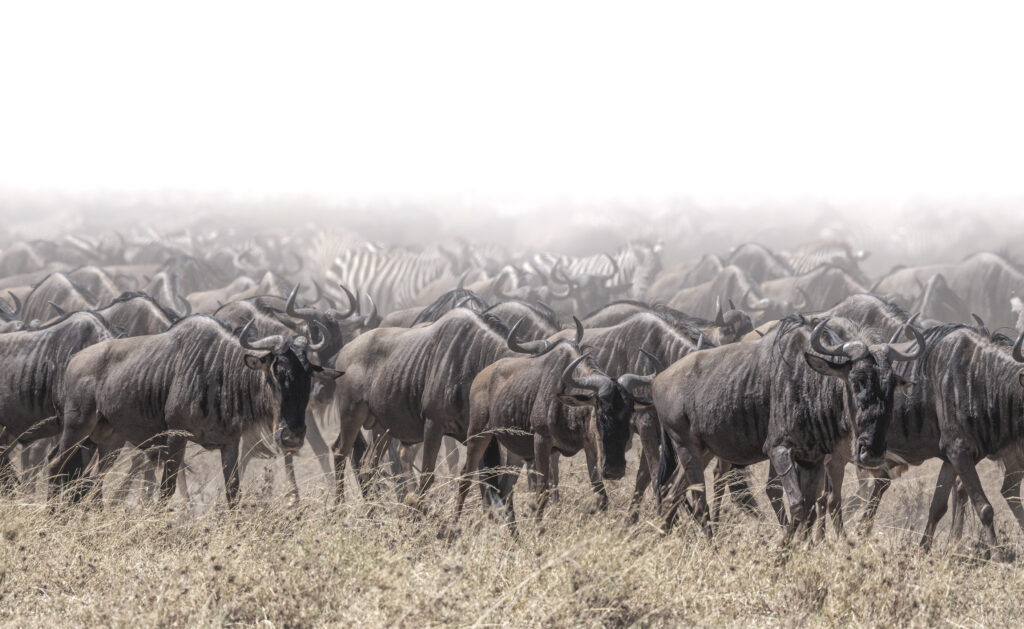
• massive herds moving across the plains
• crocodile interactions along the riverbanks
• predators following the migration
Wildlife densities are extremely high during this time, although it is also the busiest tourism season.
January – March (Excellent General Wildlife Photography)
Outside of migration season, the Maasai Mara remains an outstanding destination for wildlife photography.
Grass levels are often shorter, which makes animals easier to spot and photograph. Predator sightings can be particularly rewarding during this period, and there are typically fewer vehicles in the reserve.
This season often produces beautiful wildlife photography of:
• lions and cheetahs hunting across open plains
• elephants moving through the savannah
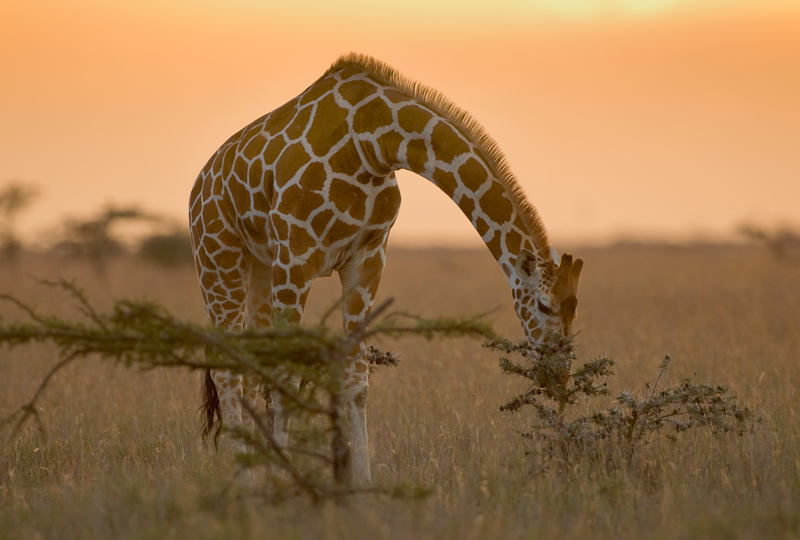
• giraffes silhouetted against dramatic skies
For photographers who enjoy clean compositions and fewer crowds, this can be one of the most enjoyable times to work in the Mara.
Serengeti Best Seasons
January – March (Calving Season)
During this time, the southern Serengeti becomes the center of the Great Migration.
Hundreds of thousands of wildebeest calves are born over a short period, creating one of the most intense predator-prey environments in Africa.
For photographers, this season offers remarkable opportunities to capture:
• predator hunts
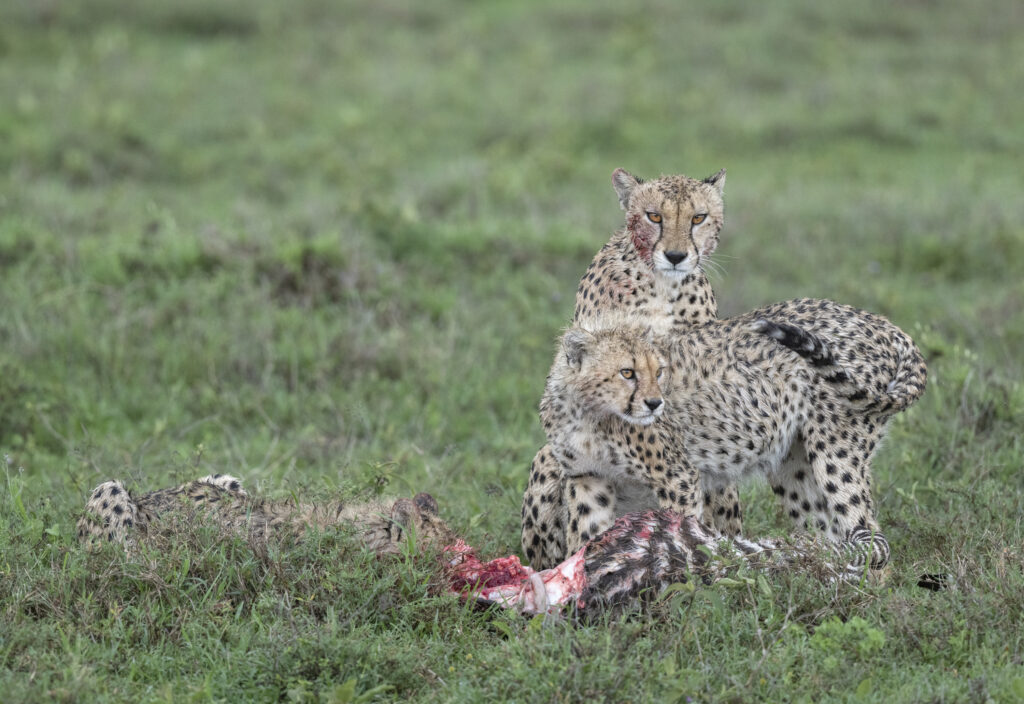
• cheetahs stalking across open plains
• newborn animals taking their first steps
• dramatic interactions between predators and prey
It is one of the best seasons anywhere in Africa for photographing wildlife behavior.
June – October (Migration Movement)
As the dry season progresses, the migration begins moving north through the Serengeti toward the Maasai Mara.
Large herds spread across the central and northern Serengeti, attracting predators along the way. Wildlife becomes increasingly concentrated near water sources as the dry season continues.
This period offers classic safari photography of:
• massive herds moving across the plains
• predators following the migration
• elephants and giraffes gathering near water sources
Year-Round Resident Wildlife
One of the most important things photographers should understand is that the Serengeti supports an extraordinary resident wildlife population.
Even when the migration is in another part of the ecosystem, the park still holds abundant wildlife, including lions, leopards, cheetahs, elephants, and large herds of plains animals.
For photographers, this means that excellent wildlife photography is possible at almost any time of year, particularly when focusing on predator behavior, environmental portraits, and classic savannah scenes.
The Great Migration: Two Different Photographic Stories
Both parks host the Great Migration, but the photographic experience is quite different depending on where you are.
Serengeti: Where the Migration Begins
The southern Serengeti is where the migration begins each year with the wildebeest calving season.
During a short period, roughly 500,000 calves are born, creating one of the most intense predator-prey environments on Earth.
For photographers, this means frequent opportunities to photograph:
• lions hunting
• cheetahs stalking prey
• hyenas competing over kills
• newborn wildebeest taking their first steps
It’s a remarkable place to photograph wildlife behavior.
Maasai Mara: The Drama of River Crossings
By the time the migration reaches the Maasai Mara, the story has changed.
The focus becomes river crossings.
Thousands of wildebeest gather along the banks of the Mara River before suddenly plunging into the water. Crocodiles wait below the surface while the herd surges across in chaos.
These moments create some of the most iconic wildlife photographs in Africa.
River crossings are unpredictable, but when they happen, the photographic energy is incredible.
Read our article called The Complete Guide To The Great Wildebeest Migration here
Predator Density
Both ecosystems hold large predator populations.
Serengeti
The Serengeti supports one of the largest lion populations in Africa. Cheetahs are also common across the southern plains, especially during calving season.
Because the park is so vast, predators may feel more spread out across the landscape.
Maasai Mara
The Maasai Mara is known for its concentrated predator sightings.
Leopards along the Mara River, large lion prides across the plains, and cheetahs hunting in open grasslands are common encounters.
Because the reserve is smaller, predator sightings often feel more frequent during a typical safari day.
Camp Quality and Safari Comfort
Both parks offer outstanding safari accommodations.
Serengeti Camps
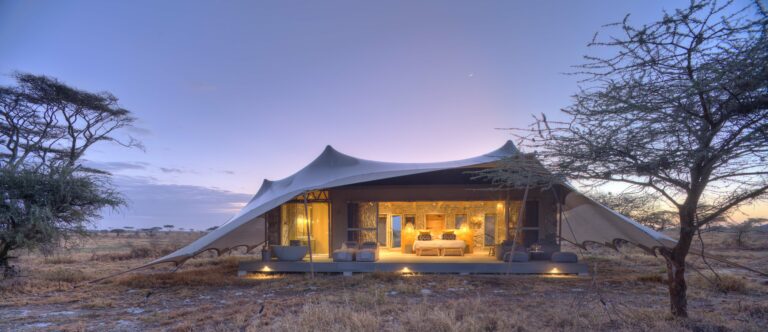
The Serengeti offers everything from comfortable mobile camps to luxury lodges. Some camps move seasonally to stay close to the migration.
Because of the park’s size, camps are often positioned near seasonal wildlife concentrations.
Maasai Mara Camps
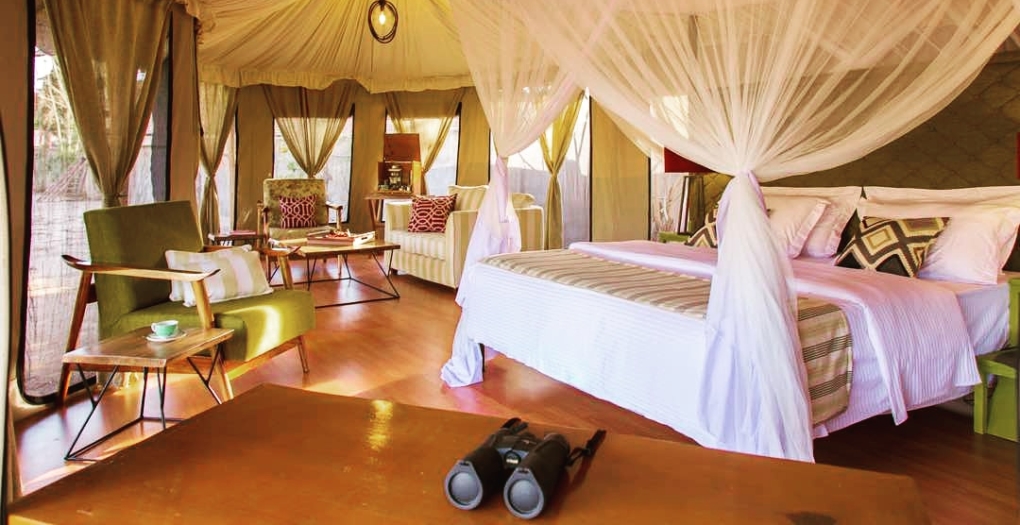
Kenya is particularly well known for its high-end tented camps and boutique safari lodges.
Many provide exceptional service, spacious tents, and beautiful views over the savannah.
For photographers, camps located close to the Mara River or open plains help minimize travel time to wildlife sightings.

Safari Vehicles: A Major Difference for Photographers
One detail many photographers overlook when choosing between the Maasai Mara and the Serengeti is the type of safari vehicle typically used in each country.
It might sound like a small detail, but vehicle design directly affects shooting angles, comfort, stability, and how easily you can react when wildlife behavior unfolds.
After a few days on safari, photographers quickly realize the vehicle can make a meaningful difference in how they work.
Maasai Mara Vehicles (Kenya)
In Kenya’s Maasai Mara, many photographic safaris use open-sided Land Cruiser vehicles designed specifically for wildlife photography.
These vehicles typically have fully open side panels or very large window openings where photographers can rest their lenses on bean bags.
For photographers, this setup works extremely well.
Advantages include:
• unobstructed shooting angles at eye level with wildlife
• excellent stability for large lenses resting on bean bags
• the ability to slide lenses forward or backward easily
• quick movement from one side of the vehicle to the other
Because you’re shooting through the side openings, photographers can create more natural eye-level wildlife images, especially when animals are resting in the grass.
Serengeti Vehicles (Tanzania)
In Tanzania’s Serengeti, most safari vehicles are Land Cruisers with pop-up roofs.
When wildlife is spotted, photographers stand up through the roof opening to photograph.
Advantages include:
• excellent visibility across the plains
• the ability to see over tall grass
• good viewing opportunities for multiple guests
The tradeoff is that photographers often share the same roof opening, which can make lens movement slightly more restricted when several people are shooting at once.
That said, experienced guides are very skilled at positioning vehicles so everyone has a chance to capture the moment.
Why Vehicle Space Matters for Photographers
Regardless of which park you visit, one thing becomes obvious very quickly:
Space inside the vehicle matters. When too many photographers share a safari vehicle, movement becomes limited. You may find yourself waiting for space, shooting around other lenses, or missing a moment altogether.
This is one of the reasons we keep our Akari Photo Tours safari groups small.
With fewer photographers in the vehicle, everyone has room to move lenses freely, change angles, and react quickly when wildlife behavior unfolds.
And on safari, those few extra seconds can make the difference between a nice photograph… and a once-in-a-lifetime image.

Tourism Pressure and Vehicle Traffic
Another factor photographers should consider is how busy sightings can become.
Serengeti
Because the Serengeti is so vast, it’s often possible to photograph wildlife without seeing many other vehicles once you move away from popular areas.
Maasai Mara
The Maasai Mara is smaller and very popular during migration season. Certain sightings—especially river crossings—can attract many vehicles.
Experienced guides can usually position vehicles well, but photographers should expect a bit more activity around major events.
The Quality of Light
Light is one of the most important elements in wildlife photography, and both ecosystems offer beautiful conditions.
Serengeti Light
The open plains of the Serengeti allow sunlight to travel across vast distances without obstruction.
This produces clean golden light at sunrise and sunset, with dramatic skies and silhouettes.
Maasai Mara Light
The Mara’s rolling terrain and scattered trees can create more textured light.
Hills and acacia trees help break up the light and add interesting layers to wildlife compositions.
Both parks offer exceptional light—just in slightly different ways.
Camera Gear for the Maasai Mara vs Serengeti
Photographers planning an African safari often ask if they should bring different camera gear depending on whether they visit the Maasai Mara or the Serengeti.
The truth is that both ecosystems require a very similar wildlife photography setup, but a few small differences can help you prepare more effectively.
Telephoto Lenses
Wildlife photography in both parks heavily favors long lenses.
Most photographers rely on lenses in the 400mm to 600mm range for predator portraits, birds, and distant wildlife interactions.
Popular safari lenses include:
• 400mm f/2.8
• 500mm f/4
• 600mm f/4
• 100–400mm or 200–600mm zoom lenses
Long lenses are especially useful during river crossings in the Maasai Mara or when predators are resting further away in the Serengeti plains.
Mid-Range Zoom Lenses
A mid-range zoom is extremely valuable in both parks.
A 70–200mm lens is perfect for photographing:
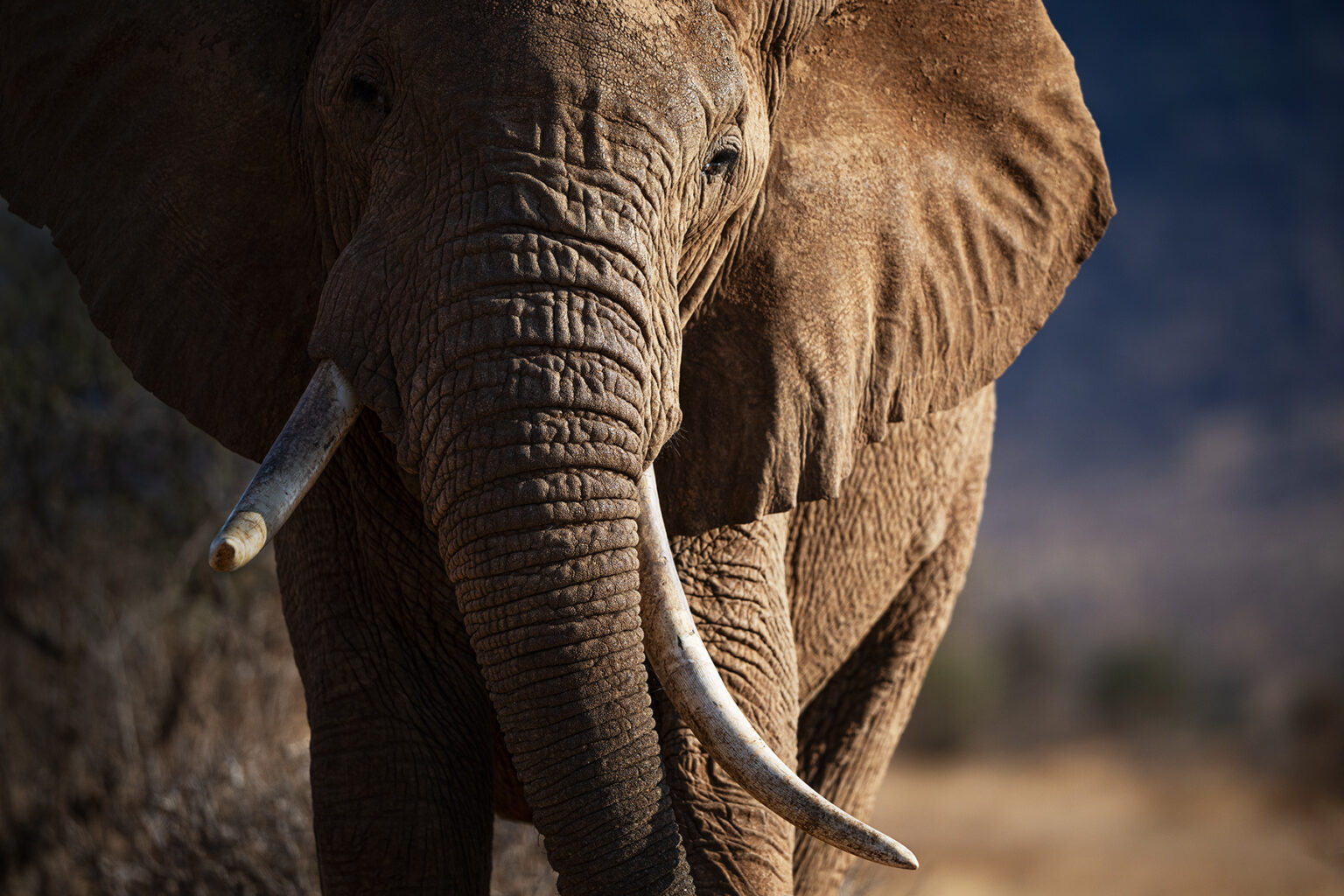
• elephants approaching the vehicle
• lions resting close to the road
• environmental wildlife portraits
This lens also becomes important during migration scenes in the Serengeti, where massive herds fill the frame.
Wide Angle Lenses
Wide lenses are often overlooked on safari, but they can produce powerful storytelling images.
Lenses in the 16–35mm range allow photographers to capture wildlife within the vast African landscape.
These lenses work particularly well in the Serengeti, where the open plains create dramatic environmental compositions.
Camera Bodies
Having two camera bodies is extremely helpful on safari.
Many photographers keep:
• a telephoto lens on one camera
• a mid-range zoom on the other
This avoids constantly changing lenses in dusty environments while allowing you to react quickly when wildlife approaches the vehicle.
Support Gear
Most photographers on safari use bean bags instead of tripods.
Bean bags rest on the vehicle window frame or roof and provide a stable platform for large lenses.
They are simple, effective, and ideal for shooting from safari vehicles.
Extra Batteries and Memory Cards
Long game drives and high frame rates during wildlife action can quickly drain batteries and fill memory cards.
It’s wise to pack:
• multiple camera batteries
• several large memory cards
• portable storage for backing up images
Because when the lions start hunting, the last thing you want to see is a flashing “memory full” warning.
Dust Protection
East African safari roads can be dusty, especially in the dry season.
Photographers should bring:
• lens cloths
• protective camera covers
• sealed camera bags
Keeping gear protected helps ensure everything continues working smoothly during the trip.
Photographic Variety
Both locations offer extraordinary wildlife photography opportunities.
Serengeti Photography Strengths
• massive wildlife herds
• predator behavior during calving season
• vast environmental landscapes
• dramatic sunrise and sunset silhouettes
Maasai Mara Photography Strengths
• river crossing action
• predator portraits
• dramatic wildlife interactions
• layered landscapes with acacia trees
So Which Safari Is Better?
The honest answer is simple.
Neither park is better. They are simply different chapters of the same story.
The Serengeti shows photographers the beginning of the migration, where life and death unfold across endless plains.
The Maasai Mara often delivers the dramatic climax, where massive herds confront crocodile-filled rivers.
Photographing both locations allows photographers to experience the full cycle of one of the greatest wildlife spectacles on Earth.
Join Us on Safari
At Akari Photo Tours, we lead small-group photography safaris in Kenya, Tanzania and other countries designed specifically for photographers.
We focus on positioning vehicles for the best angles, anticipating animal behavior, and helping photographers create images that go beyond simple wildlife portraits.
Because there is nothing quite like watching the African savannah wake up… with your camera ready.
Final Thoughts for Photographers
The Maasai Mara and the Serengeti are two of the greatest wildlife photography destinations on Earth.
Both parks offer extraordinary opportunities to photograph the Great Migration, predator behavior, and the timeless beauty of the African savannah.
The best choice often comes down to what type of photographic story you want to tell.
Do you want to photograph the drama of river crossings?
Or the intensity of predator hunts during calving season?
Either way, you’ll quickly discover why so many photographers return to East Africa again and again.
Because once you’ve watched lions at sunrise and elephants walk across the golden plains…
Africa has a way of pulling you back.