Why do whales breach? Unraveling the mysteries of these majestic giants
By Kevin Pepper |
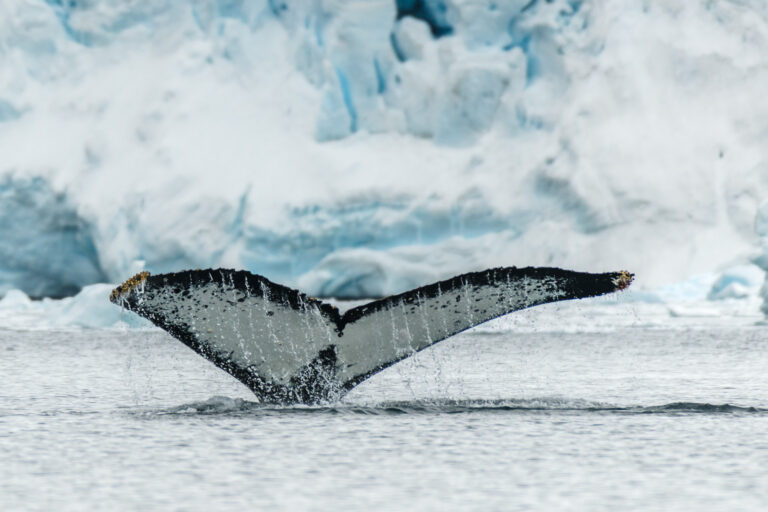
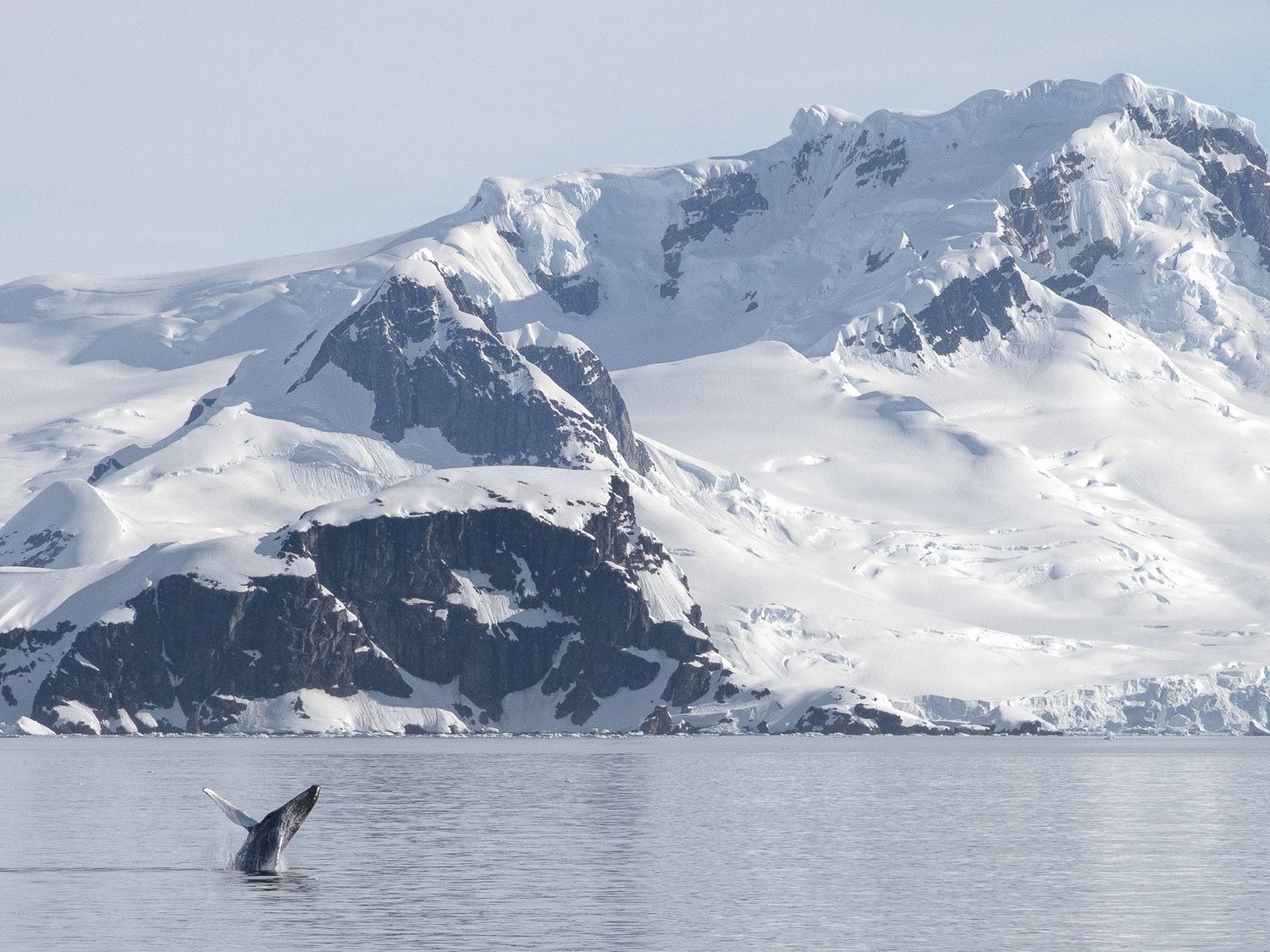
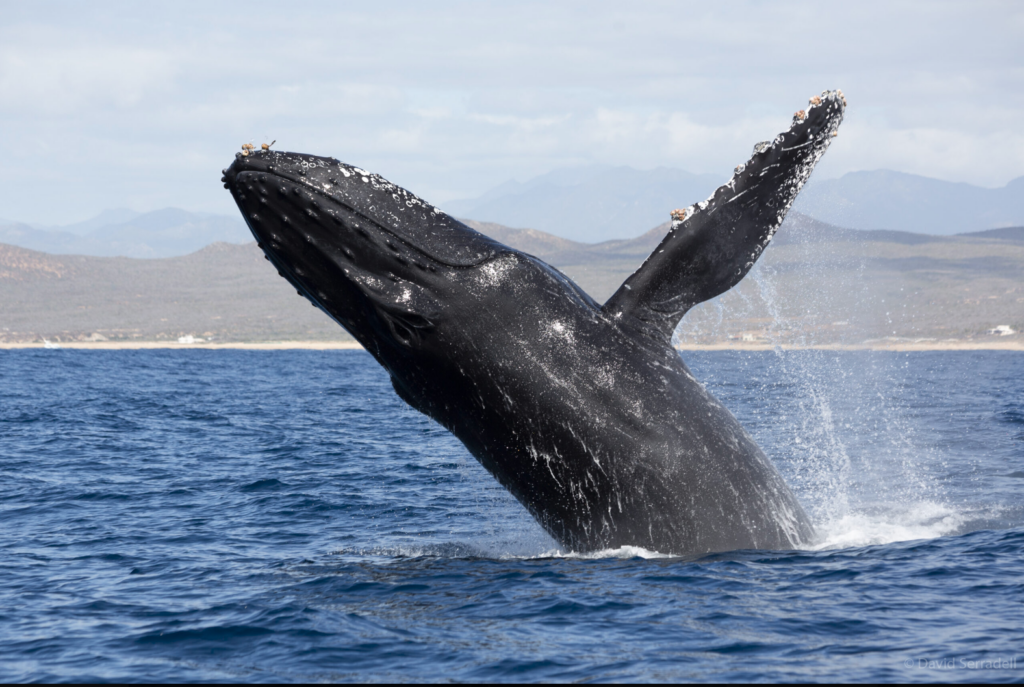
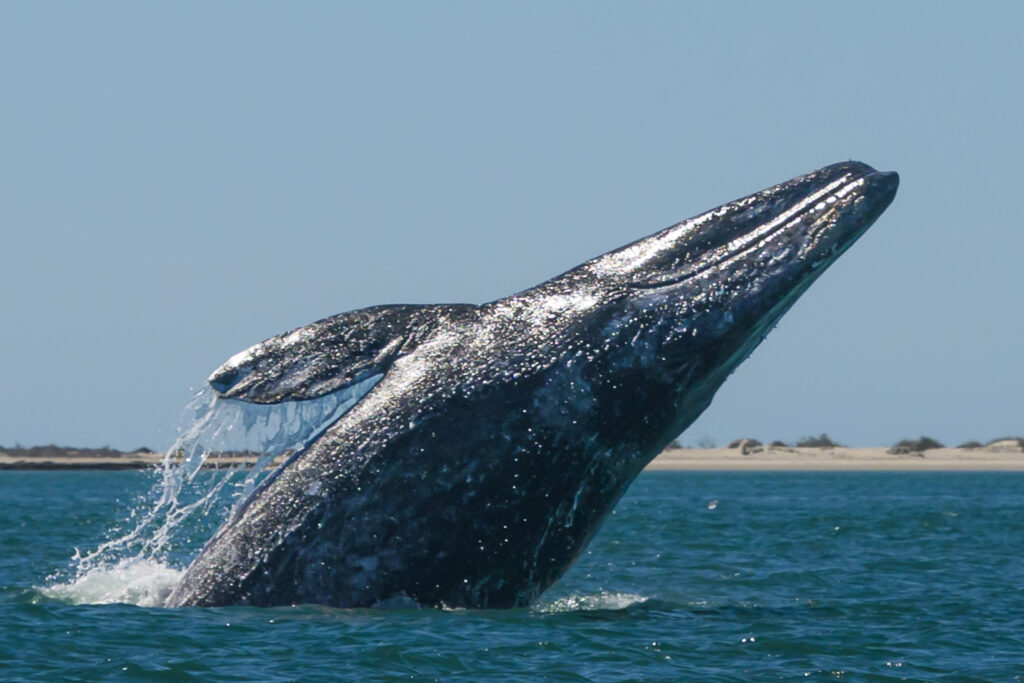
The sight of a whale breaching is one of the most breathtaking spectacles in the natural world. Imagine a creature the size of a bus propelling itself out of the water, twisting in mid-air, and crashing back into the ocean with a colossal splash. But why do whales engage in this dramatic behavior? The exact reasons that whales breach aren’t known, but let’s delve into the various theories that seek to explain why these magnificent giants of the deep take to the skies.
Communication
One of the most widely accepted theories is that breaching is a form of communication. The sound of a whale hitting the water can travel long distances underwater. Whales may use this sound to communicate with other whales, especially in the ocean’s vast and sometimes murky depths. It can signal the presence, location, and possibly even reproductive status to other nearby whales.
Social interaction
Whales are social animals, often living in pods with complex social structures. Breaching may play a role in social bonding within the pod. It’s not uncommon to see multiple whales breaching in sequence or even simultaneously, suggesting that this behavior could be a form of play or a way to establish social hierarchy.
Parasite control
Breaching might also serve a practical purpose in helping whales rid themselves of parasites. The impact of hitting the water could dislodge barnacles, lice, and other parasites that cling to the whale’s skin. This theory suggests that breaching is akin to a vigorous shake or scratch that helps the whale maintain its health and comfort.
Navigation
For whales, especially those that undertake long migrations, navigation is crucial. Breaching may help whales orient themselves and better view their surroundings. By leaping out of the water, they can see above the surface, potentially spotting landmarks or the position of the sun to aid in their long-distance travels.
Energy release
Whales have immense bodies and powerful muscles. Breaching might be a way for them to release excess energy, which could be particularly important for young whales, who are often more playful and energetic. The act of breaching allows them to burn off energy and develop the strength and coordination needed for survival.
Predatory and defensive behavior
In some cases, breaching might be a tactic to evade predators or to intimidate potential threats. A breaching whale could scare away or confuse predators like orcas by creating a massive splash and a loud noise. Additionally, a powerful breach could serve as a warning to other animals to stay away.
The beauty of the breach
Regardless of the reasons behind breaching, there’s no denying the awe it inspires in those lucky enough to witness it. Whether it’s a playful humpback off the coast of Newfoundland, a mighty blue whale in the Antarctic, or a majestic gray whale in the Pacific, each breach is a reminder of these ocean giants’ incredible power and grace.
For wildlife photographers and enthusiasts, capturing a whale breaching is a dream. It requires patience, timing, and a bit of luck, but the reward is a moment frozen in time that speaks to the wild and wondrous world beneath the waves.
At Akari Photo Tours, we celebrate these moments and strive to bring you closer to the natural wonders of our planet. Join us on our next adventure, and who knows? You might witness a spectacular breach that takes your breath away.
Here are our workshops where you might see a whale breach.
Newfoundland Photo Workshops – Canada’s easternmost province, Newfoundland, is known for rugged seascapes dotted with lighthouses, quaint fishing villages, icebergs, and abundant bird and sea life. Both landscape and wildlife photographers will find compelling subjects in Newfoundland. For wildlife photographers, Newfoundland offers some of the best sea bird photography in the world, including large colonies of Atlantic Puffins and Northern Gannets. Summers also mean that the waters surrounding the island teem with humpback, sperm, minke, pilot whales, and numerous other marine mammals.
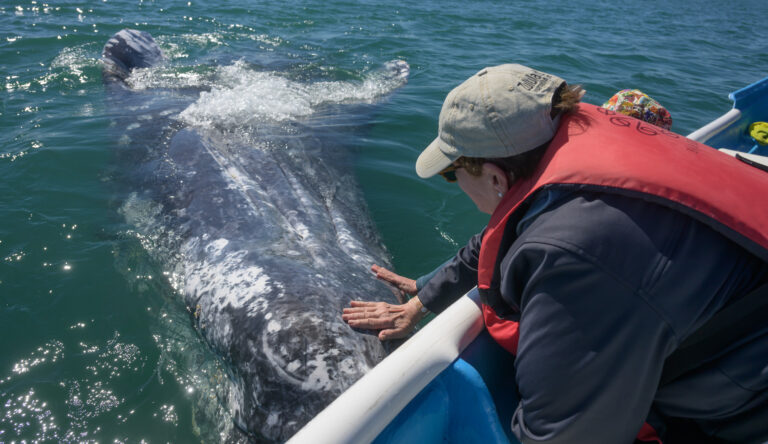
Baja Whales Photography Workshops – Mexico’s Baja California is home to one of the world’s most unique whale encounters. After summers feeding in Alaska, gray whales head to the San Ignacio Lagoon in Baja to give birth and nurse their calves. For an unknown reason, some gray whales are curious and crave human interaction. When and how they interact with us is up to them, but they frequently approach the pangas (small boats) to be caressed, stroked, and even kissed. We’ll also explore the Mechudo Corridor between La Paz and Loreto in search of blue whales and their calves, plus potential sightings of humpbacks, huge pods of dolphins, giant fin-back whales, and, if we’re lucky, orcas and sperm whales.