Scouting Zimanga: Why This South African Safari Is Built for Photographers
By Kevin Pepper |
Some places look good on paper. Zimanga looked even better in person.
Private game reserve. Purpose-built photography hides. Low-level safari vehicles. Night hides. Day hides. Excellent guiding. Strong wildlife. Comfortable lodging. Good food. These are the kinds of words that make a photographer start checking flight routes before finishing the paragraph.
But with Akari Photo Tours, “sounds good” is not enough.
Before we bring guests somewhere, we want to know how it actually works in the field. How the light behaves. How the guides operate. How the vehicles photograph. How the hides feel after hours inside. Whether the experience holds up when the marketing language disappears and you are sitting there with a camera in your hands.
That is why I went to scout Zimanga.
And after spending time in the hides, on the game drives, with the guides, and around the lodge, I can say this clearly: Zimanga is one of the most photographer-focused safari experiences I have ever had.
It may be one of the best African photo safari experiences we can offer.

The Night Hides at Zimanga
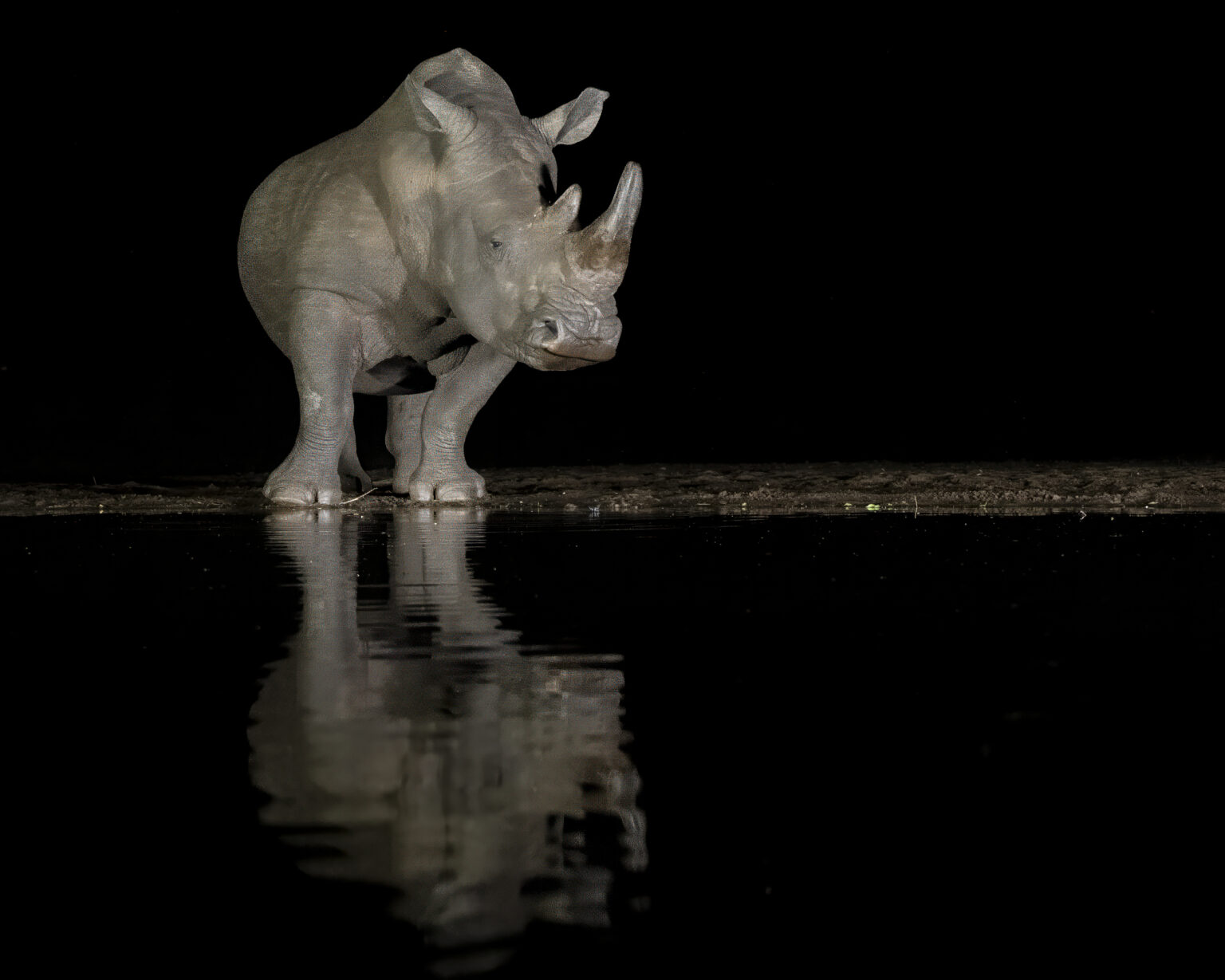
The night hides at Zimanga change the entire rhythm of safari photography.
You settle in at water level, with still reflections in front of you and clean, dark backgrounds behind the scene. The hides are not just placed near wildlife. They are designed for photographers.
That difference matters.
As the light fades, the guides help you prepare your settings. They understand the exposure, the lights, the angles, and where animals are most likely to appear. This allows you to stop scrambling and start thinking like a photographer.
Where do you leave space? Do you include the reflection? Do you shoot wide or tight? Vertical or horizontal?
Then the night takes over.
There may be long quiet stretches. Then an animal steps out of the darkness, moves into the light, lowers its head to drink, and suddenly you are photographing African wildlife from an angle most people never experience.
After two nights in the night hides, here is the wildlife I saw… 6 White Rhinos, 4 Elephants, 5 Buffalo, 2 Wildebeest, 1 Warthog. Then on the final morning, a herd of over 50 Cape Buffalo came to drink after sunrise.
The photos here… Low. Clean. Powerful. Reflective.
That is what makes Zimanga’s night hides so special.
Game Drives at Zimanga: Private, Close, and Built for Photography
Game drives at Zimanga are very different from a busy East African safari.
There is no vehicle traffic. No lineups. No jostling for position with ten other safari trucks. This is a private game reserve, and when you are out in the field, it feels personal, quiet, and controlled.
For photographers, that is a gift.
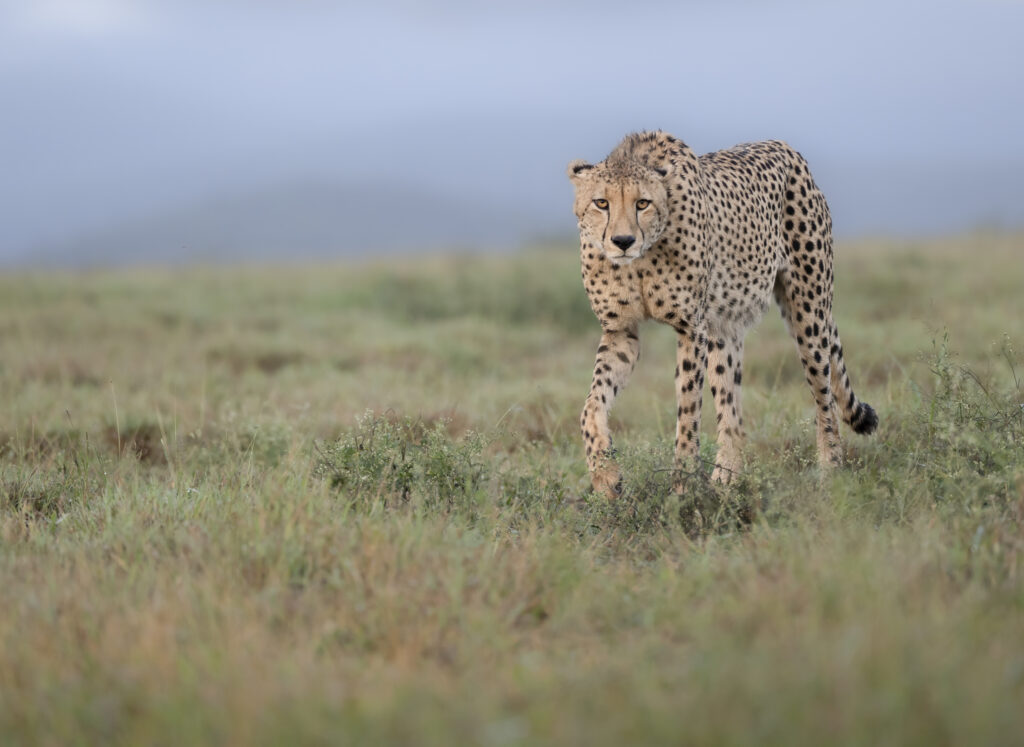
The wildlife encounters here can be incredibly close, but what impressed me most was the point of view. The safari vehicles are designed to help photographers get low, clean angles instead of always shooting down from above.
That creates images with more presence.
More intimacy.
More impact.
The guides are excellent. They know the land, the tracks, the behaviour, the light, and the backgrounds. They are not just finding animals. They are helping create photographic opportunities.
Good guiding is not just about getting close. It is about knowing when three feet closer will ruin the angle, the light, or the background.
One morning at Zimanga, we followed two female lions as they hunted.
We stayed with them for hours, watching the slow chess match unfold. They moved, paused, listened, disappeared, reappeared, tested the wind, and made a few unsuccessful attempts. It was not fast. It was not predictable. It was real wildlife behaviour, which is exactly what makes it so compelling to photograph.
At one point, the lionesses moved out of sight.
This is where great guiding becomes more than simply finding animals.
Our guide told us there were two likely places where they might appear. One option would give us a cluttered view. The other had a clean, open background and better light. He chose the second location, positioned the vehicle, explained where they would likely come through, and told us what to watch for.
Then we waited.
And as if they had been handed the script, the two lionesses appeared exactly where he hoped they would.
Clean background. Open view. Strong angle. Cameras ready.
That moment said everything about the game drive experience at Zimanga. It was not luck. It was knowledge of the land, understanding animal behaviour, and positioning photographers before the moment happened.
That is the difference between seeing wildlife and being ready to photograph it.
At Zimanga, the guiding gives you time to think, better positioning, and cleaner opportunities. That is a major reason this works so well as an African photo workshop.
The Day Hides at Zimanga
The day hides are another reason Zimanga stands out.
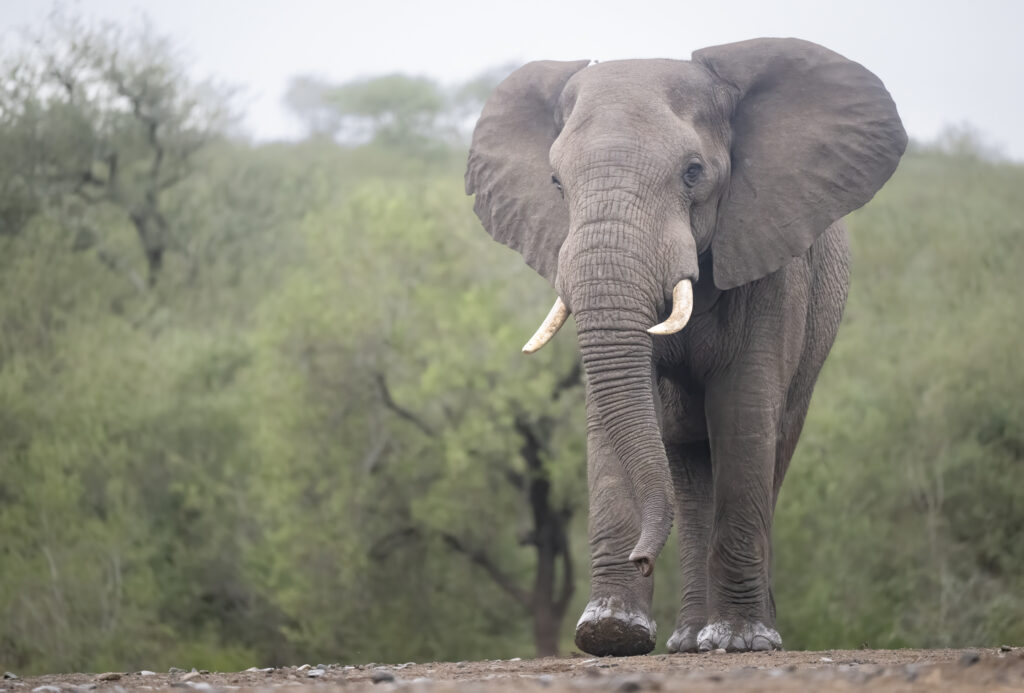
These are not basic viewing hides. They are purpose-built photographic hides designed around angle, light, background, subject distance, and quiet movement.
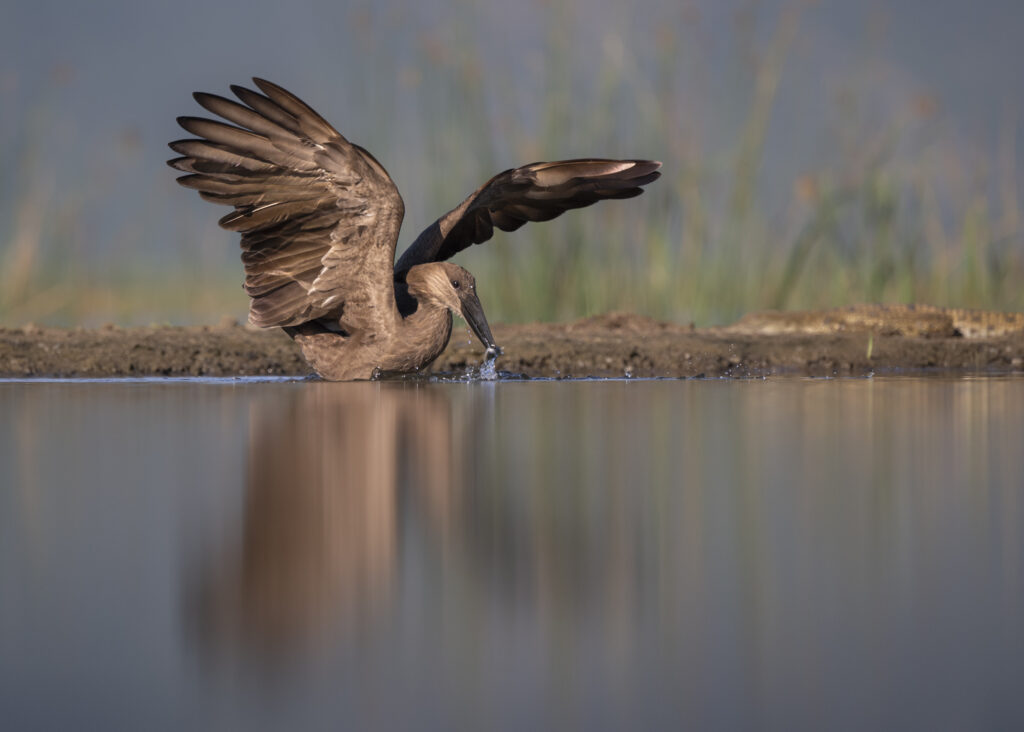
The Lagoon Hide is a perfect example. You photograph from a low, water-level perspective, which completely changes how birds and wildlife appear in the frame.
Small birds suddenly feel important.
Larger birds become elegant and graphic.
Reflections become part of the composition.
Other hides create opportunities for close bird photography, mammals coming to drink, and low-angle wildlife portraits. You are not fighting crowds, shooting over shoulders, or trying to make something work from the wrong position.
You are watching, waiting, composing, and reacting.
That is the difference between a hide that gives you sightings and a hide that gives you photographs.
My bird count at the Lagoon hide for a 3-hour stint was the following: 2 Pied Kingfishers, 1 Hamerkop, 1 Blacksmith Plover, 2 Egyptian Geese, 1 Malachite Kingfisher, 1 Giant Kingfisher, 1 Black-crowned Night Heron, 1 Common Sandpiper, numerous Little Egrets and 1 White-fronted Plover.
Why Zimanga Is Such a Strong Place to Learn
Zimanga offers something photographers rarely get on safari: repetition with variety.
That is one of the best combinations for learning.
You can work on low-angle compositions. You can study reflections. You can practice cleaner backgrounds. You can learn when to shoot wider, when to wait, and when behaviour is more important than a pretty pose.
This is where real photography growth happens.
A Zimanga photo safari is not just about coming home with a few lucky images. It is about understanding why those images worked, so you can make stronger photographs on your next safari, your next bird outing, or even in your own backyard.
The hides, vehicles, guides, wildlife, and access create the opportunity.
Our job is to help you make the most of it.
Comfort and Food
A great safari is even better when you are comfortable, well fed, and not wondering if dinner will involve mystery stew and quiet disappointment.
Zimanga does this part very well.
You can work hard in the field, spend hours in hides, head out on game drives, review images, talk through technique, and still return to comfortable lodging and excellent meals.
A serious photography safari does not need to feel punishing.
Zimanga gives you the intensity of a real African wildlife photography experience, with enough comfort to keep you rested, focused, and ready for the next session.
And yes, you eat well.
Very well.

Is Zimanga the Right Safari for You?
If you want low-level photography of African wildlife, Zimanga should be high on your list.
If you want a safari without traffic jams at sightings, this is the place.
If you want purpose-built hides, private game drives, excellent guides, strong wildlife, comfortable lodging, and real photography instruction, Zimanga delivers.
This is not a safari we added because it sounded good online. We scouted it. We photographed it. We studied the hides, the vehicles, the guiding, the lodge, and the flow of the experience.
And we came away convinced.
For photographers searching for a Zimanga photo safari, an African photo workshop, or one of the best African photo safari experiences available, this reserve deserves serious attention.
Low-level wildlife photography. Private sightings. Purpose-built hides. First-rate guides. Excellent food. Real instruction. A safari experience designed for photographers from the ground up.
If that sounds like your kind of safari, we would love to have you join us.
See our Zimanga safaris here. We have multiple safari options to choose from, each built to help you experience and photograph this remarkable reserve in the best possible way.


