Why Relationship and Connection Matter More Than Gear in Cultural Photography
By Kevin Pepper |
The best cultural photographs are not built on expensive gear alone. They are built on trust, patience, respect, and human connection — the very things that help photographers create portraits with more honesty, depth, and meaning.
Photographers love gear. We understand why. Cameras are fun. Lenses are fun. New equipment gives us the comforting feeling that our next great image may be sitting one credit card swipe away.
And yes, gear matters. Better autofocus, cleaner files, sharper lenses, and stronger low-light performance can all help. But in cultural photography, equipment is rarely the thing that makes an image memorable.
Gear can improve the file. It can help in difficult light. It can make framing easier. But it cannot build trust. It cannot help someone feel comfortable in front of your camera. It cannot create warmth, ease, or honesty in the moment.
That comes from something else. Something that took me years to learn, and once I did, my images stopped becoming holiday photos, they started tellign stories and showing a deeper connection.
So… we are here to tell you, in cultural photography, relationship matters more than gear.
That may not be as exciting as a new lens release, but it is far more useful if your goal is to create images with depth, feeling, and authenticity.
A Better Lens Cannot Fix a Weak Interaction
It is easy to think that stronger cultural portraits come down to technical choices.
What focal length should I use?
Should I shoot wide open?
Do I need more background blur?
Would this look better with more compression?
Those questions matter to a point. But they are rarely the reason a portrait succeeds or fails.
A portrait can be sharp, well-exposed, and beautifully processed, yet still feel empty. You can have flattering light, nice background blur, and strong technical quality, and still come home with an image that says very little. Usually, that is because the interaction behind it was rushed, stiff, or disconnected.
That is where gear stops helping.
A longer lens cannot create ease.
A wider aperture cannot create trust.
A more expensive camera cannot make someone feel seen.
In cultural photography, the quality of the interaction often matters more than the quality of the equipment.

Cultural Photography Starts Before the Shutter
At its best, cultural photography is not just about what a person looks like. It is about presence. It is about character. It is about a moment that feels real rather than collected.
That begins long before the shutter is pressed.
It begins with how you enter a place.
How you carry yourself.
How respectfully you engage.
How much you observe before you start taking.
Whether people feel comfortable with your presence or simply tolerate it.
This is something many photographers miss early on. They focus on the photograph, but forget that the image is often shaped by everything that happened before it.
When people feel respected, they relax differently. Their posture changes. Their expression changes. The whole energy of the image changes.
The camera records the moment. It does not create the atmosphere that made the moment possible.
Trust Changes the Photograph
When trust exists, even in a small but genuine way, the photograph usually improves.
Not because the subject suddenly performs, but because the image loses that guarded, awkward feeling that so many cultural portraits carry when they are made too quickly.
Trust does not have to mean a deep friendship. It simply means the person in front of the camera feels at ease with what is happening. The interaction feels respectful. The moment feels grounded rather than extracted.
That can come from patience, tone, local guidance, translation, familiarity, or simply the way the photographer behaves.
We have seen photographers improve their cultural portraits not by changing lenses, but by slowing down. They observe more. They rush less. They smile more. They stop treating people like subjects to collect and start treating them like people to photograph with dignity.
Funny how often that helps.
The expression softens.
The body language opens up.
The image starts to feel more human.
That is what trust does.

Local Relationships Create Better Opportunities
This is one of the biggest reasons experience matters in cultural photography workshops.
When you return to the same regions over many years, work with trusted local people, and build real relationships over time, everything changes. The atmosphere changes. The opportunities change. And the photographs change with it.
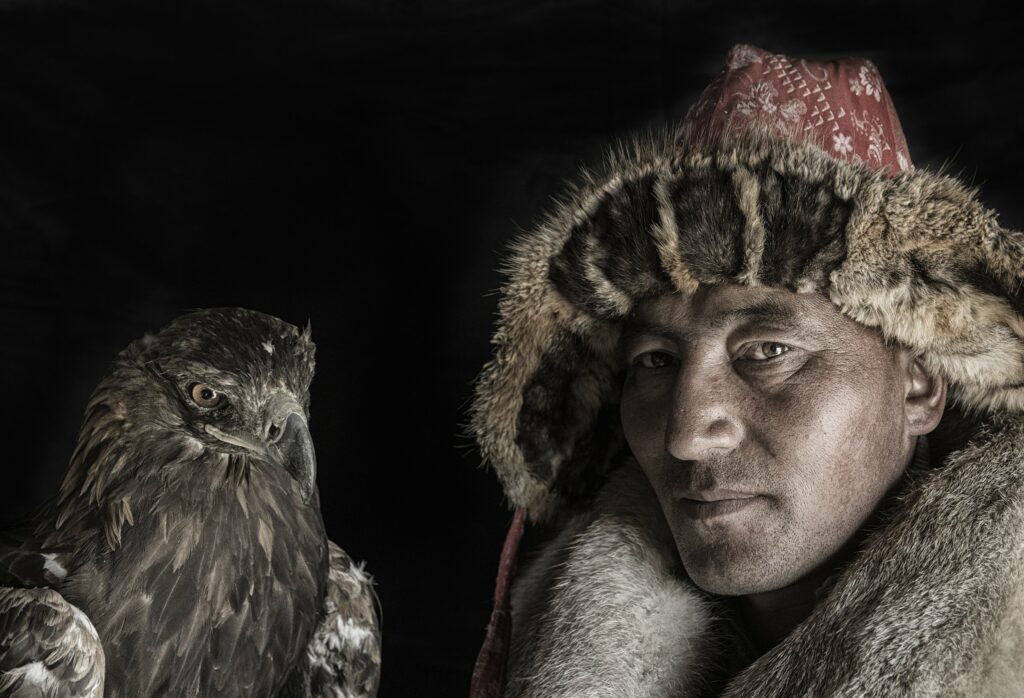
We have seen this again and again in places like Mongolia, where our work with eagle hunters and local families is built on years of connection. Often, the strength of the image is tied directly to the strength of the relationship behind the encounter.
That does not just mean access, though access matters. It means comfort. It means familiarity. It means understanding how to enter a space respectfully, when to step forward, and when to step back.
That kind of environment is not created by chance. It is built over time.
For photographers joining a workshop, that matters more than many realize. They are not arriving cold. They are stepping into a setting where care, trust, and preparation already exist.
That foundation makes learning easier and the resulting images stronger.
The Best Portrait Often Comes Later
One thing we have learned over the years is that the best portrait often does not happen in the first few seconds.
Sometimes it does. Photography still rewards readiness. But often, the strongest image comes after the formal moment softens.
After the person relaxes.
After they shift naturally.
After they laugh.
After they glance away.
After the stiffness fades and something real enters the frame.
Those moments are hard to force, and impossible to buy with gear.
They usually come from patience and comfort.
If a photographer rushes in, fires off a few frames, checks the histogram, and moves on, they may miss the better portrait that was only seconds away.
In cultural photography, some of the most meaningful images happen after the “official” moment is over.

Good Guidance Helps Photographers Learn Faster
This is one of the biggest advantages of travelling with a company that understands cultural photography properly.
On a strong workshop, photographers are not dropped into a location and told to figure it out. They are prepared. They are guided. They are helped into the experience in a way that allows them to slow down, observe, and understand what is happening around them.
That matters.
A good guide helps photographers read the room. They help them understand when to step forward and when to hold back. They help them work with the rhythm of the place rather than against it. They help them move beyond the obvious frame and find the quieter, stronger image.
Most importantly, they help photographers understand that the goal is not just to come home with a striking face in nice light. The goal is to make a photograph that feels grounded in something real.
That kind of teaching goes beyond settings. It is about judgment, awareness, and respect. Those lessons stay with photographers long after the trip is over.
What Matters More Than Gear in the Field
Gear still has its place. A good lens is useful. A reliable camera is useful. Technical confidence is useful. Nobody wants to miss focus and pretend the emotional connection makes up for it.
But in cultural photography, other things matter more.
Patience matters more.
Observation matters more.
Respect matters more.
Body language matters more.
Timing matters more.
Local guidance matters more.
Trust matters more.
These are the things that shape the image in ways gear cannot.
A photographer who is calm, observant, respectful, and well-guided will often make stronger cultural photographs with modest equipment than someone carrying a premium kit and no real sense of how to engage with people.
That may sting a little for the lens collectors, but it is true.
Where Better Cultural Photography Begins
A lot of photographers assume improvement comes mostly from mastering technique. And yes, technical growth matters. But in cultural photography, one of the biggest steps forward comes when photographers realize they are not just photographing appearance.
They are photographing atmosphere.
They are photographing presence.
They are photographing a moment shaped by human connection.
Once that clicks, the work changes.
Photographers become less rushed. More thoughtful. Less focused on obvious visual elements. More aware of energy, gesture, setting, and trust.
And the photographs carry more weight because of it.
That is one of the reasons we care so much about how cultural experiences are approached on Akari Photo Tours workshops. Cultural photography deserves more than speed and excitement. It deserves care. It deserves understanding. And it deserves to be taught in a way that helps photographers create stronger images without losing sight of the people in front of them.
Final Thoughts
In cultural photography, good gear can help. It can give you sharper files, cleaner backgrounds, and more flexibility. But it cannot replace the things that matter most.
It cannot build trust.
It cannot create comfort.
It cannot teach patience.
And it cannot stand in for relationships built over time.
That is why the relationship matters more than the gear.
When photographers understand that, their images begin to change. They become more grounded, more respectful, more expressive, and more memorable.
Because the strongest cultural photographs are rarely just about what someone looked like.
They are about how the moment felt.
And that kind of image begins long before the shutter is pressed.
Travel With Us and Learn to Photograph People With More Depth
At Akari Photo Tours, we believe cultural photography should be approached with patience, respect, preparation, and care. We do far more than bring photographers to visually interesting places. We help them slow down, understand the setting, work within trusted local relationships, and create images that feel grounded in real experience.
If you want to grow as a cultural photographer and learn how to make more thoughtful, respectful, and emotionally honest images, join us on one of our cultural photography workshops. We would love to help you create photographs that are about more than appearance — photographs that actually mean something.