A Kenya Photography Safari Built Around the Photograph: Elephants, Black Leopards and Exclusive Hides
By Kevin Pepper |
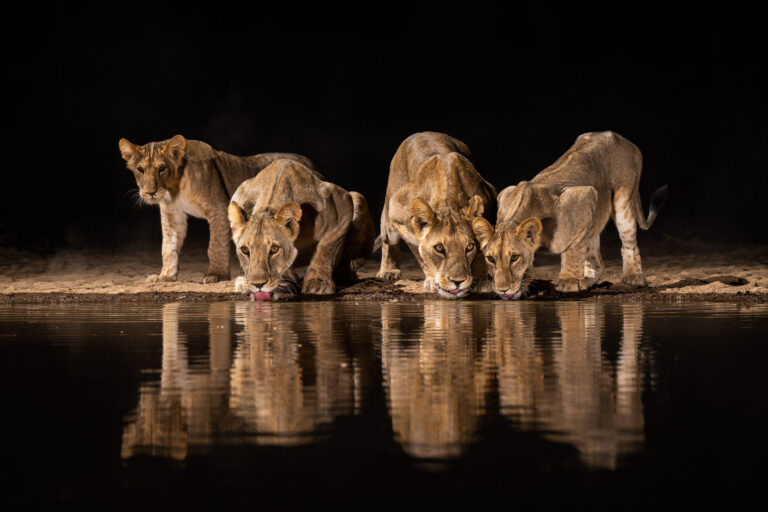
An elephant calf tucked between the adults. A black leopard stepping out of the bush. A lion lowering its head to drink as its reflection appears in the water. These are the moments we hope for in Africa—and the reason the details of a photography safari matter.
For our Kenya safari, we have put those details at the centre of the planning. Private charter flights connect three very different wildlife locations. Specially designed photography vehicles support our time in the field. Every hide session at Shompole is reserved exclusively for our group. And Kevin Pepper and Piper McKay will be there to help you turn the opportunities in front of you into stronger photographs.
From February 20 to March 2, 2029, just eight guests will join us in Amboseli, Laikipia and Shompole. Each destination offers a different way to photograph wildlife, with time to settle in and develop your approach.
We have upgraded the travel arrangements to include four private charter flights: Nairobi to Amboseli, Amboseli to Laikipia, Laikipia to Shompole, and Shompole back to Nairobi. These flights reduce the long road transfers that would otherwise connect our safari stops.
That matters when you have travelled halfway around the world to photograph wildlife. Our itinerary includes a morning game drive before leaving Amboseli, followed by a flight north and an afternoon outing in Laikipia. When we move to Shompole, we again plan to photograph in the morning before flying onward for our first hide session that afternoon. The travel has been arranged to keep photography part of those days.
There is also something memorable about watching Kenya unfold beneath a small aircraft before landing near your next camp. It makes the journey part of the experience. Short road transfers still connect the airstrips and accommodation, but we spend less of the safari covering long distances by road.
We have also included extra weight allowance on the internal flights. Photographers tend to pack a little differently from everyone else. Apparently, a long lens does not count as travelling light. The additional allowance helps accommodate the equipment this trip calls for, with specific packing limits provided before departure.
Once we reach the wildlife, the vehicle becomes part of your photographic setup. We are using specially designed photography vehicles, with private vehicles dedicated to our black leopard excursions in Laikipia.
From a vehicle, your shooting angle, camera support and ability to follow a moving subject all affect the result. Kevin and Piper will help you work with those considerations, alongside our local guides’ knowledge of the animals and terrain. Sometimes the most useful advice is a settings adjustment. Sometimes it is noticing the distracting branch behind an animal before you take another fifty photographs of it.
Kevin Pepper and Piper McKay bring decades of combined experience guiding safaris in Africa. That experience matters when conditions change quickly and you need to make decisions while the encounter is unfolding.

Their teaching will cover exposure, autofocus, light, composition and animal behaviour, with practical help throughout the safari. You might work on choosing a shutter speed for walking elephants, holding detail in a dark subject, simplifying a busy background, or balancing movement and image quality at an illuminated waterhole.
With eight guests and two photography leaders, there is room for individual attention. A personal pre-trip consultation helps you prepare, while image reviews during the safari give you the chance to see what is working and apply what you learn on the next outing.
Amboseli is where our photographic journey begins. Its elephants offer much more than a recognisable safari subject. Watching a herd gives you opportunities to photograph relationships: a calf staying close to its mother, adults moving together, or trunks reaching across one another.
The open landscape also invites you to pull back. An elephant portrait tells one story; a herd moving through the wider landscape tells another. When the clouds clear, Mount Kilimanjaro adds a sense of place that makes Amboseli immediately recognisable. We will work with what the conditions offer, from details and family interactions to wider compositions with the mountain.
Our two nights here establish an important theme for the trip: look beyond the animal itself and consider how light, surroundings and behaviour contribute to the photograph.

Laikipia changes both the scenery and the challenge. We spend three nights at Laikipia Wilderness, with dedicated outings in search of a black leopard.
The possibility of photographing one of these cats is a compelling reason to travel here. It is also a subject that rewards preparation. Dark fur, changing light and vegetation can make exposure and autofocus more demanding. Having experienced guidance beside you helps you respond thoughtfully when an opportunity appears.
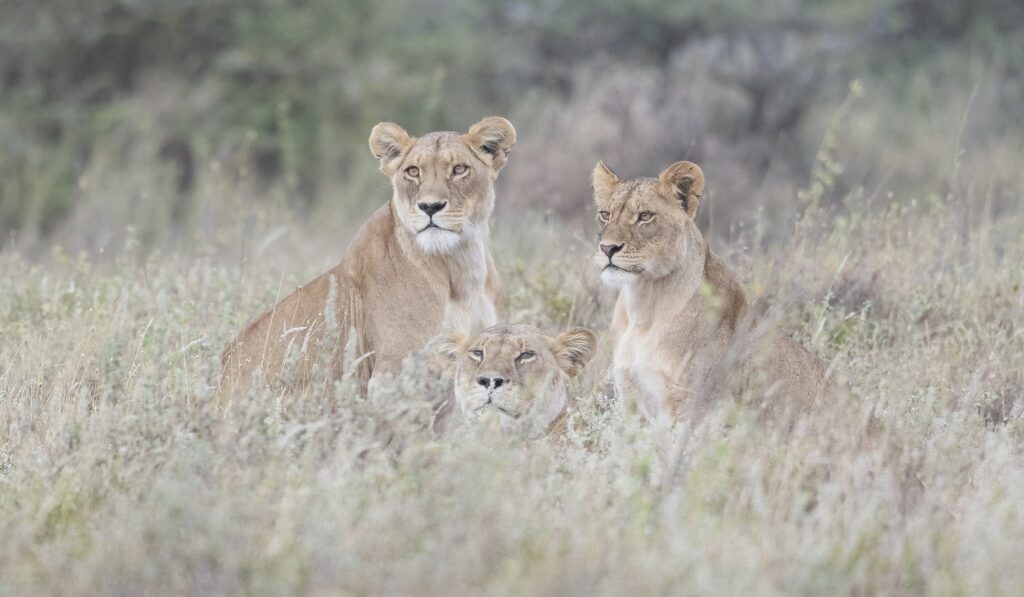
Three nights give us repeated chances to search with local guides and follow recent wildlife activity. A sighting can never be promised, but we have allowed time for the search. Along the way, we will also watch for reticulated giraffes, Grevy’s zebras and the possibility of African wild dogs.
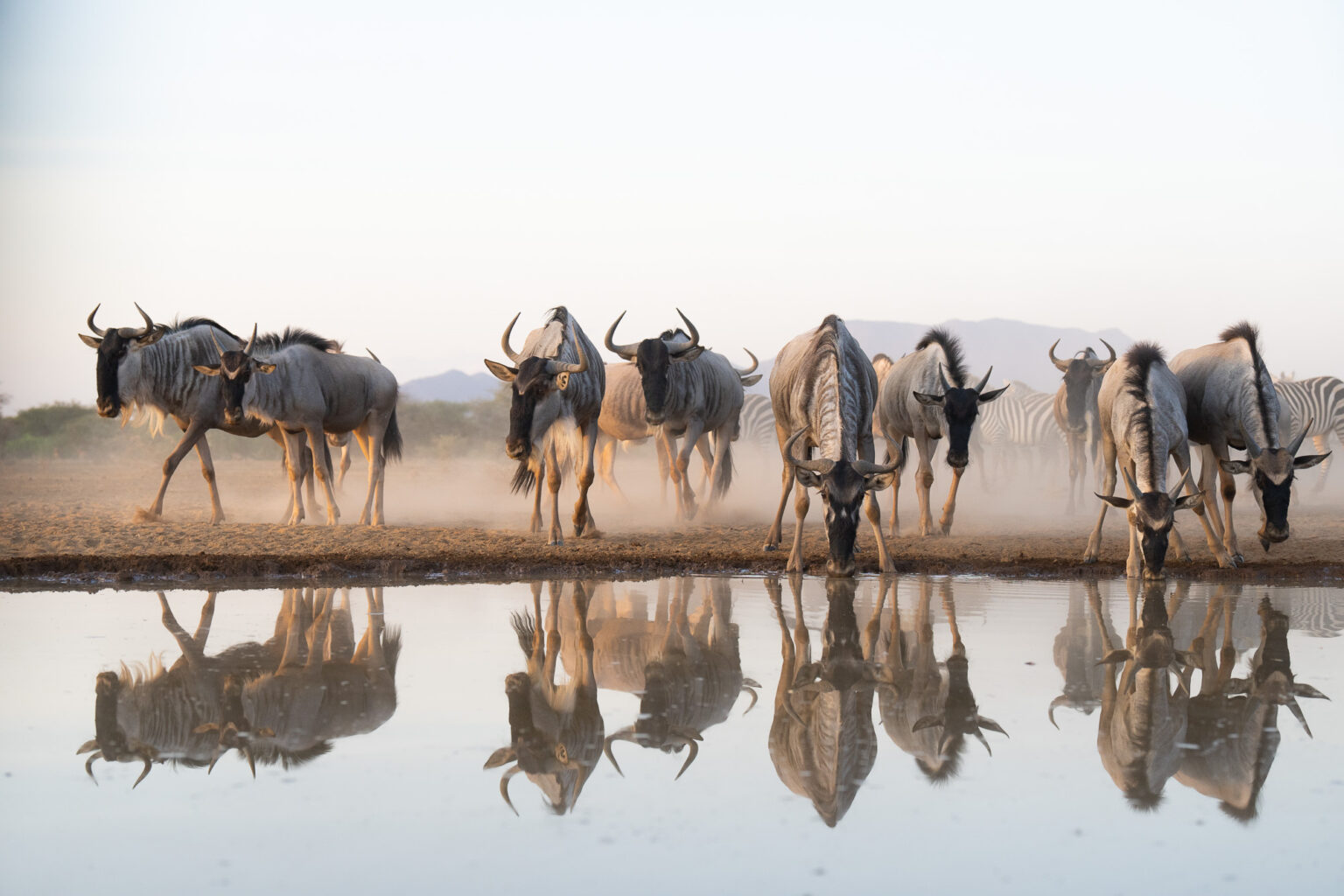
Our final four nights at Shompole Wilderness introduce another perspective entirely. From ground-level hides, we wait for wildlife to approach the water. The low viewpoint can bring you into an animal’s world, with opportunities to use reflections, eye contact and cleaner backgrounds.
After dark, illuminated waterholes change the mood again. You begin thinking differently about exposure, movement and the relationship between the animal and the darkness around it. There is also the simple anticipation of sitting quietly, listening, and waiting to see what arrives.

Every Shompole hide session is exclusively for our group. That means the photographers sharing the space are travelling and learning together, with teaching focused on our guests. Across four nights, you have time to become familiar with the setup, review your results and return with new ideas.
The appeal of this safari is how these experiences work together. Amboseli offers elephants and space to compose. Laikipia offers a dedicated search for a rarely seen cat and a different range of wildlife. Shompole offers low viewpoints, reflections and photography after dark. The flights, vehicles and instruction support each part of that journey.
If you want a Kenya safari that gives you time to work on your photography, with experienced leaders beside you and three distinct settings to explore, we would love to have you join us.
Join Kevin Pepper and Piper McKay, February 20–March 2, 2029. Group size: eight guests.
Explore the Kenya Elephants, Black Leopards & Shompole Photography Workshop