
Documenting vanishing cultures: A photographic responsibility
By Kevin Pepper |
As a professional travel photographer, I have witnessed that many unique cultures are at risk of vanishing in an ever-globalizing world. When the opportunity does present itself, we have a unique opportunity—and responsibility—to document and preserve these cultures through our lenses. However, we must approach this task with sensitivity, respect, and ethical storytelling to ensure we honor the people and traditions we capture. This guide will explore how to document endangered cultures responsibly, the importance of cultural sensitivity, and the techniques to use indoors and outdoors.
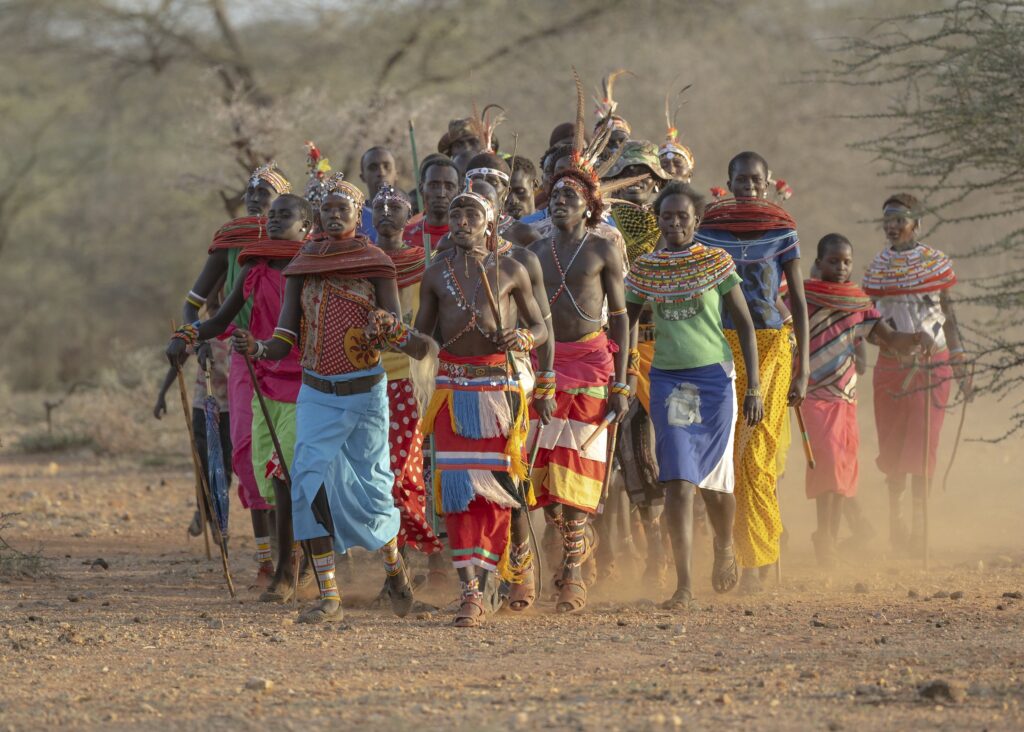
How to respectfully document and preserve endangered cultures
- Do your research:
- Learn about the culture: Before you arrive, immerse yourself in the community’s history, customs, and traditions. Understanding the context will help you capture more meaningful and respectful images.
- Understand local sensitivities: Be aware of any cultural taboos or practices that should be respected, such as not photographing certain ceremonies or sacred sites.
Look at the level of research I conducted to learn about the Mongolian Eagle Hunters to create a better understanding of their culture and history.
- Seek permission:
- Ask for consent: Always seek permission before photographing individuals or private events. This shows respect and helps build trust with your subjects.
- Respect denials: If someone declines to be photographed, respect their wishes and find other ways to tell the story.

Ethical storytelling and the importance of cultural sensitivity
- Avoid stereotypes:
- Portray authenticity: Strive to capture the true essence of the culture without resorting to clichés or stereotypes. Show the diversity and complexity of the community.
- Balanced representation: Ensure your photos reflect a balanced view of the culture, highlighting its challenges and strengths.
- Provide context:
- Add captions: Provide detailed captions that offer context to your images. Explain the significance of what is depicted and the stories behind the people and places.
- Tell stories: Use your photographs to tell a coherent story that educates and informs viewers about the culture’s unique aspects and current challenges.

Photography techniques for indoor and outdoor portraits
Indoor Portraits
- Natural window light
- Position your subject near a window with diffused light for soft, flattering illumination.
- Use reflectors to bounce light and reduce shadows.
- Controlled lighting:
- Use a combination of key lights, fill lights, and backlights to create a well-lit environment.
- Experiment with lighting setups like Rembrandt lighting for dramatic effects.
Outdoor Portraits
- Golden hour
- Shoot during the golden hour (just after sunrise or before sunset) for warm, soft light.
- Position the sun behind your subject to create a natural rim light and use a reflector to bounce light onto their face.
- Open shade
- Find evenly lit shaded areas to avoid harsh shadows and highlights.
- Use fill flash or reflectors to add light to the subject’s face if needed.

Ethical considerations and building trust with your subjects
- Engage with your subjects
- Build relationships: Spend time getting to know the people you are photographing. Engage in conversations, show genuine interest, and build a rapport.
- Gain trust: Trust is essential for capturing authentic and relaxed portraits. Be transparent about your intentions and how the photos will be used.
- Respect privacy and dignity
- Avoid exploitation: Do not exploit people’s conditions or circumstances for dramatic effect. Ensure your images uphold the dignity of your subjects.
- Share copies: Offer to share copies of the photos with your subjects as a gesture of goodwill.

Techniques for connecting with and photographing locals
- Learn basic phrases
- Learning a few basic phrases in the local language can go a long way in breaking the ice and showing respect.
- Participate in daily activities
- Engage in everyday activities and cultural practices. This will not only provide more photo opportunities but also help you connect on a personal level.
- Be patient and observant
- Take your time to observe and understand the environment. Patience often leads to more natural and spontaneous moments.
- Show Respect
- Dress appropriately, follow local customs, and be mindful of your behavior. Respect is critical to building trust and rapport.
Conclusion
Documenting vanishing cultures is a profound responsibility that requires sensitivity, respect, and ethical storytelling. By doing thorough research, seeking permission, and engaging respectfully with your subjects, you can capture meaningful images that honor and preserve these cultures. Remember always to prioritize the dignity and privacy of the people you photograph, and use your work to educate and inform others about the rich diversity of our world. Happy photographing!
If you want to research where to go or even consider joining me on some of my cultural experiences, please check out the tours I lead.


