Photographing the Great Wall of China: History, Light, and a Journey Beyond the Wall
By Kevin Pepper |
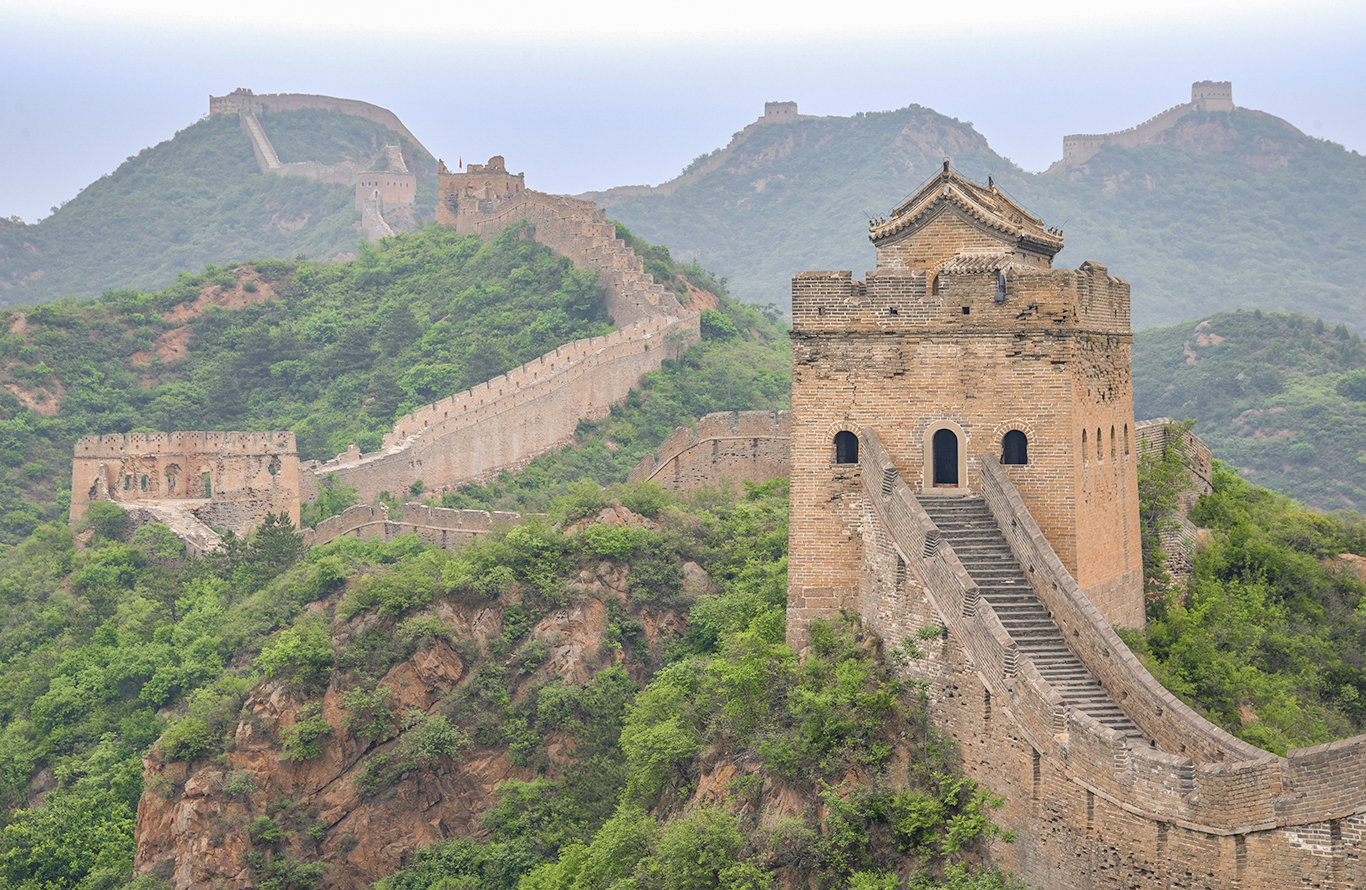
Picture yourself standing on the Great Wall as the first light reaches the surrounding mountains. A watchtower catches the sun. The valleys below remain in shadow. Ahead of you, the wall follows the ridgeline, disappearing and reappearing as it stretches into the distance.
You raise your camera, then lower it for a moment. Some places deserve a little time before you start taking photographs.
The Great Wall is one of the experiences we’re building our new China photography workshop around. Planned for May 7–22, 2028, this 16-day journey brings together mountain landscapes, coastal scenes, traditional villages, arranged portrait sessions, and places that carry centuries of Chinese history.
For me, the appeal is the opportunity to help you photograph these places with intention—to come home with images that communicate what caught your attention and how it felt to be there.
The Great Wall gives us plenty to work with.
Its history stretches across successive dynasties. Around 220 BC, Emperor Qin Shi Huang joined earlier fortifications into a connected defensive system. Construction and rebuilding continued for centuries, including extensive work during the Ming dynasty, which ruled from 1368 to 1644. What we call the Great Wall is a vast network of walls, towers, fortresses, and mountain passes, shaped by different periods of Chinese history.
Think about the people behind that construction. The labour required to move materials across these slopes. The soldiers stationed in the towers. The generations who looked across the same mountain ridges we now hope to photograph.
That history adds something to an image, even when nobody appears in the frame.
Our itinerary takes us to Jinshanling, a section of the Great Wall in Hebei Province with surviving construction dating to the 16th century. Here, the wall and its watchtowers follow the mountain contours, giving us opportunities to explore the relationship between the structure and the landscape.

We plan to stay nearby and photograph the wall at sunset, then return for sunrise the following morning. Having two sessions gives us different directions of light and a chance to build on what we noticed the evening before.
The weather will have its say, of course. It usually does when photographers set an alarm.
Clear conditions might give us light catching the edges of the towers and shadows defining the hills. Haze may soften the distant ridges into layers. An overcast sky can encourage us to look more closely at the stonework, shapes, and details.
Our job is to recognize what the conditions offer.
One of the lessons I want to explore here is how to guide someone’s eye through a photograph. The wall provides a natural line, but where you place it in the frame matters. A small change in position can separate a tower from the ridge behind it or give the viewer a clearer route into the scene.
We’ll also work on choosing how much to include. A wide-angle composition can connect nearby stonework with the mountains beyond. A longer lens lets you isolate distant towers and repeating ridgelines. Both approaches tell a story; the choice depends on what you want the photograph to say.
And sometimes, the best decision is to stop moving and watch the light.
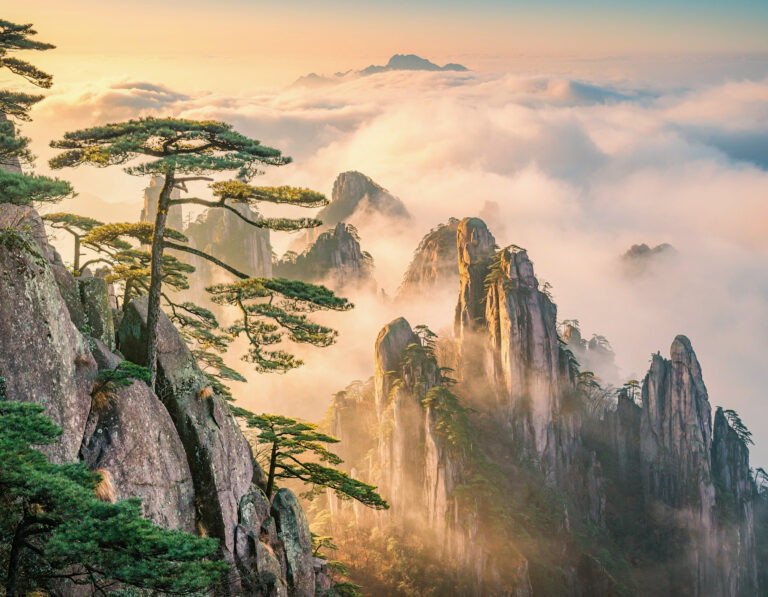
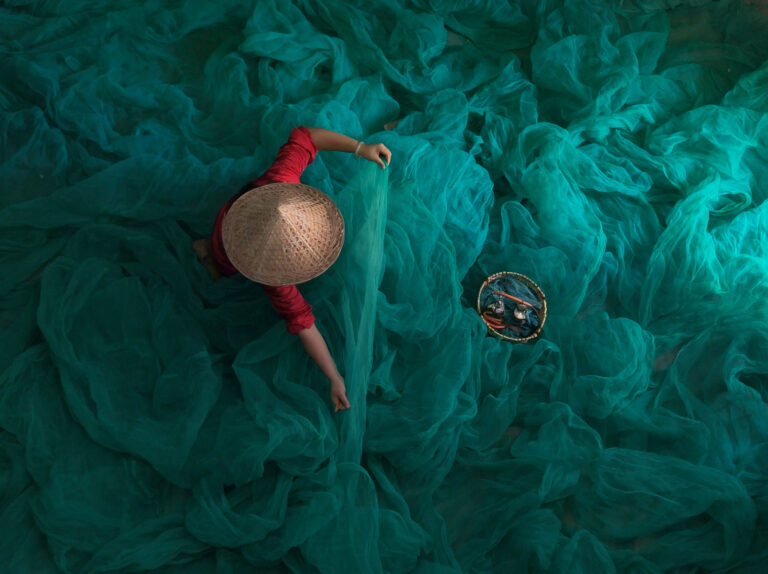
Those ideas carry through the rest of our China workshop. In Huangshan, the Yellow Mountains, we’ll photograph granite peaks and pines, staying on the mountain for access to early and late light. In Hongcun, we’ll explore traditional architecture and reflections. Along the coast at Xiapu, we’ll look for patterns, working scenes, and compositions shaped by the tides, with arranged subjects at selected locations.
Around Yangshuo, our attention turns to limestone peaks, river landscapes, and an arranged portrait session with a fisherman, cormorants, a lantern, and a bamboo raft. The journey also includes Shanghai’s waterfront, the Terracotta Warriors in Xi’an, and Beijing’s historic sites.
Each location asks you to see a little differently. Together, they offer an opportunity to develop a more varied and thoughtful collection of photographs.
I want you to return with images you’re proud of, a better understanding of your own photography, and memories that come back every time you open those files.
And somewhere in that collection, perhaps there will be a photograph of the Great Wall catching the first light of the day—and the memory of taking a moment to enjoy it before pressing the shutter.
Interested in joining our May 2028 China photography workshop? Read More here