China Landscapes and Traditions Photo Workshop
- 16 Days
From $9,495 - Interests
- Culture & People, Landscape
- Activity Level
- Moderate
- Group Size
- 6–8
Photograph China’s Mountain Landscapes, People, Ancient Traditions, and The Great Wall
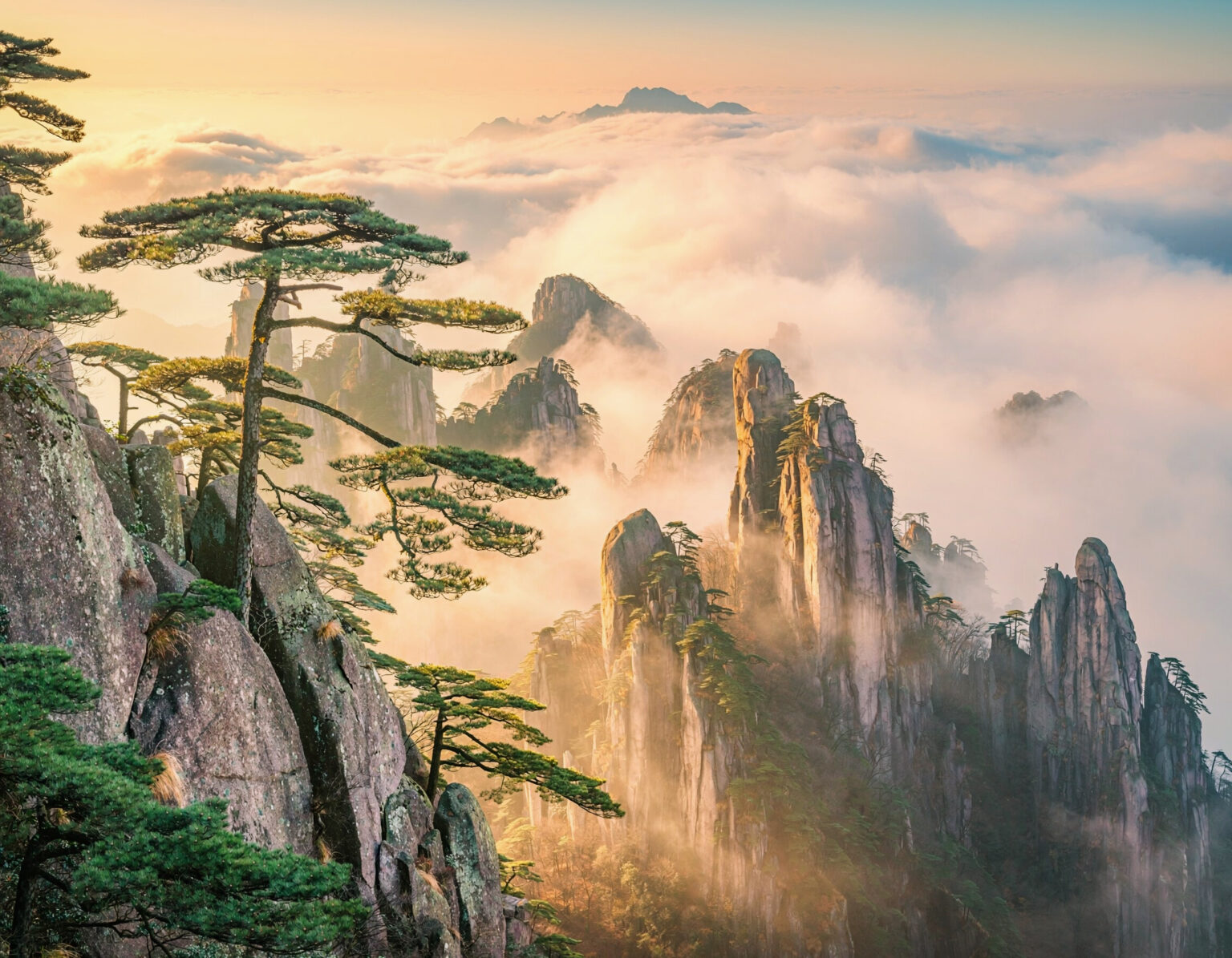
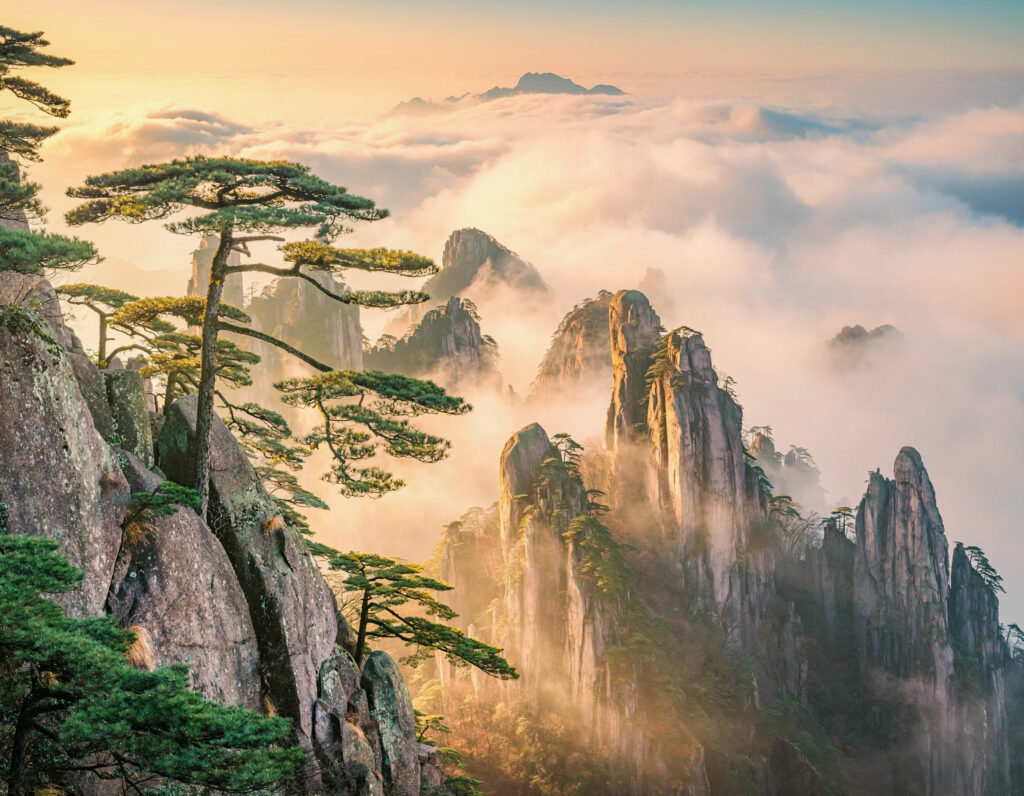
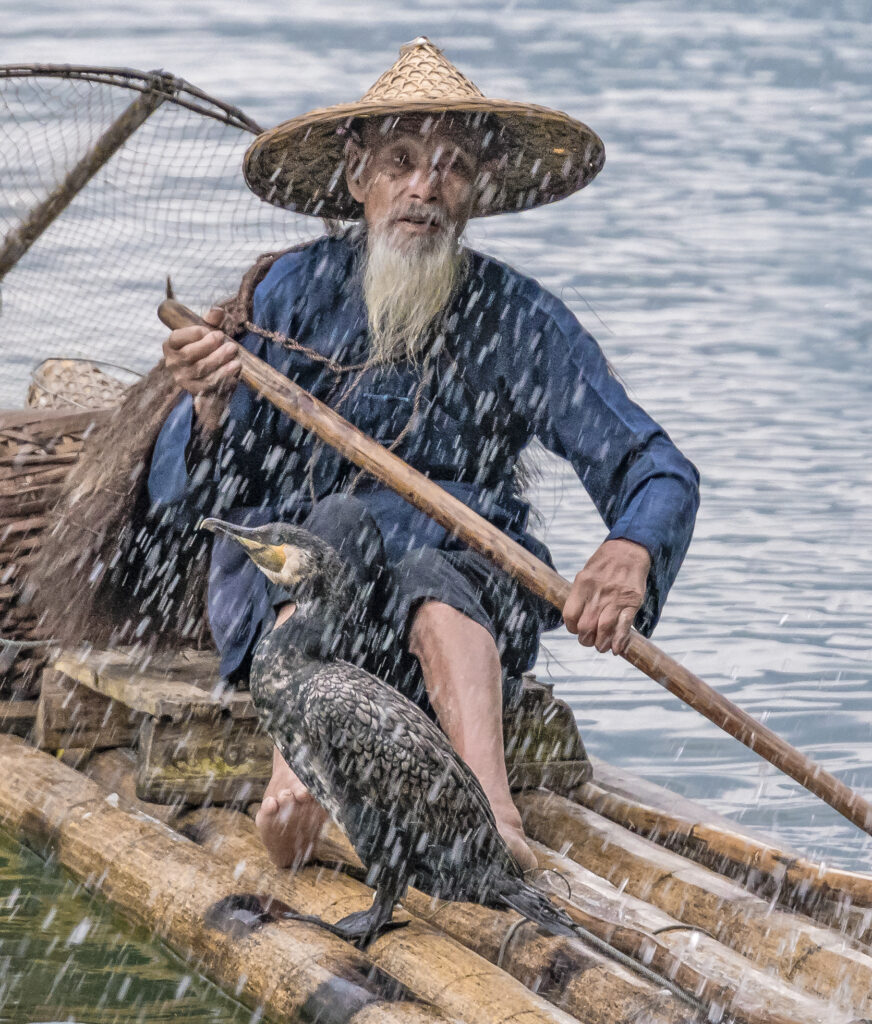
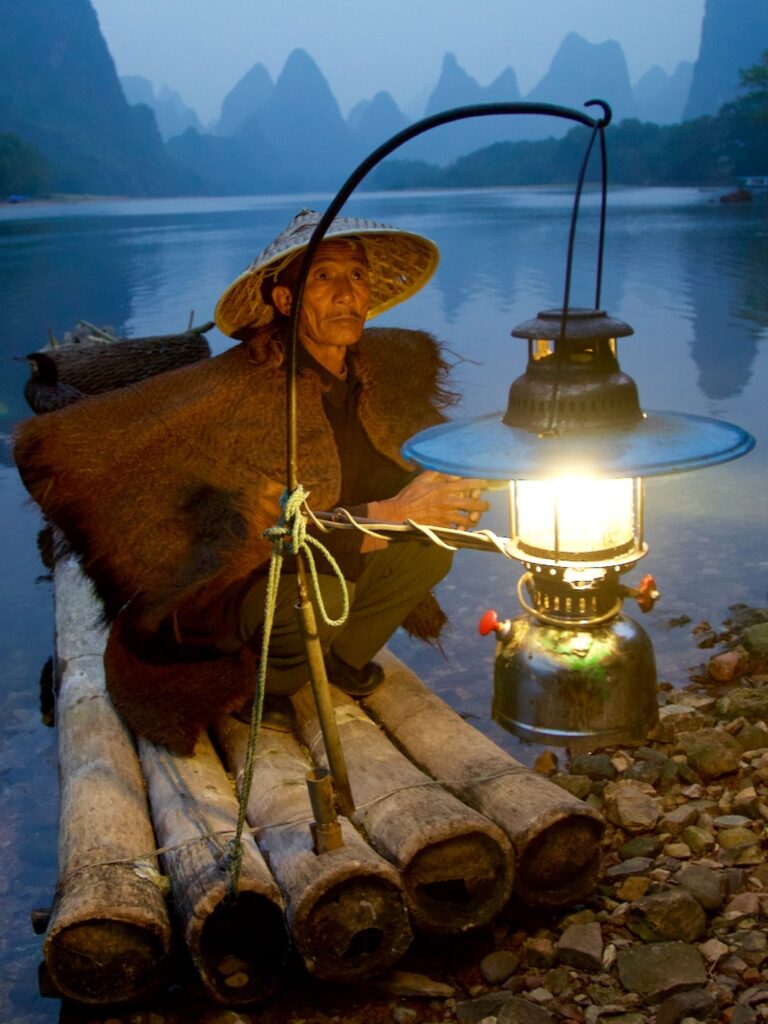
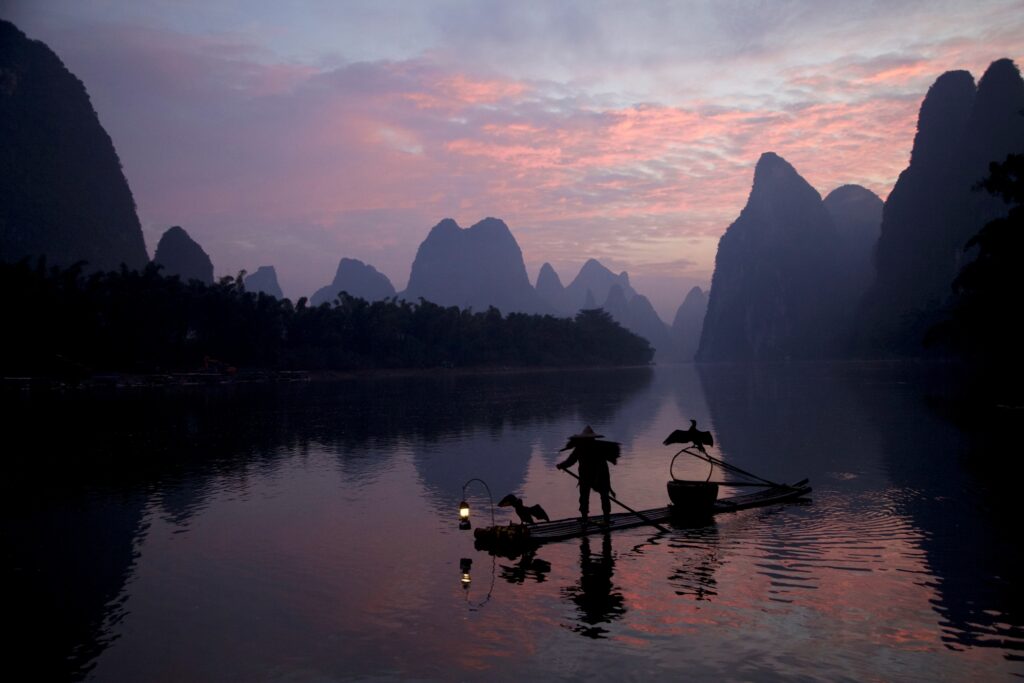
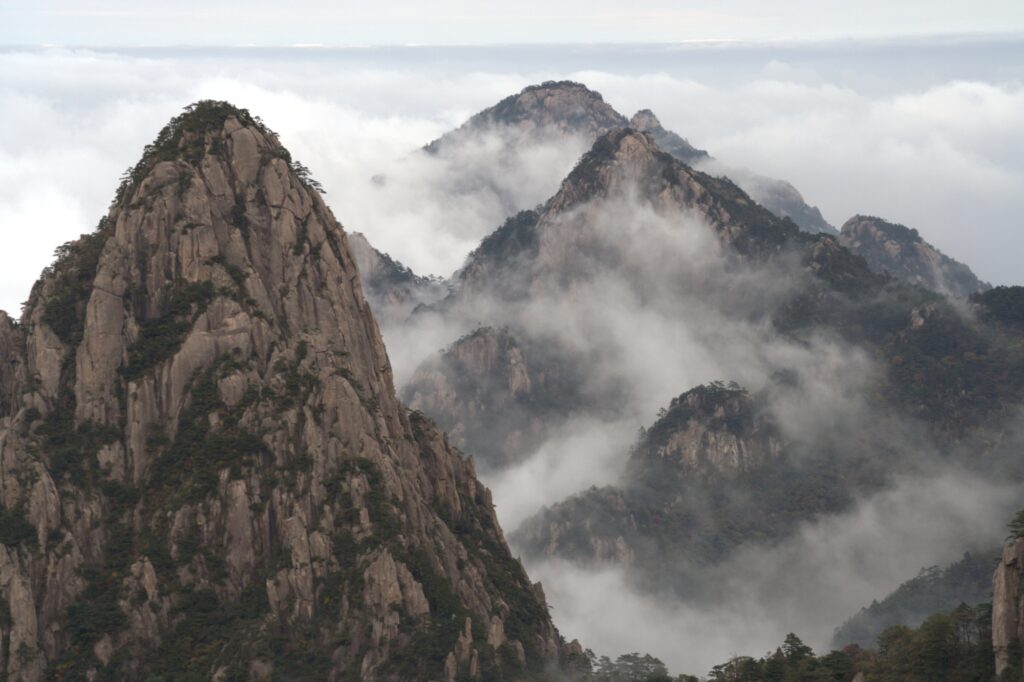
Join Kevin Pepper as he returns to photograph Cormorant fishermen’s lanterns reflected on the Li River. Pine trees clinging to the granite peaks of Huangshan. A remote section of the Great Wall winding across mountain ridges as the last light reaches its watchtowers. These are scenes many of us have imagined photographing for years.
This China photography workshop brings them together in a journey through mountain landscapes, traditional villages, coastal communities, and historic cities. We begin at “The Bund” along Shanghai’s waterfront before travelling to Hongcun and the heights of Huangshan. From there, we explore the changing patterns of Xiapu’s tidal flats and the limestone mountains surrounding Yangshuo, before continuing to Xi’an and Beijing.
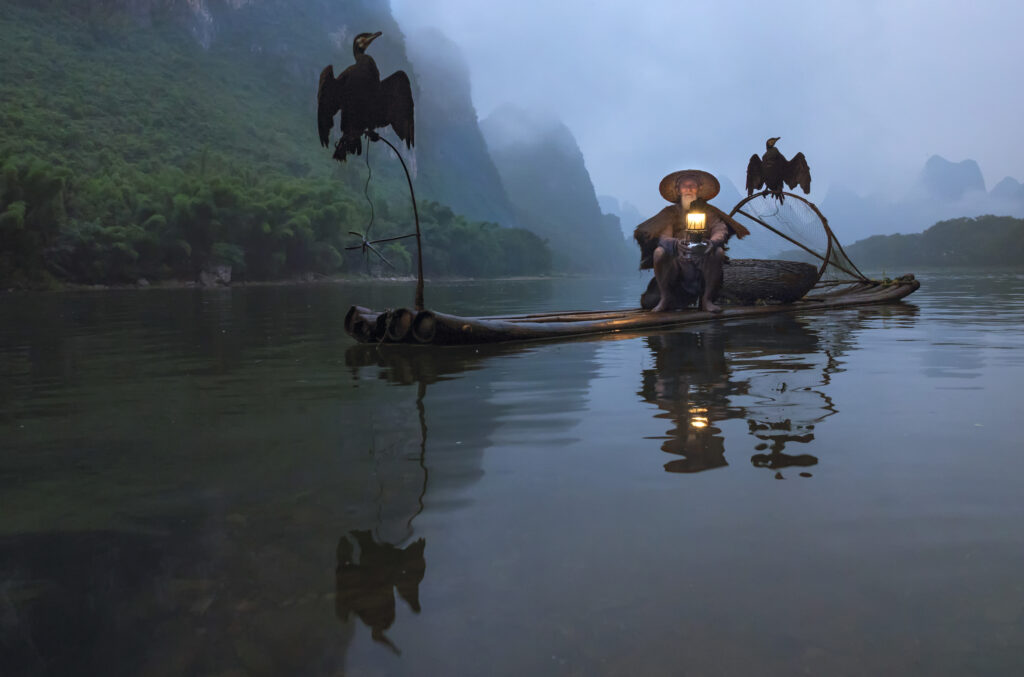
Several of our locations receive more than a brief visit. Two nights on Huangshan give us repeated opportunities to work with mountain light and changing weather. Three nights in Xiapu allow us to explore different coastal scenes as the tides shift. Around Yangshuo, we photograph from elevated viewpoints and along the rivers, including a private arranged session with a fisherman, cormorants, and a lantern-lit bamboo raft.
Throughout the workshop, we help you make deliberate decisions about light, composition, exposure, and the story you want to tell. Sometimes that means stepping back to show the scale of a landscape. Sometimes it means reaching for a longer lens and finding one simple photograph within a complicated scene.
Join us to photograph the China you have imagined—and discover the photographs you did not know were waiting.
Highlights
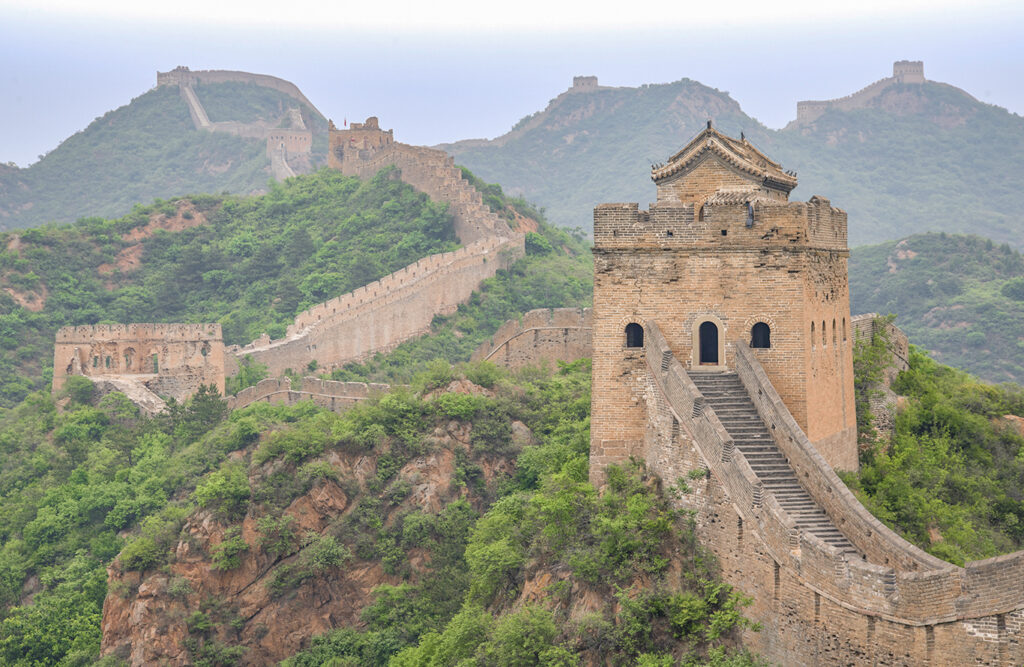
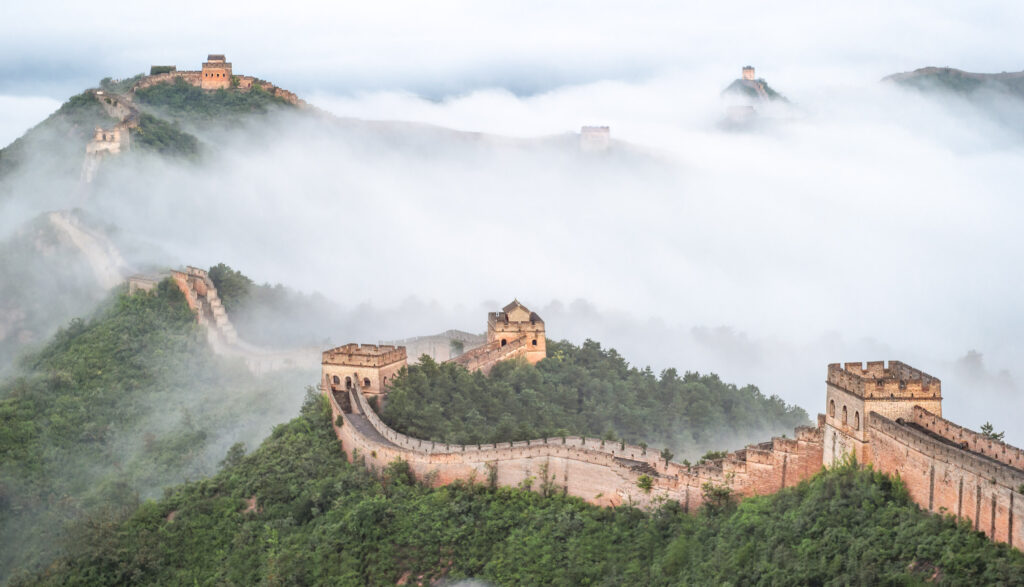
- Sunrise and sunset on the Great Wall: Photograph the Great Wall at sunrise and sunset along a remote, quieter and unrestored stretch at Jinshanling. From one watchtower, you can frame several others as the wall winds from ridge to ridge, and the low light brings out the texture of the old brickwork.
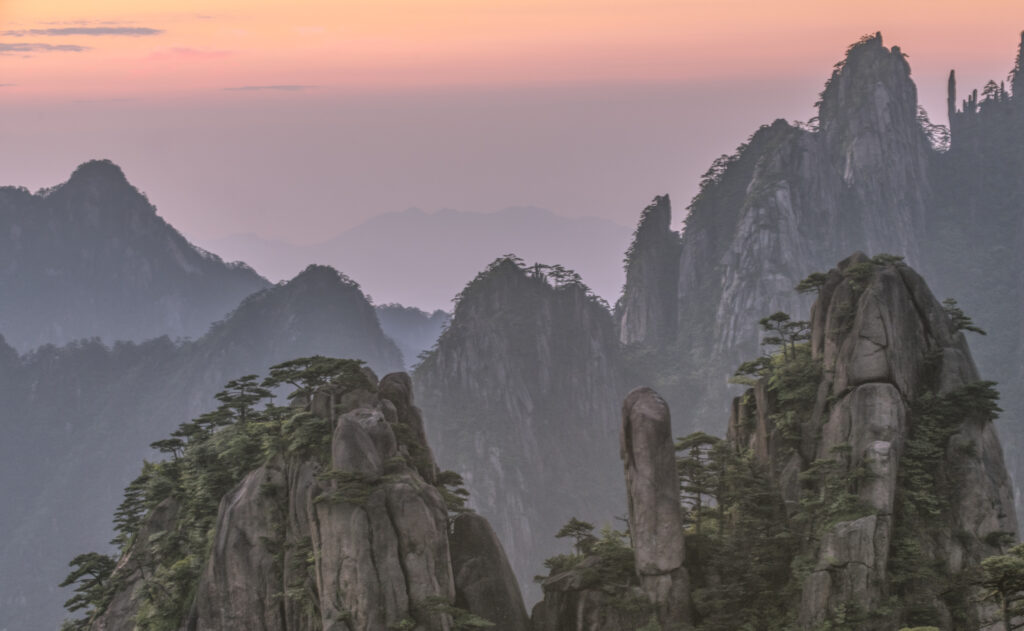
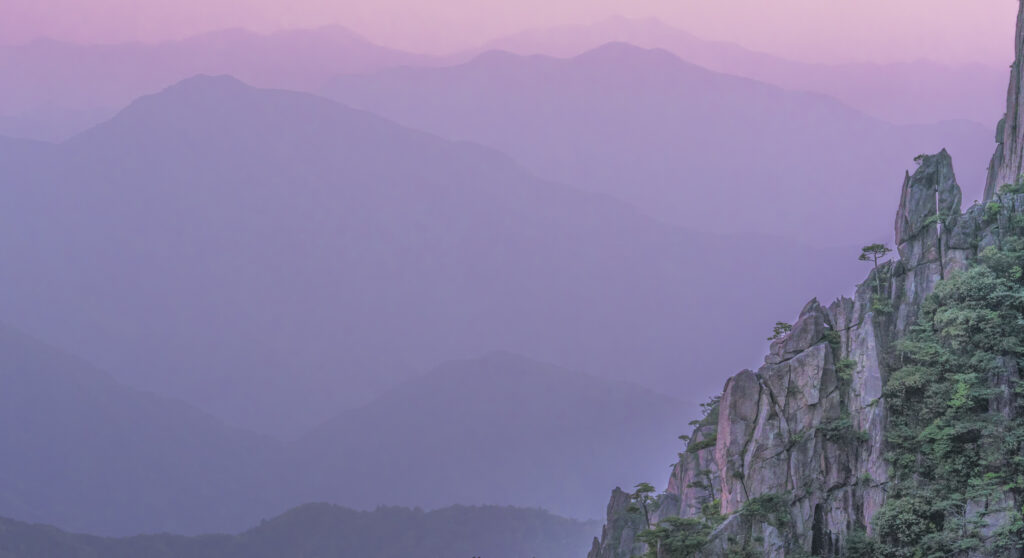
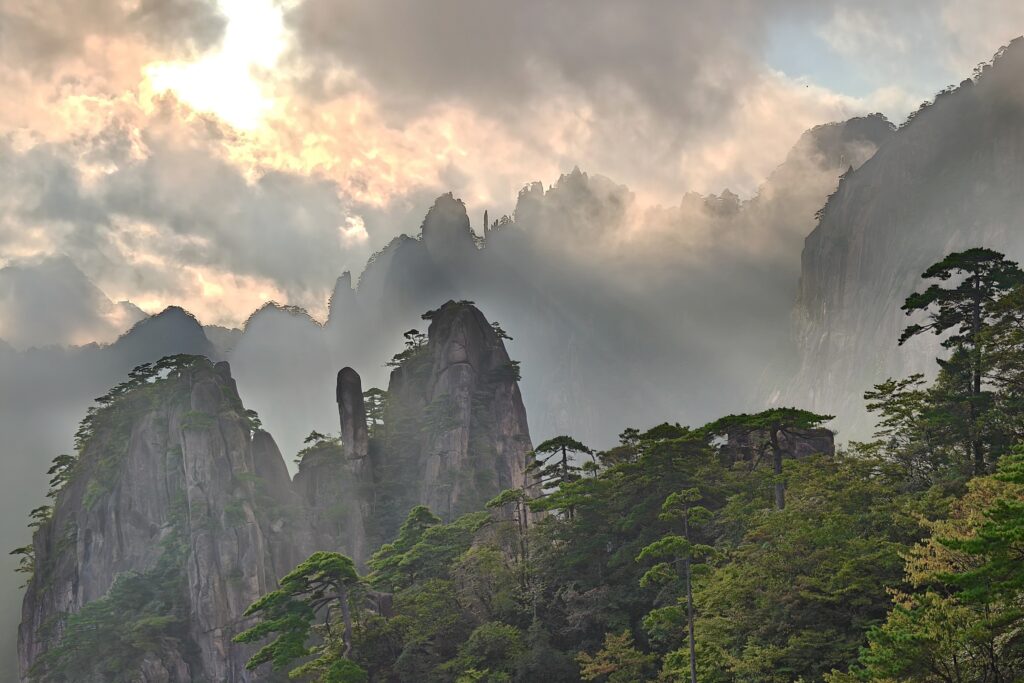
- Two nights in the Yellow Mountains: Stay among Huangshan’s granite peaks and ancient pines, with time to photograph sunrise, sunset, and the shifting mountain weather.
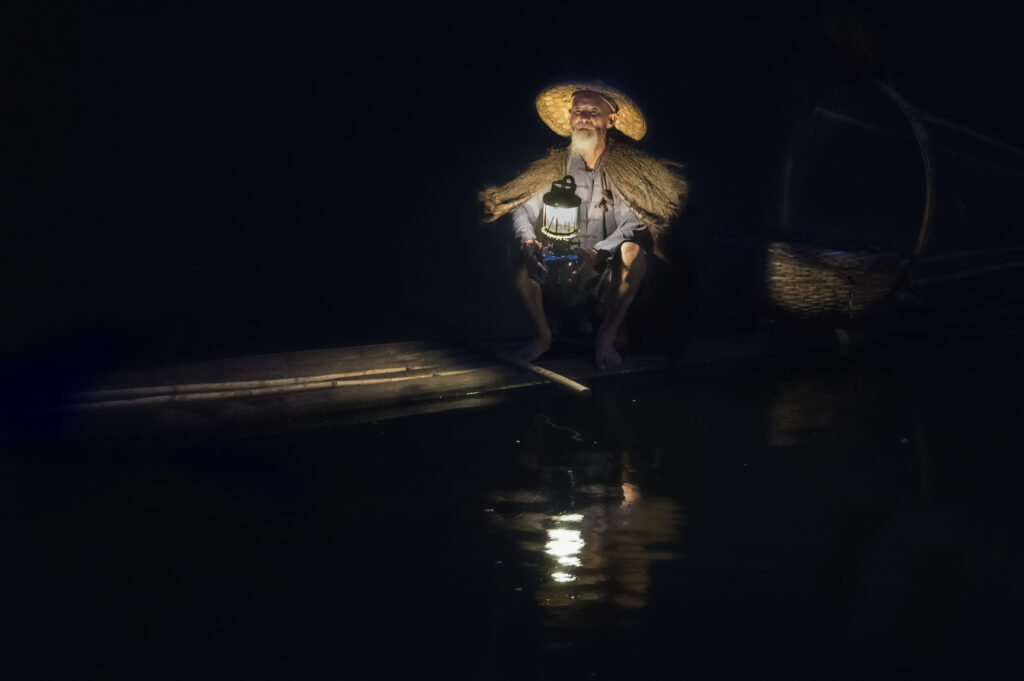
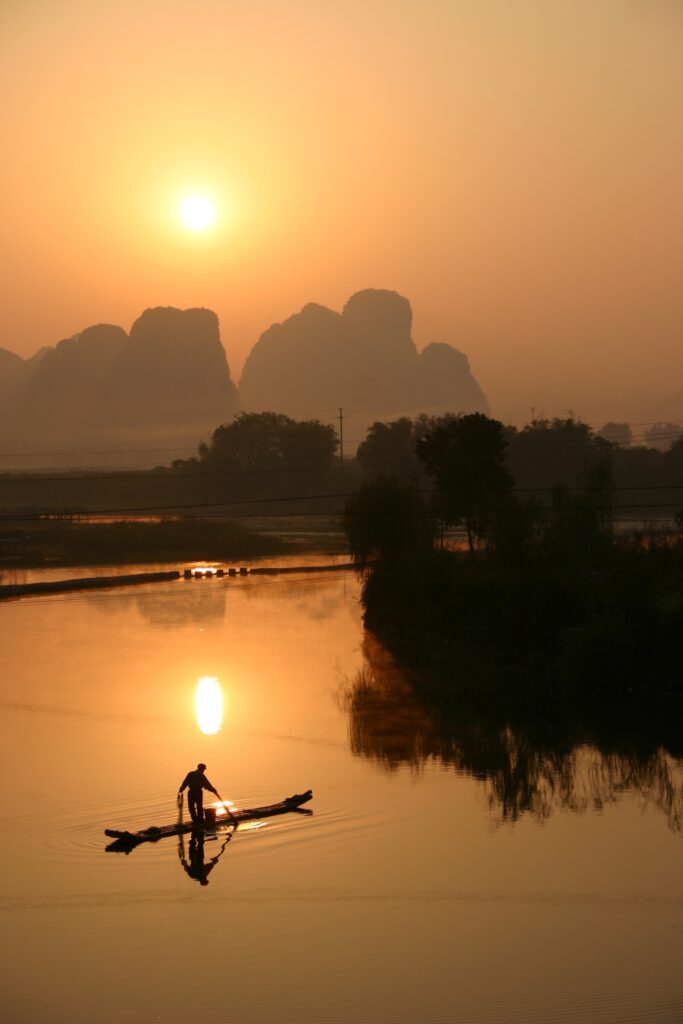
- Li River landscapes and fisherman portraits: Explore Yangshuo’s limestone peaks and enjoy a private, arranged photography session with a traditional cormorant fisherman, bamboo raft, and lantern.
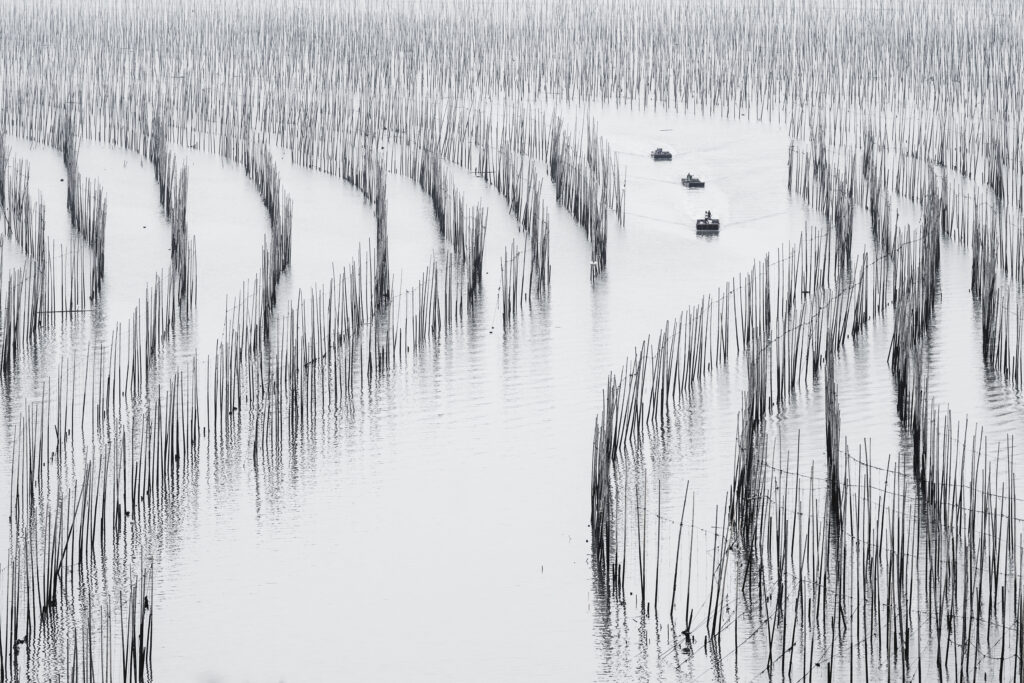
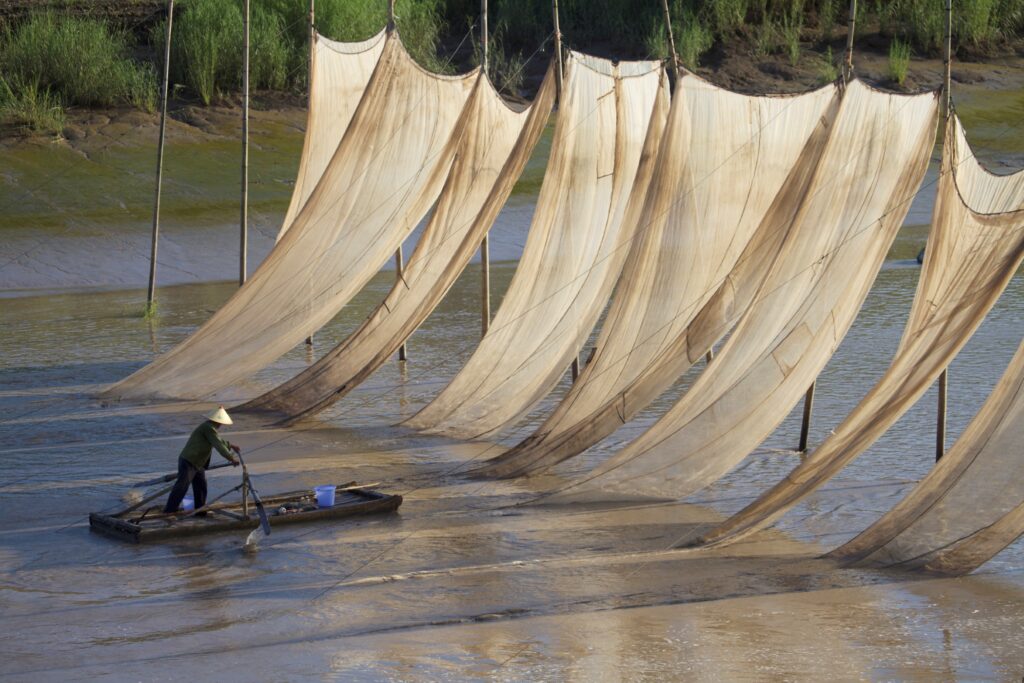
- Xiapu’s coastal way of life: Photograph tidal flats, fishing scenes, and the patterns, textures, and reflections created by the changing tides.
- China’s history through your lens: From Hongcun’s traditional architecture to the historic sites and city scenes of Shanghai, Xi’an, and Beijing, build a varied photographic story of China.
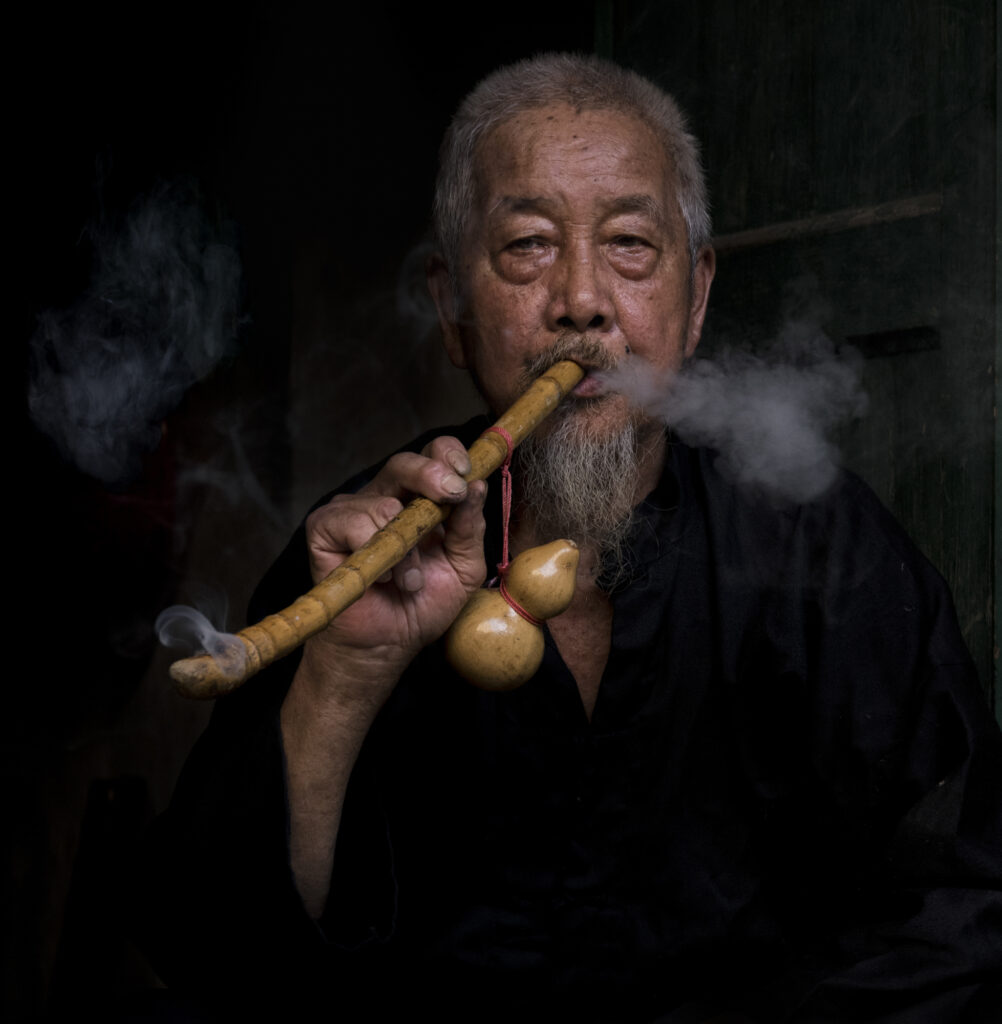
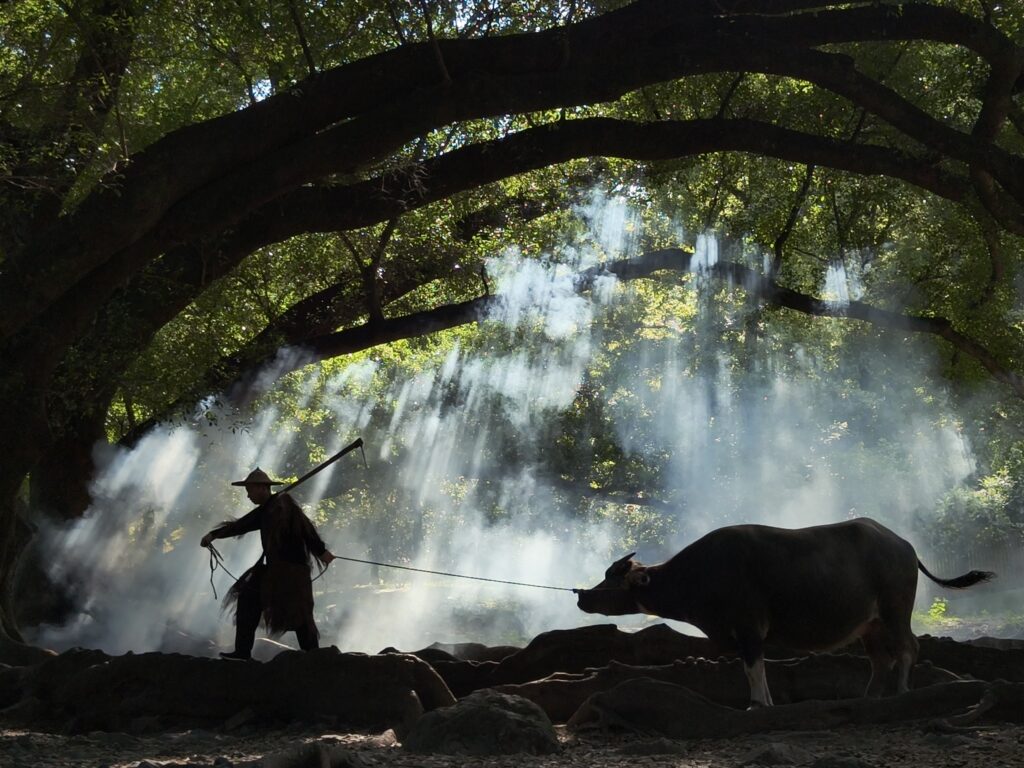
- Private photo shoots: We have secured private photo shoots of Cormorant fishermen, Ox farmers and other locals in rural environments and villages in the Li River area.
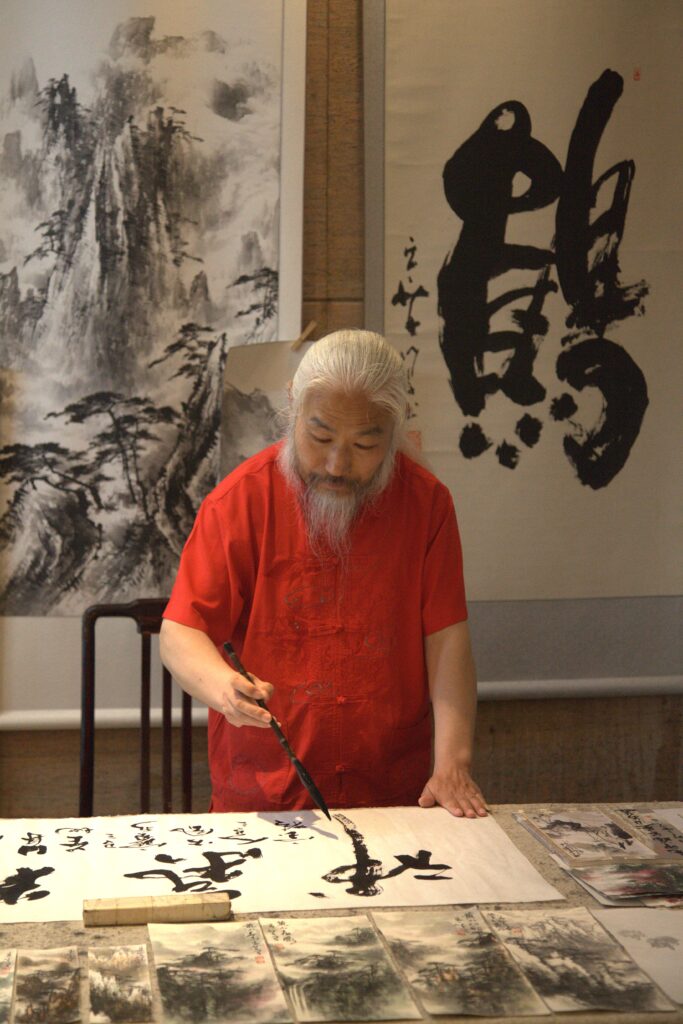
- Travel with an experienced team: Kevin Pepper and his local guide, Michael, have led photography groups together in China since 2018. With Michael’s 20 years of experience guiding groups throughout China, they bring extensive local knowledge, established relationships, and a shared understanding of the best locations, timing, and photographic opportunities to every aspect of your journey.
What You'll Learn
- Build Stronger Landscape Compositions — Use foregrounds, layered ridges, reflections, and leading lines to give your photographs depth and a clear subject.
- Read and Respond to Changing Light — Recognize when direct light, overcast skies, mist, or backlighting can strengthen a scene, and adjust your approach accordingly.
- Simplify Busy Scenes — Find clean compositions within tidal flats, village streets, and complex mountain views by changing your position, framing, and focal length.
- Use Long Lenses for Landscapes — Isolate distant peaks, repeated patterns, and small details that can be overlooked when working only with a wide-angle lens.
- Photograph at Sunrise, Sunset, and After Dark — Refine your tripod technique, focusing, white balance, and exposure as light levels change.
- Manage High-Contrast Scenes — Use your histogram and, when appropriate, exposure bracketing to retain detail in bright skies and darker foregrounds.
- Create Environmental Portraits — During private photography sessions, consider the relationship between your subject, background, light, and surroundings to make portraits that communicate a sense of place.
- Make More Effective Panoramas — Learn how to select a suitable scene, maintain consistent exposures, and capture overlapping frames for stitching.
- Photograph Architecture with Intent — Work with symmetry, repeating shapes, perspective, and detail while finding compositions at popular visitor sites.
Your Guides
-

Kevin Pepper
May 7–22, 2028Oct 28–Nov 12, 2029
Activity Level
You should expect roughly 2 to 3 miles of walking on a full day in the Yellow Mountains, broken up by two sessions. At the Jinshanling section of the Great Wall, expect an uphill walk to get up onto the wall and a 2-mile round trip. How far we walk during each session will depend on the viewpoints we use. Some steps are steep and uneven, so you should be comfortable climbing and descending stairs with your camera bag, including in low light
This tour has an activity level of Moderate. Read more about the Activity Levels for our trips.
Itinerary
-
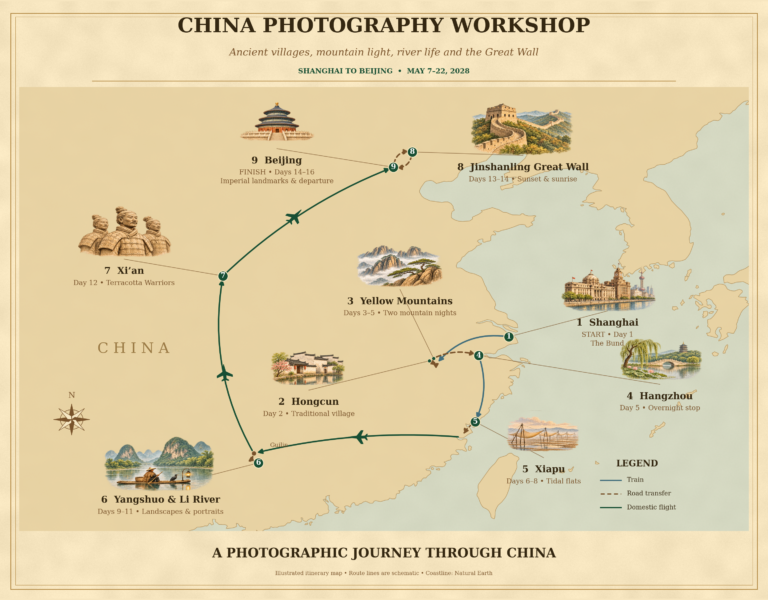
The itinerary may be adjusted for weather, tides, transport schedules, site access, and local conditions. Sunrise and sunset sessions are planned opportunities; light, mist, and other natural conditions cannot be guaranteed.
-
Day 1: Arrive in Shanghai
Arrive at Shanghai Pudong International Airport (PVG) before 12:00 PM on this day. Air travel delays are possible, so please consider arriving early, possibly the day prior. We don't want you to miss out on trip activities. Airport transfer is included on arrival.
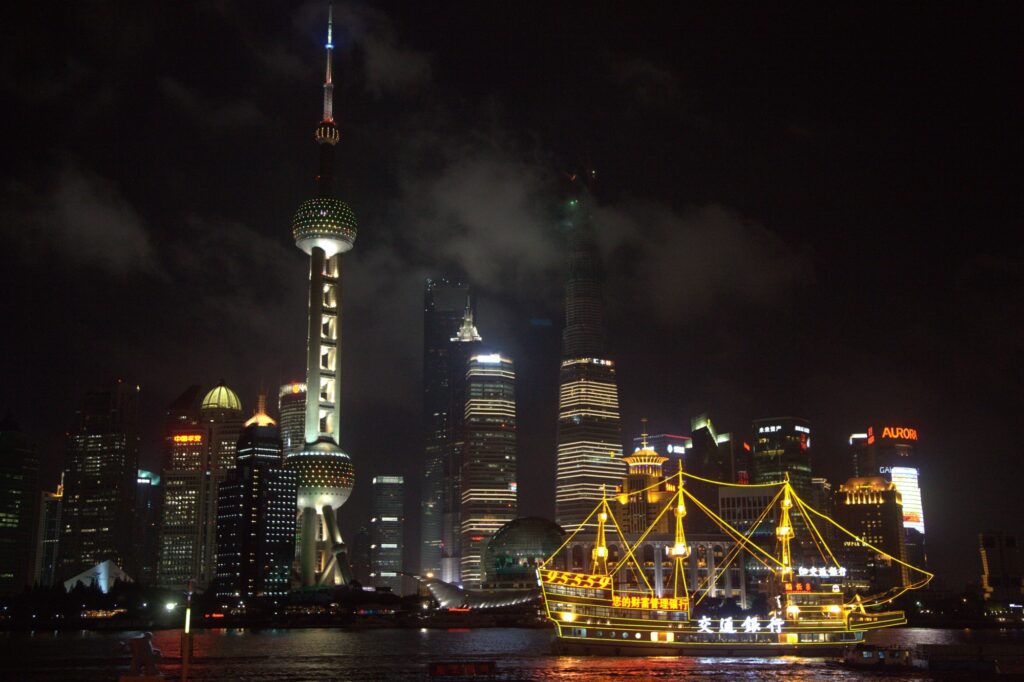
We will meet in the late afternoon for introductions, a workshop briefing, and an early welcome dinner. After dinner, we head out with our cameras and tripods for our first photography session along the waterfront. The Bund’s historic buildings and the city’s illuminated skyline give us opportunities to work with architectural compositions, reflections, and longer exposures. It is a chance to settle into the workshop and begin thinking about how to turn a broad city view into a more deliberate photograph.
-
Day 2: Shanghai to Hongcun
After breakfast, we travel by high-speed train to the Huangshan region and continue to Hongcun.
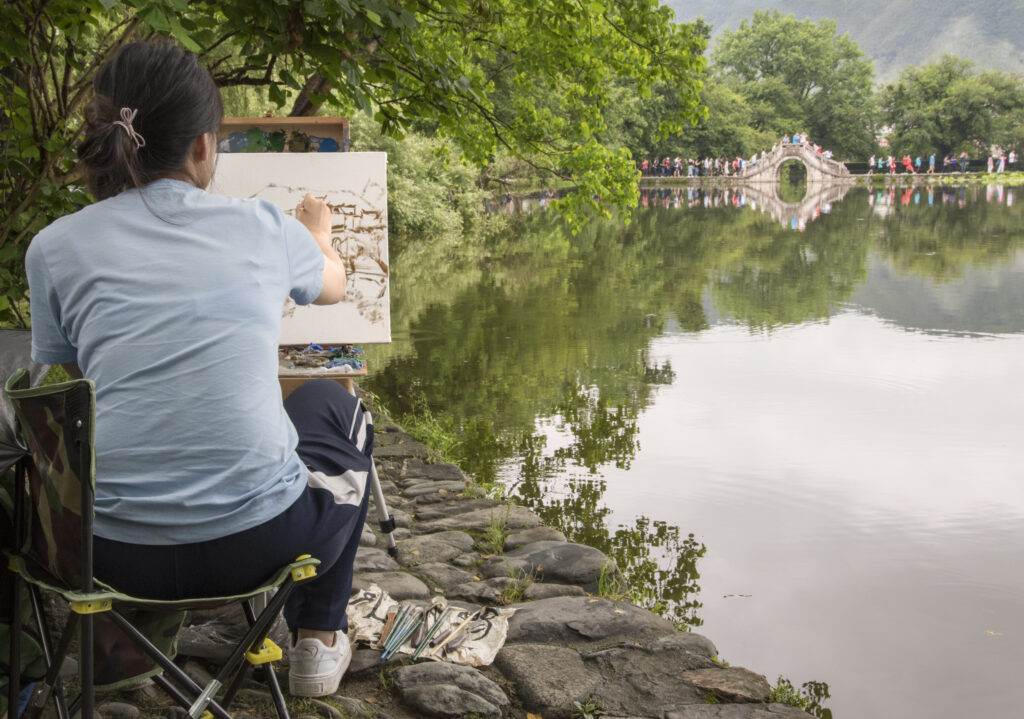
We will spend the afternoon exploring the village’s traditional architecture. Whitewashed walls, dark tiled roofs, and waterside buildings offer opportunities for reflections, patterns, and quieter details. We will work on finding balance within the frame and using doorways, lanes, and water to guide the viewer through a photograph.
-
Day 3: Hongcun Morning Photography and Huangshan
We begin with another session in Hongcun, using the morning light to revisit promising compositions and explore details we may have missed the previous afternoon.
Later, we travel to Huangshan, transfer to the park shuttle, and ascend into the mountains by cable car. From the upper station, we walk to our mountain hotel.
Our afternoon and sunset photography introduce us to Huangshan’s granite formations and pine trees. We will look for separation between overlapping ridges, strong silhouettes, and compositions that give a sense of the mountains’ scale.
-
Day 4: A Full Day on Huangshan
We head out early for sunrise, with planned viewpoints including the Stone Monkey Watching the Sea and Beginning-to-Believe Peak areas, depending on conditions and access.
As the light changes, we work with both broad landscapes and smaller sections of the mountains. A longer lens can help isolate a lone pine, a granite face, or a sequence of ridges. If mist or low cloud develops, we will look for brief openings and shifting layers.
Later, we head toward the Cloud Dispelling Pavilion area for sunset photography overlooking the West Sea Grand Canyon. Having a full day on the mountain gives us time to respond to what the weather offers.
-
Day 5: Huangshan Sunrise and Travel to Hangzhou
We have one final sunrise session on Huangshan before descending by cable car. This last morning offers another opportunity to work with the mountain landscape under different conditions. We may refine a composition from an earlier session or find that a change in visibility leads us toward an entirely different photograph.
Later in the afternoon, we explore West Lake’s shoreline, photographing traditional bridges, willow trees, pagodas, and reflections. We will use overhanging branches, layered hills, and open water to create simple compositions, while longer lenses help isolate details across the lake. As the light softens, we will look for silhouettes and reflections that capture the lake’s quiet character. -
Day 6: Hangzhou to Xiapu
We travel by train to Xiapu and prepare for our first coastal photography session in the afternoon.
Here, the tide becomes part of the composition. Changing water levels reveal and conceal patterns, while fishing structures and boats provide points of interest across the tidal flats.
For sunset, we visit a location selected for the conditions. We will begin exploring how camera position and focal length can turn a busy coastal scene into a simple arrangement of lines, shapes, and reflections.
-
Day 7–8: Xiapu’s Tidal Flats and Coastal Life
We have two full days to explore Xiapu’s photographic locations, with the order of our sessions guided by tide levels, weather, and light. Planned locations include Beiqi and the curves of Shajiang’s S Bay.
Some scenes lend themselves to wider compositions that show the scale of the coast. Others are stronger through a long lens, isolating a boat, a line of poles, or a small figure within the landscape.
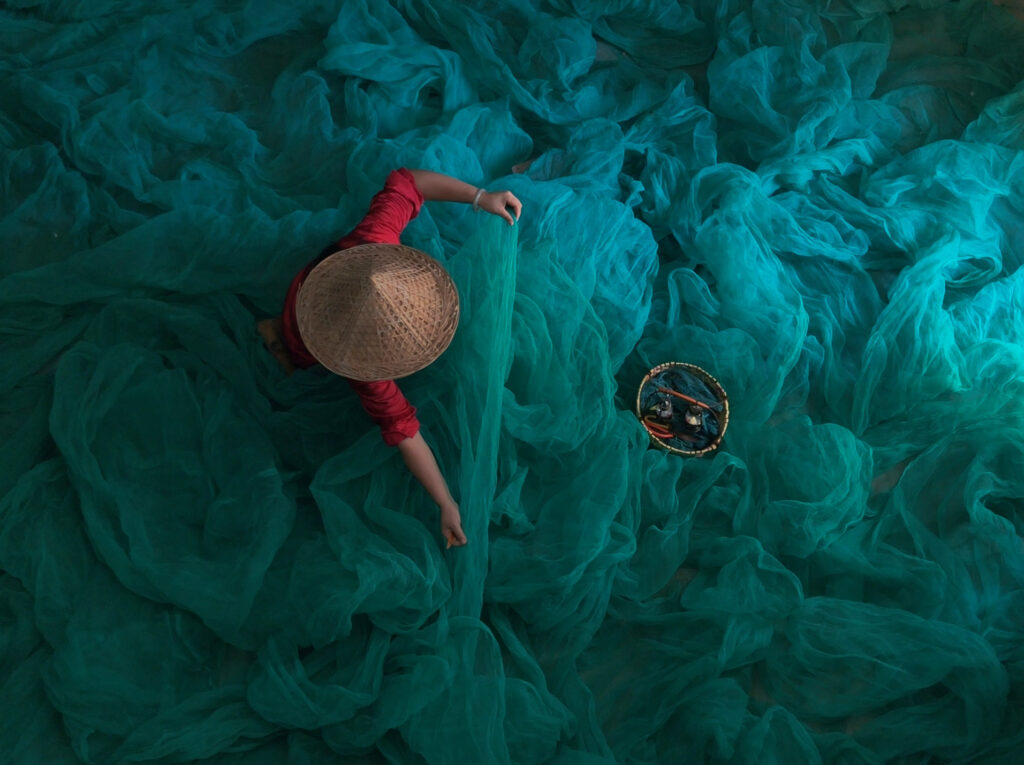
Selected locations include arranged model sessions, giving us opportunities to work on subject placement and environmental storytelling. We will distinguish these planned photographs from the everyday activity we encounter along the coast.
With repeated sessions, there is time to move beyond the first obvious composition and explore different interpretations of the same landscape.
-
Day 9: Travel to Guilin and Yangshuo
We leave Xiapu for our flight to Guilin, then continue to our hotel in Yangshuo.
Today is primarily a travel day as we move from the coast to the limestone landscapes of southern China. After arrival, we settle in and prepare for the early start and mountain photography ahead.
-
Day 10: Xianggong Mountain Sunrise and Cormorant Fisherman
We leave before dawn for Xianggong Mountain. Reaching the viewpoint involves a stair climb of approximately 20–30 minutes, rewarded with a view across the Li River and surrounding limestone peaks.
We photograph sunrise from above, working with the river’s curve and the layers of mountains beyond it. If conditions bring mist, we will look for separation between the peaks; in clearer weather, we will concentrate on light, shape, and depth.
After returning for breakfast and a rest, we head to the Xingping area for our private arranged fisherman session. A traditionally dressed fisherman, cormorants, a bamboo raft, and a lantern provide the subjects, with the Li River landscape behind them.
As daylight fades, we will work on balancing the lantern’s glow with the remaining ambient light while keeping the fisherman and setting connected within the composition.
-
Day 11: Yulong River and Putao Mountain Views
Today, we explore and photograph the Yangshuo countryside around the Yulong River.
We look for compositions that connect the river and its surroundings with the limestone peaks beyond. Depending on the conditions, we may work with reflections, tighter landscape details, or wider views that establish a sense of place.
In the afternoon, we travel to the Putao area for sunset photography. The mountain views provide an opportunity to practice panoramic capture and use longer focal lengths to isolate patterns within the landscape.
-
Day 12: Guilin to Xi’an and the Terracotta Warriors
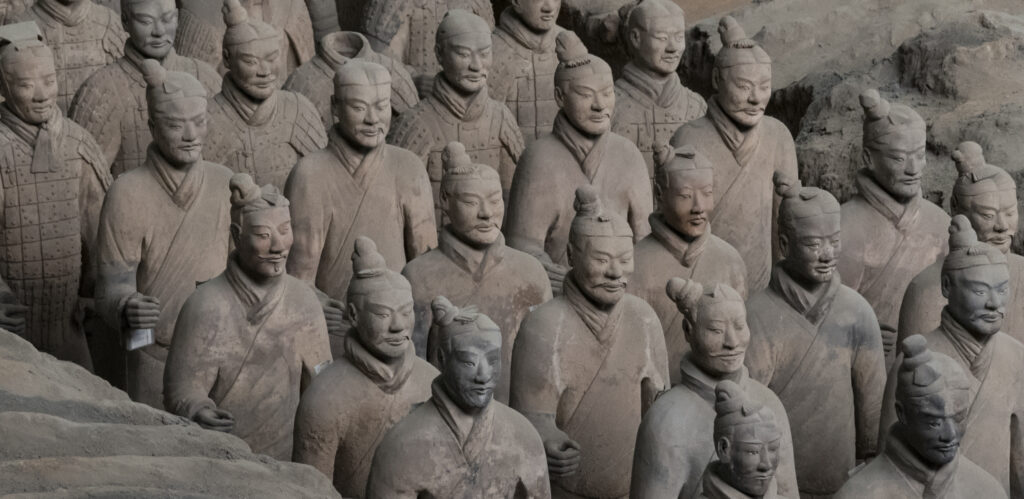
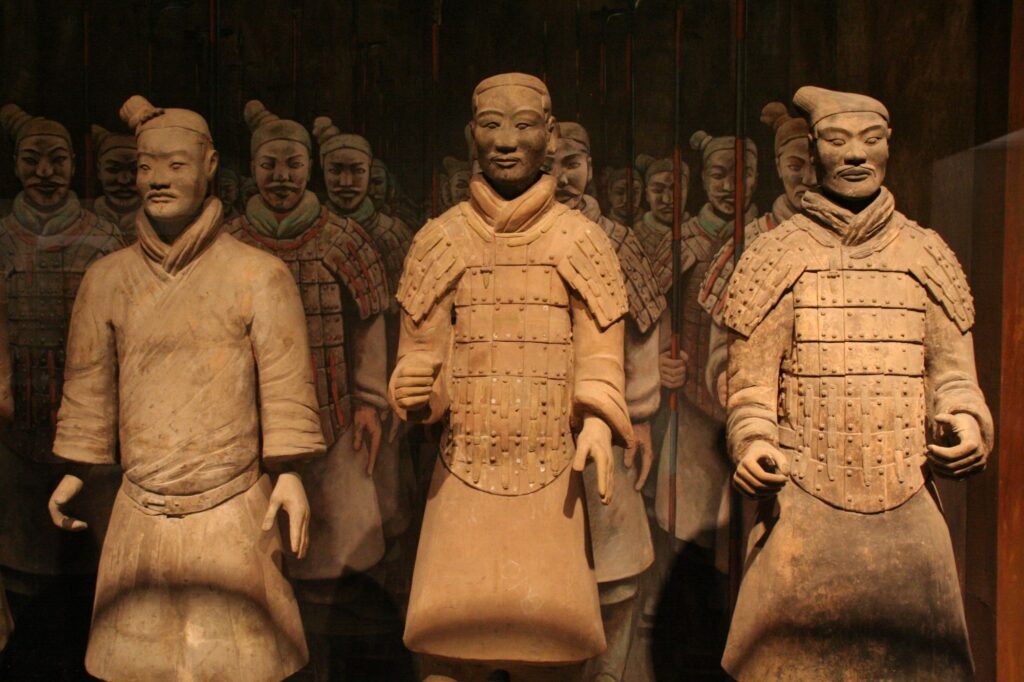
We fly to Xi’an in the morning and visit the Terracotta Warriors in the afternoon. Our photographic approach changes here. We will work with the scale of the archaeological displays, repeated figures, and individual details while adapting to indoor light and public viewing areas.
This is an opportunity to practice handheld technique, careful framing, and finding a clear subject within a complex scene. Photography will follow the site’s rules.
-
Day 13: Beijing and Sunset on the Great Wall
After a morning flight to Beijing, we transfer to Jinshanling and check into our hotel near the Great Wall.
Later, we walk onto the wall for sunset photography. Watchtowers and stone pathways provide strong compositional anchors, while the wall itself leads the eye across the mountain ridges.
We will explore both wider views and tighter compositions, looking for ways to use the changing light to separate the wall from the landscape around it.
-
Day 14: Great Wall Sunrise and the Summer Palace
We return to the Great Wall for sunrise. The new direction of light gives us a different interpretation of the ridges and watchtowers, with opportunities to revisit compositions or work from another position.
After our morning session, we travel back toward Beijing and check into our hotel.
In the afternoon, we visit the Summer Palace. Lakeside views, decorated corridors, and imperial architecture shift our attention toward reflections, repeating patterns, and the relationship between buildings and their surroundings.
-
Day 15: Temple of Heaven and Imperial Beijing
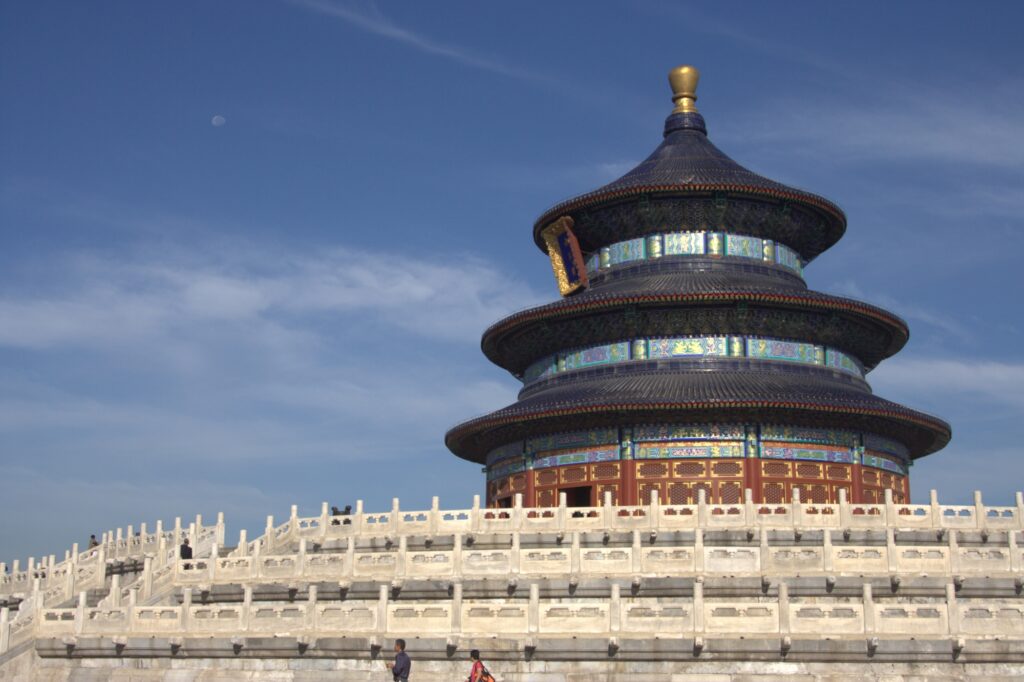
Our final full day begins at the Temple of Heaven, where we photograph the Hall of Prayer for Good Harvests and the surrounding architectural spaces.
We will work with symmetry, color, and detail, considering when to show an entire structure and when a smaller section makes a stronger image.
Later, we visit Tiananmen Square and the Forbidden City. Courtyards, gateways, rooflines, and decorative features provide opportunities to bring together the architectural and storytelling techniques developed throughout the workshop.
-
Day 16: Departure from Beijing
After breakfast, we will use the hotel’s airport shuttle to take you to the airport.
You leave with photographs spanning China’s mountain landscapes, coastal communities, traditional villages, and historic cities—and practical experience you can carry into your next photographic journey.
Departure from Beijing Capital International Airport (PEK). Book your departing flight no earlier than 12:00 PM on this day. Airport transfer is included on departure.
Accommodations
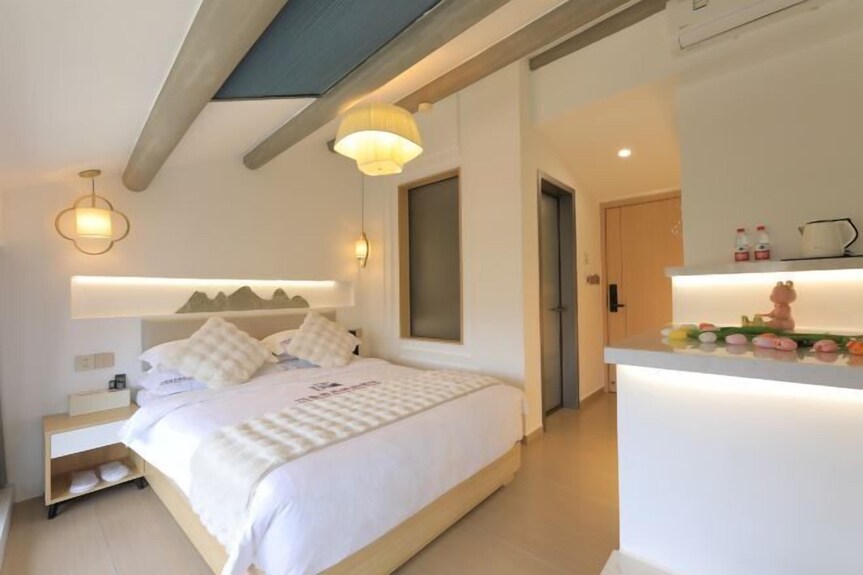
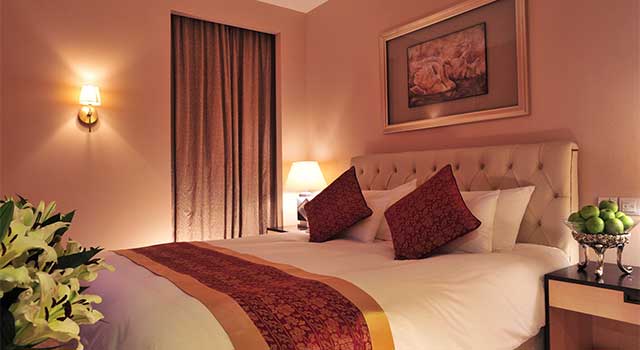
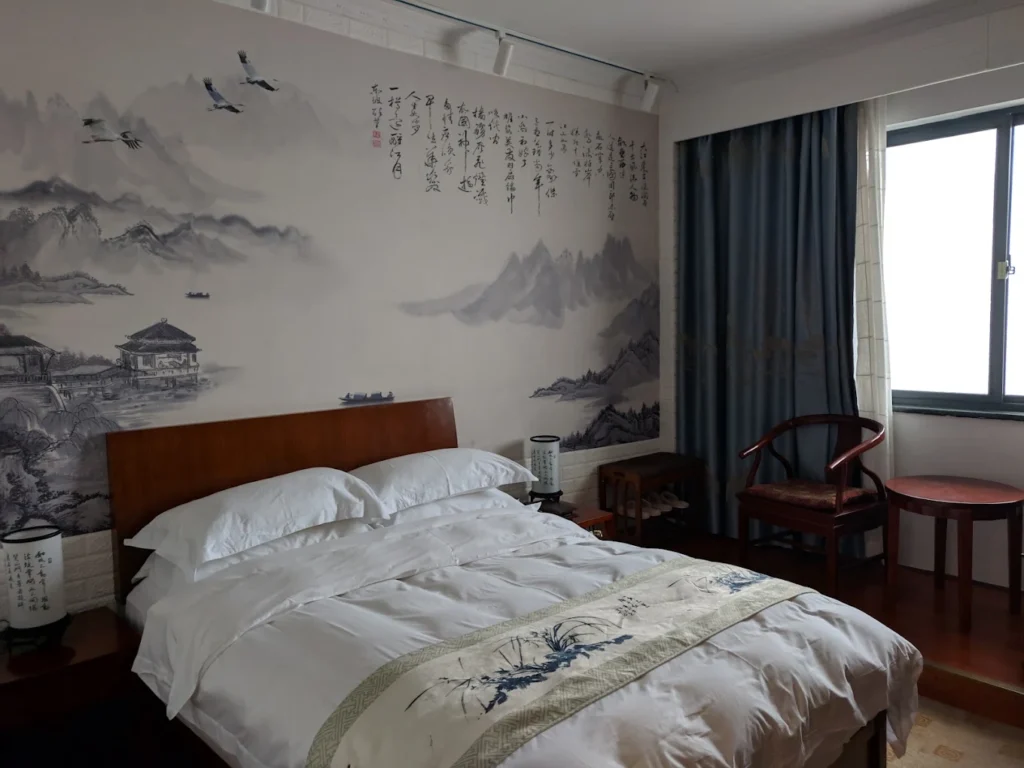
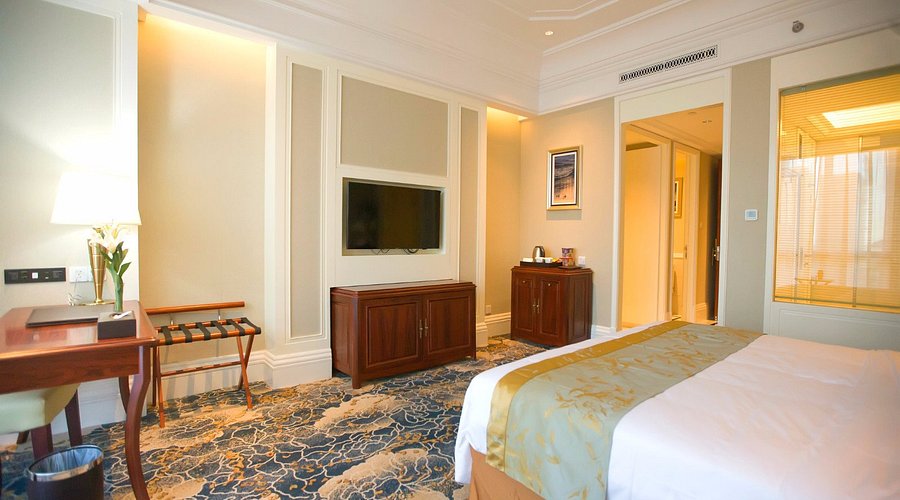
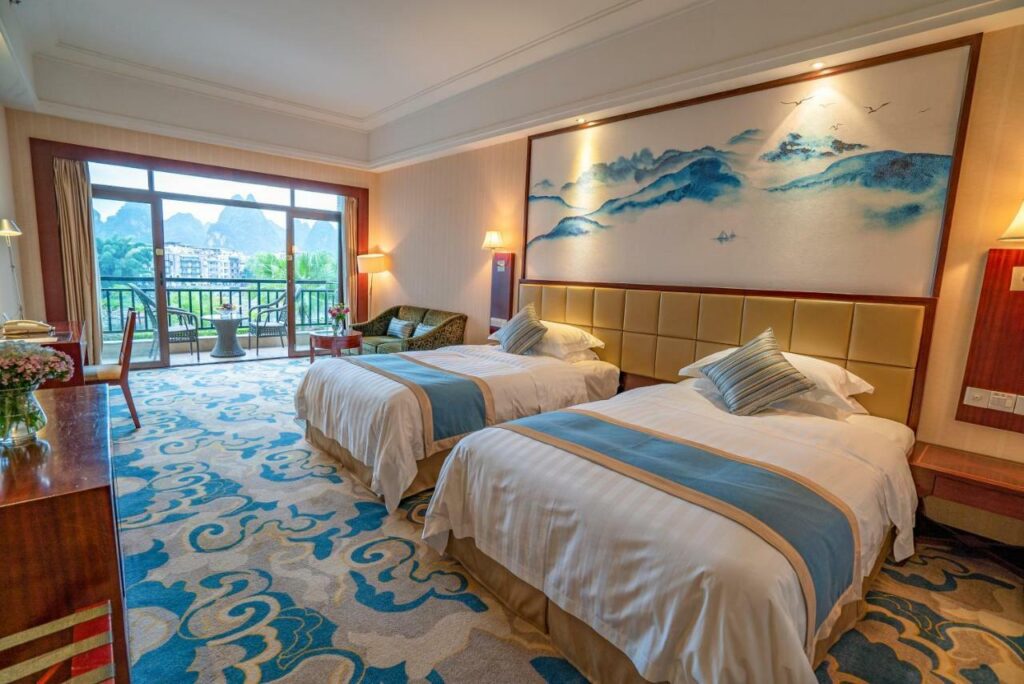
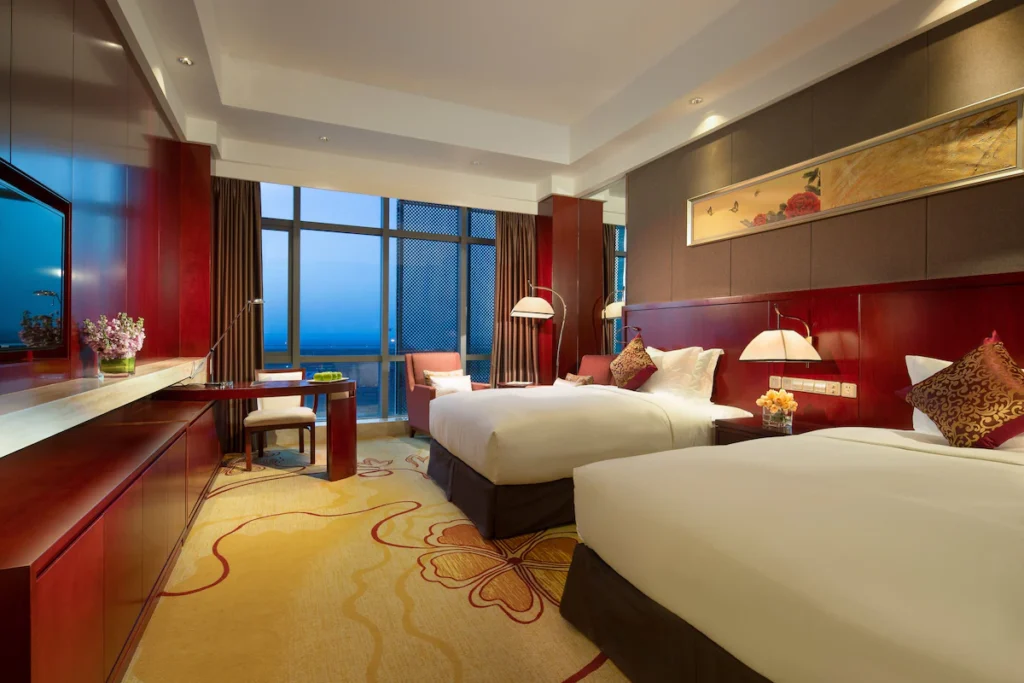
We have selected our accommodations for both comfort and their location in relation to our photography. The planned stays combine predominantly four- and five-star hotels with a boutique village stay in Hongcun, including Shanghai’s historic Broadway Mansions and Yangshuo’s Green Lotus Hotel near the Li River. On Huangshan, staying on the mountain keeps us close to the landscapes we have come to photograph, while our hotel near Jinshanling makes sunrise and sunset sessions on the Great Wall more practical. Across the journey, our choices balance comfortable places to rest with access to the locations that matter when the light is right.



Why Travel With Us
Our small-group trips are designed for photographers, with guides who know the best locations and offer instruction to help improve your photography. Read more about why you should travel with us.
Dates & Prices
-
May 7–22, 2028$9,495 USD Per PersonDouble Occupancy$1,495 USDSingle SupplementGuides: Kevin PepperGroup Size: 8Payment Terms: Deposit: $2,500 USD (at booking)Final: $6,995 USD (due Jan 8, 2028)
-
Oct 28–Nov 12, 2029$9,995 USD Per PersonDouble Occupancy$1,495 USDSingle SupplementRegister1 Spot LeftGuides: Kevin PepperGroup Size: 6Payment Terms: Deposit: $2,500 USD (at booking)Final: $7,495 USD (due Jun 30, 2029)
All of our standard Terms & Conditions apply. Be sure to read our Cancellation Policy.
What's Included
- Double occupancy lodging. Single lodging is available with payment of a single supplement fee.
- All transportation during the tour, including internal flights.
- Airport transfers at arrival/departure and during the tour.
- All meals, soft drinks, water, and snacks during the tour.
- English-speaking local guides.
- All high speed train ticket prices included
- Excess baggage fees
- Gratuities for local guides
- All permits and entry fees.
- Instruction, guidance, and image reviews from our expert photography guides.
- Personal pre-trip phone consultation.
What's Not Included
- Airfare to and from destination, airport taxes, and excess baggage fees.
- Passport and visa fees, if applicable.
- Travel medical & evacuation insurance (required).
- Trip cancellation insurance (optional but recommended).
- Alcoholic beverages.
- Any accommodations or meals before or after the tour dates.
- Items of a personal nature.
Prepare for Your Trip
Please review our photography travel resources, including know your camera and our camera gear list, to help you plan your trip. Before your trip, we’ll contact you with more detailed gear recommendations specific to your trip.