Romania Birds and Bears Trip Report From The Danube Delta, Măcin Mountains and Transylvania
By Kevin Pepper |
Romania has been sitting quietly in Europe, minding its own business; then we go, and it offers us one of the best bird and wildlife photography experiences we have had in years.
This workshop was built as a small group photography experience with a maximum of four photographers, one Akari leader, and specialized local guides and photographers in each region. And that last part matters. These were not general guides with a map and a hopeful attitude. These were people who knew the birds, the bears, the light, the blinds, the water levels, the timing, and the little details that make or break a photography workshop.
Romania delivered.
Over the course of the workshop, we photographed more than 75 species, worked from custom boat blinds, land-based bird blinds, and bear hides, and moved through three very different regions: the Danube Delta, the Măcin Mountains, and the Carpathian Mountains of Transylvania.
Each part of the trip had its own personality. The Danube Delta gave us waterbirds, pelicans, herons, terns, grebes, and kingfishers from the water. Măcin gave us rollers, bee-eaters, shrikes, wheatears, raptors, and one very productive Little Owl family. Transylvania brought us Brown Bears with cubs, Hoopoes feeding chicks, and quiet forest hides that reminded us why patience is still one of the best photography tools ever invented.
That, and a full memory card.

The Road to the Delta
Day one was a travel day, but not the kind where everyone just stares out the window and waits for the “real trip” to begin.
As we drove toward the Danube Delta, the conversations started right away. What species were active? What were the water levels like? How would the boat blinds work? Were the pelicans nesting? Would the kingfishers cooperate? How close could we get without disturbing anything? When is the next bathroom stop?
These are the kinds of questions photographers ask when they know the good stuff is close.
The Danube Delta is one of Europe’s great bird photography locations, especially in June. Birds are nesting, feeding young, defending territories, and moving constantly through the reeds, channels, lakes, and quiet backwaters. It is a living maze of birds, water, light, and opportunity.
And our first real shooting day was waiting for us tomorrow.
Photographing the Danube Delta by Boat Blind
The first part of the workshop was entirely boat-based.
And not just any boat. We used a custom-designed photography blind boat built for five people, with room to work, low angles, comfortable shooting positions, and beanbags that could probably be classified as a sleep aid in several countries.
This is one of the great strengths of photographing in the Danube Delta. You are not standing on a viewing platform hoping birds fly somewhere near you. You are moving quietly through the habitat, working with guides who know where territories, nests, feeding areas, and morning light all come together.
The level of preparation from our ground team was excellent. Before we arrived, they had already scouted key locations, watched species behaviour, tracked nesting activity, and built each outing around light, weather, and subject activity.
That matters.
Bird photography is rarely about luck alone. Luck helps, but preparation gets you in position before luck shows up.
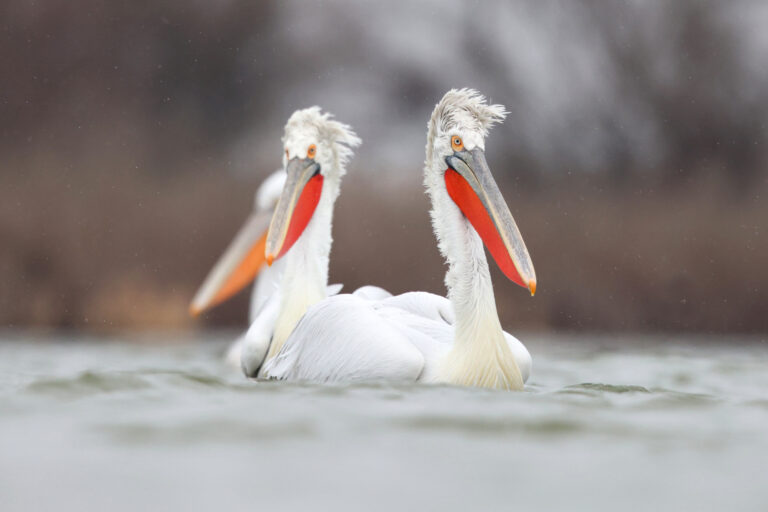
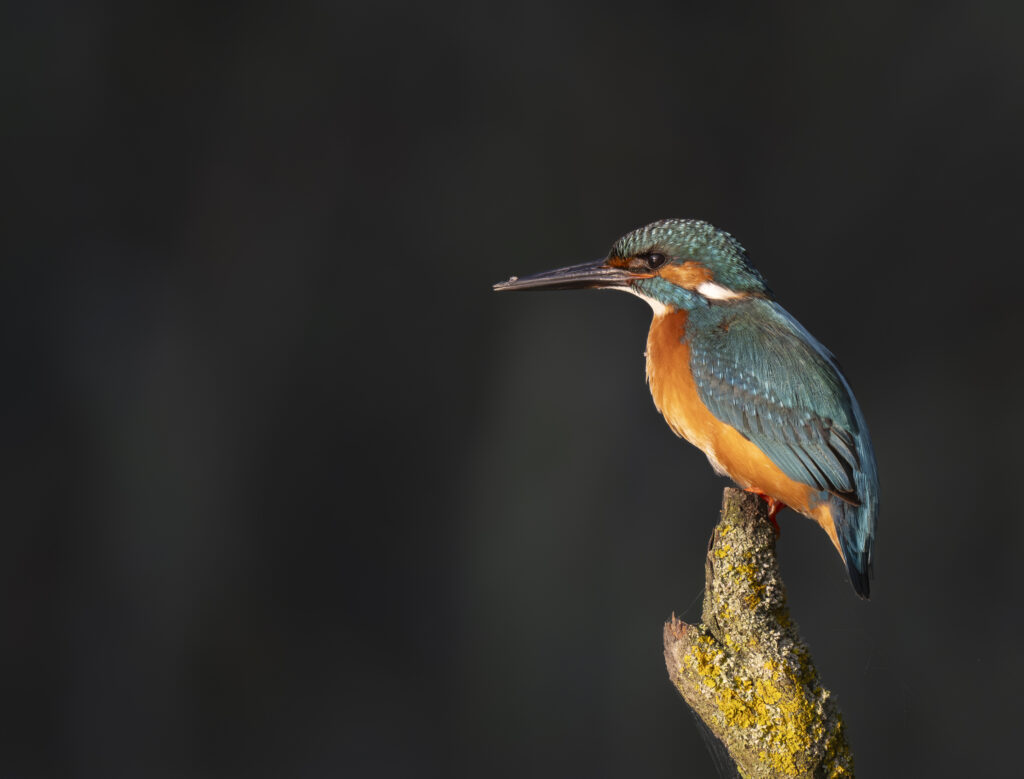
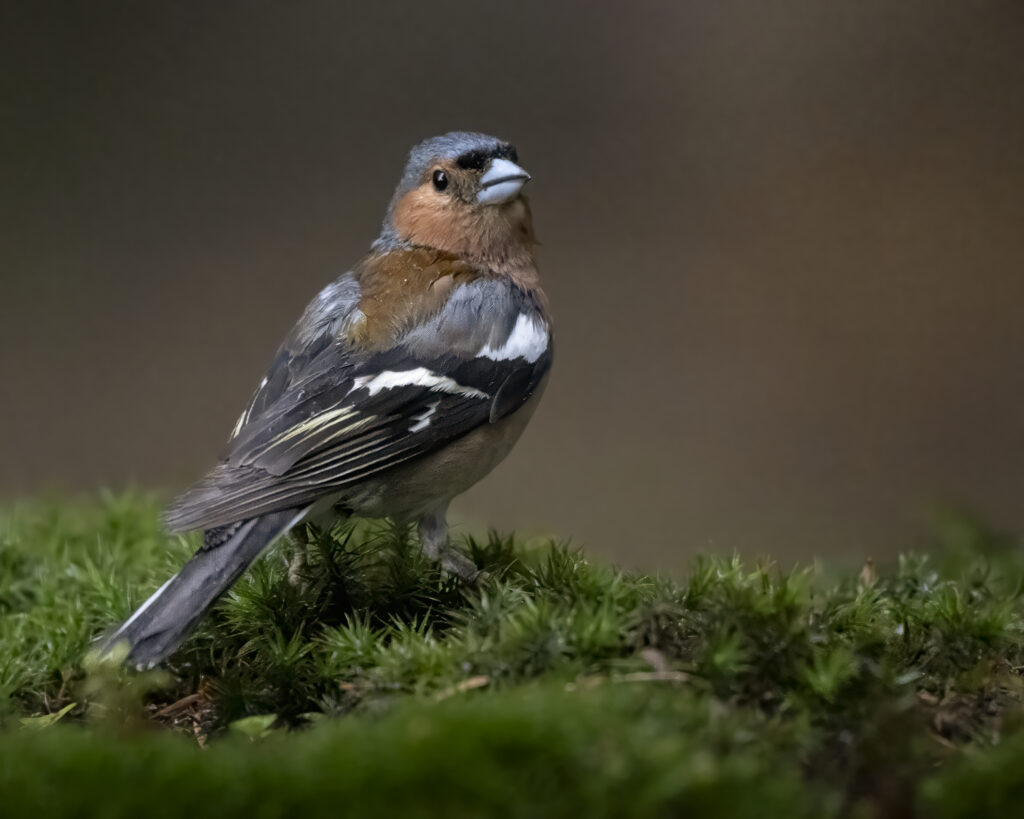
Over our days in the Delta, we photographed Dalmatian Pelicans, White Pelicans, Squacco Herons, Purple Herons, Night Herons, Great Egrets, Pygmy Cormorants, Common Kingfishers, Great Cormorants, Black Terns, Common Terns, grebes, ibis, gulls, wagtails, and more.
The mornings were quiet, beautiful, and productive. The boat slid through narrow channels lined with reeds, while birds moved through mist, warm light, and clean backgrounds. It was exactly the kind of bird photography we always hope for: close enough, low enough, natural enough, and with enough space to make thoughtful images instead of just record shots.
And yes, on the way back, there may have been a few suspiciously quiet photographers being gently defeated by the beanbags.
No judgment. The Delta does that to people.
Danube Delta Highlights
The pelicans were one of the first major highlights.
Dalmatian Pelicans are huge, prehistoric-looking birds with wonderful texture, shape, and character. White Pelicans gave us different opportunities, often in groups, moving across the water in soft light.
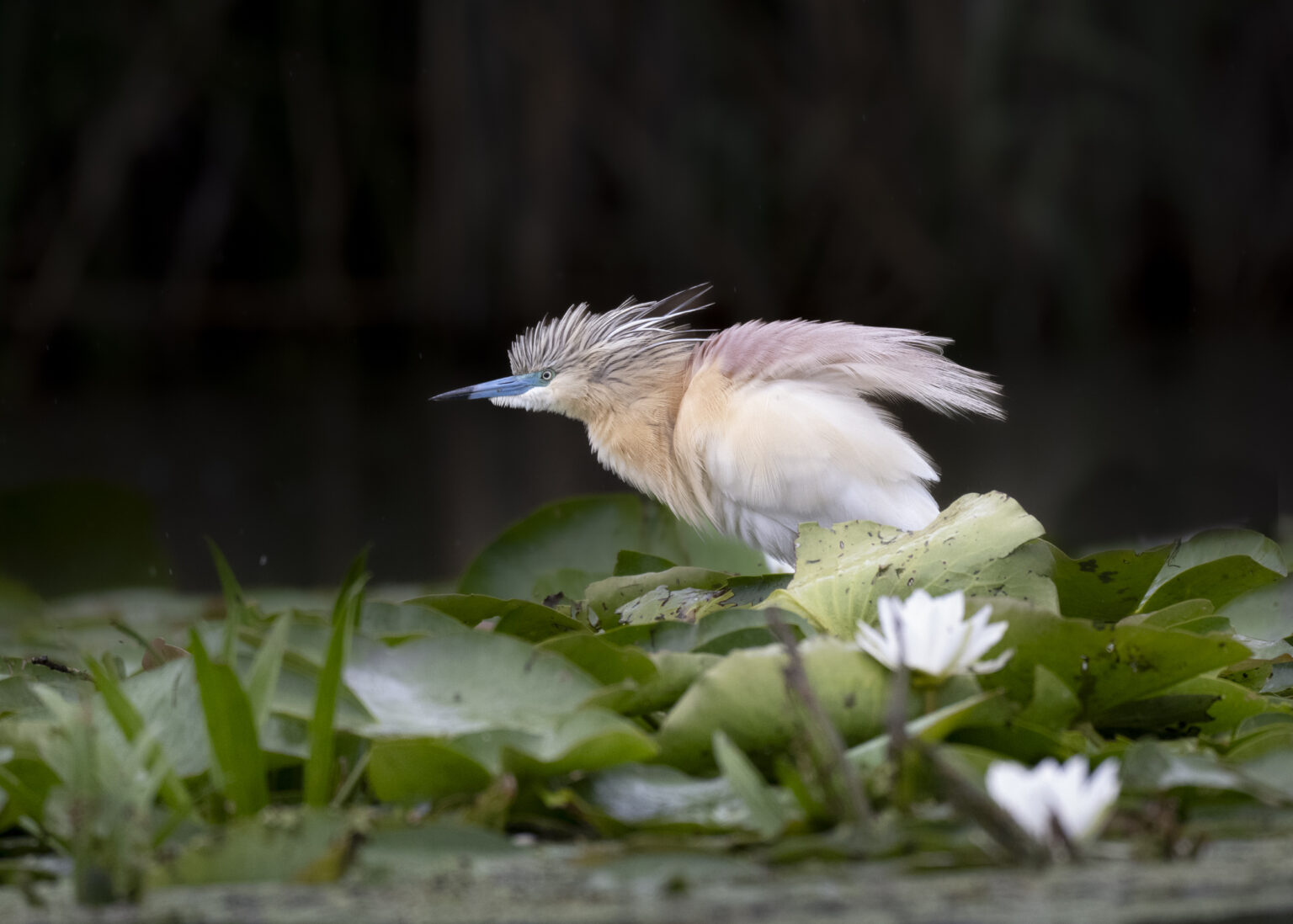
The herons were constant performers. Squacco Herons worked the edges of reeds and floating vegetation. Purple Herons moved through the channels with that slow, deliberate confidence herons seem to have. Night Herons gave us those intense red eyes and compact shapes that look excellent in the right setting.
The grebes were another favourite. Great-crested, Red-necked, Black-necked, and Little Grebes all added variety, behaviour, and beautiful low-angle water-level images.
And then there were the smaller birds.
White Wagtails, Kingfishers, Bearded Tits, warblers, and other reedbed species gave us those more delicate moments that reward patience and good fieldcraft.
This is where the Delta really shines. It is not just one target species. It is a full working ecosystem. Everywhere you look, something is feeding, flying, calling, displaying, or disappearing just as you finally get your settings right.
Which is rude, but very on-brand for birds.
Land Blinds in the Măcin Mountains
After our time in the Delta, the workshop shifted gears.
We traded the boat blind for land blinds and moved into a very different landscape. The Măcin Mountains and surrounding agricultural areas gave us open country, rolling habitat, perches, fields, rock, scrub, and a new set of subjects.
This section of the trip was all about well-placed blinds, morning and evening light, and species that thrive in this dry, open habitat.
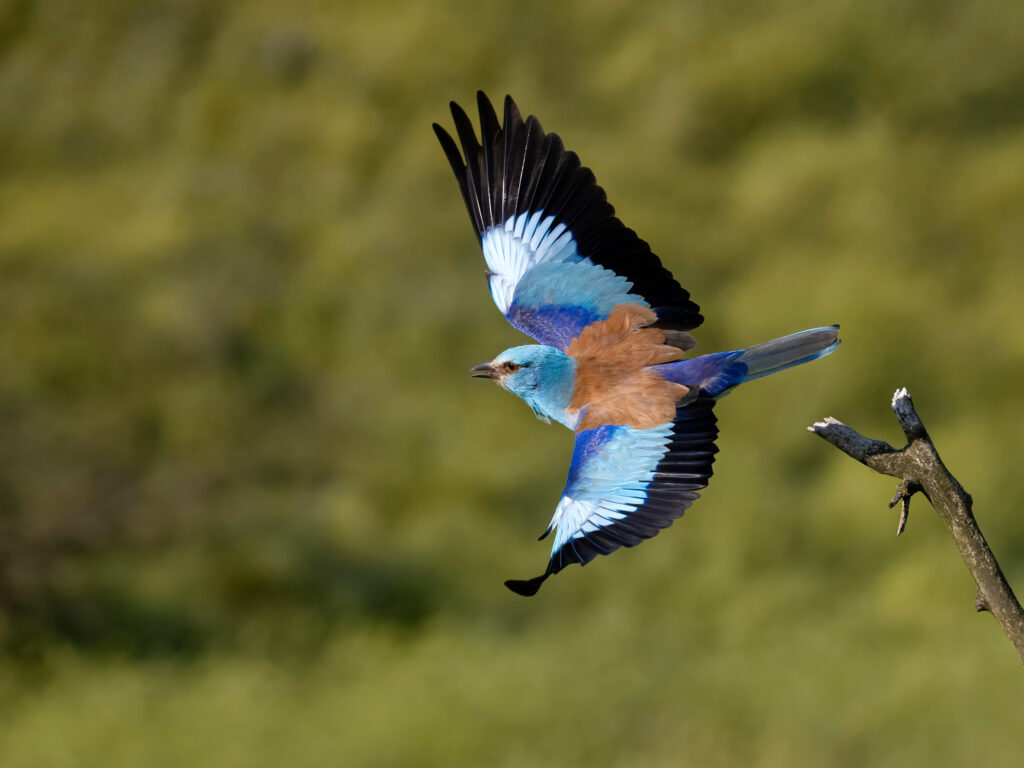
We photographed European Rollers, European Bee-eaters, wheatears, warblers, shrikes, eagles, and other raptors. The blinds were positioned with photography in mind: clean backgrounds, natural perches, good angles, and light that gave us a real chance to make strong images.
This is another place where local knowledge made the difference. Anyone can put a blind in a field. Putting it in the right field, at the right distance, with the right perch, facing the right direction, during the right season — that is the part that separates a good setup from a frustrating one.
The setups here were excellent.
The rollers gave us colour. The bee-eaters gave us behaviour. The shrikes gave us attitude. The raptors gave us presence.
And then the Little Owls stole the show.
The Little Owls of Măcin
Every workshop seems to have a species that becomes the unofficial mascot.
For this trip, it was the Little Owl.
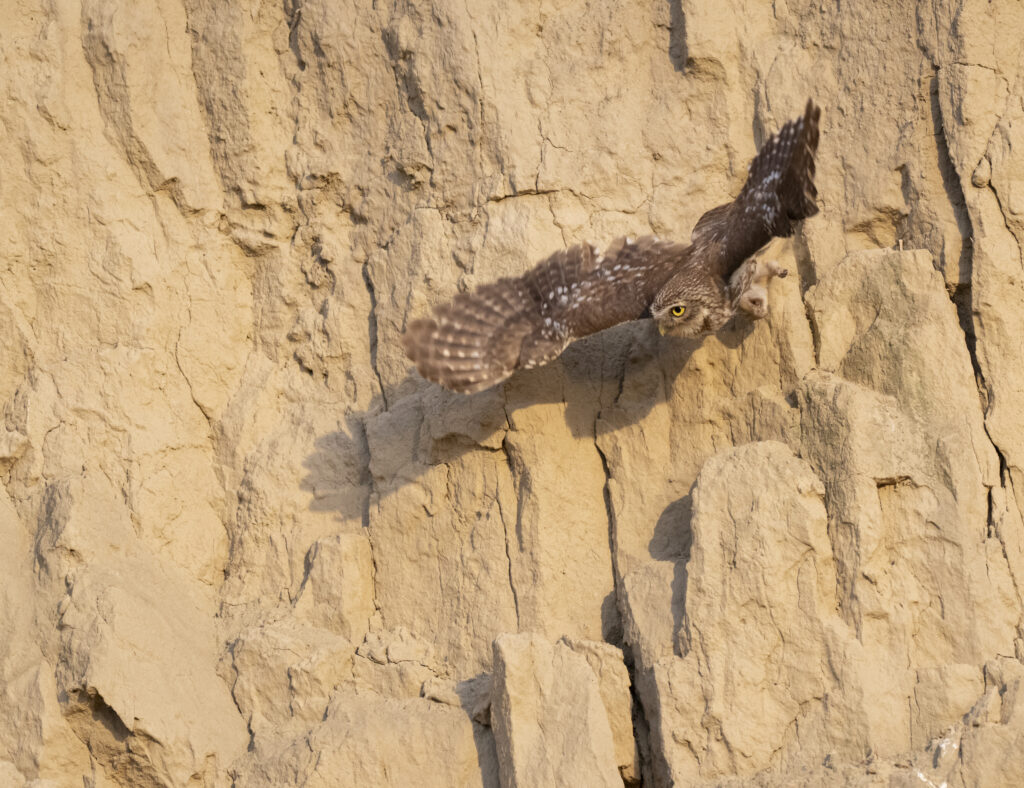
Little Owls are small, fierce-looking owls with bright eyes, expressive faces, and the kind of confidence usually reserved for birds three times their size. They have a wonderful mix of charm and attitude, which makes them a fantastic subject for photography.
During our time in the Măcin region, we had daily sightings of Little Owls. Even better, we were able to observe nesting behaviour and hunting behaviour.
One of the real highlights was watching a Little Owl successfully hunt a ground squirrel. These are the moments that keep wildlife photographers coming back. Not just a bird on a perch, but behaviour. Story. Tension. Action.
It required patience, quiet, and time in the blind. But that is how good wildlife photography works. You sit. You wait. You question your life choices. Then suddenly everything happens in ten seconds and you remember why you do this.
The Little Owls gave us exactly that.
Transylvania, Brown Bears and Hoopoes
The final part of the workshop took us into Transylvania and the Carpathian Mountains.
Our two main targets here were Brown Bears and Common Hoopoes.
Either one would have been a fantastic way to end the trip. Having both working well elevated the entire experience.
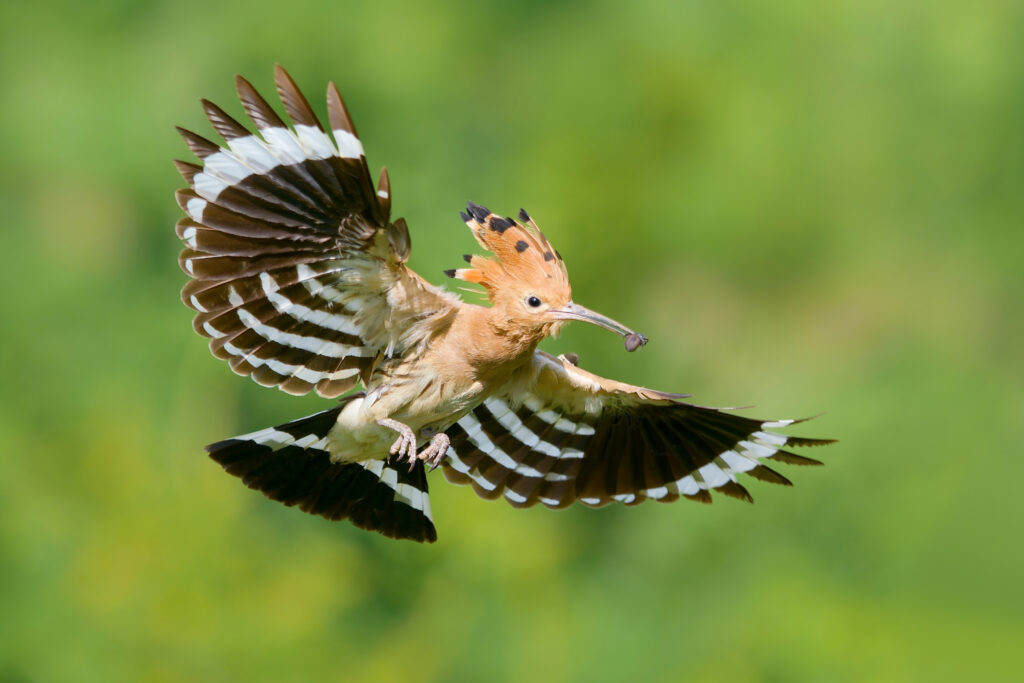
The Hoopoes were feeding chicks, which gave us repeated behaviour, clean opportunities, and a chance to photograph one of Europe’s most distinctive birds in a meaningful way. Hoopoes already look like someone designed them after a very confident lunch. The crest, the colour, the long bill, the pattern — they are made for photography.
But watching them come and go while feeding young added the story we always want in our images.
Then came the bears.
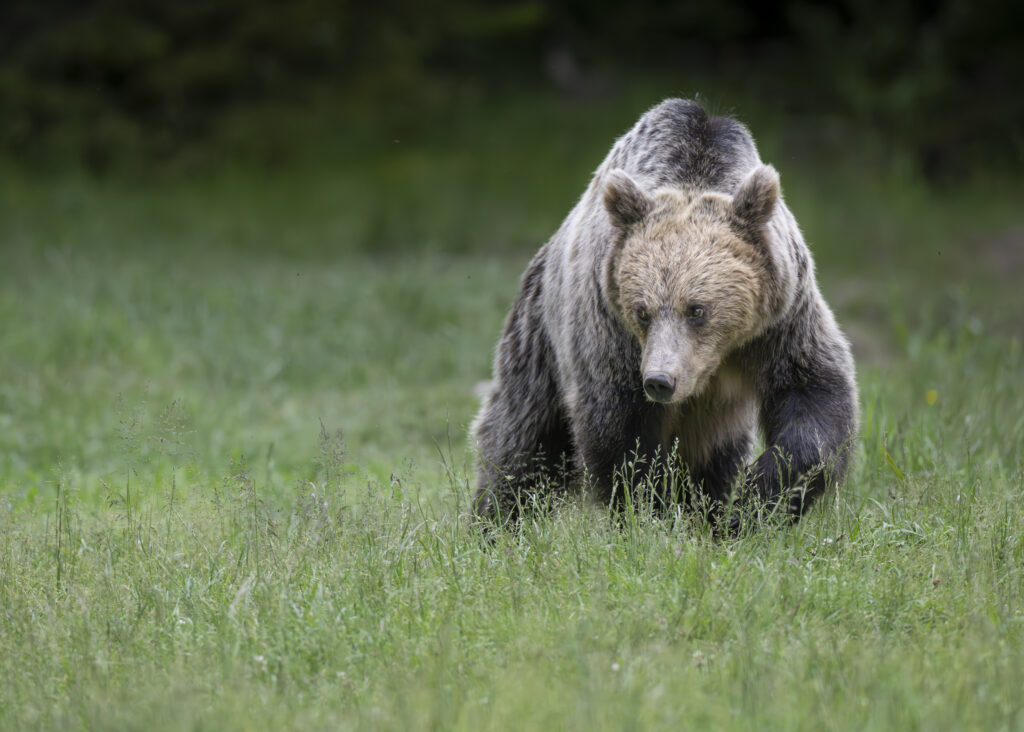
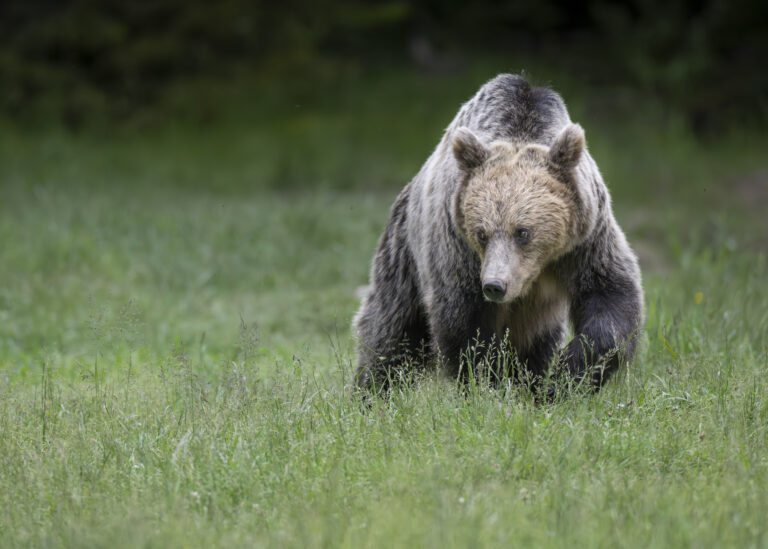
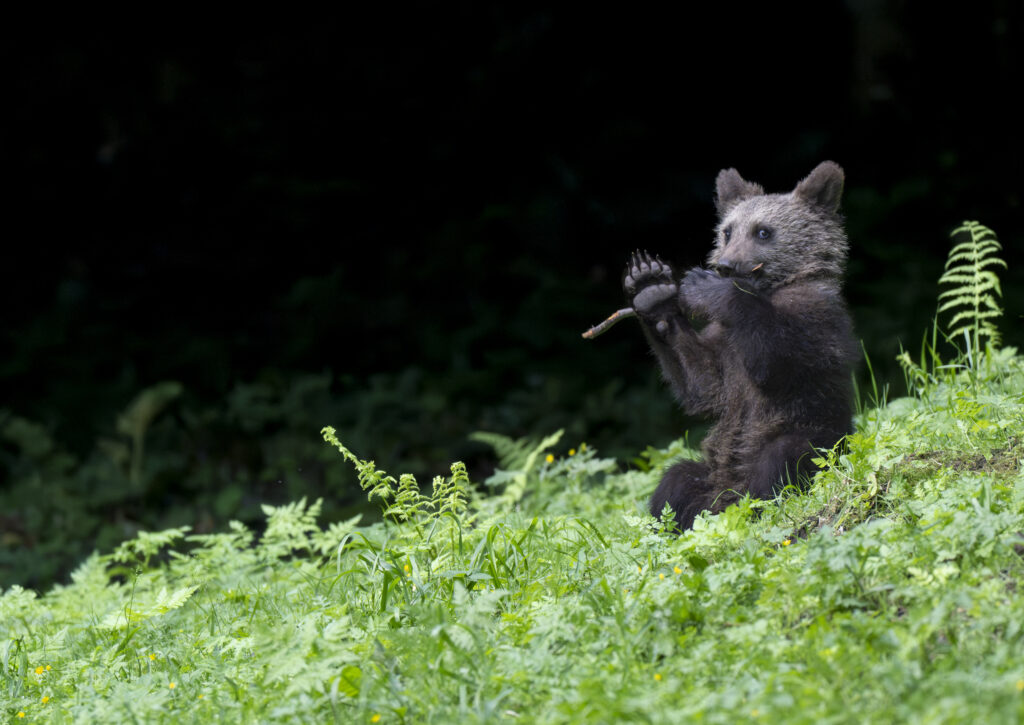
The Brown Bear photography in Transylvania was outstanding. We had cubs, beautiful forest settings, quiet hides, and the kind of moments that make everyone in the blind stop moving at once.
Bear cubs have a way of doing that.
They are cute, curious, unpredictable, and usually up to something. One cub looked like it wanted to join us in the blind, which would have been adorable right up until the paperwork started.
We also had our now-famous little “kung fu bear” moment, which will be hard to forget.
This final section of the trip brought everything together. Strong wildlife, excellent local guides, beautiful locations, and quiet hides that allowed us to photograph without chaos or crowding.
It was a fitting end to a workshop that kept building as it went.
Why Romania Worked So Well
There are a few reasons this Romania workshop stood out.
First, the locations were quiet. That matters more than people realize. Good photography is hard when you are fighting crowds, noise, pressure, or poor access. Here, we had room to work and locations that felt carefully chosen rather than simply convenient.
Second, the guides were outstanding. Each region had specialists who knew their areas extremely well. They understood species behaviour, timing, light, and photography. That combination is not common.
Third, the variety was excellent. In one workshop, we moved from wetland birds by boat, to dry-country birds from land blinds, to bears and forest species in Transylvania. It never felt repetitive. Each section gave us a new rhythm and a new set of subjects.
Fourth, the group size worked exactly as intended. With only four photographers, everyone had space, time, and flexibility. No fighting for position. No twelve people trying to photograph one bird through the same opening. No one needing to politely pretend they are happy while someone’s elbow lives in their ribs.
Small groups matter.
And finally, Romania simply has more to offer photographers than most people realize.
That might be the best part.
A Few Personal Highlights
Every trip has images that matter, but it also has moments that stick.
This one had plenty.
The quiet mornings in the Danube Delta.
The boat sliding through reeds as pelicans lifted in the distance.
The Little Owl staring us down like it owned the entire mountain range.
The ground squirrel hunt.
The Hoopoes feeding chicks.
The bear cubs in Transylvania.
And the bear cub that seemed a little too interested in joining us in the blind.
These are the details that turn a photography workshop into a proper travel memory.
Species Photographed
One of the strengths of this workshop was the diversity of species photographed across the three regions. Over the trip we photographed 75 different bird species. Some species were photographed on multiple days, and that is worth noting. Repeated sightings are not duplication in the field. They are more opportunities, better light, different behaviour, and stronger images.
Final Thoughts
Romania was better than expected. And we expected it to be good.
This workshop had the right mix of variety, access, local expertise, quiet locations, and real photographic opportunity. The Danube Delta gave us one of Europe’s great bird photography settings. The Măcin Mountains gave us land blind photography with rollers, bee-eaters, raptors, and Little Owls. Transylvania gave us bears, cubs, Hoopoes, and a strong finish in the Carpathians.
For bird photographers, this trip offers serious variety.
For wildlife photographers, the bear photography adds a completely different dimension.
For photographers who enjoy small groups, thoughtful logistics, and guides who know where the good light meets the good behaviour, Romania deserves attention.
It is not one of those destinations that needs to shout.
It just quietly delivers.
And sometimes, that is exactly the kind of place photographers should be looking for.
We will be returning to Romania over the next couple of years. Please check out the workshop details of our Romania Photo Workshop.