South Africa Safari Frequently Asked Questions
By Kevin Pepper |
Is South Africa safe for travelers?
Yes—especially when you’re traveling the way we do: airport → lodge → safari. South Africa is a big, modern country with pockets that require street-smarts (mainly in cities). Our rule is simple: be alert in urban areas, don’t flash expensive gear, use arranged transfers, and don’t go wandering at night. Once you’re at our safari location, you’re in a controlled, professionally run safari environment. The biggest danger becomes looking at your camera LCD while a second animal walks into the frame.
Where is Zululand, and what kind of safari is it?
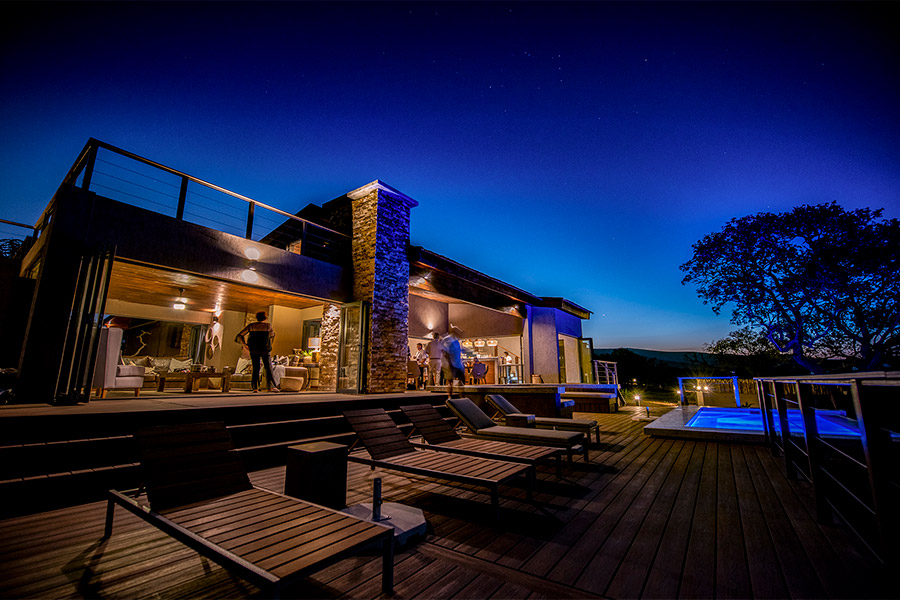
Our lodge in Zululand is a photography-first safari location in South Africa that’s built around creating opportunities for photographers—not just sightseeing. Think: intentional positioning, access, and time. It’s especially known for purpose-built photo hides and setups that help you get clean backgrounds, low angles, and behavior-driven images without fighting a “everyone lean left” vehicle situation.
How physical is a Zululand photo safari?
Low to moderately physical. Most shooting is from vehicles and hides. You’ll do some walking:
- to and from hides
- around the lodge grounds
- possibly short, easy walks for specific photo opportunities
Nothing extreme. If mobility is a concern, tell us—Zimanga is one of those places where we can still create a great portfolio without demanding big hikes.
When is the best time to visit South Africa for safari at Zululand?
South Africa is productive year-round, but your “best” depends on what you want most: cooler comfort, dry-season clarity, or lush green backgrounds.
General photographer logic:
- Dry season (roughly May–September): cooler mornings/evenings, less humidity, more predictable conditions, and often easier wildlife visibility.
- Warmer/greener season (roughly October–April): richer greens, dramatic skies, and strong bird activity—sometimes with more rain and thicker vegetation.
If you’re coming primarily for hides and controlled photo scenarios, Zimanga can deliver in any season—we just adjust the daily strategy around the weather and light.
What’s the weather like—what should I pack?
Expect warm days and cooler mornings/evenings depending on season.
- Bring layers (especially for early hide sessions)
- A light rain shell is smart year-round
- Neutral colors help (you don’t need full camouflage—just don’t dress like a traffic cone)
How much driving is involved?
Compared to many “move-every-two-days” safaris, Zimanga is wonderfully efficient. Once you’re there, you’re not spending half your life in transit. Daily game drives are normal safari lengths, and hide sessions are typically short transfers. Translation: more shooting, less commuting.
What makes Zululand different for photographers?
Three big things:
- Photo hides: low-angle, intimate perspectives and controlled light opportunities that are hard to replicate from a vehicle.
- Photography-first pace: staying with a subject because the moment is building, not because we “checked the box.”
- Cleaner compositions: better angles, better backgrounds, and more time to refine the frame.
If you’ve ever thought, “I love this leopard but I hate this branch,” Zimanga is your kind of place.
What camera gear should I bring?
A simple, flexible kit works best.
Recommended focal lengths:
- Wide: 14–24 / 16–35 (environmental scenes, hides, storytelling frames)
- Midrange: 24–70 (lodge life, details, close encounters)
- Tele: 70–200 (portraits, behavior, clean compositions)
- Long lens: 100–400 / 180–600 / 200–500 (wildlife variety and tighter hide work)
Support:
- A bean bag is gold in vehicles
- A tripod is optional (nice for low light or lodge/night scenes)
- Extra batteries/cards—because “I thought I had enough” is a classic safari lie
Will you help with settings and editing?
Absolutely. We’ll help you with exposure, autofocus strategy, shutter speeds for action, and building images with intent (not just collecting frames). We also do image reviews and editing guidance so you leave with stronger files and better instincts.
Is Zimanga a malaria area?
South Africa has both malaria and non-malaria regions depending on where you are. We’ll advise based on the exact routing and season, but the smart move is always: talk to a travel clinic and use prevention habits (repellent, long sleeves at dusk/dawn) where appropriate.
Can I fly a drone at Zululand?
Assume no, unless we’ve confirmed a specific exception in advance. Even where legal, drones can stress wildlife and annoy other guests, and many lodges restrict them. Your best aerial shot on safari is usually the one you don’t take.
Can a non-photographer join this trip?
Usually yes—if they understand the pace. This is photography-first: early starts, waiting for light, repeating a subject because the angle improves, and getting excited about tiny changes that non-photographers do not notice (and will never understand). If they like wildlife, comfort, and a calm rhythm, they’ll have a great time.
What about plug adapters, currency, and tipping?
- South Africa uses its own plug type, so bring an adapter.
- You’ll want a small amount of local currency for tips/extras, but cards are commonly used.
- Tipping is part of safari culture; we’ll provide a simple guideline so you’re not guessing.
Is this a good first African safari?
Yes. In many ways, this is one of the best African safaris for photographers who are new to the safari experience.
The lodge is comfortable, the schedule is organized, and the photography opportunities are very intentional. You are not trying to figure everything out on your own from the back of a crowded vehicle. We help with settings, lens choice, positioning, composition, and timing throughout the workshop.
It is still Africa. Wildlife does what wildlife wants. But that is half the fun, and occasionally the cause of light swearing.
What makes Zimanga different from a traditional safari lodge?
Most safari lodges are designed around game viewing first. Zimanga is designed around photography.
That difference matters. The hides are built for low-angle photography, reflections, clean backgrounds, and eye-level encounters. The vehicles are designed to give photographers better shooting positions. The daily rhythm is built around light, behaviour, and patience — not just checking animals off a list.
You are not just going on safari with a camera. You are going to a reserve that understands photographers.
Will we photograph from vehicles or hides more often?
Both are important parts of the experience.
Game drives give us flexibility and allow us to follow wildlife activity across the reserve. The hides give us controlled, intimate, low-angle opportunities that are difficult to create from a vehicle.
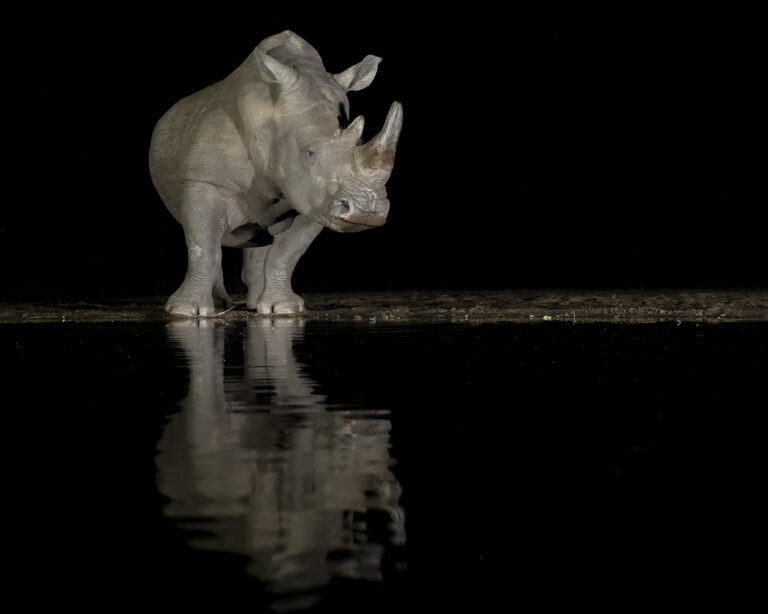
The best part is the variety. One session might be elephants from a low-level vehicle. Another might be birds at eye level from a hide. Another might be rhino or buffalo coming to water after dark.
It keeps your photography brain awake. No small achievement before coffee.
What are the overnight hides like?
The overnight hides are one of the signature experiences at Zimanga.
You settle into a purpose-built hide in the late afternoon or evening and photograph wildlife that comes to water through the night. The experience can feel quiet, intense, and slightly surreal. You are close to the water. The animals are often just metres away. Reflections, low angles, and night lighting create opportunities you simply do not get on a normal safari.
It requires patience, but patience is usually where the better photos live.
Do I need to stay awake all night in the overnight hides?
No. You do not have to stay awake the entire night.
The overnight hides are set up so photographers can rest between activity. Some nights are busy. Some nights are slower. That is wildlife photography. You stay ready, watch the water, listen, and respond when something arrives.
It is not a hotel room, but it is also not a punishment chamber with camera straps. You can pace yourself.
What kind of animals might visit the night hides?
Every night is different, but the possibilities can include rhino, buffalo, elephants, antelope, predators, and smaller nocturnal species.
The real appeal is not just the species list. It is the perspective. Photographing wildlife at water level after dark creates images with mood, reflection, and atmosphere.
A rhino at eye level under night lighting is not something you forget quickly.
Are the hides comfortable?
Yes, but remember they are photography hides, not spa cabanas.
They are designed so photographers can sit quietly for long periods, work from proper shooting windows, and photograph from low angles. Some hides have more amenities than others, especially the overnight hides, but the point is always the same: put photographers in the best possible position without disturbing wildlife.
Comfort matters. But silence matters more.
How many people photograph from each hide?
Group size depends on the hide and the specific session, but we keep the working groups small enough that photographers have room to shoot properly.
This matters more than people realize. In a hide, space, silence, and movement discipline are everything. Too many photographers in one place can make the experience harder for everyone.
Small groups help you work cleaner, react faster, and avoid accidentally elbowing your neighbour during the best moment of the trip. Friendship saved.
Why do small groups matter so much on this safari?
Small groups change the entire experience.
They mean more personal instruction, better access to the guides, more room in vehicles, quieter hides, and more time to talk through the choices that make a stronger photograph.
On a photography workshop, numbers matter. Fewer people means less chaos. Less chaos means better decisions. Better decisions usually mean better photographs.
What will I learn on this South Africa photo workshop?
You will learn how to think more deliberately in the field.
We work on exposure, autofocus, shutter speed, lens choice, composition, background control, animal behaviour, and how to anticipate moments before they happen. We also help you understand when to shoot tight, when to shoot wide, when to wait, and when to stop photographing because the scene is not getting better.
That last one hurts, but it is a useful skill.
Is this safari good for bird photography?
Yes. Zimanga can be excellent for bird photography, especially from the hides.
Birds often come close, backgrounds can be clean, and the low shooting angles help create more intimate images. You may have opportunities with kingfishers, bee-eaters, rollers, raptors, waterbirds, and many other species depending on season and conditions.
Even photographers who arrive thinking only about lions and elephants often leave with a suspicious number of bird photos.
Do I need a tripod?
Usually, a tripod is not your main support on this safari.
For vehicles, a bean bag is often more useful. In the hides, supports are typically designed around the shooting setup. A tripod may be useful for certain night, lodge, or creative images, but it is not always essential.
We will give you specific packing advice before the trip so you are not dragging half a camera store through South Africa.
What kind of clothing should I wear in the hides?
Wear quiet, comfortable, neutral-coloured clothing.
Avoid bright colours, noisy fabrics, and anything that rustles every time you breathe. In some hides, darker clothing can also be helpful to reduce reflections and keep movement less visible.
This is not the place for your brightest red safari shirt. Save that for airport security, where everyone is already disappointed.
Will there be downtime?
Yes, and you will probably want it.
Safari days often start early and can include long sessions of concentrated photography. Midday downtime is useful for resting, downloading images, charging batteries, cleaning gear, and occasionally remembering what your family looks like.
We build the rhythm around photography, but recovery matters too. Tired photographers make odd decisions.
Will we have image reviews?
Yes. Image reviews are an important part of the workshop experience.
This is where the learning really deepens. In the field, we help you react. During reviews, we help you understand why an image works, why it does not, and what you can do differently next time.
The goal is not just to come home with good photos from one safari. The goal is to become a stronger photographer for every trip after it.
How much instruction will I receive in the field?
A lot — but not in a way that gets in your way.
We help with settings, autofocus choices, exposure decisions, composition, backgrounds, and reading behaviour. Sometimes that means quick advice in the moment. Sometimes it means stepping back and letting you work the scene.
Good instruction should help you make better decisions, not hover over you like a mosquito with opinions.
Is this trip better for beginners or experienced photographers?
Both can benefit.
Beginners get hands-on help with settings, camera confidence, and field technique. More experienced photographers get help refining compositions, anticipating behaviour, working cleaner backgrounds, and building a stronger portfolio.
The common thread is attitude. If you want to learn, listen, experiment, and improve, you will get a lot from this workshop.
Will I see the Big Five?
South Africa is famous for Big Five wildlife, and Zimanga offers excellent wildlife opportunities, but no ethical safari can guarantee specific animals on specific days.
What we can say is that the reserve offers strong photographic potential for large mammals, predators, birds, and hide-based wildlife encounters. The better goal is not simply “Did I see it?” but “Did I photograph it well?”
That mindset creates better work.
What happens if the weather is bad?
We adjust.
Rain, wind, clouds, heat, and changing light are all part of safari photography. Sometimes weather makes things harder. Sometimes it makes the images much better. Dramatic skies, softer light, reflections, dust, and atmosphere can all come from imperfect conditions.
The key is flexibility. We work with the guides and adapt the plan around the best photographic opportunities available.
Is this a luxury safari?
It is comfortable, well-run, and photography-focused.
The goal is not empty luxury for the sake of it. The goal is a safari where the logistics, lodging, food, vehicles, hides, and schedule all support the photographic experience. You should feel looked after, but still connected to the wildness of the place.
Think comfort with purpose. Not champagne in a bathtub while a lion judges you from the distance.
Why should I join Akari instead of doing this safari on my own?
Because the value is not just access. It is guidance.
You can visit a great location and still miss better photographs if you do not understand timing, light, settings, behaviour, or positioning. With Akari, you travel with photography instructors who help you make better decisions before the moment happens.
We are not there to simply point and say, “There’s an animal.”
We are there to help you create stronger photographs of it.
Read about our safaris in South Africa
Learn all the details of our South Africa photo safaris here.