Solio Is Not Just Good for Rhino Sightings. It Is Built for Rhino Photography
By Kevin Pepper |
There are places in Africa where photographing a rhino feels like pure luck. You hope for one good sighting. You hope the light cooperates. You hope the animal is not standing half-hidden behind brush with another vehicle parked where your composition should be. And then there is Solio Game Reserve is one of those rare places where photographers have a real chance to do more than simply tick rhino off a list. It is a place where rhino are part of the landscape, part of the reserve’s identity, and part of what makes a safari here so compelling for photographers who want strong wildlife images, not just distant documentary frames.
For anyone who loves photographing large mammals with weight, character, and presence, Solio deserves serious attention.
A Reserve Where Rhinos Are a True Photographic Subject
One of the biggest challenges in rhino photography is that in many safari areas, rhino sightings are limited.
That means photographers often feel pressure to shoot whatever angle they get, no matter the background, the light, or the animal’s position. You take the shot because you may not get another chance.
At Solio, the experience can be very different.
This reserve has earned its reputation as one of the most important rhino sanctuaries in Africa. That matters because more rhino encounters create more photographic opportunities. Instead of grabbing a frame and moving on, photographers have a better chance to slow down, observe behavior, wait for the turn of the head, or look for a cleaner background.
That is where better wildlife photography begins.
It is not just about seeing rhino. It is about having the freedom to photograph them well.
Why Black and White Rhino Both Matter to a Photographer
One of the things that makes Solio especially interesting is the opportunity to photograph both black rhinos and white rhinos in one reserve.
That gives photographers variety, and variety matters when you are building a meaningful portfolio.
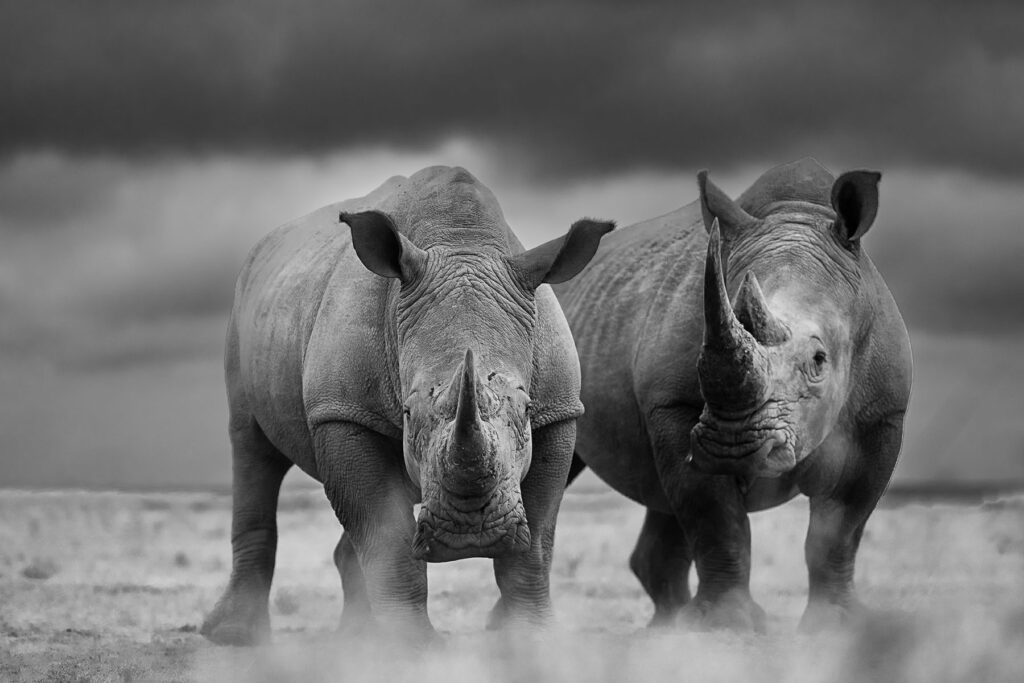
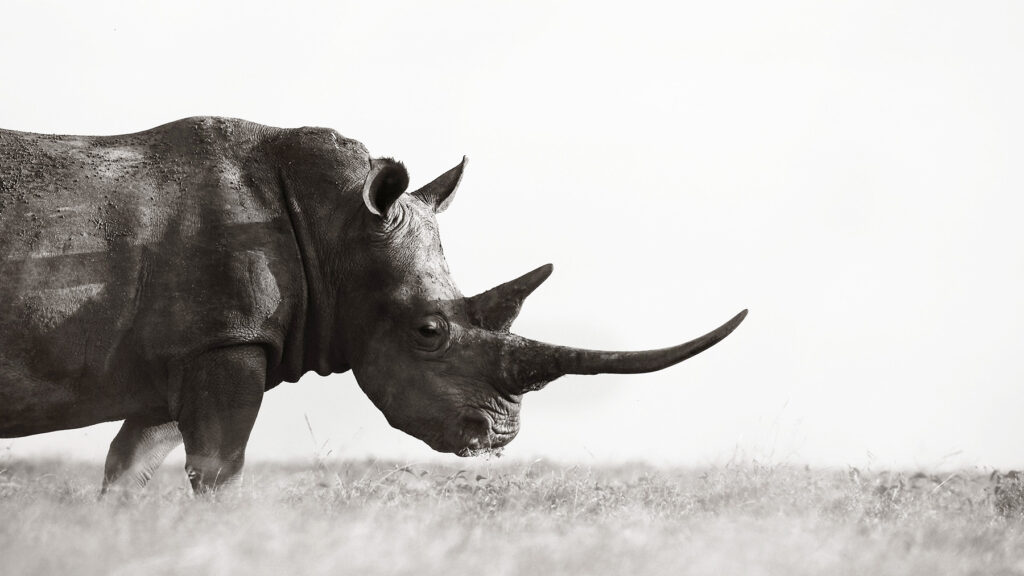
White rhinos often create images that feel massive and ancient. Their broad shape, low posture, and quiet power work beautifully in side profiles and environmental portraits. They can look almost prehistoric in soft morning light.
Black rhinos often bring a different mood. They tend to feel more alert, more edgy, and more intense. Their posture and expression can create images with tension and attitude.
Photographing both gives you the chance to come home with a broader body of work. Not just more images, but more kinds of images.
And that is the difference between a folder full of rhino photos and a portfolio that actually says something.
Solio Gives Photographers What They Need Most: Opportunity
Wildlife photography always comes down to two things.
Skill and opportunity.
You still need to understand shutter speed, exposure, focus modes, lens choice, and how to keep your backgrounds clean. None of that changes.
But opportunity is often the missing piece.
The more often you encounter a subject, the more freedom you have to be selective. You can wait for better light. You can look for interaction. You can pass on a poor angle because you know another moment may come.
That is a gift in wildlife photography.
At Solio, that opportunity means photographers can spend more time working a sighting instead of panicking through it. You can look for atmosphere. You can wait for the spacing between animals. You can frame a rhino against open grass, soft haze, or moody skies rather than just firing away because something large and grey finally walked into view.
That is how stronger images are made.
Great Rhino Photography Needs More Than Animals. It Needs a Strong Setting.
A reserve can have excellent wildlife and still produce average photos.
Photographers know this pain well.
You get the animal, but the background is cluttered. The setting feels flat. The image says, “Yes, a rhino was present,” and not much else.
Solio offers more than that.
Its setting between Mount Kenya and the Aberdare Mountains gives the reserve a beautiful sense of place. The landscapes around Solio can add depth, atmosphere, and mood to your images in a way that lifts them beyond a simple wildlife record shot.
For photographers, this matters.
Rhinos are already dramatic animals. Put them in soft morning light, under layered clouds, against open Kenyan grassland, or in a scene with a little mist and distance, and suddenly the image feels richer. More wild. More emotional. More complete.
And that is what many photographers are really chasing.
Not just the subject.
The feeling.
The Conservation Story Makes the Experience Even Stronger
There are some wildlife destinations where the photography is exciting, but the deeper meaning is easy to miss.
Solio is not one of them.
This reserve has played a major role in rhino conservation in Kenya, and that history gives the experience weight. When you photograph rhino here, you are not just photographing a famous species. You are photographing an animal in a place that has worked hard to protect it.
That changes how many photographers respond in the field.
You become more patient. More aware. More appreciative of the moment in front of you.
And when that happens, your photography often changes too.
The best wildlife images are not always the ones with the closest subject or the most dramatic action. Sometimes they are the ones that carry a little more understanding behind them. A little more respect. A little more intention.
Solio is the kind of place that can bring that out in people.
Solio Is About More Than Rhino Alone
Rhino may be the headline, but Solio is not a one-subject destination.
That is important on any serious photographic safari.
A strong trip gives photographers variety. It gives them a rhythm to the experience. Big mammals, smaller moments, birds, landscapes, mood, weather, habitat, and storytelling images that help round out the journey.
That broader mix helps keep a portfolio interesting and helps photographers stay creatively engaged throughout the trip.
Even if Rhino are the main reason you came, they do not have to be the only reason your images matter when you return home.
Easy Access Makes the Experience Even Better
Another part of Solio’s appeal is practical.
Compared to some safari destinations that require a long chain of flights, drives, delays, and crossed fingers, Solio is relatively accessible from Nairobi. That matters more than many people realize.
When travel is smoother, photographers arrive with more energy and more focus. And that matters in the field.
Because tired photographers make strange choices.
Usually with horizons, ISO, or coffee ratios.
A location that is easier to reach often means a trip begins with less stress and more readiness to photograph well from the start.
Why Photographers Should Have Solio on Their Radar
If your goal is just to say you saw a rhino in Africa, plenty of places can offer that.
But if your goal is to create strong, memorable rhino photographs, Solio stands apart.
It offers the kind of ingredients that photographers value most: reliable rhino opportunities, both black and white rhinos, a beautiful setting, room for stronger compositions, and a conservation story that gives the experience more meaning.
That combination is not easy to find.
And when you do find it, it tends to stay with you.
Because the best wildlife destinations are not always the ones with the longest species list. Sometimes they are the places where one subject, photographed well and in the right setting, leaves the biggest impression of all.
Final Thoughts: Solio Is a Place That Lets You Do More Than Get the Shot
For photographers, Solio Game Reserve is special because it offers more than a sighting.
It offers a possibility.
The possibility to slow down.
The possibility to be selective.
The possibility to think about composition, atmosphere, behavior, and storytelling instead of just reacting.
That is rare.
And when you combine that with rhino conservation, beautiful Kenyan scenery, and the chance to photograph both black and white rhinos, Solio becomes much more than another stop on safari.
It becomes the kind of place photographers remember.
Not because they saw a rhino.
But because they photographed one in a way that finally felt worthy of the animal.
Join us in Kenya for our photo safari in Solio Game Reserve