When to Shoot Wide in Wildlife Photography: How Habitat Tells a Better Story
By Kevin Pepper |
Most photographers zoom in too much when they start their learning curve in wildlife photography.
That is not a criticism. It is just the habit most of us develop. We see an animal, we reach for the longest lens we have, and our first instinct is to fill the frame. Fur, feathers, eyes, texture, detail. We want the subject big, sharp, and close.
And sometimes that is exactly the right decision.
But not always.
Some wildlife photographs become stronger the moment you stop trying to make the animal larger in the frame and start thinking about the world around it. The landscape. The weather. The shoreline. The grassland. The river. The mountain. The empty space that reminds us this creature belongs to something bigger than our camera viewfinder.
That is where wide wildlife photography becomes so important.
At Akari Photo Tours, this is something we often teach in the field. A tight portrait can be beautiful, but a wider image can tell a fuller story. It can show not just what the animal looks like, but how it lives. It can reveal scale, mood, isolation, tension, and place. It can turn a wildlife sighting into an image with more depth and more meaning.
And in a world full of tight wildlife portraits, that kind of image often stands out.

Why So Many Wildlife Photographers Zoom In Too Much
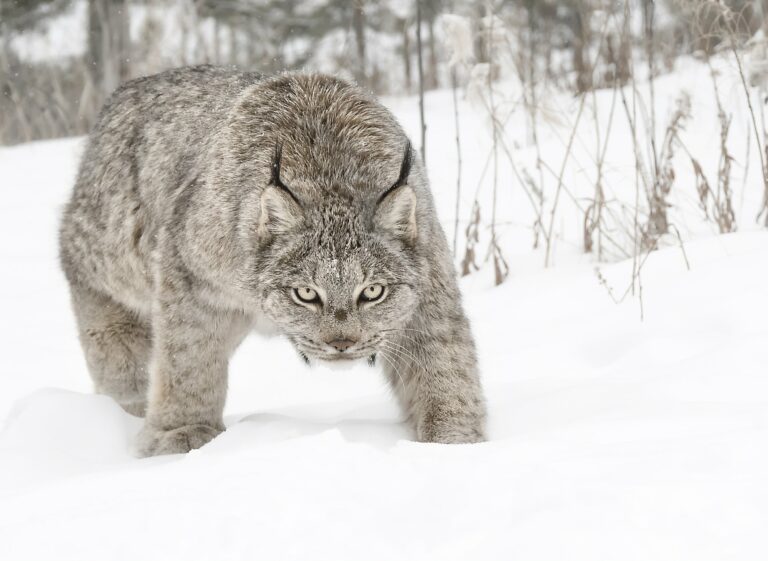
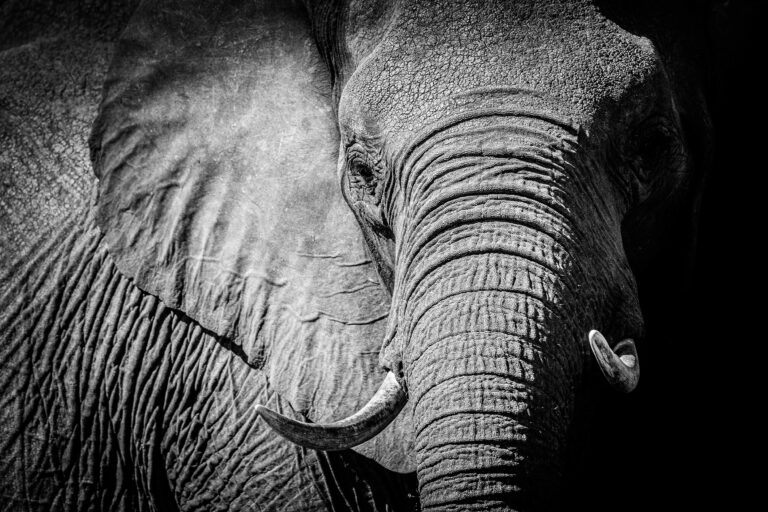
Wildlife photographers are often taught to fill the frame.
That advice has its place. A close image can reveal wonderful detail and help isolate the subject. It can simplify the composition and create a strong connection between viewer and animal.
But like a lot of advice in photography, it becomes less useful when treated like a rule.
If every wildlife image is tight, the work can start to feel repetitive. A fox becomes a fox. A bear becomes a bear. A bird becomes a bird against a soft, blurry background that could be almost anywhere. The viewer sees the subject, but not the story.
That is the weakness of always zooming in. You gain detail, but you often lose context.
Wider wildlife images can solve that. They let the habitat become part of the photograph. They create space for atmosphere. They show the relationship between an endangered Spirit Bear and its rainforest environment in which it lives. And they often feel more layered, more thoughtful, and less ordinary.
Sometimes the setting is not just background.
Sometimes it is half the story.
What Is an Environmental Portrait in Wildlife Photography?
An environmental portrait is a wildlife image that includes the subject and the habitat in a way that matters.
The animal is still the clear subject, but the surroundings are doing real work. They are not just empty space around the edges. They help define the story, mood, and setting of the photograph.
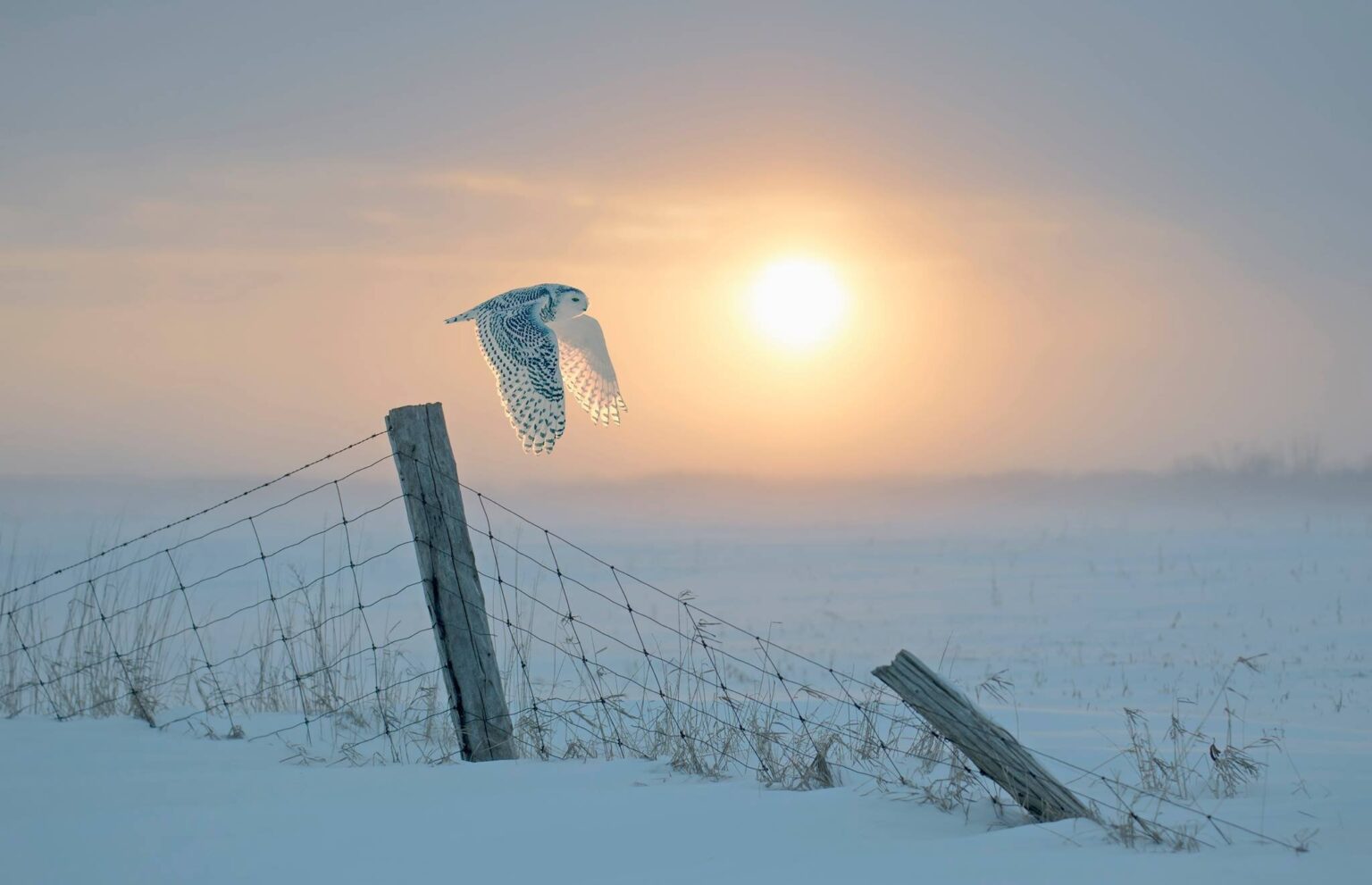
Think of a snowy owl in a wide winter field, a coastal wolf moving along a tidal shoreline, or a bear fishing in a river surrounded by autumn color and rushing water. In each case, the habitat adds something important. It tells you where the animal lives. It shapes how the image feels. It makes the photograph more complete.
Without that environment, you may still have a good image. With it, you often have a better one.
Environmental portraits are powerful because they place wildlife back into its world. They remind us that the animal is not floating in isolation. It is part of a place, and that place matters.

When a Wide Wildlife Shot Works Better Than a Tight One
Shooting wide is not automatically better. It works best when the habitat adds meaning to the image.
Here are some of the clearest moments when a wider wildlife frame often makes more sense.
When the Habitat Is Distinctive
Some places are too important to crop away.
If you are photographing a spirit bear in a mossy coastal stream, a snow leopard in broken mountain terrain, or an elephant crossing a dusty African plain, the setting helps tell the story immediately. The habitat is part of what makes the scene unique.
A tight portrait may be striking, but a wider frame can show why that moment could only happen there.
When Scale Is Part of the Story
Wildlife photography often feels most powerful when we understand how small it can be within a much larger world.
A lone fox in a snowy valley. A herd of wildebeest stretched across open grassland. A polar bear crossing a huge expanse of sea ice. These images work because the surrounding space creates a sense of scale.
That scale adds drama. It also adds honesty. Wild animals do not live on clean studio backdrops. They live in vast, difficult, often beautiful environments. A wide frame can communicate that in ways a close-up cannot.
When Weather or Light Adds Emotion
Sometimes the magic of a scene is not only the animal. It is the fog rolling through the forest, the snow blowing across a ridge, the dust catching warm evening light, or the storm clouds building over an open plain.
Tight portraits often highlight detail. Wide images often highlight atmosphere.
That atmosphere can transform a simple wildlife encounter into something cinematic and memorable.
When Behavior Makes More Sense in Context
A wide image can also help explain behavior.
A heron stalking in shallow water, a wolf searching a shoreline at low tide, or a bear fishing in current all become more interesting when the environment is visible. The setting helps explain what the animal is doing and why.
That makes the image feel less like a record and more like a story.
When You Want an Image That Feels Less Ordinary
There is no shortage of tight wildlife portraits in the world.
Many are beautiful. Many are also easy to forget.
A wider wildlife photograph often feels more editorial. More intentional. More rooted in observation and story. It stands apart because fewer photographers slow down enough to use habitat well.
That difference matters if you want your work to feel more distinctive.

How Habitat Helps Tell a Stronger Story in Wildlife Photography
Habitat adds context.
And context is one of the most important ingredients in storytelling.
A close portrait may show the viewer what the animal looks like. A wider image like the Humpback above begins to show how the animal lives. It reveals the kind of place it depends on. It may suggest difficulty, exposure, camouflage, elegance, isolation, or resilience.
A lion in tall grass feels different from a lion on bare earth. A puffin on a grassy cliff feels different from a puffin against a creamy blur. A gorilla in dense forest feels different from a headshot with no sense of where it lives.
Those differences matter. They help the image say more.
Habitat can show:
- where the animal belongs
- how it moves through the world
- what kind of environment shapes its behavior
- how exposed or hidden it is
- what makes the location visually memorable
- why the scene feels unique rather than generic
This is why wide wildlife photography can be so effective. It gives the viewer more to experience and more to understand, without needing to explain anything in words.
Subject Placement Matters More When You Shoot Wide
The wider you shoot, the more careful you need to be with composition.
When the animal fills most of the frame, you can sometimes get away with small compositional flaws because the subject dominates the image. When the subject becomes smaller in the frame, every choice matters more.
Placement becomes critical.
Give the Animal Space
If the animal is moving or looking in one direction, leave room there. That space helps the composition breathe and gives the subject somewhere to go visually.
Use the Habitat With Intention
Look for lines, layers, shapes, and openings that help support the subject rather than compete with it. A shoreline, a ridge, a patch of light, or a line of grasses can all help guide the eye.
Keep the Subject Noticeable
Wide does not mean the animal should disappear. The viewer should still find the subject naturally. If the animal becomes too tiny or too lost, the image may shift from wildlife story to landscape with a surprise hidden in it.
Sometimes that works. Often it does not.
Watch for Clutter in your wildlife photography
The wider the frame, the more opportunities there are for distractions. Bright patches, awkward overlaps, messy vegetation, and other visual noise can weaken the image quickly. Wide wildlife photography is not lazy composition. It is often more demanding.
Why Wide Wildlife Images Often Feel More Editorial
One of the reasons wide wildlife images stand out is because they often feel more like visual storytelling and less like simple documentation.
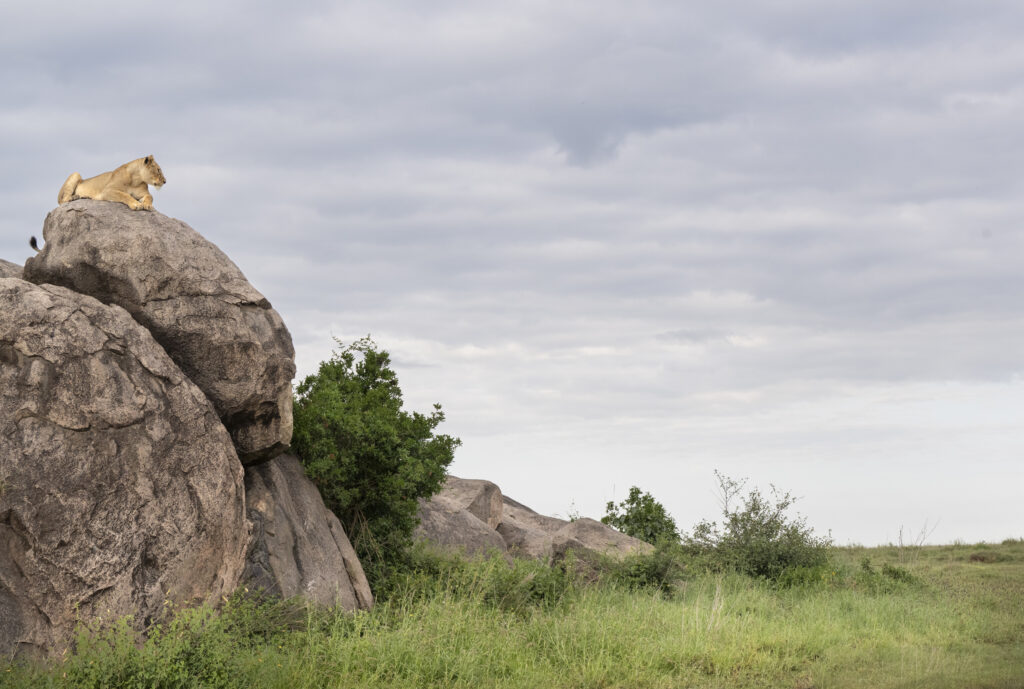
A tight portrait is often built around admiration. A wide image like a Lion on a Kojpe is often built around interpretation.
It asks a little more of the viewer. It invites them to take in the surroundings, notice the mood, and think about how the subject exists within the landscape. That creates a more layered experience.
This is especially valuable if you are trying to build a stronger wildlife portfolio. A gallery made entirely of close portraits may show technical skill. A portfolio that also includes environmental images usually feels more mature, more varied, and more complete.
How to Train Yourself to See Wide in the Field
Many photographers miss wide opportunities because they are so focused on getting close that they never pause to consider what the habitat is offering.
That can change.
Ask Yourself What the Environment Adds
Before making the obvious tight frame, ask: What does the habitat contribute here?
If the answer is very little, stay tight.
If the answer is mood, scale, atmosphere, or story, widen out and explore.
That question alone can change how you work in the field.
Take the Safe Shot First, Then Back Up
There is nothing wrong with getting the classic frame first. In fact, that is often smart.
But once you have it, do not stop there. Zoom out. Recompose. Move your position. Look for a version that includes more of the world around the animal. Some of your most memorable images may come after you already thought you were finished.
Study the Scene Before the Animal Arrives
Some of the best environmental wildlife images happen because the photographer recognizes the setting before the action begins. A clean patch of snow. A curve in the river. A dramatic line of trees. A pocket of light.
When the animal steps into that space, you are ready.
Study Photographers Who Use Habitat Well
If you want to get better at shooting wide, spend time looking at wildlife photography that uses environment with purpose. Notice how those photographers handle subject size, placement, mood, and simplicity. The more you study that approach, the more naturally you will begin to see those opportunities yourself.
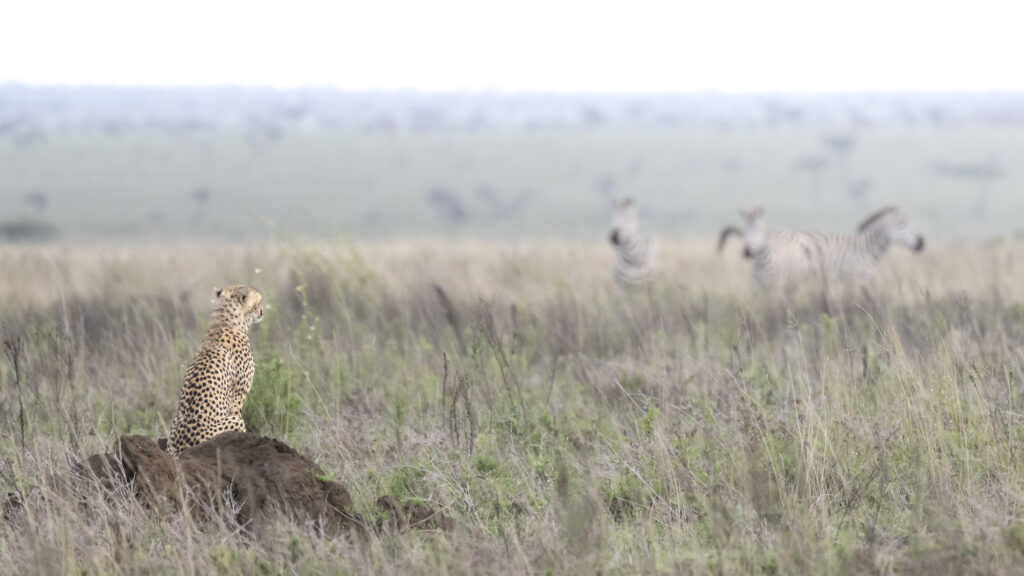
Not Every Animal Needs to Fill the Frame
This is worth remembering.
An animal does not need to dominate the frame to dominate the image.
Sometimes a smaller subject in the right setting feels more powerful than the tightest portrait. It feels more honest too. More connected to the truth of how wild animals actually live.
Wildlife exists in mountains, marshes, rivers, shorelines, deserts, forests, tundra, and open plains. When we include those elements with care, we stop making images that simply identify the subject.
We begin making photographs that reveal something about its life.
That is a meaningful shift. And it is often where stronger storytelling begins.
Final Thoughts
At Akari Photo Tours, we want photographers on our wildlife photography workshops to come home with more than sharp portraits and check-the-box sightings. We want them to create images with substance. Images that hold onto the feeling of a place. Images that show not just what they saw, but what it was like to stand there and witness it.
That is one reason learning when to shoot wide matters.
It helps you move beyond the instinct to make the subject as large as possible and toward the more thoughtful goal of making the image as meaningful as possible.
Tight wildlife portraits will always have a place. They should. They can be intimate, powerful, and beautiful.
But the next time you are photographing something extraordinary, give yourself a moment before you zoom all the way in. Look at the setting. Look at the light. Look at the shape of the land around the animal.
Ask yourself whether the habitat has something important to say.
Very often, it does.
And when it does, the wider frame may tell the better story.