Why Amboseli is desired by photographers
By Kevin Pepper |
You get clean compositions (without fighting the bush)
Amboseli’s open terrain is a gift. You can simplify frames. You can isolate a subject. You can build strong silhouettes and use negative space without branches turning every image into a puzzle.
This is where you practice the old rules that still work:
- clean backgrounds
- clear subject separation
- strong horizon discipline
- patience over chaos
And when the dust lifts in backlight, you get atmosphere that makes even a simple walking frame feel like a story.
The swamps change everything
Amboseli isn’t just “dry and dusty.” It’s a patchwork of habitats—especially the wetlands and swamps fed by water filtering through from Kilimanjaro’s melting ice cap, which create dependable water and green corridors in the dry country.
For photographers, that means:
- elephants feeding in green reeds (not always in brown scrub)
- animals wading and drinking at eye-catching waterlines
- birds… everywhere
Kenya Wildlife Service notes over 400 bird species recorded in the Amboseli ecosystem, including many birds of prey. So even if you came “for elephants,” your memory cards are going to disagree with all those bird photos.
Kilimanjaro is the ultimate “bonus layer”
Yes, you can photograph elephants in many places.
But elephants with Kilimanjaro is its own category. The mountain turns a strong wildlife photo into a place-based photograph—something that could only be made there.
And there’s a practical rhythm to it: clear views tend to happen early and late before heat and clouds build.
Which is perfect, because that’s when the light is best anyway.
What experienced safari photographers love most about Amboseli
If you’ve been on safari before, you already know the trap: you can spend all day collecting “good sightings” and come home with a folder of images that all feel the same.
Amboseli is where many experienced photographers start building work with more intention:
1) Behavior over portraits
Elephants in Amboseli aren’t just subjects—they’re families doing family things:
- dust bathing
- mud coating
- sparring
- trunk-to-mouth feeding
- quiet contact between individuals
When you slow down, you start making frames about the relationship, not just the scale.
2) Layers and storytelling
The best Amboseli images often have three layers:
- foreground subject (elephants, birds, giraffe, etc.)
- midground atmosphere (dust, swamp, acacias)
- background anchor (Kilimanjaro or a wide sky)
That’s a classic storytelling structure. It’s also why Amboseli images feel like they belong in a book, not just on a phone.
3) The “super tusker” possibility
Amboseli has been famous for big-tusked elephants for years, and conservation groups have highlighted the rarity of these individuals.
You may or may not see one on your trip—but the point is that Amboseli is one of the places where that kind of elephant still exists, and that adds weight to the experience.

Field notes: simple photo strategies that work here
Lenses
- A mid-range zoom (24–70) is more useful than people expect for wide environmental elephant frames.
- A 70–200 is your workhorse for behavior and clean portraits.
- A longer lens (300–600) helps for birds and tighter detail, especially around the swamps.
Exposure
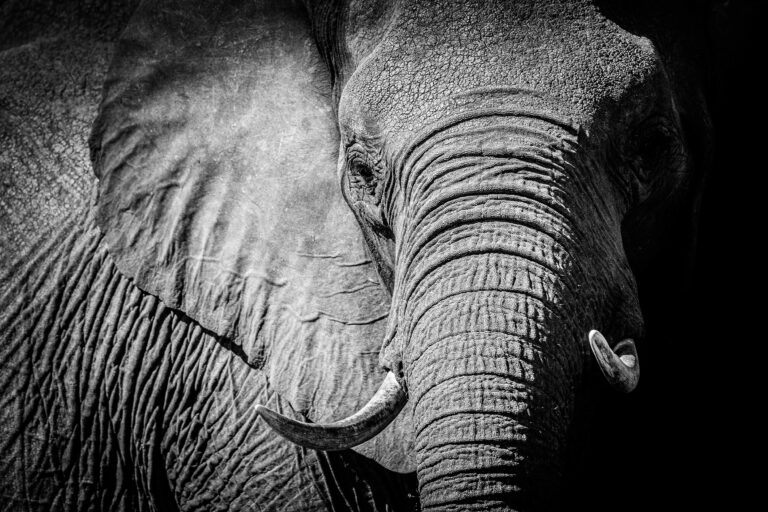
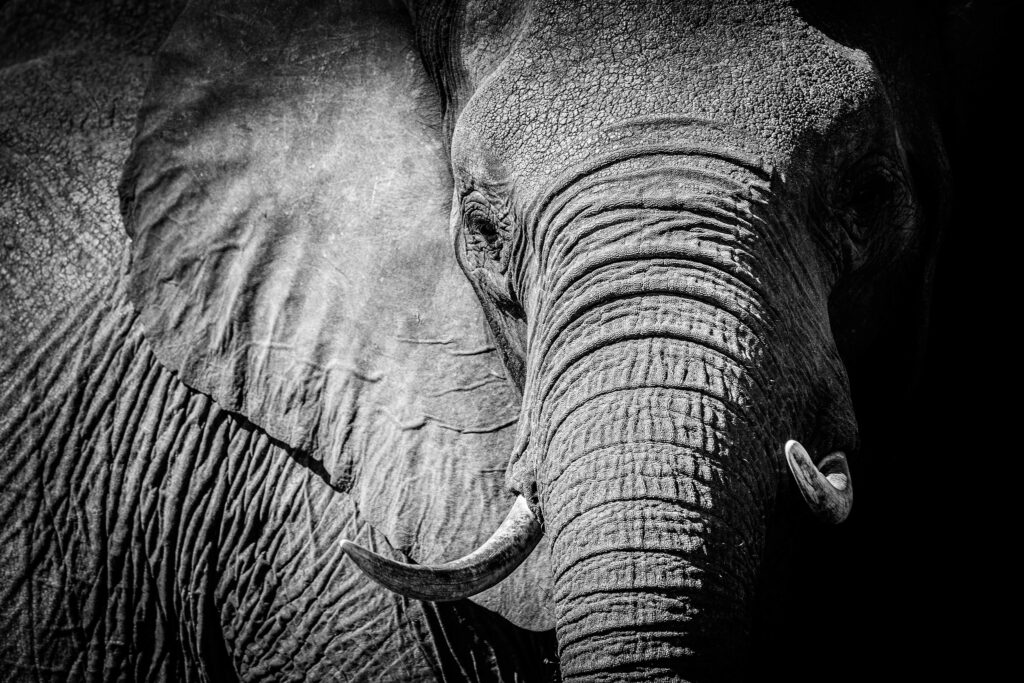
- Dust + bright sky can fool meters. Watch highlights on tusks and foreheads.
- If Kilimanjaro is in the frame, expose so the mountain keeps texture—don’t let it go flat and blown.
Compositions to hunt
- low-angle elephants with negative space
- single bull in dust with long shadow
- family line walking across the frame (leave space in front of movement)
- swamp-edge reflections and drinking moments
- birds riding on elephants (egrets can add story and scale)
Why photographers remember Amboseli
Because it doesn’t feel like a zoo on wheels. It feels like a stage.
You’re watching one of Africa’s most iconic animals moving through a landscape that’s both harsh and strangely gentle—dusty plains, green swamps, open sky—and then that mountain appears and reminds you: you’re small, and that’s the point.
Amboseli has a way of recalibrating photographers. You stop chasing. You start composing.
Join us in Kenya: Amboseli + Shompoli + the Masai Mara
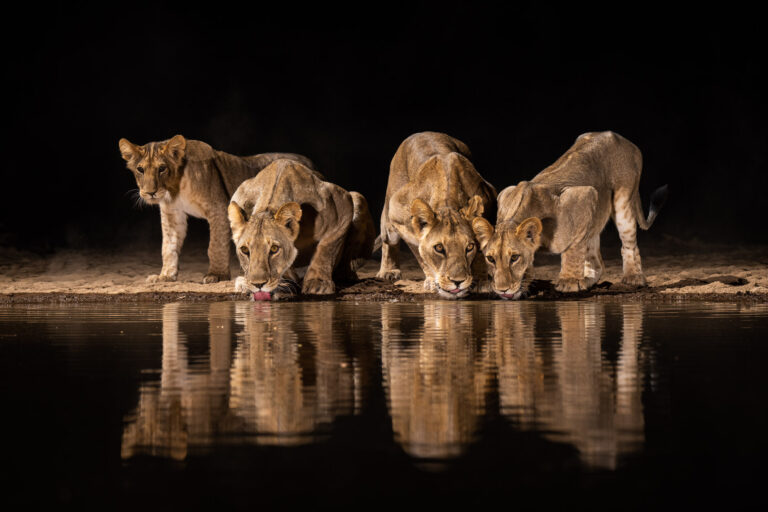
If Amboseli is where you build your elephant portfolio, the Masai Mara is where you go for predators and pressure—lions, cheetahs, leopards, hyenas, and the kind of fast-changing behavior that rewards anticipation and good positioning. Then we have Shompoli… where the wildlife comes to you at all hours of the day.
We pair them because they teach opposite (and complementary) skills:
- Amboseli: patience, composition, sense of place
- Mara: timing, behavior reading, storytelling sequences
- Shompoli: where the wildlife comes to you. Read about Shompoli here.
If you want Kenya with purpose—images that feel like Kenya, not just “a safari”—that combination is hard to beat. Join us on a Kenya photo safari.