China Wildlife and Culture Photo Workshop
- 16 Days
From $10,495 - Interests
- Birds, Culture & People, Wildlife
- Activity Level
- Moderate
- Group Size
- 6
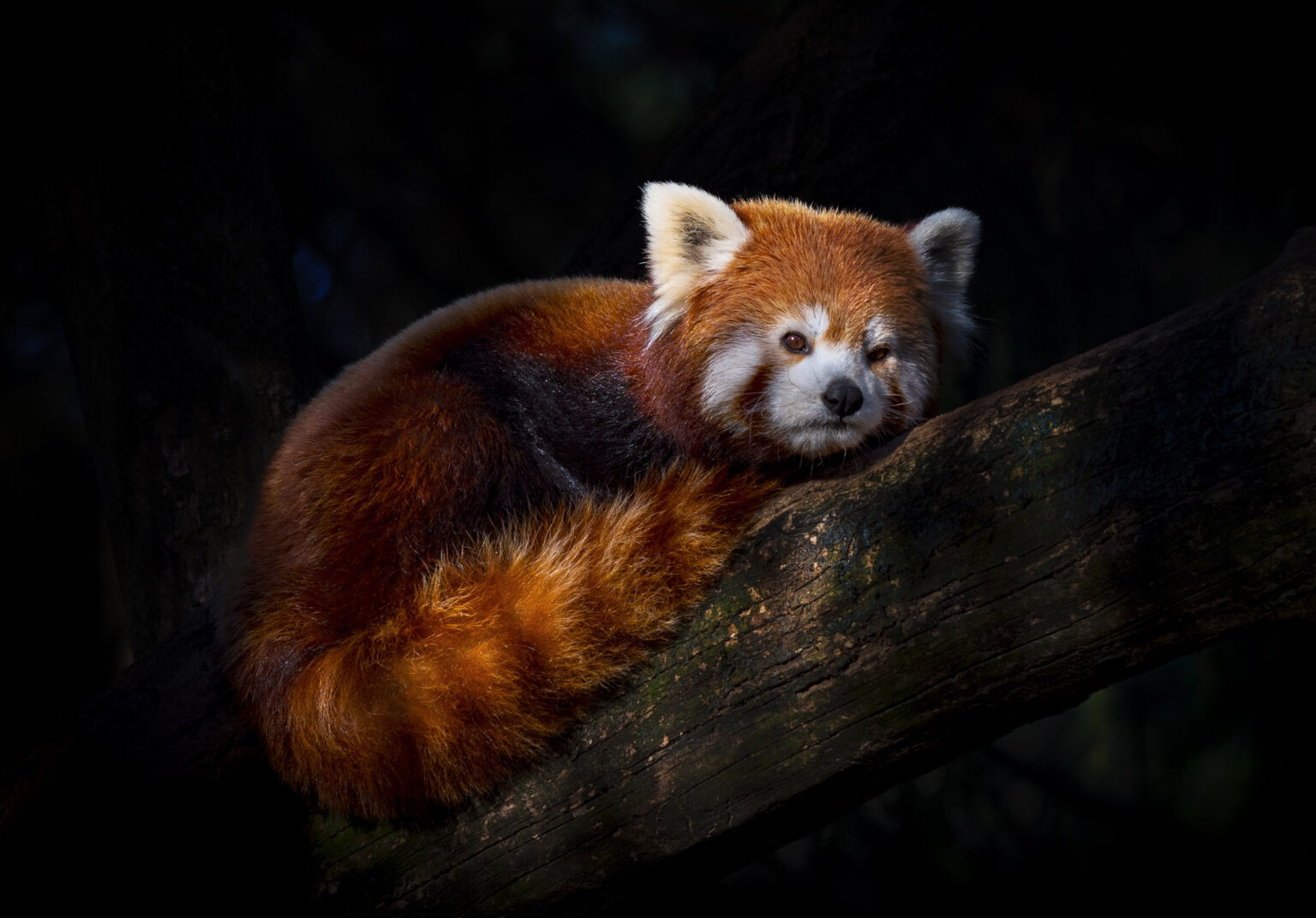
Photograph Red Pandas, Golden Snub-nosed Monkeys, colourful birds, and Giant Pandas, with a glimpse into China’s imperial past.
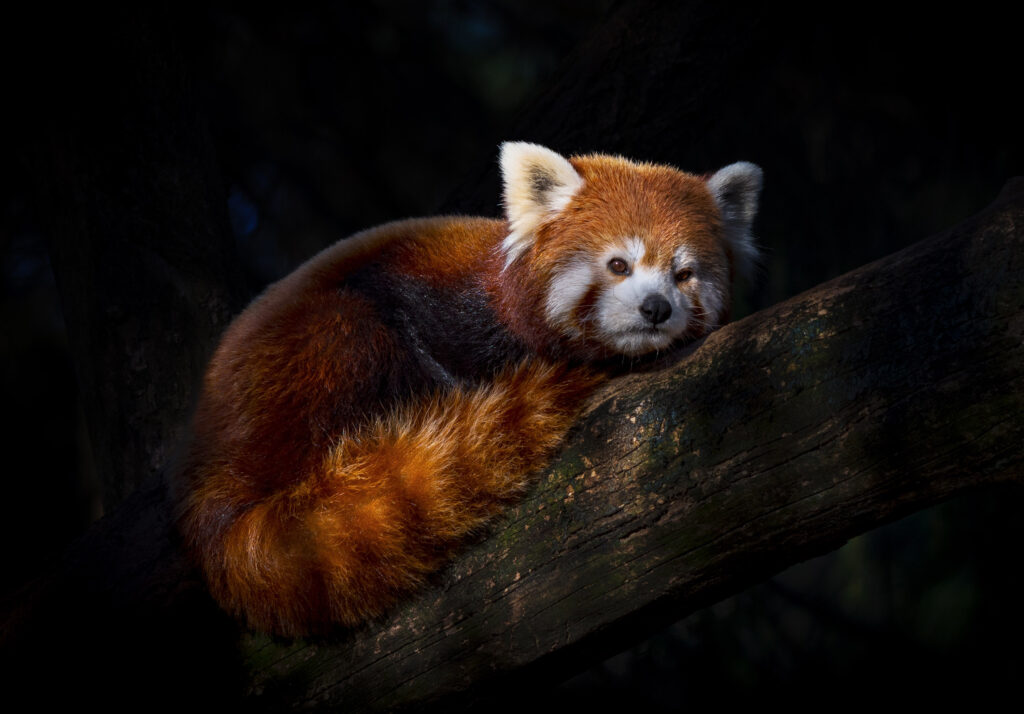
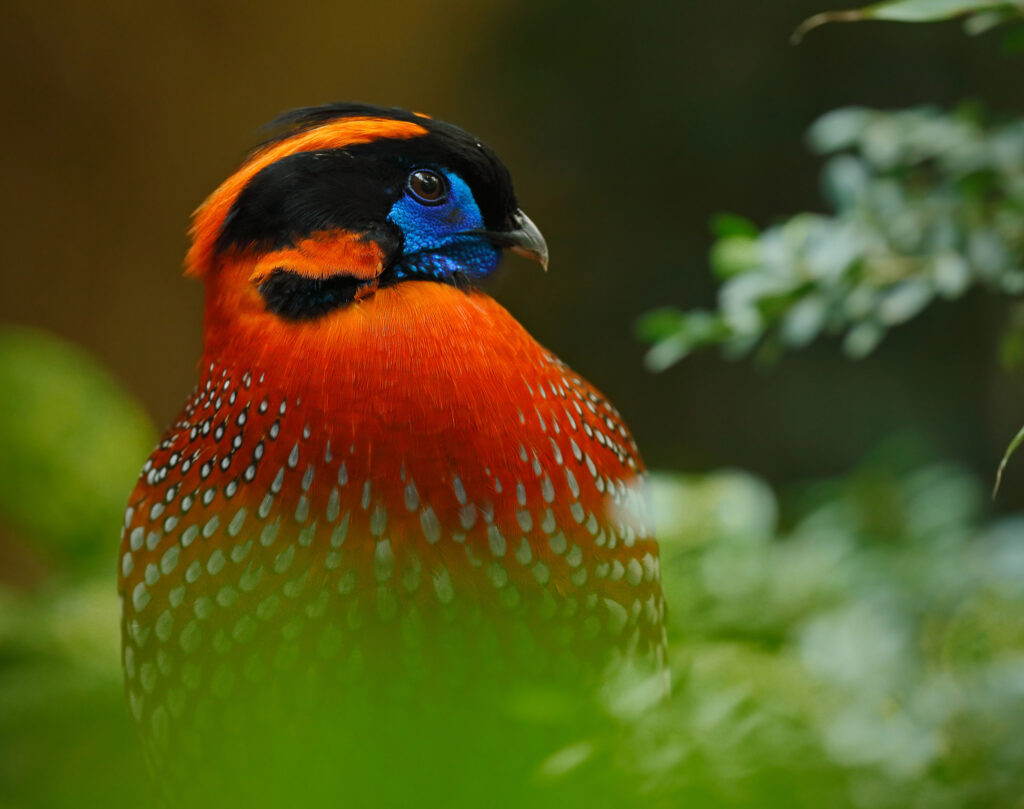
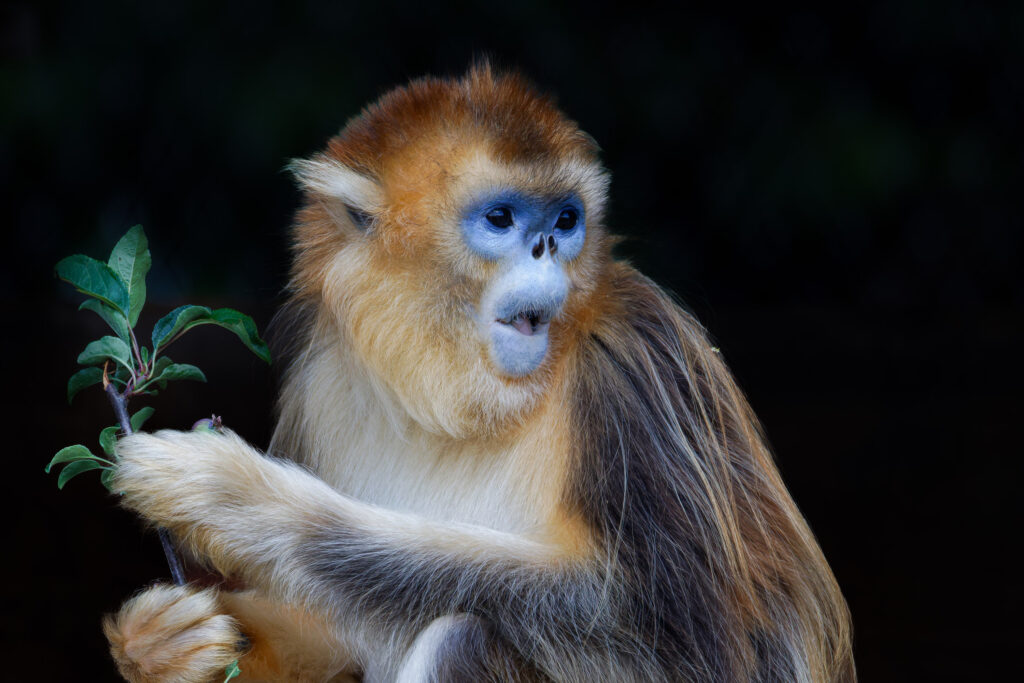
A wild Red Panda moving through a mountain forest. Golden Snub-nosed Monkeys gathered in a family group. A Temminck’s Tragopan stepping into view from a photography hide. This workshop puts China’s wildlife at the heart of the journey, with time to watch, learn, and create photographs you’ve been hoping to take.
Our travels in China began in 2016, and our years photographing across Asia have shaped how we lead: work with knowledgeable local guides, follow the wildlife’s pace, and give each encounter the time it deserves. With a small group, you’ll receive personal instruction and help when it matters—while the opportunity is in front of you.
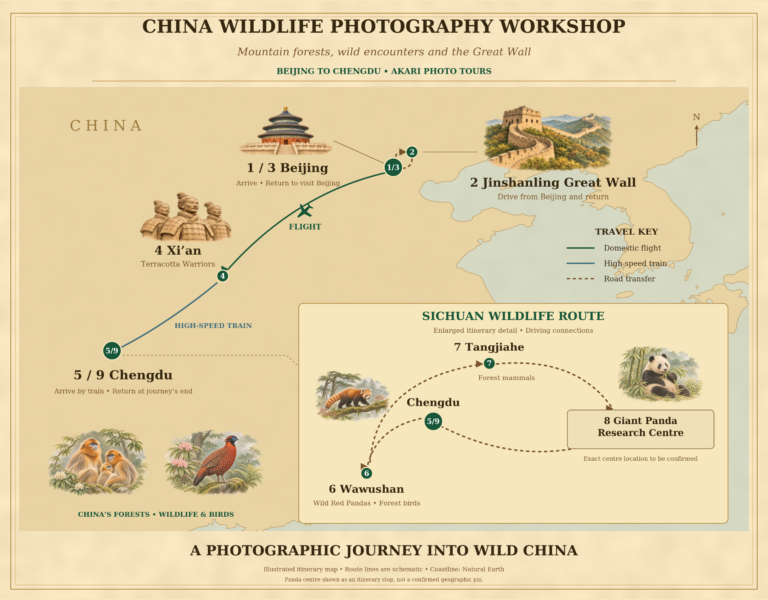
Sichuan is the focus of our wildlife photography. At Mount Wawushan, we’ll explore mountain forests in search of wild Red Pandas, watching for movement among the branches. A dedicated session with Golden Snub-nosed Monkeys offers opportunities to photograph their distinctive faces, family interactions, and behaviour. In Tangjiahe, we’ll search for takin, Tibetan macaques, Chinese goral, Chinese serow, Reeves’s muntjac, tufted deer, and other forest mammals. We’ll also visit a Giant Panda breeding and research centre to photograph this iconic species in a managed setting.
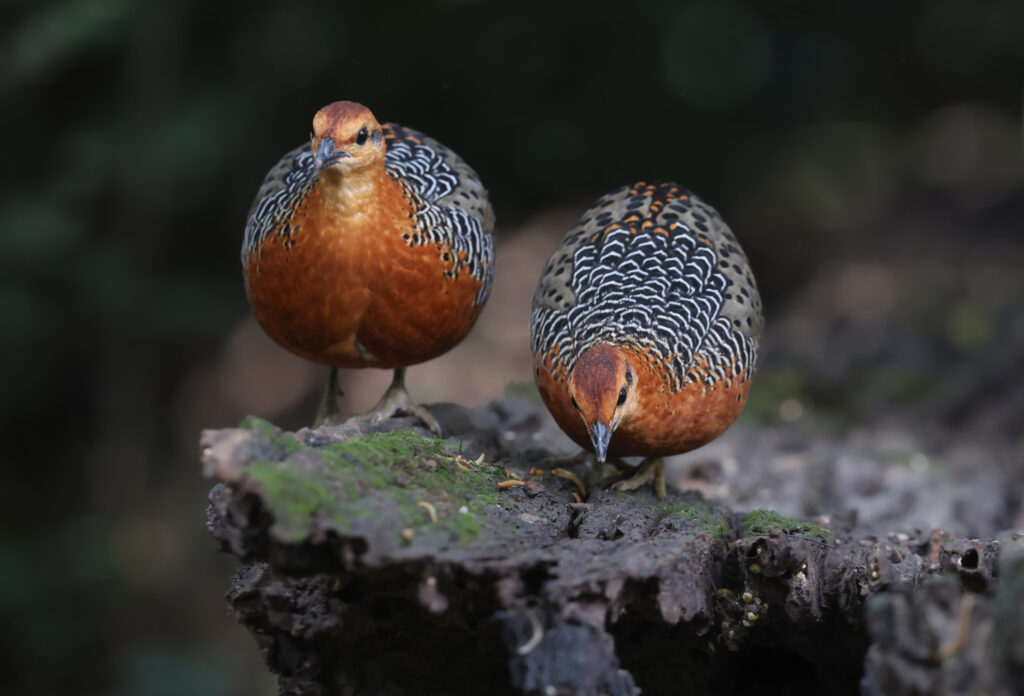
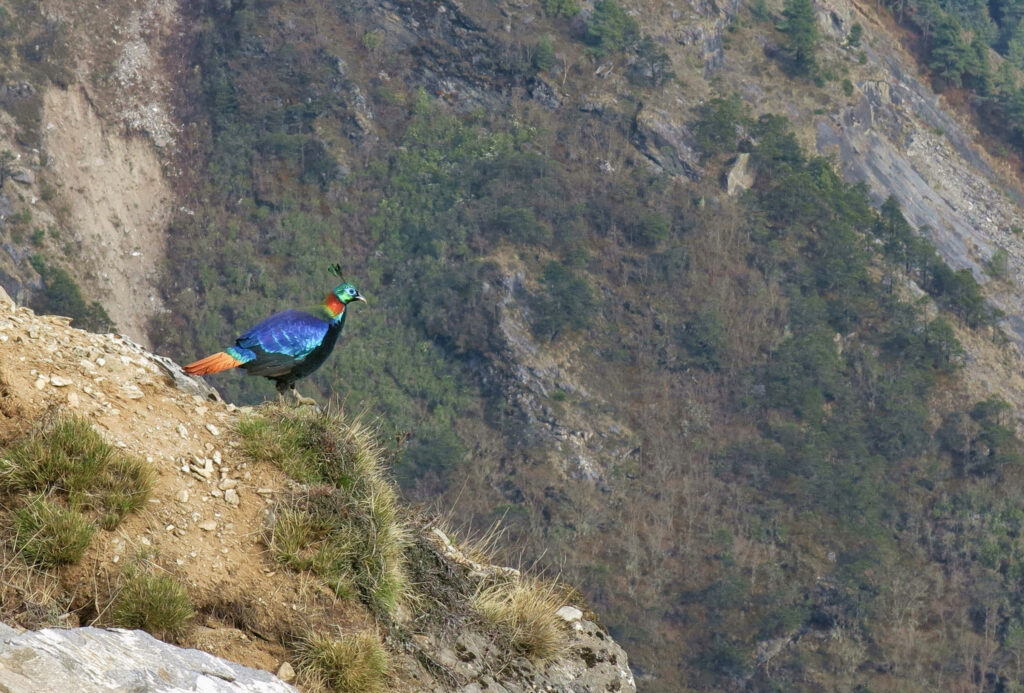
Bird photography takes us into dedicated hides and forest habitats, targeting Golden, Lady Amherst’s, Silver, and Koklass Pheasants, along with Temminck’s Tragopan, Sichuan Partridge, and Chinese Bamboo Partridge. Between sessions, we’ll watch for Sichuan’s smaller forest birds, including Emei Shan Liocichla, laughingthrushes, parrotbills, fulvettas, and forktails. Our local guides will help us respond to recent activity and changing conditions. Wild sightings are never guaranteed, and patience will be part of the experience.
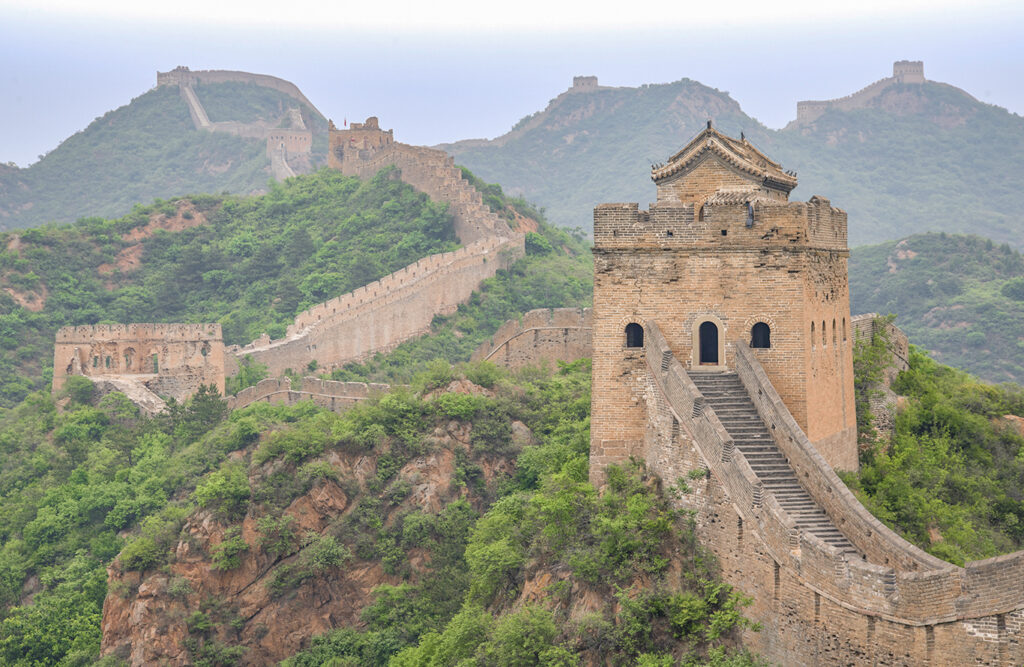
Along the way, we’ll make time for a few of China’s historic landmarks, including the Great Wall at Jinshanling, Imperial Beijing, and Xi’an’s Terracotta Warriors. These visits add another dimension to a journey built around wildlife.
Throughout the workshop, we’ll help you work with forest light, find cleaner backgrounds, anticipate behaviour, and adjust your camera settings as opportunities unfold. We handle the logistics so you can concentrate on your photography and enjoy the encounters.
Highlights
- China’s remarkable wildlife — Search for wild Red Pandas, photograph Golden Snub-nosed Monkeys, and visit a Giant Panda centre, with opportunities for takin, macaques, and other mountain mammals.
- Pheasants and forest birds — Photograph colourful pheasants and Sichuan’s forest birds from dedicated hides, with local experts helping us make the most of each session.
- From the Great Wall to Sichuan’s forests — Capture sunrise and sunset at a remote section of the Great Wall, Jinshanling, then explore Mount Wawushan, Pingshan, and Tangjiahe Nature Reserve.
- Step into China’s history — Photograph Beijing’s Forbidden City, Tiananmen Square, Summer Palace, and Temple of Heaven, then discover the faces and formations of Xi’an’s Terracotta Warriors.
- Small group, personal instruction — Enjoy time with your photography leaders, individual guidance, and help with everything from architectural compositions to anticipating wildlife behaviour.
- We handle the details — Accommodations, transfers, local guides, and daily planning are taken care of, so you can focus on your photography and enjoy your holiday.
What You'll Learn
- Work with changing light — Adapt your exposure for sunrise on the Great Wall, shaded forests, and indoor scenes around the Terracotta Warriors.
- Create stronger compositions — Use leading lines, layers, patterns, and reflections to bring structure to landscapes and architecture, and find cleaner backgrounds for wildlife.
- Anticipate wildlife behaviour — Recognize cues that help you prepare for movement and interactions, giving you a better chance of capturing the moment.
- Take control of your camera — Choose autofocus modes, shutter speeds, apertures, and ISO settings that suit the subject, whether you’re photographing a moving monkey or an imperial courtyard.
- Tell a story through your photographs — Combine wide views, intimate portraits, and small details to create a collection that captures both China’s cultural heritage and its wildlife.
Your Guides
-

Kevin Pepper
Nov 5–20, 2028May 7–22, 2029
Activity Level
Participants should be comfortable walking on uneven ground, climbing steep stone steps on the Great Wall, and following forest trails while carrying their own camera equipment. Reaching the Golden Snub-nosed Monkey photography area involves an uphill walk with boardwalk stairs; we’ll allow time for a comfortable pace, but a reasonable level of fitness and mobility is required.
This tour has an activity level of Moderate. Read more about the Activity Levels for our trips.

Itinerary
-
This tour offers opportunities to photograph wildlife. We'll maximize our chances of encountering wildlife, but we want to remind you that we don't control wildlife and cannot guarantee encounters with particular species. Itineraries for wildlife trips are subject to change based on wildlife activity.
-
Day 1: Welcome to Beijing
Arrive at Beijing Capital International Airport (PEK) before 12:00 PM on this day. Air travel delays are possible, so please consider arriving early, possibly the day prior. We don't want you to miss out on trip activities. Airport transfer is included on arrival.
Our journey begins in Beijing, where we’ll gather this evening for a welcome dinner. It’s a chance to get acquainted, talk about what you hope to photograph, and look ahead to our time together—from the watchtowers of the Great Wall to the mountain forests of Sichuan.
-
Day 2: Into the Mountains—The Great Wall at Jinshanling
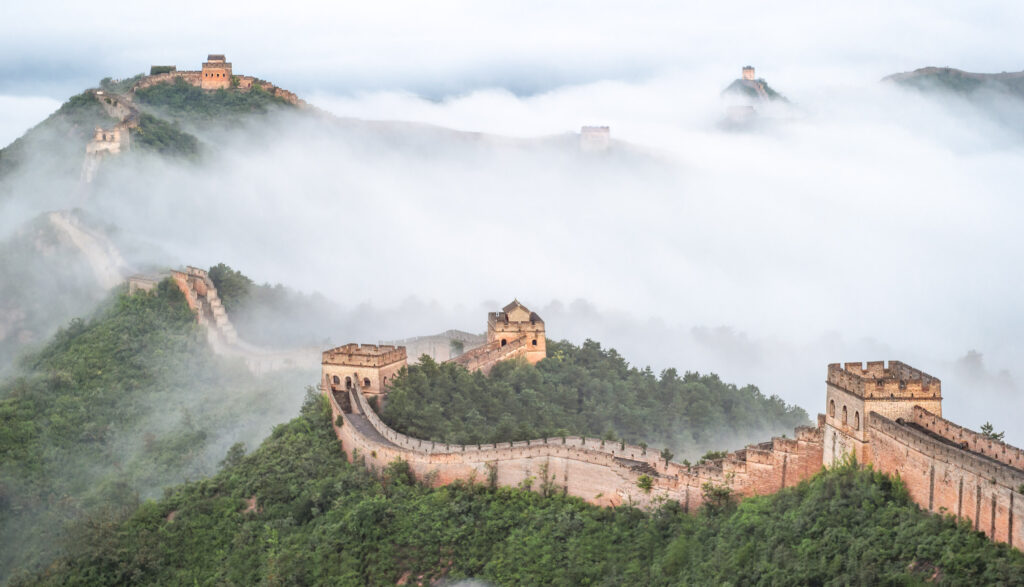
Leaving Beijing behind, we travel to Jinshanling and settle into our nearby hotel before heading onto the Great Wall for an afternoon of photography.
From the wall, the landscape unfolds in layers, with stone fortifications tracing the ridgelines into the distance. We’ll work on compositions that convey that scale, then look closer at individual towers, weathered masonry, and the curves connecting them. As sunset approaches, we’ll follow the light and choose our positions carefully.
-
Day 3: First Light on the Great Wall, Afternoon at the Summer Palace
An early start brings us back onto the Great Wall. Morning offers fresh possibilities: different shadows, a new light direction, and another chance to build on the previous evening’s photographs.
Following our sunrise session, we return to Beijing and check into our hotel. Our afternoon takes us to the Summer Palace, where imperial buildings, covered walkways, and lakeside scenes invite a slower approach. We’ll look for reflections, architectural details, and compositions that connect the palace grounds with the surrounding landscape.
-
Day 4: Photographing Imperial Beijing
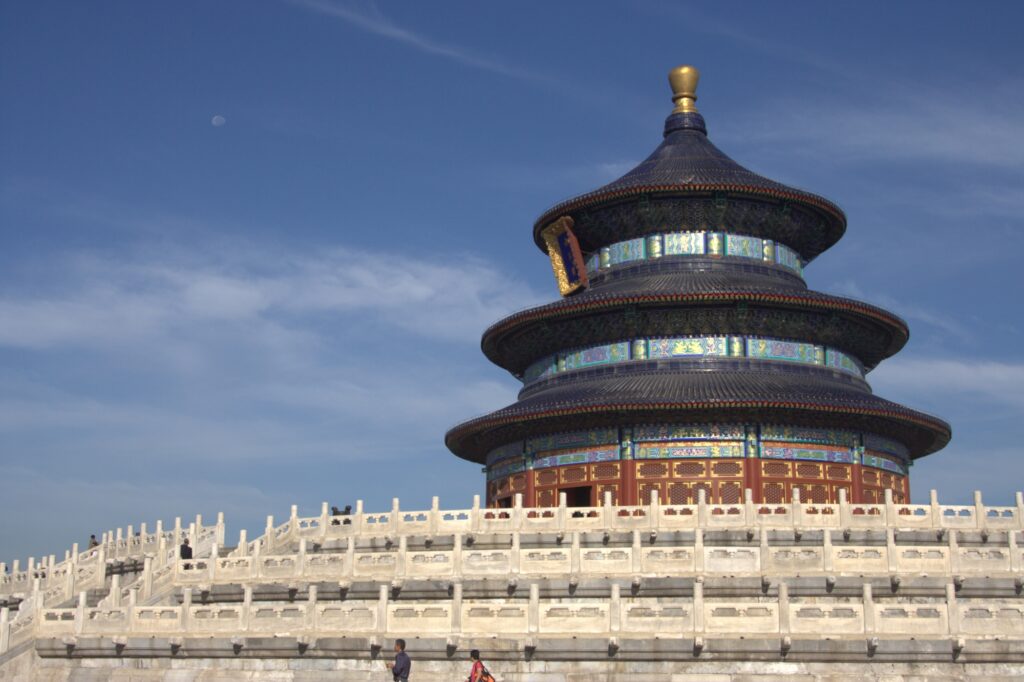
We begin at the Temple of Heaven, with time to photograph the Hall of Prayer for Good Harvests and explore the spaces around it. Bold colors and balanced architecture give us opportunities to work with symmetry, while smaller details offer a more personal interpretation of the site.
Later, Tiananmen Square and the Forbidden City bring a different sense of scale. Across courtyards and through gateways, we’ll look for photographs that communicate the character of imperial Beijing—from broad architectural views to a single detail that holds your attention.
-
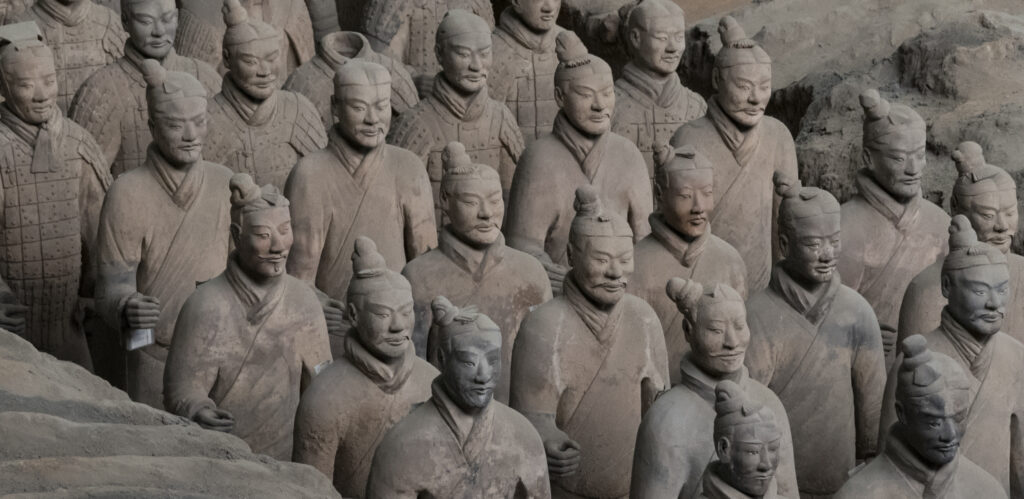
Day 5: Xi’an and the Terracotta Army
Today we fly to Xi’an to visit the Terracotta Warriors.
Rows of figures create an immediate impression, but the photographic challenge is deciding how to tell the story. We’ll look for patterns across the army, then isolate faces and details where the viewing areas allow. Working indoors, we’ll adapt our settings to the available light and practice steady handheld technique. All photography will follow the site’s regulations.
-
Day 6: Onward to Chengdu
We fly to Chengdu today, marking the transition between the cultural and wildlife portions of our journey.
The coming days bring a different pace and a different set of photographic challenges. Architecture stays where you leave it. Red pandas tend to have their own plans.
-
Day 7: From Chengdu to Wawushan
After breakfast, we drive approximately three and a half hours to the mountains around Mount Wawushan.
Once we’ve checked into our accommodations, we’ll head out for an introduction to the area if time and conditions permit. These first hours give us a chance to become familiar with the forest habitat, watch for local birds, and prepare for the wildlife photography ahead.
-
Day 8: Searching for Wild Red Pandas
We spend today searching Mount Wawushan’s forests for wild red pandas, working with our local guide to concentrate on promising areas.
Finding a subject among branches and foliage calls for patience. When opportunities arise, we’ll pay attention to positioning, backgrounds, and the brief openings that can make a photograph work.
We’ll also watch for mountain birds, potentially including laughingthrushes, parrotbills, scimitar babblers, Sichuan Treecreepers, and Emei Shan Liocichla. Our route and pace will reflect the weather and wildlife activity.
-
Day 9: A Final Wawushan Session, Then Pingshan
Another morning at Wawushan gives us more time in red panda habitat before we move on.
Returning to the forest allows us to respond to what we learned the day before, revisit promising locations, and take advantage of any new opportunities. Birds and other forest subjects will remain part of our search.
Later, we travel to Pingshan, our base for the next stage of the trip: photographing pheasants and other birds from dedicated hides.
-
Day 10: A Day in the Bird Hides
Today we settle into photography hides and let the activity in front of us guide our work.
Possible visitors include Lady Amherst’s Pheasant, Silver Pheasant, Temminck’s Tragopan, Sichuan Partridge, and Chinese Bamboo Partridge, along with smaller forest birds.
With time to study our surroundings, we’ll work on exposure, background selection, and anticipating movement. Quiet periods are part of hide photography; being ready when a bird appears is what matters. Our local guide will help us plan around the day’s conditions and activity.
-
Day 11: Morning Bird Photography and the Journey to Tangjiahe
We’ll spend the morning in the hides before departing for Tangjiahe National Nature Reserve.
This is our longest travel day, with much of the day devoted to the transfer. On arrival, we check into our accommodations inside the reserve for the best wildlife access and settle in for two full days exploring its wildlife habitats.
-
Day 12: Mammals and Birds of Tangjiahe
Our first full day in Tangjiahe takes us through forests, river valleys, and mountain terrain in search of wildlife.
We’ll get out early before the crowds and stay out later than the tourists to watch for takin, Tibetan macaques, goral, serow, Reeves’s muntjac, tufted deer, and wild boar. Birds may provide opportunities throughout the day, from pheasants moving through cover to dippers along the waterways.
Our approach will depend on what we find. Sometimes we’ll keep moving; at other times, staying with a subject and waiting for behavior will offer the stronger photographic opportunity.
-
Day 13: More Time in Tangjiahe
A second full day lets us build on our experience in the reserve. We may return to an area with recent sightings, explore another habitat, or spend longer watching a productive location.
Expect a combination of driving, walking, and patient observation, with decisions shaped by weather, access, and our guide’s local knowledge.
Tangjiahe also shelters elusive species such as Asian black bears and wild giant pandas. These are exceptional possibilities, and our time here will focus on the wildlife we can realistically locate and photograph.
-
Day 14: Golden Snub-nosed Monkeys
Today we focus on golden snub-nosed monkeys, allowing as much time as conditions permit to observe and photograph these social primates.
Beyond individual portraits, we’ll look for interactions: youngsters playing, family members gathered together, and quieter moments between bursts of activity. Watching those relationships can help us anticipate photographs with a stronger story.
Reaching the photography area requires an uphill walk that includes boardwalk stairs. We’ll allow time for the climb and move at a comfortable pace. After our session, we continue to Dujiangyan for the night.
-
Day 15: Giant Pandas and Our Final Evening in Chengdu
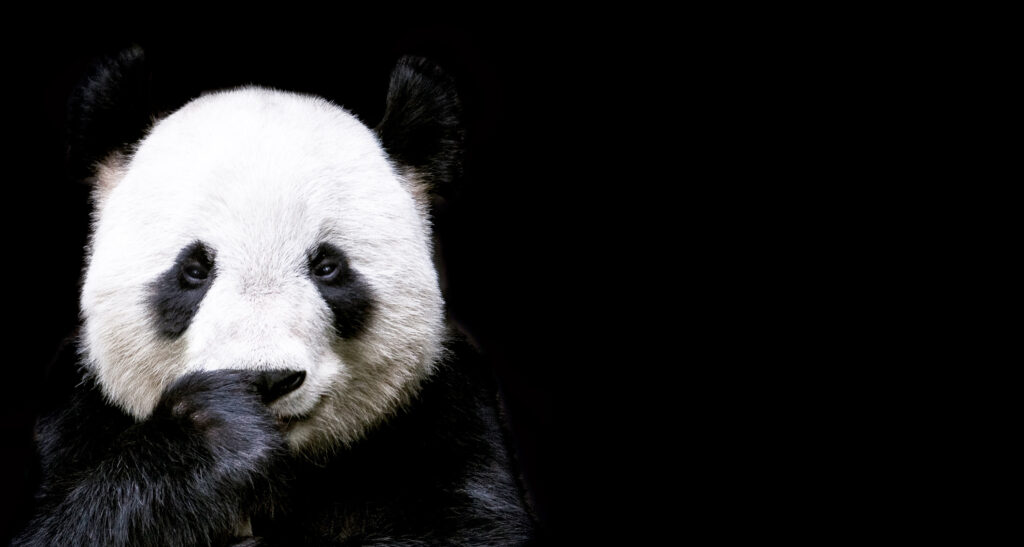
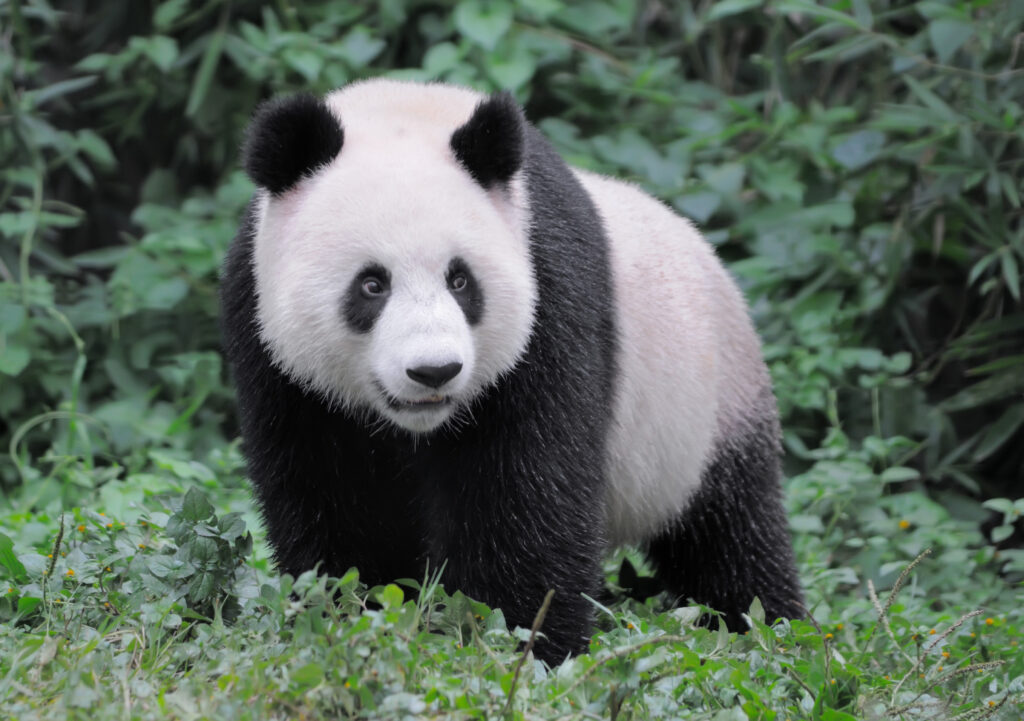
We begin at a giant panda breeding and research center, where a managed setting gives us a much more dependable opportunity to see and photograph pandas than searching for them in the wild.
We’ll look beyond a simple record photograph, paying attention to posture, expression, and behavior while working within the viewing areas.
Later, we’ll seek opportunities with Golden Pheasants and other birds, adjusting our plans to recent sightings and local conditions. We then return to Chengdu, check into our hotel, and gather at a traditional Sichuan restaurant for our farewell dinner.
-
Day 16: Depart Chengdu
Our workshop concludes today as we begin your journey home.
From the Great Wall to Sichuan’s forests, we’ve worked with very different subjects and photographic challenges. You’ll leave with new images, shared memories, and techniques to carry into your next adventure.
Departure from Chengdu Shuangliu International Airport (TFU). You can book your return flight for anytime this day. Airport transfer is included on departure.
Accommodations
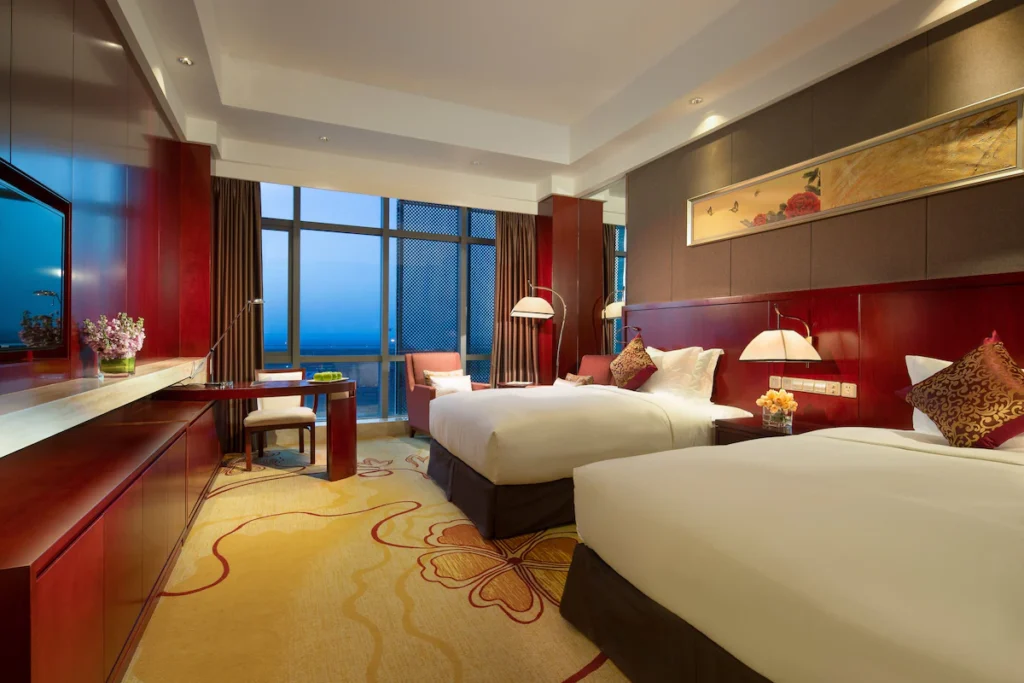
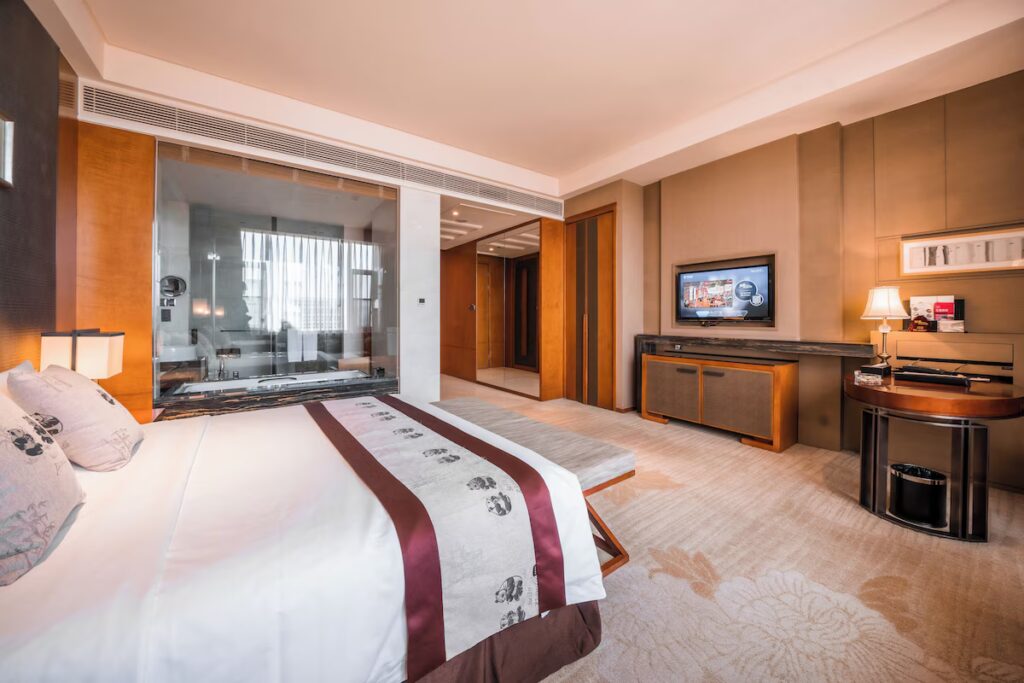
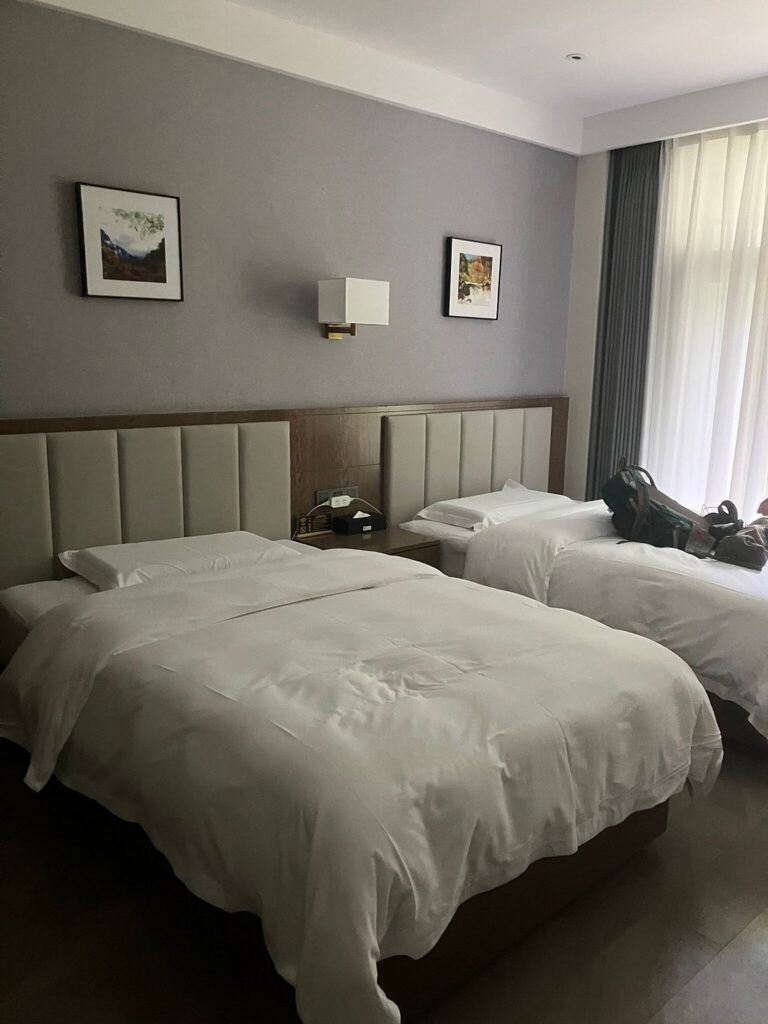
We’ve chosen our accommodations with location, comfort, and upgraded amenities in mind, keeping us close to our photography locations while providing a welcoming place to recharge. Standards and facilities vary between city hotels and remote wildlife areas, but our focus remains the same: a comfortable stay that supports your enjoyment of the journey.


Why Travel With Us
Our small-group trips are designed for photographers, with guides who know the best locations and offer instruction to help improve your photography. Read more about why you should travel with us.
Dates & Prices
-
Nov 5–20, 2028$10,495 USD Per PersonDouble Occupancy$1,495 USDSingle SupplementRegister3 Spots LeftGuides: Kevin PepperGroup Size: 6Payment Terms: Deposit: $2,500 USD (at booking)Final: $7,995 USD (due Jul 8, 2028)
-
May 7–22, 2029$10,495 USD Per PersonDouble Occupancy$1,495 USDSingle SupplementGuides: Kevin PepperGroup Size: 6Payment Terms: Deposit: $2,500 USD (at booking)Final: $7,995 USD (due Jan 7, 2029)
All of our standard Terms & Conditions apply. Be sure to read our Cancellation Policy.
What's Included
- Double occupancy lodging. Single lodging is available with payment of a single supplement fee.
- All transportation during the tour, excluding internal flights.
- Airport transfers at arrival/departure and during the tour.
- All meals, soft drinks, water, and snacks during the tour.
- English-speaking local guides.
- Gratuities for local guides
- Excess baggage fees
- All permits and entry fees.
- Instruction, guidance, and image reviews from our expert photography guides.
- Personal pre-trip phone consultation.
What's Not Included
- Airfare to and from destination, airport taxes, and excess baggage fees.
- Passport and visa fees, if applicable.
- Travel medical & evacuation insurance (required).
- Trip cancellation insurance (optional but recommended).
- Alcoholic beverages.
- Any accommodations or meals before or after the tour dates.
- Items of a personal nature.
Prepare for Your Trip
Please review our photography travel resources, including know your camera and our camera gear list, to help you plan your trip. Before your trip, we’ll contact you with more detailed gear recommendations specific to your trip.
Also, get a head start on your workshop learning experience with our wildlife photography tutorials.