Wildlife photography in Africa vs North America: What every photographer should know
By Kevin Pepper |
After more than a decade of guiding wildlife photography workshops across North America and Africa, I’ve come to believe that where you photograph wildlife shapes you just as much as how you photograph it. Let’s dig in and look at the differences between wildlife photography in Africa vs North America.
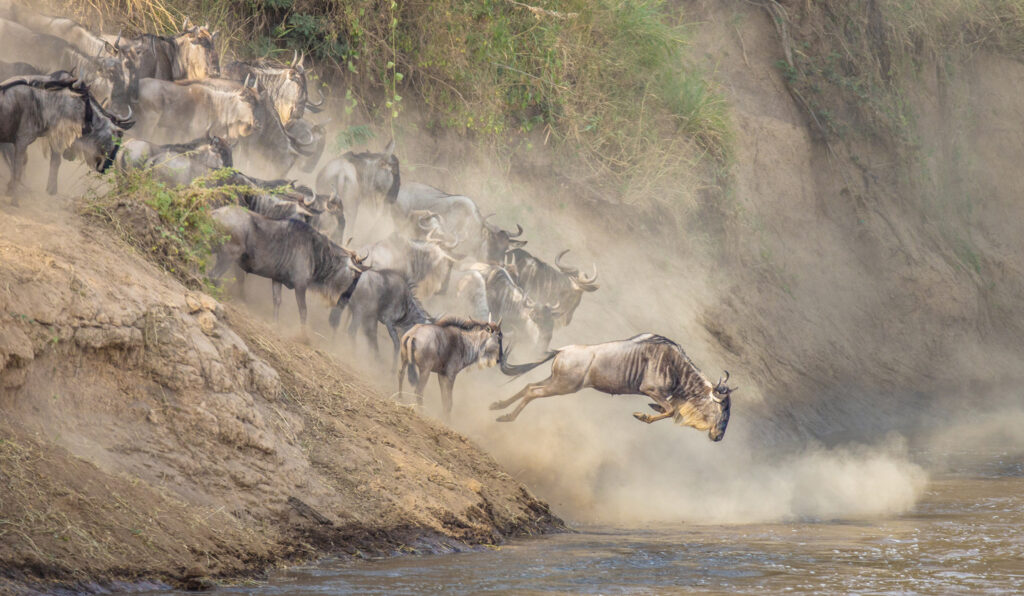
I’ve crouched quietly in the forests of British Columbia, waiting for a grizzly to emerge through the mist. I’ve sat still in a blind in the Yukon’s boreal forest hoping for the flick of a lynx’s ear in dense undergrowth. And I’ve stood on the open plains of the Serengeti as tens of thousands of wildebeest thundered past under an orange African dawn.
Both continents offer breathtaking experiences—but they ask different things of you as a photographer. North America rewards the quiet hunter with patience – Africa, well, she rewards the storyteller.
If you’re a North American photographer considering your first African photo safari—or a seasoned safari-goer curious about photographing wildlife closer to home—knowing how these two continents differ is key to setting the right expectations and capturing stronger images. One of the questions I get asked most often is, “What’s the real difference between photographing wildlife in Africa and in North America?” The answer isn’t just about the animals—it’s about how the landscapes, light, behavior, access, and pace of the experience shape your entire approach behind the lens.
1. Animal behavior and visibility – Wildlife photography in Africa vs North America
Africa:
The wildlife feels endless. On a single game drive, you might photograph elephants bathing at a riverbank, a pride of lions dozing under an acacia tree, and giraffes silhouetted against the setting sun. Many species live in open savanna habitats and move in large groups, so sightings are frequent, often prolonged, and full of interaction. Predators like lions, leopards, and cheetahs are crepuscular, meaning you’ll catch them during golden hours when the light is at its best.
Anecdote: I once spent 45 minutes photographing a Cheetah lounging on a kopje in Tanzania. We stayed with her until she descended and stalked toward a herd of gazelles. That sequence—unfolding slowly, naturally—remains one of the most complete wildlife narratives I’ve ever captured.
North America:
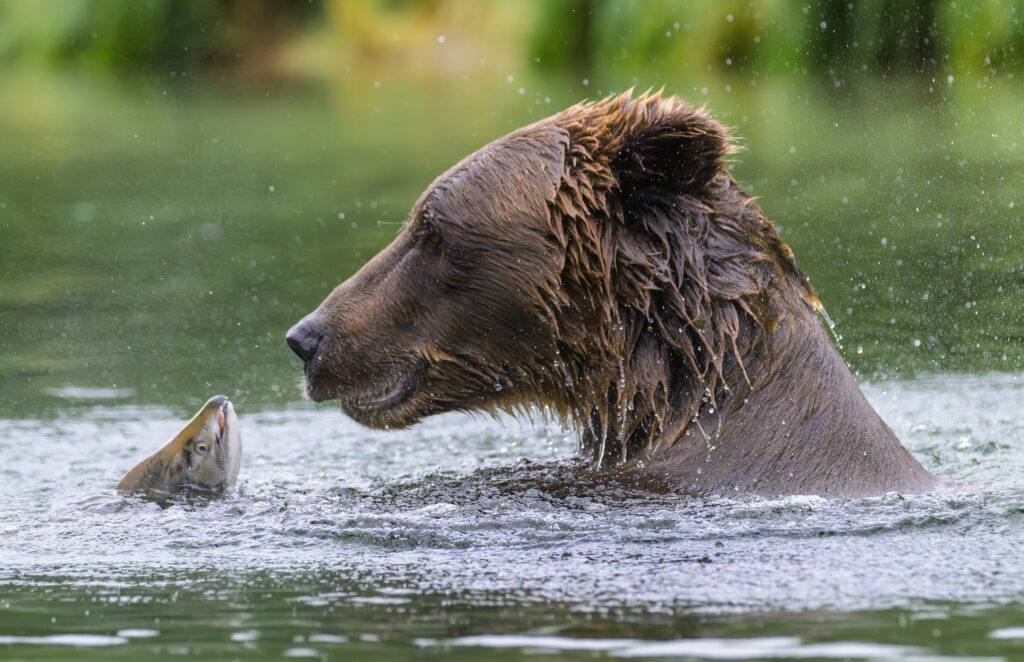
Here, sightings feel more earned. Wildlife tends to be solitary and reclusive—bears, moose, wolves, and bobcats don’t live to be seen. You work harder for each opportunity. You wait longer. You listen for rustling branches, for the soft crunch of snow. When an animal finally appears, the payoff is often deeply emotional.
2. Landscape and composition
Africa:
The open plains invite grandeur. You have space to work—foregrounds, backgrounds, distant horizons. You can layer a wildebeest herd into golden grasslands, frame an elephant against a violet dusk sky, or shoot a lion backlit in morning mist. Both wide and telephoto lenses sing here. It’s a playground for environmental storytelling.
North America:
Landscapes are tighter—forests, mountains, wetlands, deserts. Framing clean shots can be tricky. Trees obscure movement, underbrush hides subjects, and backgrounds can be cluttered. But when you get it right—a wolf on a ridgeline, a moose in snow-dusted pine—the image has a soul that only this type of terrain can give.
3. Light and timing
Africa:
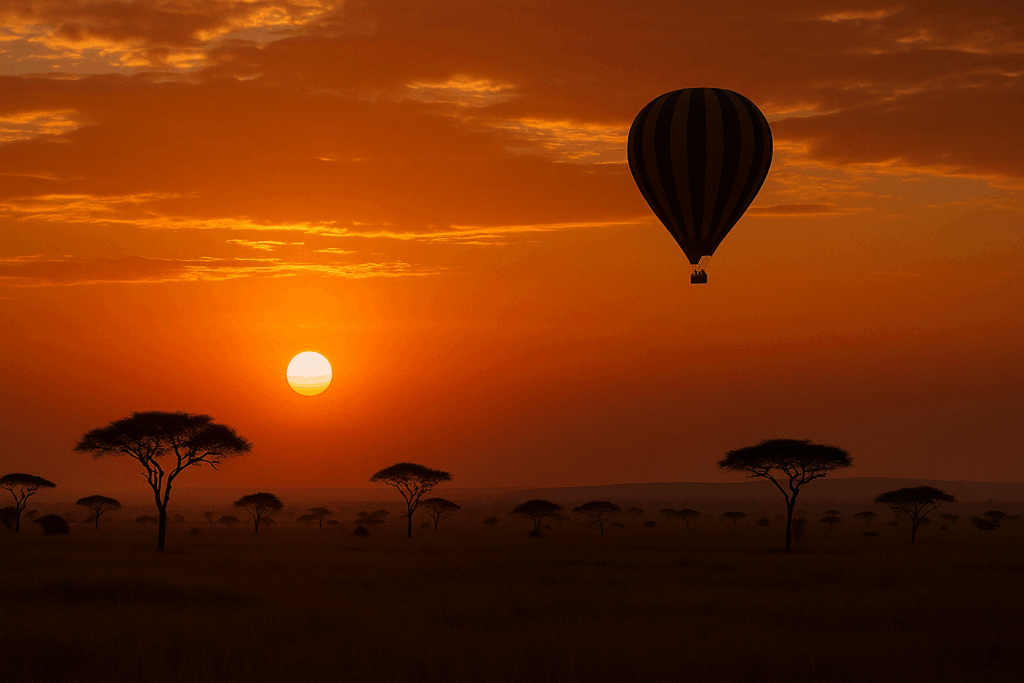
The light in Africa isn’t just good—it’s legendary. Golden hours stretch longer. Dust in the air creates a warm, cinematic haze. Even the blue hour has a richness to it. Every morning and evening, nature feels like it’s giving photographers a stage, and every animal becomes an actor in the best light show on Earth. You can read what I wrote about the magic of African light here.
North America:
Light here is more elusive. You’re often working in shade, with dappled forest light or moody weather. Sunlight filters through leaves, and snowflakes catch backlight for a fleeting moment. It’s less dramatic—but more mysterious. You may need to lean harder on editing to bring out what your eye saw.
4. Access and logistics for wildlife photography in Africa vs North America
Africa:
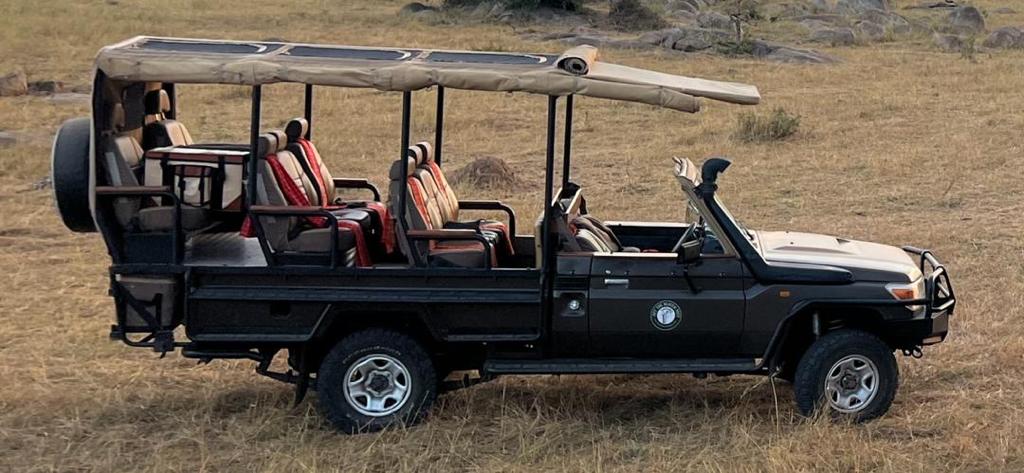
On a properly organized photo safari, you’re in a private vehicle with a local guide and tracker who know the terrain and the animals intimately. They position you perfectly for light and behavior. You don’t hike or stalk—you observe, anticipate, and shoot from a safe, stable platform. It’s immersive and supportive, especially for photographers.
Pro Tip: In places like Botswana or Kenya, your guide may spot a lion’s twitching tail in tall grass before you even raise your binoculars. That kind of expertise is priceless.
North America:
Much of your work is solo. You drive your own vehicle, hike the trails, track signs, and rely on your knowledge of animal behavior. It’s freedom—and responsibility. The encounters are often closer to the ground, literally and figuratively. You may be kneeling in cold mud to catch a fox slinking through the reeds.
5. Species diversity and density – Wildlife photography in Africa vs North America
Africa:
The sheer number of species is staggering. In a single day, you might photograph dozens of birds, multiple big mammals, predators, and grazers—sometimes in the same scene. You’re not just collecting subjects; you’re immersed in an ecosystem teeming with life.
North America:
Encounters are fewer, but sometimes more powerful. A single wolf, a solitary bear, or an owl in flight can carry enormous narrative weight. You’re not chasing abundance—you’re chasing meaning.
6. Safety and photography conditions
Africa:
You’re typically in vehicles or hides, under the watch of experienced professionals. That allows you to get very close—sometimes shockingly close—to big game. But it’s still wild. Heat, dust, and fast action require good gear management and readiness at all times.
North America:
Here, you’re often exposed. You’re hiking with your gear, managing scent and wind direction, constantly checking your surroundings. You might face deep cold, snow, rain, or rugged terrain. It’s less predictable and more physically demanding—but the rewards are deeply satisfying.
7. Storytelling opportunities
Africa:
Each game drive feels like a new chapter. The drama unfolds continuously—lion cubs playing, cheetahs scanning the horizon, elephants guarding calves. You can build visual narratives quickly and with depth. Your memory cards fill with stories, not just scenes.
North America:
You might come home with fewer images—but each one tends to carry weight. The stories are quieter, slower, but often more emotionally personal. They feel earned. And sometimes, that single image of a lone grizzly in falling snow can say more than an entire series.
Final thoughts: Wildlife photography in Africa vs North America – Two worlds, two ways of seeing
If you’ve only photographed wildlife in North America, Africa will open your creative senses in ways you can’t imagine. The scale, the rhythm of life, the quality of light—it’s a visual symphony that rewires how you see.
If you’ve only photographed in Africa, venturing into North America’s forests, mountains, and wild expanses will teach you patience, subtlety, and the joy of solitude.
Both continents offer something rare: wildness. But how you meet that wildness—how you approach it with your lens and your heart—is shaped by the land itself.
One offers wilderness with familiarity. The other provides wildness with spectacle.
And as a wildlife photographer, the more you learn to adapt between them, the more powerful your storytelling becomes.
Contact us to learn more. We have experience running wildlife photo workshops around the globe. We can guide you in the right direction.