Species Spotlight: Giant Panda
By Kevin Pepper |
Introduction to the Giant Panda
Some animals need no introduction. The Giant Panda is one of them. Those black eye patches, rounded ears, and seemingly endless appetite for bamboo are familiar long before you see your first one.
But recognizing an animal and photographing it are different experiences. Once you look through the viewfinder, you start noticing the details: the way a paw holds a bamboo stem, a sideways glance between bites, or the expression of a panda that has apparently decided lunch requires a nap.
Physical Description of the Giant Panda
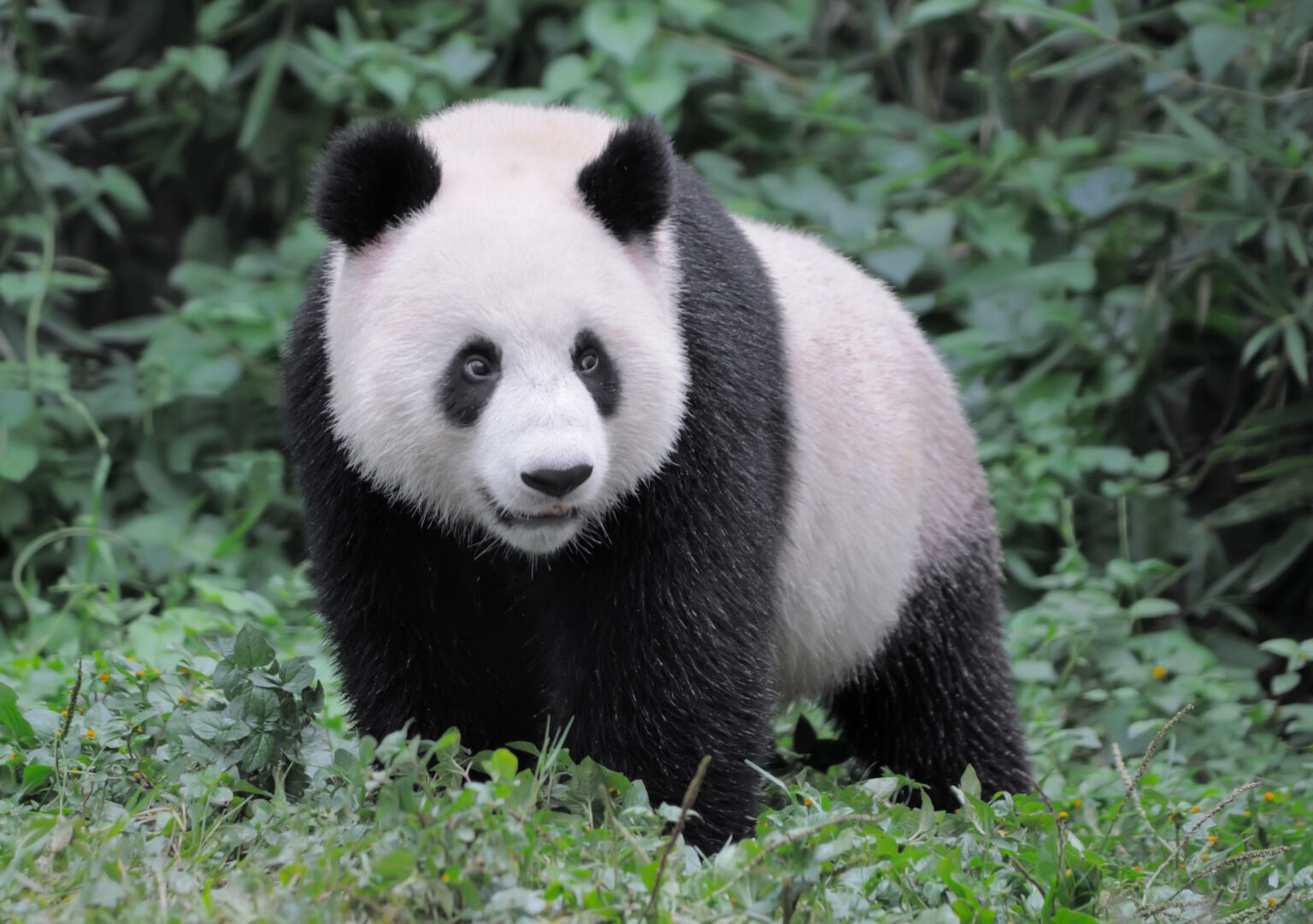
The Giant Panda is a bear with a heavy build, powerful jaws, and a thick coat suited to cool mountain forests. Black ears, eye patches, shoulders, and legs contrast with its white head and body. Adults measure approximately 1.2–1.8 metres long, with males generally larger than females.
For photographers, that coat presents an exposure challenge. Strong sunlight can leave the white fur overexposed while the eyes disappear into the dark patches. Softer light helps retain detail in both.
Native Habitat and Where They Are Found
Wild Giant Pandas live in mountain forests in China’s Sichuan, Shaanxi, and Gansu provinces. Their habitat includes broadleaf and coniferous forests with a dense bamboo understory, often wrapped in mist and cloud.
On our China wildlife workshop, our Giant Panda photography takes place at a breeding and research centre. This gives us an opportunity to photograph pandas in managed care; it is separate from our searches for wildlife in the surrounding mountain forests.
Food and Eating Habits
Bamboo dominates a Giant Panda’s diet. A modified wrist bone acts as a “false thumb,” helping it grip stems while feeding. Because its digestive system processes bamboo inefficiently, a panda may spend 10–16 hours a day eating.
That gives photographers plenty to watch. Look for a clear view of the face, paws working together, and moments when the bamboo adds to the composition without covering the eyes.
Known Lifespan
Wild Giant Pandas are estimated to live approximately 15–20 years. In human care, they can reach around 30 years, with some living longer.
Why Photographers Love Giant Pandas
Their markings make them immediately recognizable, but behaviour gives a photograph its personality. A tight portrait can highlight the face and texture of the fur, while a wider composition can show the panda feeding or moving through its surroundings.
We’ll work on protecting detail in the white fur, finding an angle that reveals the eyes, and simplifying the background. The strongest image may come between the obvious moments, when a panda pauses and looks up.
Join Us on Our China Wildlife Workshop
Our China wildlife workshop brings together opportunities to photograph pandas, primates, and forest birds, with guidance on light, composition, and anticipating behaviour.
We’ll help you move beyond a photograph that simply says, “I saw a panda,” toward one that captures something you noticed while spending time with it.
Read Other Species Spotlight Articles
Explore our Species Spotlight series to learn more about the animals and birds we photograph on our workshops around the world.