What We Teach on Our Cultural Photography Workshops
By Kevin Pepper |
On my first visit to western Mongolia in 2012, I spent an evening talking with Buybelot, the first eagle hunter I ever met. We talked about our families. I remember that conversation better than I remember any photograph I made that night. I’d travelled a long way to learn about his life, and here we were, two fathers who had plenty to talk about.
That evening still influences how I lead a cultural photography workshop. I want you to know something about the person who welcomes you into their home. I want you to understand why a town grew up in the desert or why a watchtower stands on a particular ridge. Those things change where you stand, what you include in the frame and what you’ll be able to tell someone about the photograph when you get home.
Learn who you’re photographing
In northern Kenya, we spend time with Samburu and Rendille communities. Farther south, near Amboseli, we visit with Maasai hosts. Learning the names of the communities is a start. Learning something about their lives gives you better questions to ask. Cattle have long been central to Samburu and Maasai pastoral life, while Rendille herders have a long history of raising camels in the dry north. When someone talks about their animals, you begin to understand why a photograph of a herder with the herd might tell you more about that person than a tightly cropped headshot.
In Namibia, a photographer might first notice the red colour of a Himba woman’s hair. Through our local guide, we can ask her about otjize, the mixture of butterfat and red ochre used on skin and hair. If she chooses to show us how she applies it, you now have a reason to photograph her hands. You also have something to say about the picture beyond the colour that first caught your eye.
Learn the history before choosing the frame
At Jinshanling in China, it’s tempting to put on your widest lens the moment you step onto the Great Wall. Give yourself a minute to look at where the watchtowers sit. This stretch includes fortifications built during the Ming dynasty. Think about the soldiers stationed up here and what they could see from one tower to the next. Now try a longer lens and frame two towers on successive ridges. Someone looking at that photograph can begin to understand why the wall follows that particular route.
Kolmanskop in Namibia calls for a different approach. Diamonds brought people to this patch of desert in 1908. The town grew large enough to have a hospital, a ballroom and even a bowling alley. Today, sand spills through its empty houses. Before you fill your frame with a dune, look for a strip of wallpaper or a painted doorframe to leave in the picture. That small piece of somebody’s home gives the sand its scale and the photograph its sense of loss.
How we conduct a photo session
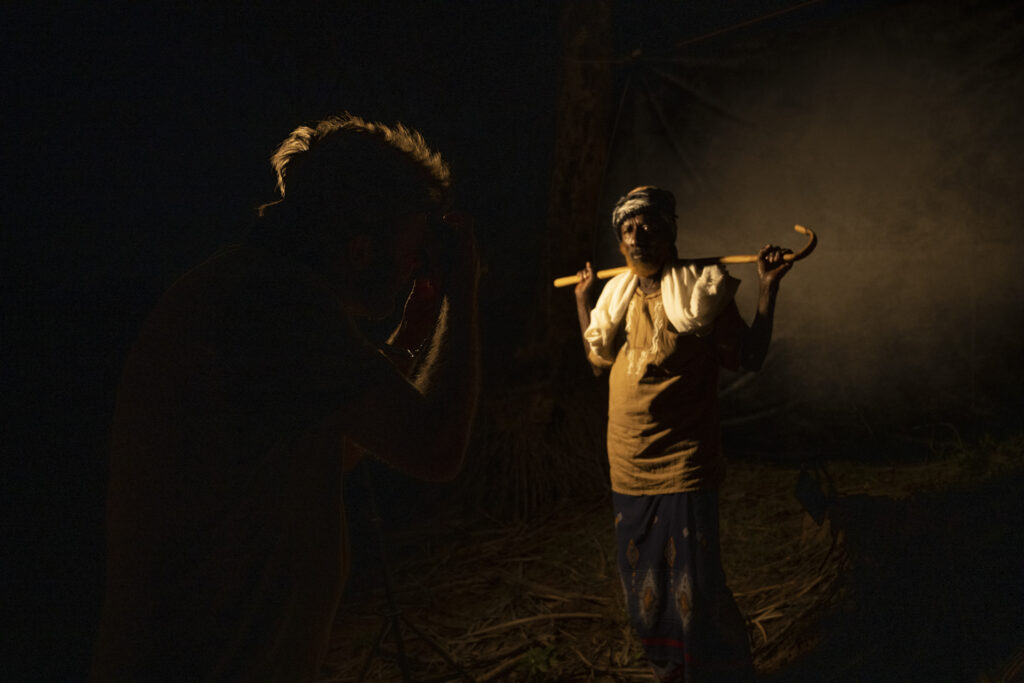
Our local guides make the introductions. We take time to talk, explain what we’d like to photograph and ask what people are comfortable sharing. An invitation into a village still leaves each person free to decide whether they’d like their picture taken. If someone declines, we thank them and carry on. When we do photograph together, showing someone the back of the camera can be one of the best parts of the visit. In Kenya, it’s often where the laughter starts.
Inside an eagle hunter’s family ger in Mongolia, we work with one photographer and one hunter at a time. I usually stay inside, catching up on family news while our guest makes pictures. With one camera in the room, you have time to notice where the light falls, speak to the person sitting with you and wait for an expression you recognize from the conversation. Sometimes the most useful instruction I can give is to move your own feet a little and let the conversation continue.
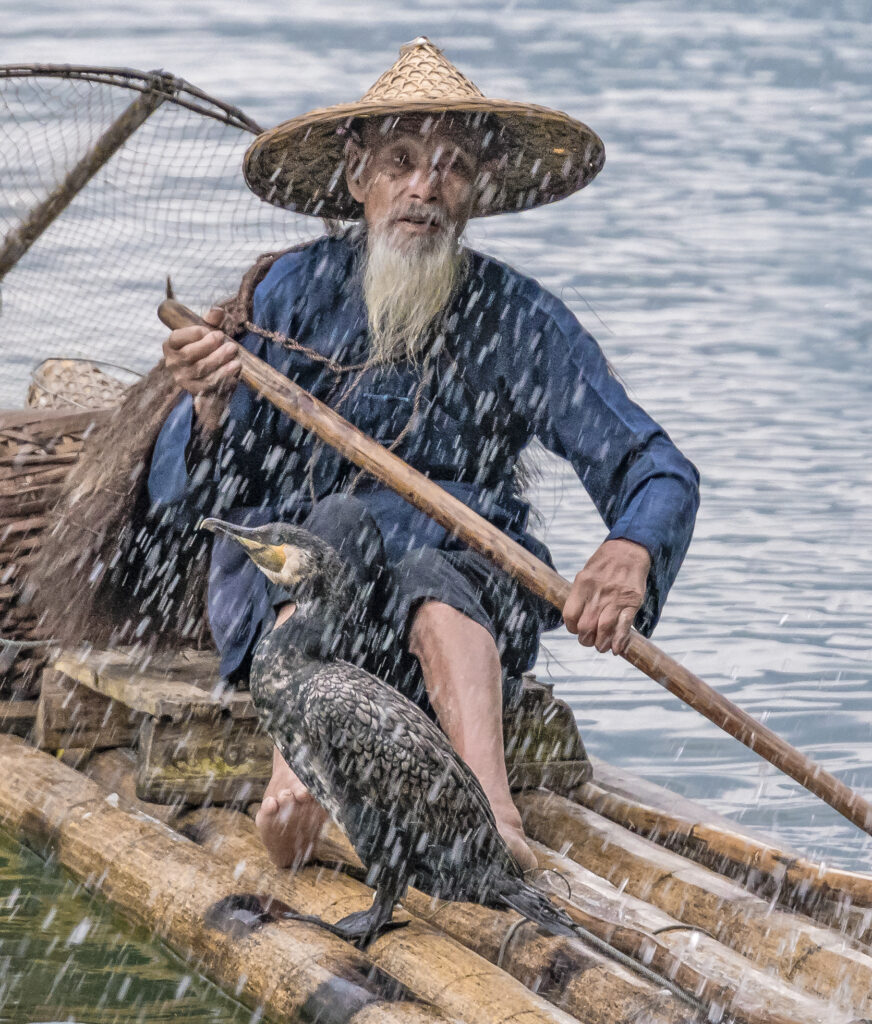
On one Kenya workshop, our Samburu hosts invited us to a wedding. That invitation was theirs to give. We followed their lead, kept out of the family’s way and let the singing and celebration unfold. On China’s Li River, by comparison, we arrange a private session with a fisherman, his cormorants, a bamboo raft and a lantern. There we have time to work on the balance between the lantern light and the last daylight on the water. We also explain how fishing with cormorants once helped families earn a living and how demonstrations help carry the tradition forward today. When you share that picture, you can describe exactly what you witnessed.
What we photograph on our cultural workshops
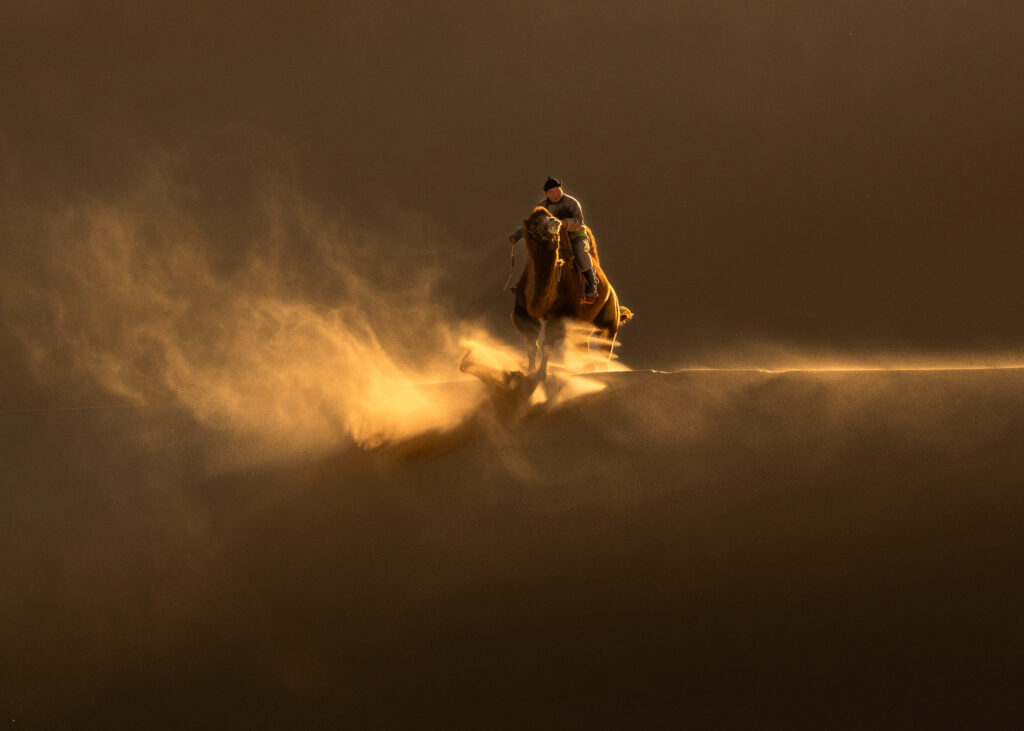
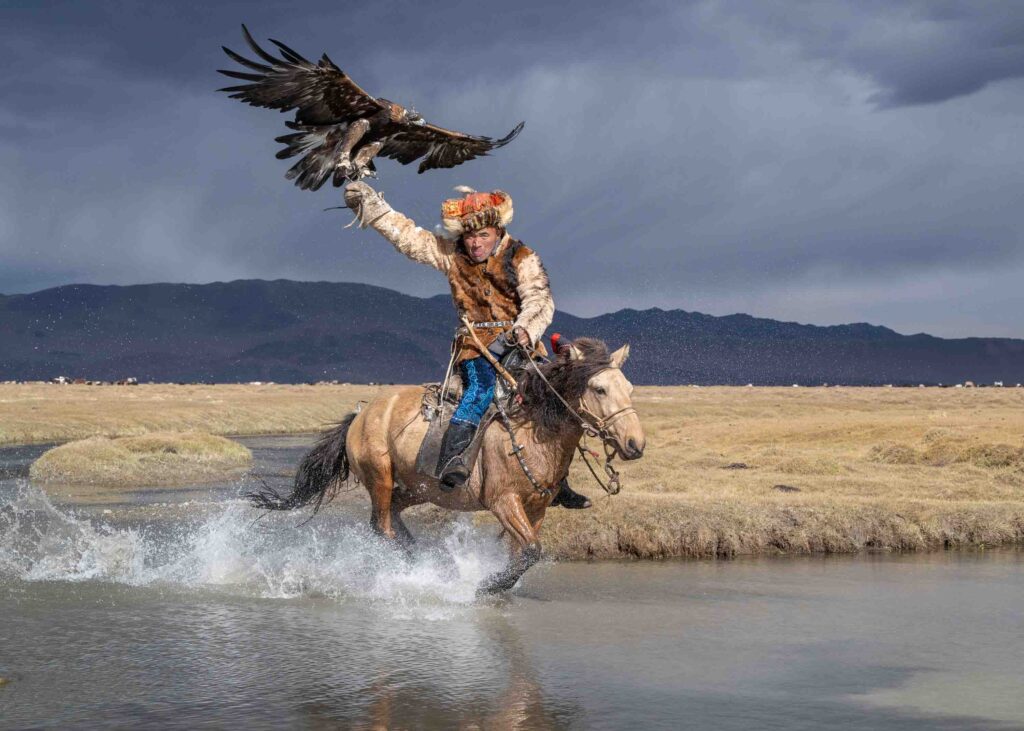
Mongolia Eagle Hunters and Gobi Desert. In western Mongolia, we stay alongside a Kazakh eagle-hunting family and photograph hunters on horseback with their golden eagles in the Altai foothills. You’ll have time for a portrait inside the ger as well as the wider photograph of horse, rider and eagle. In the Gobi, we work with camel herders in the Khongor dunes. Mounted archers give us a different challenge altogether. Try keeping the bow clear of the rider’s face as the horse moves through your frame. Explore the Mongolia workshop
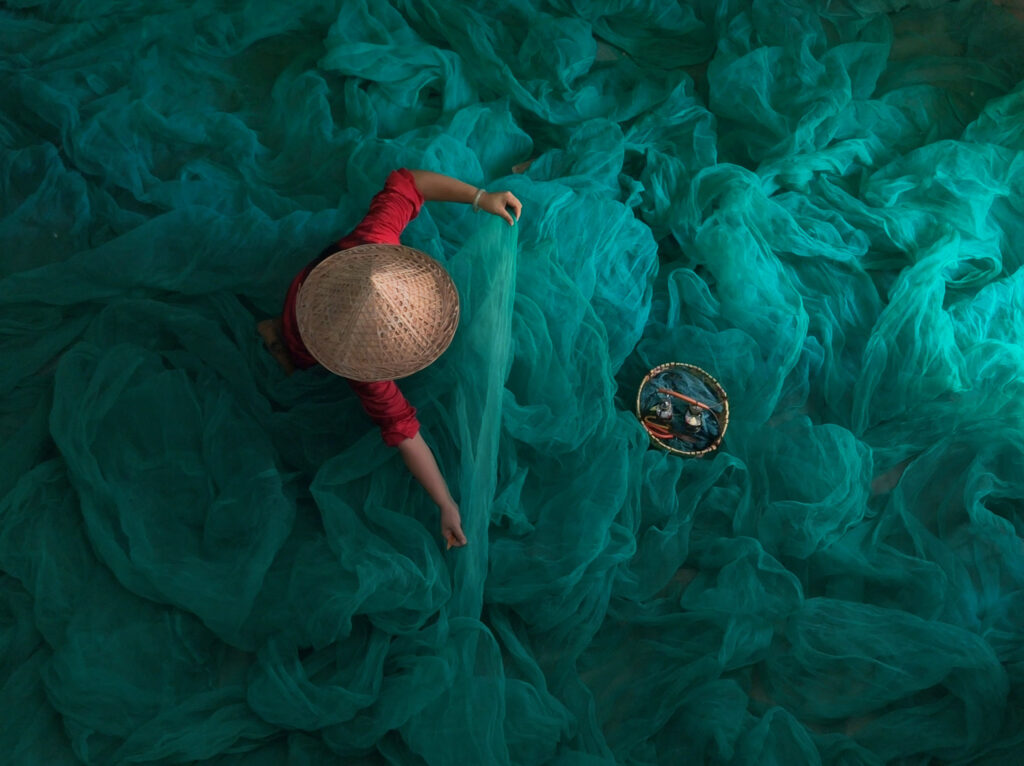
China Landscapes and Traditions. In Hongcun, whitewashed homes and dark rooflines reflected in water tell a story of village life. In Beijing, the decorated corridors of the Summer Palace give us a chance to photograph the scale and detail of imperial architecture. We also photograph the Great Wall at Jinshanling, the working tidal flats around Xiapu and the fisherman on the Li River. My local guide and I first led groups together in China in 2016. One reason I enjoy this route is that a fishing tradition and an imperial landmark each get the time they deserve. Explore the China workshop
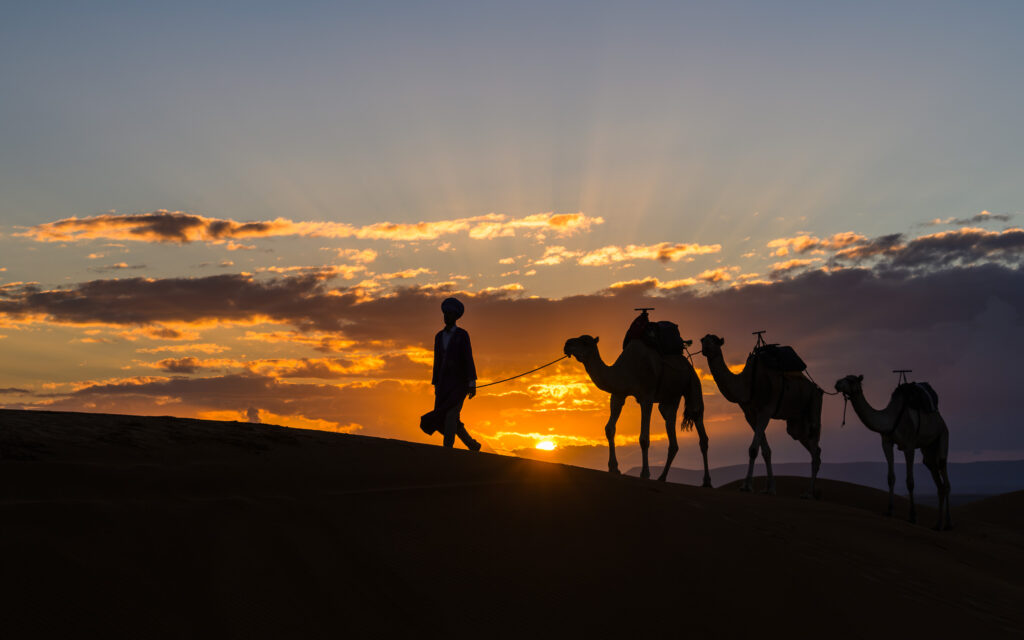
Morocco. In the Fes medina, we spend time around artisans and vendors whose work gives these streets their character. With permission, a pair of hands at work can make a fine companion image to a wider view of the shop. In Rabat, we photograph Hassan Tower, the unfinished minaret. In Chefchaouen, we work in the blue-painted lanes. Farther south, we meet Gnaoua musicians in Khamlia. Listen to the rhythm for a while and you’ll have a much better idea of when to release the shutter. Explore the Morocco workshop
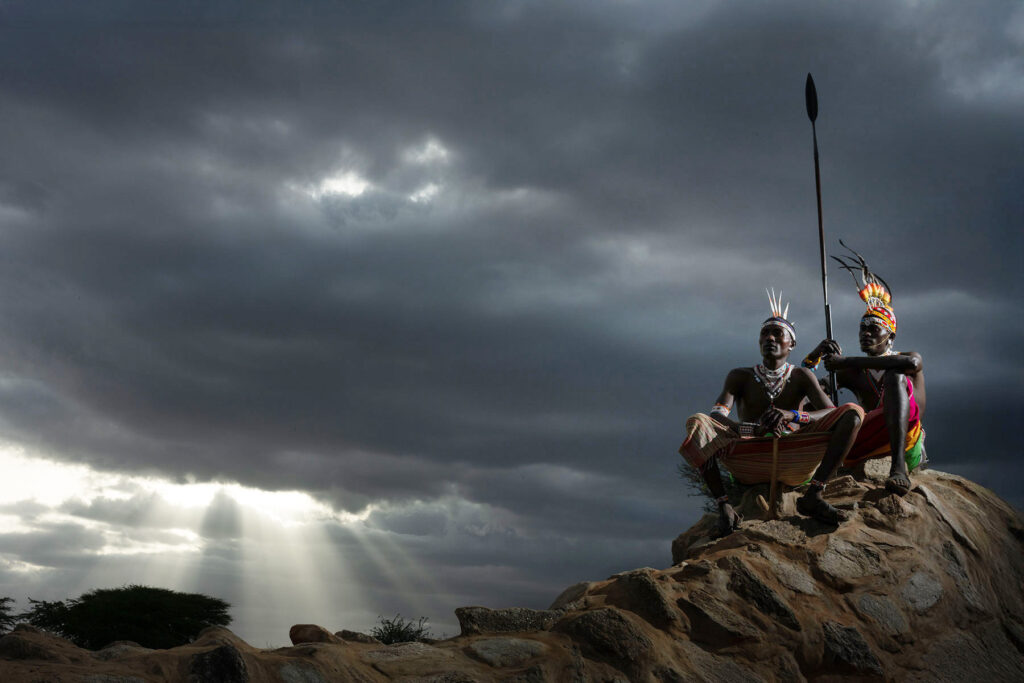
Kenya Tribes and Wildlife. We visit Samburu, Rendille and Maasai communities, with mornings spent observing village life and afternoons set aside for guided portrait sessions. You learn when to let a gesture unfold and how to give gentle direction when someone has agreed to sit for you. Around Amboseli, we also explore what it means for Maasai families to live alongside the wildlife we’ve come to photograph, including the elephants that move across the plains below Kilimanjaro. Explore the Kenya workshop
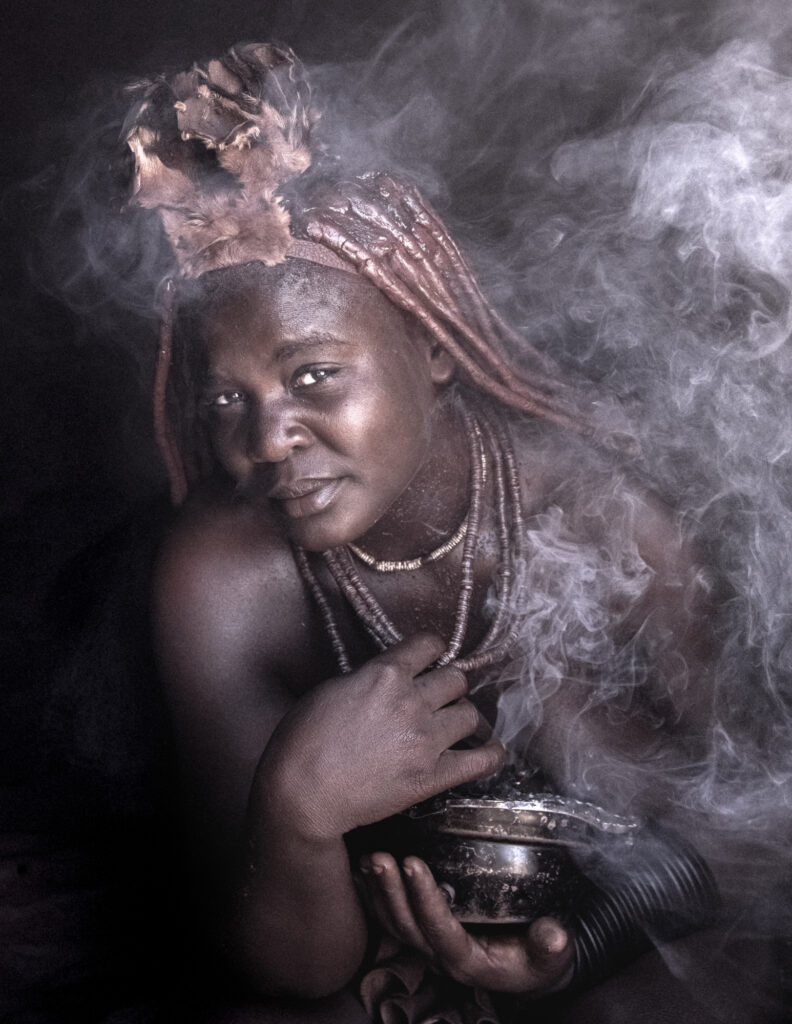
Namibia Night Sky and Landscapes. Alongside our work under the night sky, we visit a Himba community for a private photography session on our way to Spitzkoppe. At Kolmanskop, we return to the mining town in different light, and in nearby Lüderitz there’s time to explore the colonial-era architecture. A bright desert morning changes considerably when you step into a room with one window. We’ll help you hold the detail in the sunlit sand while keeping the character of the room. Explore the Namibia Night Sky and Landscapes workshop
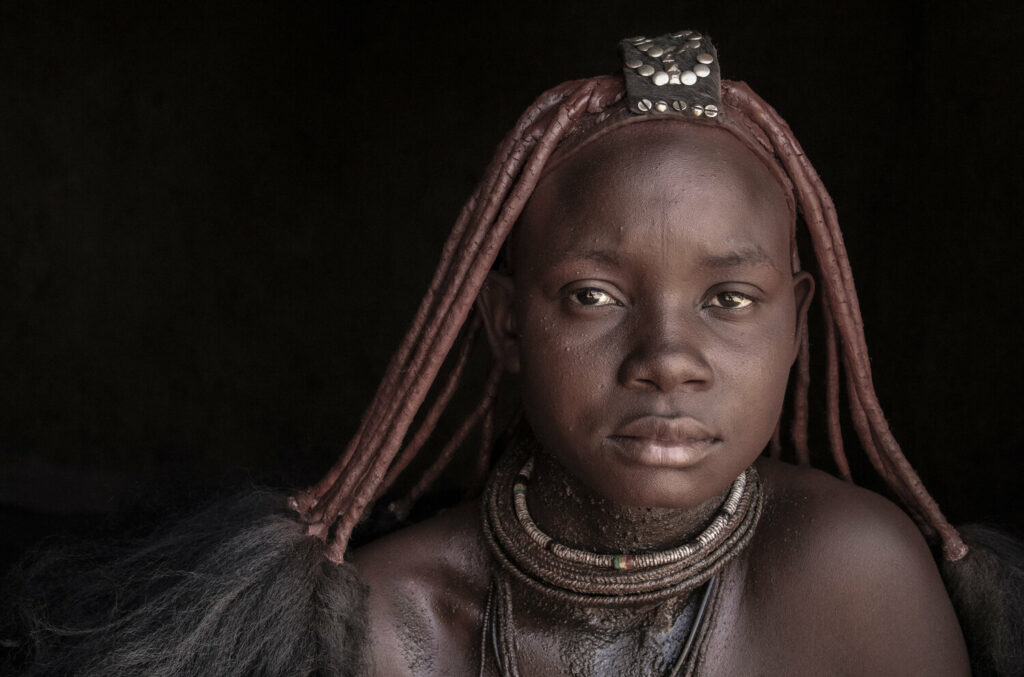
Namibia Safari. This itinerary pairs wildlife photography in Etosha and Ongava with a visit to a Himba village. Members of the community choose what they’d like to demonstrate, and we work on environmental portraits that give those activities context. Farther south, afternoon and early-morning visits to Kolmanskop give you two chances to photograph the old mining buildings and see what a change in the direction of light does to the same doorway. Explore the Namibia Safari workshop
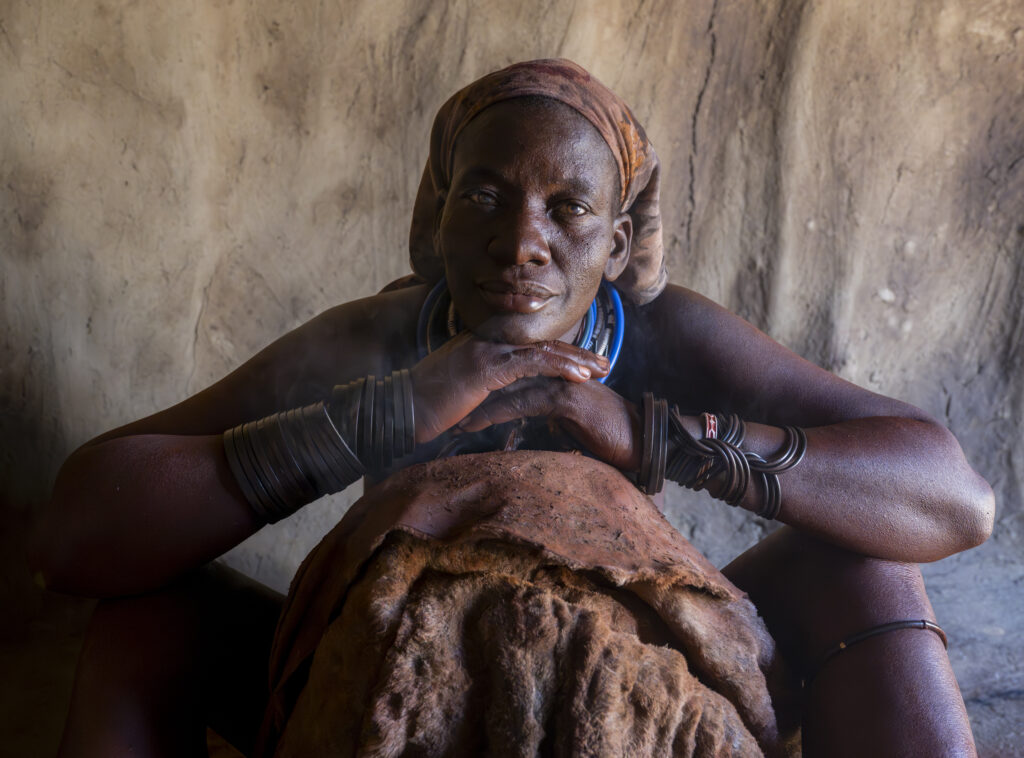
Namibia Flying Safari. Charter flights give us more time on the ground with our cameras. We visit a Himba community and spend two nights in Lüderitz, with after-hours access to Kolmanskop. Here you can find a room that interests you, see where the light falls and come back with a photograph already in mind. Those quieter sessions round out a trip that also takes us above the dunes by air and into Ongava for wildlife. Explore the Namibia Flying Safari
When you get home and somebody asks about a photograph on your wall, I hope you can tell them who invited you in, what you learned from them and why you chose that particular moment. I can still tell you about that first evening with Buybelot. That’s the part of these workshops I most want to share with you.