Why Namibia Is One of the Best Photography Workshop Destinations in the World
By Kevin Pepper |
A Country That Keeps Calling Us Back
There are beautiful destinations, and then there are destinations that stay with you long after you leave. Namibia has always been one of those places for us.
For more than a decade, the owners of Akari Photo Tours have guided photographers through this remarkable country, and even after all these years, we are still excited every time we return. That says a lot. In a world full of great photography destinations, Namibia still feels different.
Part of that is the sheer variety. Part of it is the quality of light. And part of it is that Namibia offers photographers something few places can: landscapes, wildlife, culture, abandoned places, and world-class night skies all in one trip.
It is one of the most complete photography destinations we know.
Where We Love to Photograph in Namibia
Namibia is filled with locations that feel made for photographers.
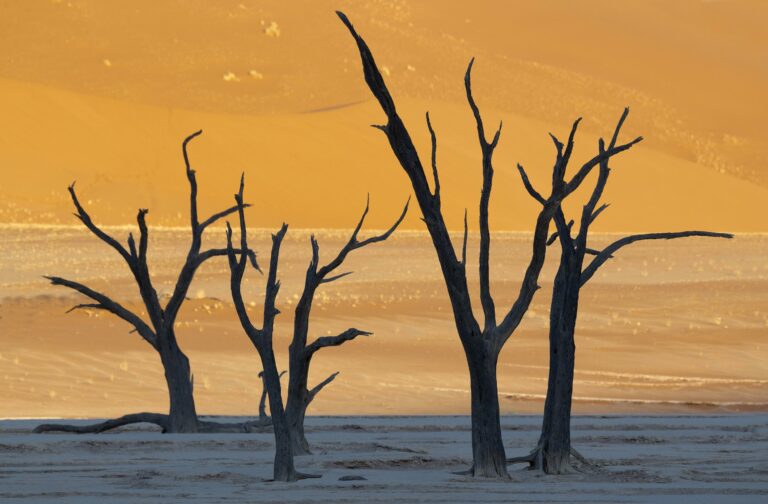
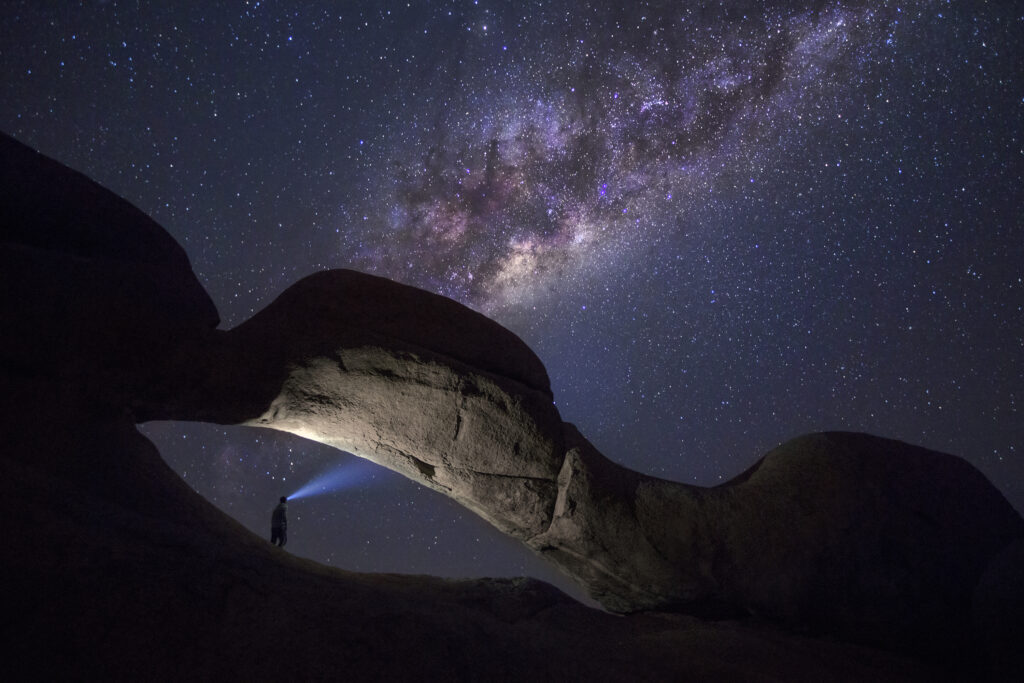
Deadvlei and Sossusvlei are among the most iconic. The towering dunes, ancient trees, cracked white clay, and shifting desert light create scenes that feel almost unreal. Spitzkoppe gives us granite peaks, dramatic rock shapes, and beautiful foregrounds for both sunrise, sunset, and night photography. The Quiver Tree Forest offers one of the most striking combinations of unusual trees, sculpted boulders, and dark skies anywhere in Africa.
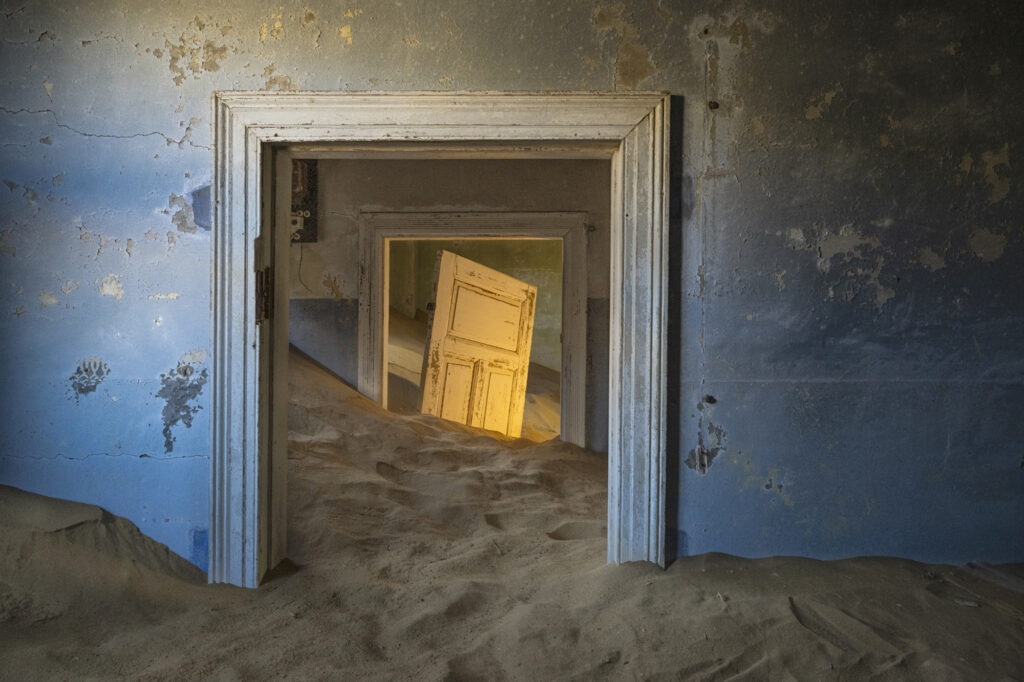
Then there is Kolmanskop, one of the most fascinating abandoned towns in the world. For photographers, it is a dream of shape, texture, shadow, and story. Sand pouring into old rooms, weathered walls, and soft window light make it one of the most creatively rewarding places to photograph in Namibia.
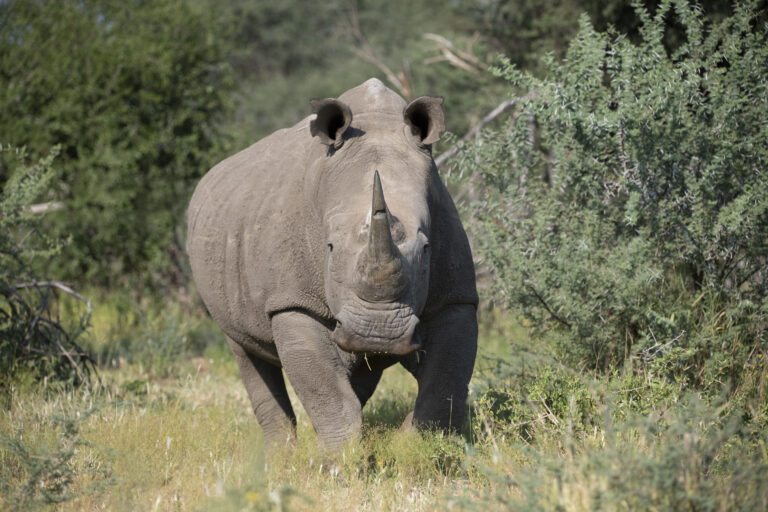
For wildlife, Etosha National Park and Ongava Private Game Reserve are two of the great highlights. These areas give photographers the chance to photograph desert-adapted wildlife in open, dramatic environments that feel distinctly Namibian.
And for culture, time with the Himba people adds another layer entirely. It brings portraiture, storytelling, and human connection into a trip already filled with visual variety.

Why Namibia Offers Photographers So Much Variety
Some destinations are strong for wildlife. Some are built for landscapes. Some are best for cultural photography.
Namibia does all of it.
This is one of the reasons we love guiding photographers there. In a single journey, you can create wildlife images, graphic landscape compositions, environmental portraits, astrophotography, abstract details, and storytelling images that feel completely different from one another.
If you are the kind of photographer who likes variety, Namibia keeps the creative wheels turning. You are not photographing the same kind of scene over and over again. One morning might be about dunes and shadow lines. That evening might be wildlife at a waterhole. Later in the trip, you may be photographing the Milky Way over quiver trees or making portraits with the Himba.
That kind of range is hard to beat.
The Magic of Namibia’s Landscapes
Namibia’s landscapes have a clean, bold, graphic quality that photographers love.
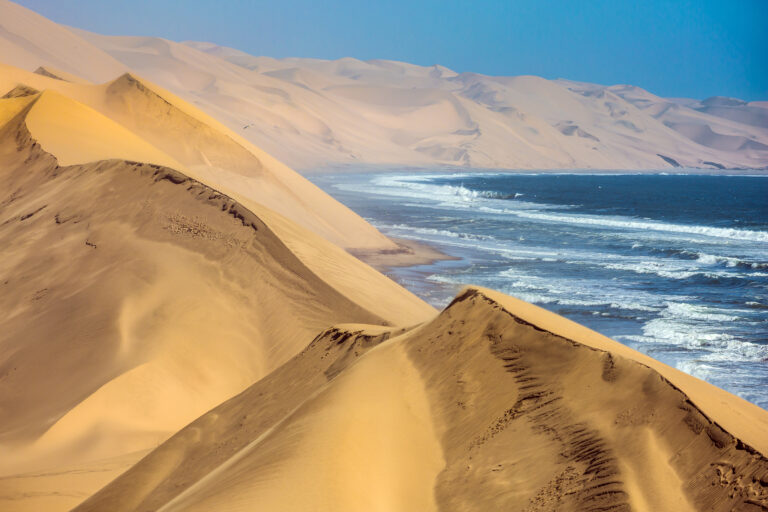
The dunes are among the finest on Earth. The shapes are elegant, the lines are strong, and the light can transform the whole scene by the minute. Watching first light hit the dunes at Sossusvlei is one of those experiences that reminds you why you picked up a camera in the first place.
Beyond the dunes, Namibia continues to deliver. Spitzkoppe feels ancient and dramatic. The Quiver Tree Forest looks almost prehistoric. The desert plains, mountain backdrops, and wide open spaces give photographers room to simplify, experiment, and create images with a strong sense of place.
There are landscapes in Namibia that simply do not look like anywhere else in the world.
The Mecca of Abandoned Towns
If you are drawn to abandoned places, Namibia has one of the great ones.
Kolmanskop is a location we always look forward to. Once a diamond town, it is now being slowly reclaimed by the desert. Rooms filled with sand, soft side light through old windows, peeling textures, and elegant decay make it one of the most unique photography locations anywhere.
Photographers can go wide, tight, abstract, or atmospheric there. It is one of those places where you could hand ten photographers the same room and get ten completely different interpretations.
That is usually a sign you are somewhere special.
Desert-Adapted Wildlife in a Land of Space and Light
Many photographers first think of Namibia for the landscapes, but the wildlife is one of the country’s great strengths.
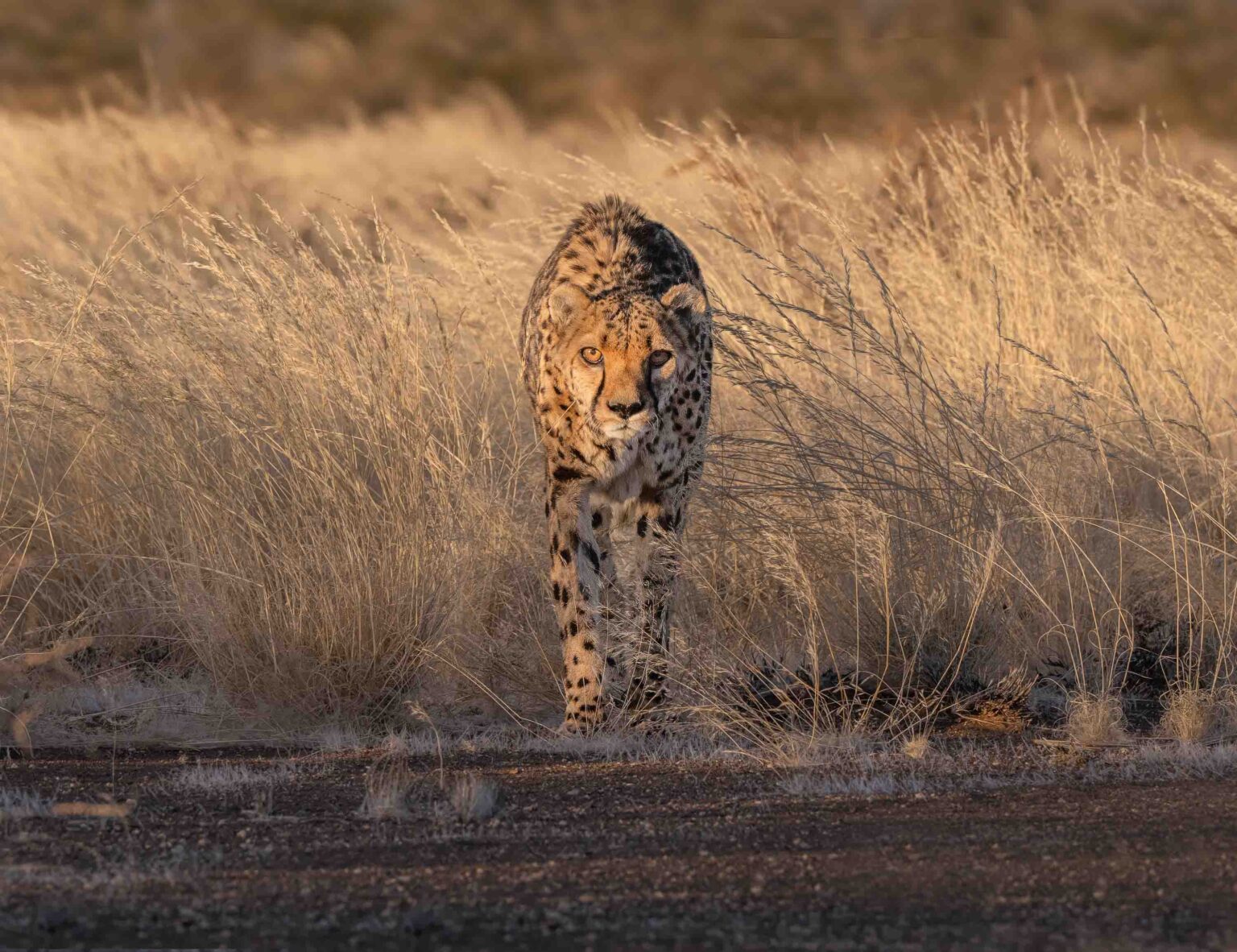
Etosha and Ongava provide wonderful opportunities to photograph animals in dry, open environments where the setting becomes part of the story. Wildlife here does not feel dropped into a green backdrop. It feels shaped by the land itself.
That matters in a photograph.
Oryx, elephants, lions, giraffe, springbok, and many other species can be photographed in a way that feels uniquely Namibian. Waterholes become gathering points, behavior becomes easier to anticipate, and the open country often allows for cleaner backgrounds and stronger compositions.
For photographers who want wildlife images with atmosphere and a real sense of place, Namibia delivers.

Himba Culture and Meaningful Portrait Photography
One of the most memorable parts of Namibia is the chance to spend time with the Himba people.
For photographers, these encounters are about far more than appearance. Yes, the red ochre, hairstyles, jewelry, and atmosphere are visually beautiful. But what makes the experience meaningful is the opportunity to slow down, observe, and photograph with respect.
Cultural photography is strongest when it comes from connection rather than speed. We value that deeply in Namibia. Taking the time to be present, to build trust, and to make photographs that feel genuine always matters more than simply collecting another face for the hard drive.
These moments often become some of the most powerful images of the entire trip.
Why We Choose Luxury Over Camping
We have made a very deliberate choice in how we design our Namibia workshops.
We prefer comfortable, well-chosen lodges over camping.
That choice is not about softness. It is about photography. When photographers sleep well, eat well, and stay close to the locations that matter most, the experience improves and the images usually do too. Better rest means more energy at sunrise. Better lodge placement means better access to first and last light. A good meal and a proper bed go a long way after a full day in the field.
We choose accommodations based on both comfort and proximity to the best photographic opportunities. We want photographers in the right place at the right time, without asking them to drag themselves through unnecessary discomfort just to prove they are serious.
There is nothing noble about being exhausted if it hurts the photography.

Why We Time Our Namibia Workshops So Carefully
Timing matters in Namibia, and after many years of guiding there in different seasons, we have become very intentional about when we run each kind of workshop.
Our night sky and landscape tours are centered around the new moon between May and October. We do that because these months give us some of the best conditions for photographing the Milky Way and Namibia’s extraordinary dark skies. The dry season, clear air, and moonless nights make a real difference.
Our wildlife workshops are timed for July or August. After years of guiding there in different months, we have found that this period consistently offers some of the strongest wildlife photography opportunities. Dry conditions bring animals to water more often, and that helps create more reliable and more rewarding photographic moments.
This timing is based on experience, not guesswork.
What Photographers Will Learn on This Workshop
Namibia is not just a place to take pictures. It is a place to grow.
During our workshops, photographers have the chance to improve a wide range of skills. In the wildlife portions of the trip, we help people learn how to anticipate behavior, work around waterholes, handle harsh light, and create cleaner, more powerful animal portraits. In the landscape portions, we focus on composition, shadow and light, foregrounds, depth, and simplifying the scene.
Night photography becomes a major part of the learning as well. Namibia is a wonderful place to practice focusing in the dark, choosing the right Milky Way settings, balancing sky and foreground, and building stronger night compositions.
Cultural photography adds another skill set. With the Himba, photographers can work on environmental portraits, visual storytelling, use of natural light, and learning how patience and respect lead to better images.
Most importantly, Namibia teaches photographers to slow down and see more clearly. That lesson stays with you long after the trip ends.
Who This Namibia Workshop Is Perfect For
This workshop is perfect for photographers who want more than one kind of subject in a single trip.
It is a great fit for landscape photographers who want bold shapes, dramatic light, and places that feel unlike anywhere else. It is ideal for wildlife photographers who want animals photographed in beautiful, open desert environments. It is perfect for people who love night skies and want to photograph the Milky Way in truly dark conditions. It is also a strong fit for photographers who enjoy cultural storytelling and want to create portraits with meaning.
It is especially well suited to photographers who value small groups, personalized instruction, and a more comfortable style of travel.
In other words, it is for photographers who want a rich experience, strong teaching, and a portfolio with real variety when they come home.
Why We Are Always Excited to Return
Even after more than ten years of guiding photographers in Namibia, it still excites us.
It still surprises us. It still inspires us. And it still offers the kind of variety that makes photographers feel awake and curious. That is not something every destination can do year after year.
Namibia remains one of our favorite places in the world to photograph and to share with others. It has the landscapes, the wildlife, the culture, the darkness, the atmosphere, and the soul to stay with you long after the trip is over.
For photographers, that is a rare thing.

Why Group Size Matters More Than You Think
Group size might be the most overlooked detail when photographers choose a workshop.
Sure, larger groups can keep the cost down. But they can also quietly ruin the very reason you travelled halfway around the world in the first place.
Photography is about timing, space, and patience. When too many photographers show up at the same place at the same moment, those things disappear quickly.
Take Kolmanskop, for example. The magic of that abandoned town happens in the first light of the morning, when soft sunlight pours through the windows and creates beautiful patterns in the sand. With too many photographers, you are suddenly dealing with footprints everywhere, people moving through the rooms, and photographers competing for the same angles. Miss the best room at the right moment and that opportunity is gone.
The same thing happens at the Quiver Tree Forest. It’s one of the most beautiful places in Namibia to photograph the Milky Way, but when there are too many people wandering around with headlamps and tripods, it becomes very difficult to make clean images. Unless you enjoy removing photographers from your night sky photos later in Photoshop.
Wildlife photography has its own version of this problem. Too many photographers in a vehicle means everyone is shoulder to shoulder, elbows bumping, and hoping their lens is pointed in the right direction when something finally happens. Instead of focusing on the moment, you are worrying about whether your neighbor’s lens hood is about to sneak into the edge of your frame.
And then there are the roads.
Namibia is a big country with long distances between locations. Spending hours in a crowded vehicle with eight or ten photographers might save some money on paper, but it can make the experience far less enjoyable. Having room to stretch out, move your gear comfortably, and relax between locations makes a huge difference over the course of a long trip.
That’s why we keep our groups small.
On many of our Namibia workshops, the group is limited to four or five photographers. That means more space in the vehicle, more time at the best locations, fewer distractions when the light is perfect, and far more flexibility throughout the trip.
Yes, smaller groups sometimes cost a little more. But when you are traveling halfway around the world for a bucket-list photography experience, the quality of that experience matters.
Cheaper isn’t always better.
And when the light is perfect and the scene in front of you is something you’ve dreamed about photographing for years, having space to work quietly with your camera is worth every bit of it.
Wouldn’t you agree?
Join Us in Namibia
If Namibia has been on your list, there is a reason. And if it has not been on your list yet, it probably should be.
This is one of the great photography destinations on Earth, and we would love to share it with you on one of our Namibia Akari Photo Tours workshops.